
Herbal Insect Repellents: 12 Plant-Based Recipes for a Bug-Free Summer
Protect yourself from biting bugs with these natural herbal remedies!

Quick Reference
- Best dried-herb sachet blend: lavender, rosemary, peppermint, cedar shavings (equal parts) tied in muslin.
- Best smudge bundle to burn on the porch: rosemary, sage, and lavender, dried 2 weeks first.
- Best hanging-bunch for the kitchen: fresh basil, mint, and bay leaves over the sink and back door.
- Best DIY essential-oil spray: 10 drops eucalyptus oil + 2 oz water + 2 oz white vinegar.
- Backed by research: oil of lemon eucalyptus is the only plant-based ingredient the EPA registers for mosquito and tick protection.
- Pet caution: never apply essential oils to cats; ask your vet before using on dogs.

You want the windows open, the porch table set, and the herbs spilling out of the kitchen garden. You do not want mosquitoes in your ear or the chemical smell of a spray can in your hair. The good news is that the same culinary herbs already growing on your windowsill, drying in your pantry, and curing in your shed will do most of the work, if you know how to dry them, bundle them, and turn them into oils, sachets, and porch-side smudges. Below are twelve plant-based ingredients with a long folk record, plus the recipes that turn them into something you can actually use this summer.
Why Herbs and Essential Oils Repel Insects
Aromatic plants make defensive oils for themselves. Mosquitoes, flies, gnats, fleas, and ticks navigate by smell, so the volatile oils in citronella, lavender, peppermint, basil, and cedar mask the human signals they hunt by. That is the short version. The longer version is that effectiveness depends on three things: the concentration of the oil, whether you are using it dried, hanging, burning, or applied to skin, and how often you refresh it. A fresh basil sprig on the table will not match a 30 percent oil of lemon eucalyptus spray on bare skin, and neither will match a screen door. Use these recipes as the layer between the screens and the citronella candle, not as a single magic bullet.
The U.S. Environmental Protection Agency lists oil of lemon eucalyptus as the only plant-based active ingredient registered for protection against mosquitoes and ticks, and notes it can give protection comparable to low-concentration DEET when applied correctly. See the EPA’s guide to insect repellents for the registered list and the safety notes that come with it. For the other herbs on this page, the evidence runs from solid lab studies to long, lived folk practice. We name the limits where they apply.
Four Ways to Use Herbs Against Bugs
Before the plant list, four delivery methods. Pick the one that suits the place and the pest.
1. Dried-herb sachets for closets, drawers, and pantry shelves
Sachets work on slow-moving pests: moths, silverfish, ants drawn to the pantry, and the occasional flea hitching a ride on a sweater. Bundle dried lavender, rosemary, peppermint, cedar shavings, and bay leaves in equal parts. Tie into a 4-by-4-inch muslin square. Crush the sachet between your palms once a week to wake the oils back up. Replace every 8 to 12 weeks, or as soon as it stops smelling sharp.
2. Hanging herb bunches for the kitchen and porch
Tie a bundle of fresh basil, mint, and bay leaves with kitchen twine and hang it upside down by the sink, back door, or screen porch. The leaves dry slowly and release oil for two to three weeks. Flies and gnats hate it. Replace the bunch when the leaves crumble at the lightest touch.
3. Smudge bundles to burn outdoors at dusk
Cut foot-long stems of rosemary, sage, and lavender. Let them air-dry for two weeks in a cool dark spot. Tie tightly with cotton string into a thick wand. Light one end, blow out the flame, and set the smoldering bundle in a fireproof dish on the patio table 15 minutes before guests sit down. The aromatic smoke clears a small radius and smells like cooking, not citronella.
4. DIY infused oils and sprays
Crush a handful of fresh herb (basil, rosemary, peppermint, or lavender), cover with three parts grain alcohol or witch hazel to one part plant material, jar it, and let it sit on a dark shelf for two to four weeks. Strain. The infused liquid goes in a small spray bottle and travels in your gardening apron. Patch-test on the inside of your wrist before spraying any wider area, and keep all infusions away from cats.

The 12 Best Herbs and Plant Oils for Repelling Insects
Each entry below names the bugs it works on, the form to use, and a tested recipe or application note. Skim, pick two or three to start, and stack them with screens and a fan on the porch.
1. Citronella
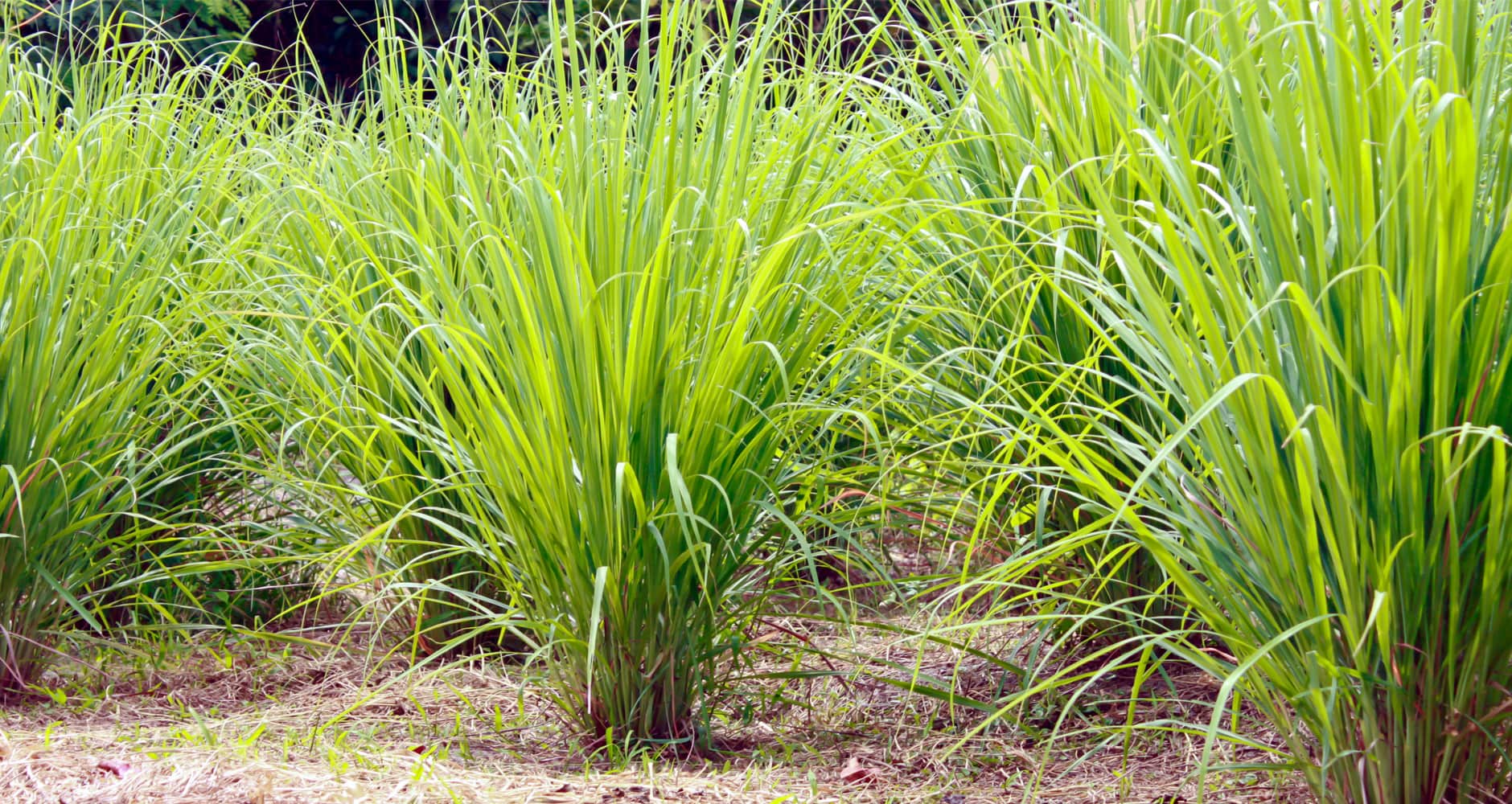
Citronella is not just for the patio candle. You can wear it, too. The oil is steam-distilled from a species of lemongrass, and it is one of the most beloved mosquito repellents around. Mosquitoes were apparently not polled in that survey. To wear it, mix 10 drops of citronella oil into 2 ounces of unscented witch hazel and spray on exposed skin, reapplying every hour. To grow it as a porch plant, choose a deep pot, full sun, and brush the leaves as you pass to release the oil.
2. Lavender

Lavender is an almost universally loved fragrance among humans, and bugs hate it. It repels flies, mosquitoes, gnats, moths, and other pests. You can rub diluted lavender oil on your dog (never on cats) to help repel fleas. Always consult your vet before using on a dog. For the indoor use case, hang fresh bunches in the closet or sew dried buds into pillow sachets. For the porch, lavender smudge bundles are the most pleasant smoke we know of. See our companion piece on natural bug repellents for more on lavender in spray form.
3. Cedar
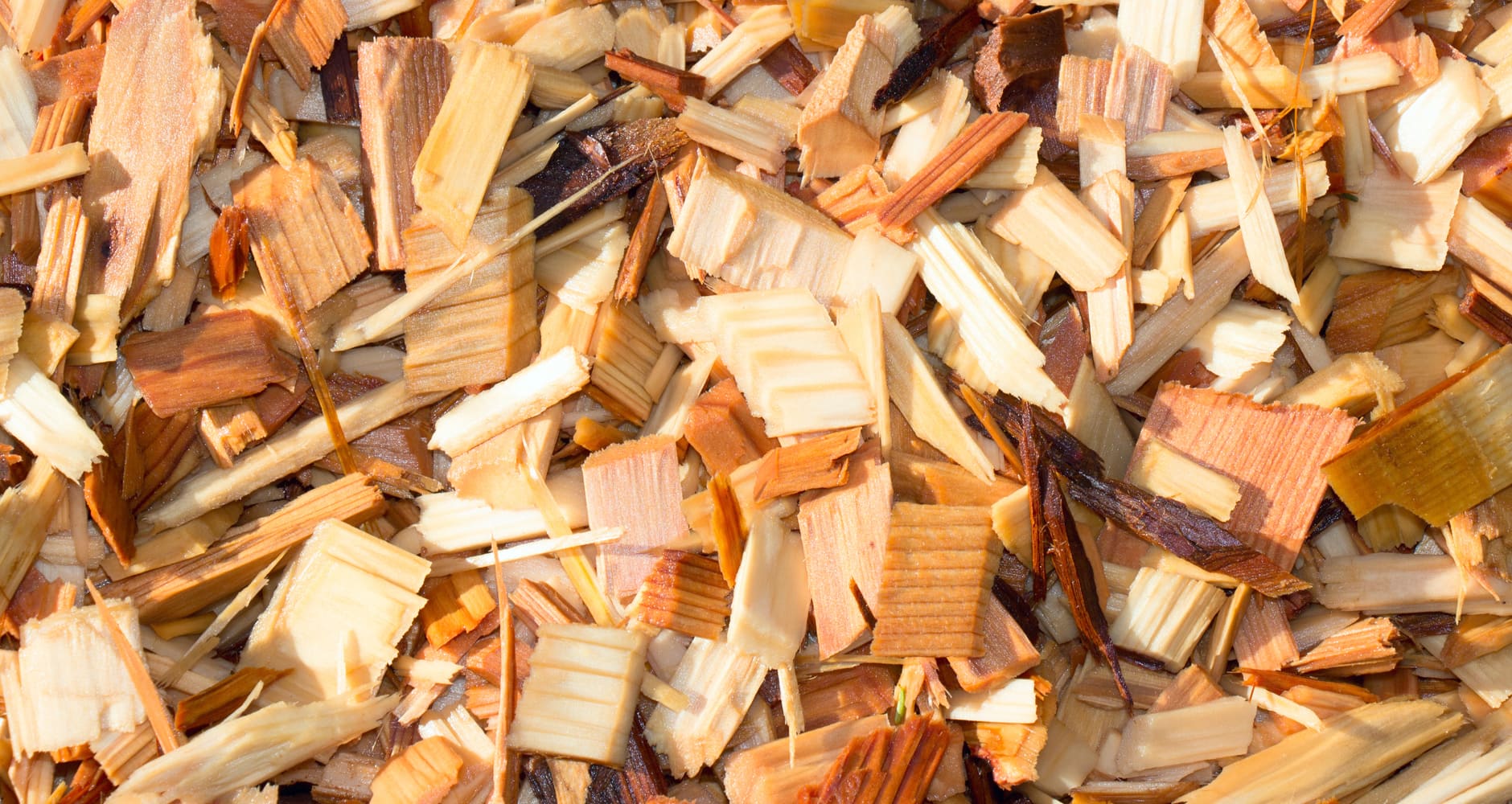
Cedar chests and chips have long been used to repel moths. Most folks do not realize this fragrant wood is equally effective against mosquitoes and other biting insects. You do not have to climb inside a cedar chest or hang a block around your neck. Get your hands on some cedar essential oil and dab it on the inside of your hat band, or scatter shavings around the perimeter of the patio. A handful of cedar in the sachet blend at the top of this page covers the wool sweaters in the off-season closet.
4. Lemon Eucalyptus
Lemon eucalyptus oil comes from a different kind of tree than common eucalyptus. The name is a nickname for the lemon-scented gum and the blue-spotted gum. Despite the name, it contains no citrus. Like lemon myrtle and lemongrass oil, it simply has a lemony aroma. It is great for chasing away mosquitoes and ticks. Oil of lemon eucalyptus (OLE) is the refined, EPA-registered version and is the one form the agency lists as comparable to low-concentration DEET. See the EPA’s skin-applied repellent ingredients list for the safety notes. Do not use OLE on children under 3.
5. Eucalyptus Oil

Eucalyptus is not strictly an herb, but it earns its spot. Pests dislike the smell, and the compound is a well-researched alternative to commercial chemical pesticides. It also works against rodents. To make an all-purpose pest spray, mix 10 drops of eucalyptus oil with two ounces of water and two ounces of white vinegar. Use it as a garden insecticide or spray on exposed skin to ward off mosquitos and other biting bugs. Remember, topical application is not recommended on pets or children under 2 years of age.
6. Peppermint

Misting peppermint oil on your skin is a cool, refreshing treat in the summertime. It also happens that pests like mosquitoes and fleas hate the smell. Dilute with water or a carrier oil first, never apply neat. Peppermint earns a double role in the kitchen, too. A hanging bunch of fresh peppermint by the back door discourages flies. A few drops on a cotton ball tucked behind the toaster discourages mice come fall.
7. Basil

Slather yourself in the scent of basil and, presto pesto, you will be pest-free. A pot of basil on the picnic table earns its keep both ways: pesto by Sunday, fewer flies by Saturday. The recipe below turns a handful of fresh leaves into a spray that lasts all summer in the fridge.
DIY Basil Insect Repellent
Recipe courtesy of Finch & Folly
Ingredients:
6 ounces fresh basil leaves and stems
4 ounces of boiling water
4 ounces of vodka*
Directions:
Place the basil in a glass container. Pour boiling water over the basil, cover, and let sit for 6 hours.
Remove basil and pour infused water into a spray bottle. Pour vodka into the spray bottle and gently shake. Store in a cool, dark spot.
Avoid spraying around the face and keep out of reach of little ones.
*To preserve this repellant, vodka is used as a carrier. If you choose to omit it, make small batches of basil-infused water and keep it in the fridge for 5 to 7 days.
8. Geranium

Plant scented geraniums around your property to keep nasty bugs away, or extract the oil and wear it. Look for the lemon-scented and rose-scented varieties at the garden center, both of which carry citronellol, the same active compound that gives citronella its kick. Border the patio steps with three or four pots, brush the leaves on your way past, and you have done half the work without thinking about it.
9. Feverfew
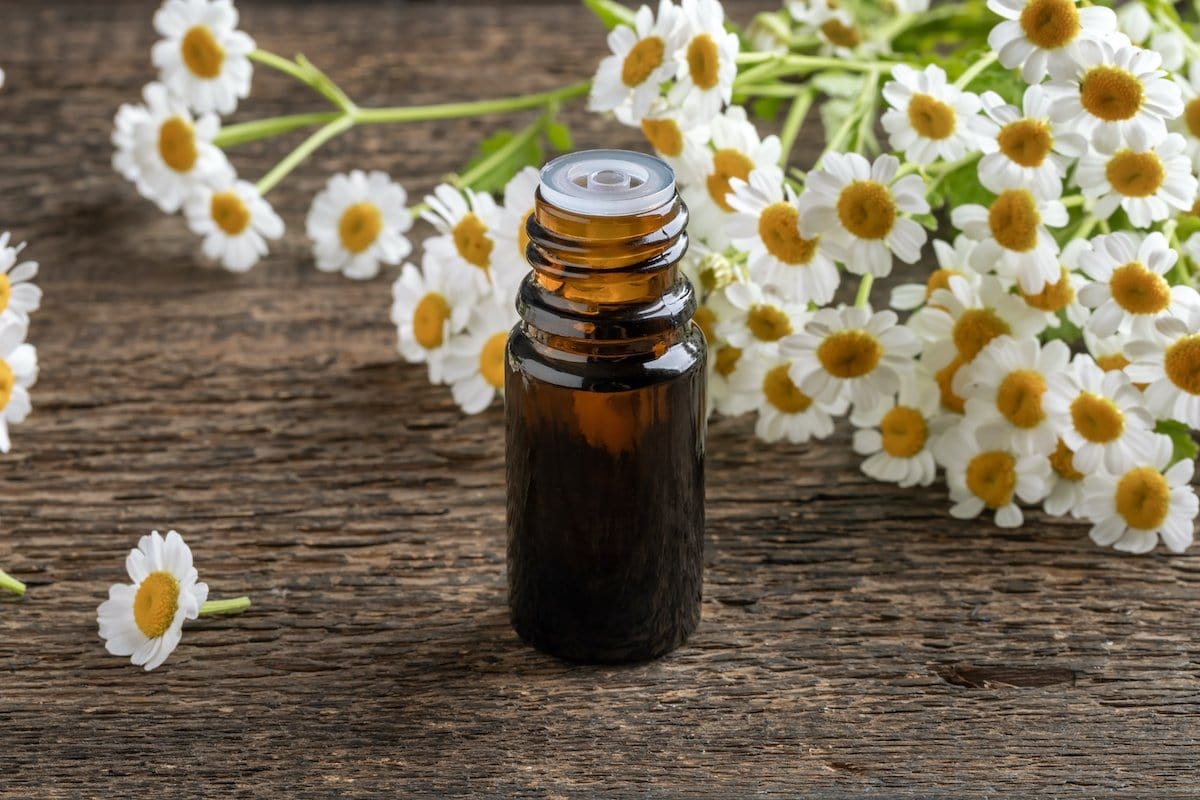
Add these pretty daisy-like flowers to your garden to repel a variety of pests. Feverfew can also be worn as a spray, or used to treat insect bites once they have already happened. A small clump in the herb bed gives you both lines of defense: a deterrent while you weed, and a poultice when something gets through.
10. Catnip
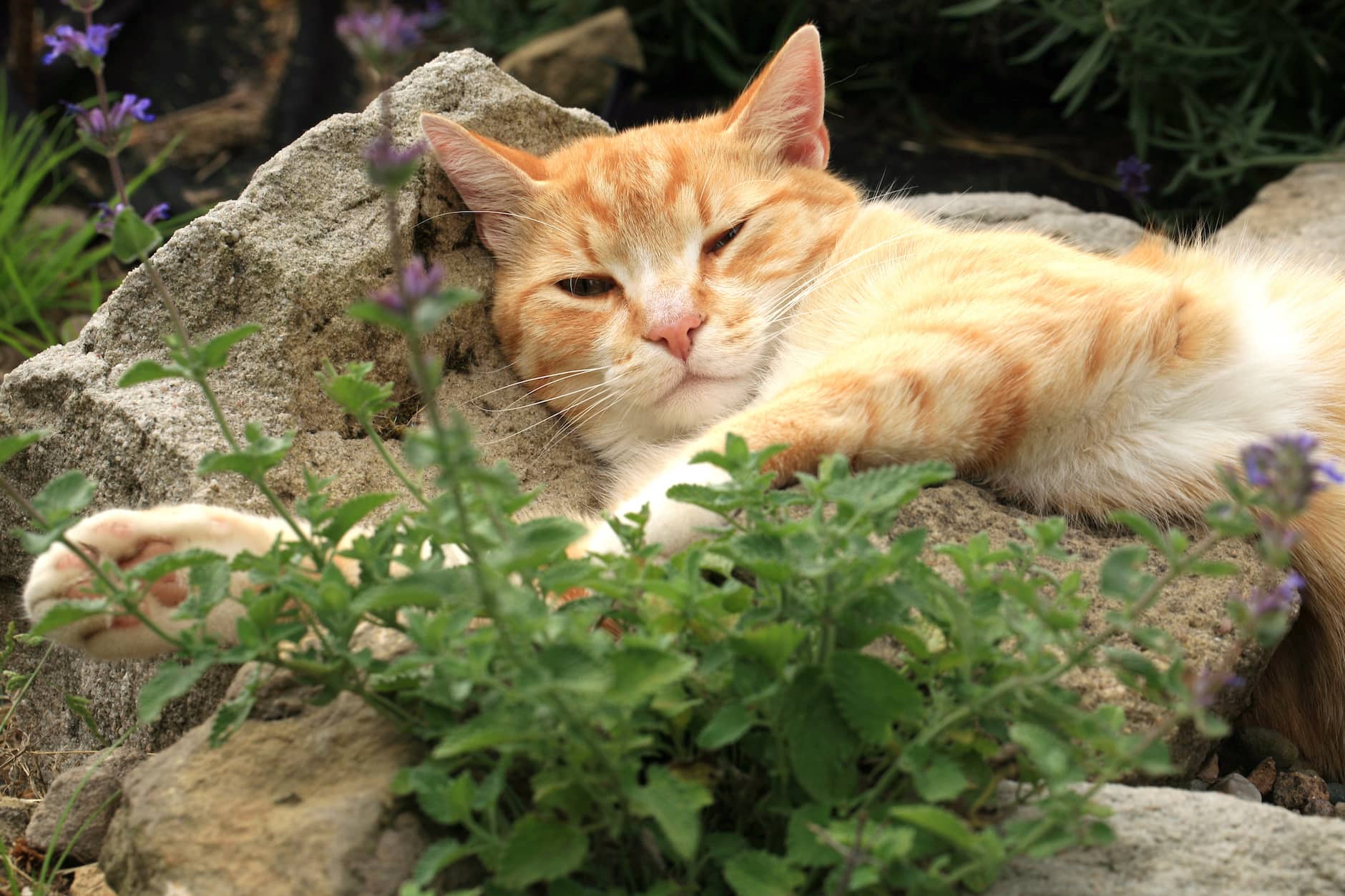
Concentrated catnip has been shown to be more effective than DEET at repelling mosquitoes, according to a peer-reviewed study from researchers at Iowa State University. Just watch out when traveling through neighborhoods with a lot of stray cats. See the PubMed-indexed catnip vs DEET study for the methodology and the original results.
11. Rosemary
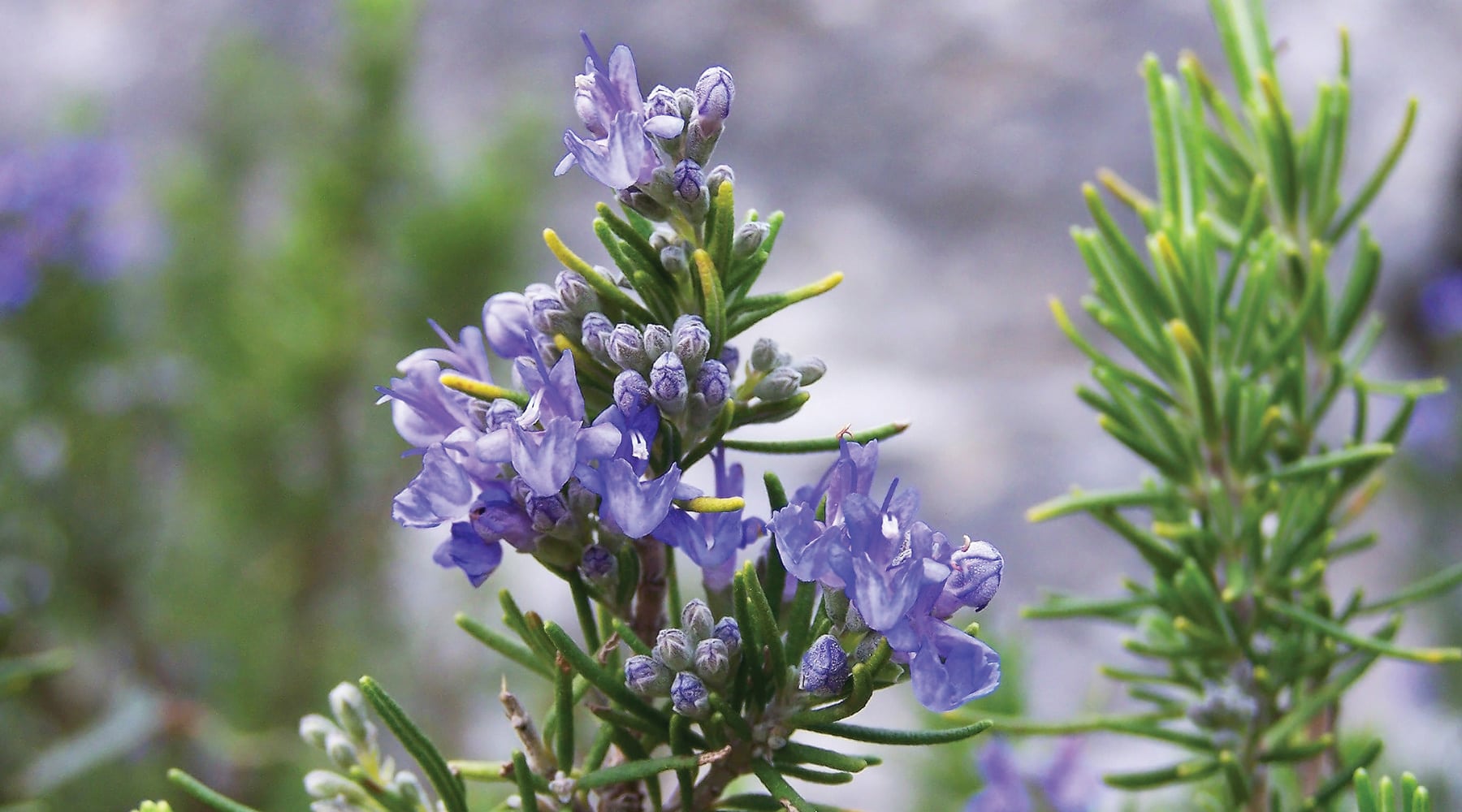
The oil of rosemary makes a very effective mosquito repellent. It is good in soup, too. A small rosemary plant by the kitchen door is the easiest two-for-one in the garden: snap a sprig for the roast on Sunday, toss the trimmings into a Mason jar with witch hazel for next week’s wrist spray.
12. Neem
A type of mahogany grown in India, neem is one of the most effective insect repellents around. Many commercial insect sprays use neem as the main active ingredient. It is great for repelling ticks, mosquitos, black flies, and no-see-ums (biting midges). Neem oil is also a workhorse in the vegetable garden against aphids and Japanese beetles. For skin use, dilute heavily, neem is strong on its own and the smell takes some getting used to.
How to Make Your Own Plant Extracts at Home
Any of these herbs or woods can be purchased in essential oil form, or you can make your own extracts. Crush the plant and soak it in three parts alcohol per one part of solid material. Bottle it up and let it sit for a few weeks before using. The home version will not match a commercial essential oil for concentration, but it is honest, plant-based, and pennies a batch. The peer-reviewed review of plant-based mosquito repellents on PubMed Central is worth a read if you want to compare efficacy across citronella, lemongrass, eucalyptus, and the rest.
Which Herb Works on Which Bug
| Pest | Best herbs and oils | Form to use |
|---|---|---|
| Mosquitoes | Citronella, lemon eucalyptus, catnip, lavender, peppermint, rosemary | Skin spray (diluted) or smudge bundle |
| Ticks | Lemon eucalyptus (OLE), neem, cedar | Skin spray, hat-band oil, perimeter shavings |
| Flies and gnats | Basil, lavender, peppermint, eucalyptus | Hanging bunches, table sprays |
| Fleas | Lavender (dogs only), peppermint, cedar | Diluted oil on dog collar, cedar shavings in bedding |
| Moths | Cedar, lavender, rosemary | Closet sachets, drawer pouches |
| No-see-ums and black flies | Neem, lemon eucalyptus | Skin spray, heavy dilution |
Safety Notes Before You Spray Anything
- Patch-test every new oil or infusion on the inside of your wrist 24 hours before wider use.
- Never apply essential oils to cats. Their livers cannot process the compounds.
- Consult your vet before using any herbal oil on a dog.
- Oil of lemon eucalyptus (OLE) is not recommended for children under 3 years old.
- Most topical herbal preparations are not recommended for children under 2 years old.
- Avoid spraying near the face and eyes.
- Keep all infusions and oils out of reach of little ones.
- Reapply every hour or so. Plant-based repellents wear off faster than synthetics.
More Natural Pest Control from the Almanac
- Natural Bug Repellents: store-bought and DIY sprays that complement the herb list.
- Mosquito-Repelling Plants: living-plant edition, what to grow in pots and beds.
- Best Natural Bug Repellents for the Garden: focused on protecting the vegetable patch, not the picnic.
- Fly Repellents: the focused fix for kitchen and porch fly problems.
- What to Plant to Keep Bugs Away: companion-planting layout for repellent borders.

Herbal Insect Repellents FAQ
Do herbal insect repellents actually work, or is this folklore?
Both, depending on the herb and the form. Oil of lemon eucalyptus is EPA-registered and rated comparable to low-concentration DEET. Citronella and lavender have strong lab support. Hanging fresh basil by the back door is more folk practice than research, but plenty of cooks swear by it for keeping flies off the cutting board. Use the registered oils when the bite risk is serious (ticks, traveling), and stack the homely methods around them for everyday porch nights.
How do I dry herbs for repellent sachets?
Cut stems mid-morning after the dew has dried but before the afternoon sun pulls the oils out. Bundle six to ten stems with twine, hang upside down in a dark, dry, well-ventilated spot for two to three weeks. The leaves are ready when they crumble cleanly between your fingers. Strip the leaves off the stems, store in a glass jar away from light, and use within twelve months.
Which essential oils are safe for dogs?
Heavily diluted lavender is the most commonly tolerated. Cedarwood and peppermint are sometimes tolerated in tiny amounts. Citronella, lemon eucalyptus, neem, and tea tree are stronger and should only be used after a vet conversation. Never apply any essential oil to cats. Their livers cannot break down the compounds and even airborne exposure can be a problem.
Can I use these herbal repellents on my kids?
Most topical herbal preparations are not recommended for children under 2 years old. Oil of lemon eucalyptus, the most research-backed plant repellent, is not recommended for children under 3. Stick to physical layers (long sleeves, screens, mosquito netting) for the youngest kids, and patch-test gently on older children before any wider use. Do what is best for your child.
How often should I reapply an herbal insect repellent?
Roughly every hour for skin sprays, sooner if you are sweating or swimming. Oil of lemon eucalyptus can stretch to 2 or 3 hours. Sachets and smudges are area treatments, not skin protection, so refresh sachets every 8 to 12 weeks and light a fresh smudge whenever the porch fills with bugs.
What is the easiest herbal insect repellent for a beginner?
A pot of basil on the porch table, a hanging bunch of fresh peppermint by the back door, and a 10-drop eucalyptus oil spray for skin. That is a single Saturday at the garden center, three pieces of twine, and one small bottle of essential oil. Stack a citronella candle on top and you have covered four delivery methods without committing to a tincture.
When should I plant repellent herbs for next summer?
Basil and peppermint go in after the last frost in your zone, usually late April through mid-May for most of the US. Lavender and rosemary can be planted in early spring or fall, depending on region. The Farmers’ Almanac Planting Calendar shows the right window for your ZIP code, and the Gardening by the Moon Best Days narrow that window down to the most favorable dates for above-ground herb crops.


Jaime McLeod
Jaime McLeod is a longtime journalist who has written for a wide variety of newspapers, magazines, and websites, including MTV.com. She enjoys the outdoors, growing and eating organic food, and is interested in all aspects of natural wellness.
- Jaime McLeod

- Jaime McLeod
- Jaime McLeod
- Jaime McLeod





Will I be ok to mix all 12 essential oils in a spray bottle and mist myself
Hi Hoyt, you have to dilute the oils with a carrier oil or even water. Shake vigorously and spray.
How do I get rid of carpenter bees
Carpenter bees will only leave if you remove all sources of wood in the area you don’t want them in… they’re very persistent otherwise!
What repels snakes?
Regarding Cedar – Which months does it repel?
Awesome knew on some but this is a highlight to understand more thank you God bless you all
Brenda Faye Fisher, I have a no-mow yard…I planted ivy! It takes a couple of years to provide total coverage, but it looks so lush when it does.
I have been trying to do a no mow yard. Has anyone else tried this? B
I’ve been working on a natural way to do a mow free yard. Has anyone else tried this. B
Adrianne , here by the rivers in central Ill . we use real vanilla to prevent annoying buffalo gnats from bothering us . Works like a charm but it must be the real thing not flavor .
unfortunately NONE of these seem to work on those demon-posessed little biting jerks called ‘buffalo gnats’ (a.k.a. blackflies).
Been trying for weeks now. NO luck with anything I’ve tried.