
Thunder and Lightning Safety: Myths, Facts, and Q&A
Quick Reference
- Wireless phones: Safe during a thunderstorm. Wired landlines are not.
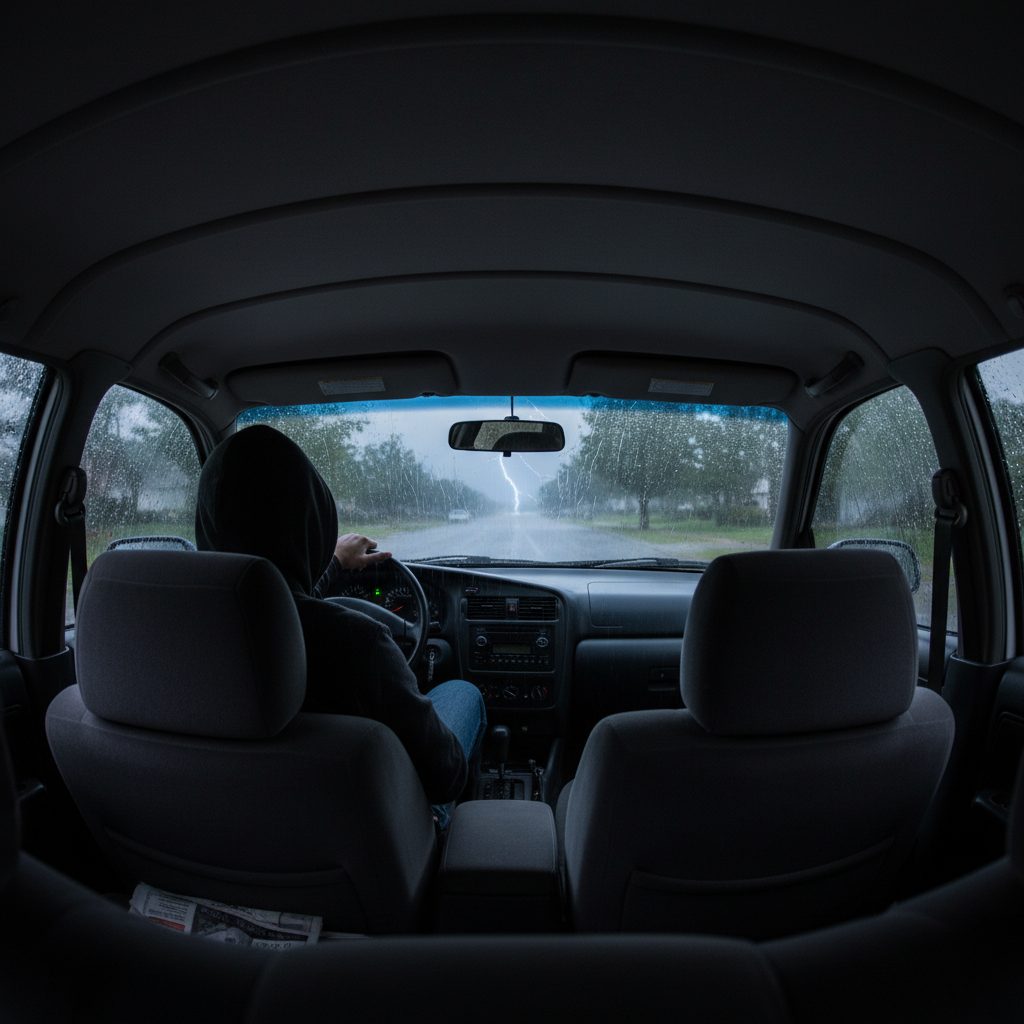
- Cars: Safe, as long as you do not touch the metal frame. The roof and sides act as a Faraday cage.
- Indoor risks: Avoid plumbing (showers, baths, dishes) and corded electronics.
- Highest-risk activity: Soccer, fishing, boating, golf, camping, walking on the beach.
- Where it strikes most: Southeastern U.S., led by Florida (“lightning capital”). Lowest risk: Pacific Coast.
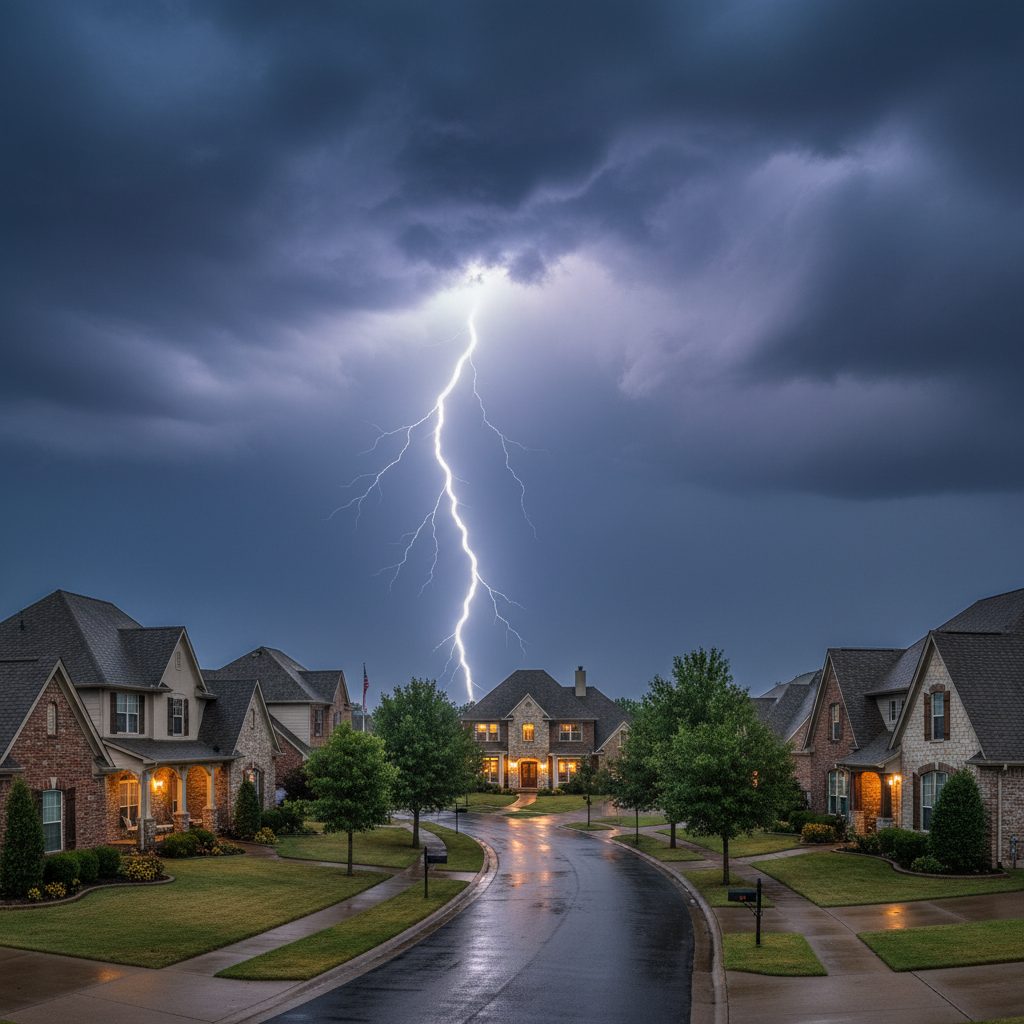
Is it still risky to talk on the phone during a thunderstorm? What about the rest of the advice you grew up with? Come in from your golf game. Don’t stand under a tree. Stay out of the bathtub. You’re protected if you’re riding in a car. Most of what your parents and grandparents told you about lightning still applies. Some of it has gotten more nuanced as technology changed. This is the myth-busting Q&A guide. For the deeper statistics, weather mechanics, and the 30-30 Rule, see our sibling page on Lightning Safety.
Is It Safe to Talk on Your Phone in a Thunderstorm?
“On June 28, 1901, my great-grandfather Henry Delaney made the fatal mistake of speaking on the telephone during a thunderstorm. The powerful current came into the house over the wire, and the circuit to the ground was completed through his body, instantly killing him.” So read several newspaper accounts of his death.
In 1901, telephones were a novelty in rural America. Few people in any given town owned one. Almost no one understood the danger of using a copper-wired phone during a storm. Today the picture is different. Wired landlines still pose a real lightning risk, but you are safe on a cellphone. Both the U.S. Centers for Disease Control (CDC) and the National Oceanic and Atmospheric Administration (NOAA) confirm that wireless devices do not provide lightning with a conductive pathway between you and the ground.
That said, the phone is not the whole story. You can be perfectly safe on the phone and still be in mortal danger because of where you are using it. Standing outside on a hill, in a fishing boat, or under a tree puts you in the strike zone regardless of the device in your hand.
How Likely Are You to Be Struck?
Your odds of being struck by lightning in any given year are about 1 in 500,000. Of those struck, about 10 percent die of their injuries, usually from cardiac arrest. About 50 Americans die from lightning each year. Hundreds more are injured. Many factors raise or lower your individual odds. See the current annual statistics on lightning strikes here.

Who Is Most at Risk
According to the CDC, men account for about 85 percent of all U.S. lightning victims. Roughly half of those struck are in the 15 to 34 age group. The pattern reflects activity, not biology. Strikes happen during outdoor work or recreation, and men are statistically more likely to be doing both at the wrong time.
Interestingly, the 30-to-39 age group is the least struck. Researchers attribute this to caregiving: that age cohort tends to have young children, which means greater caution about being outside during storms.
Where the Risk Is Highest
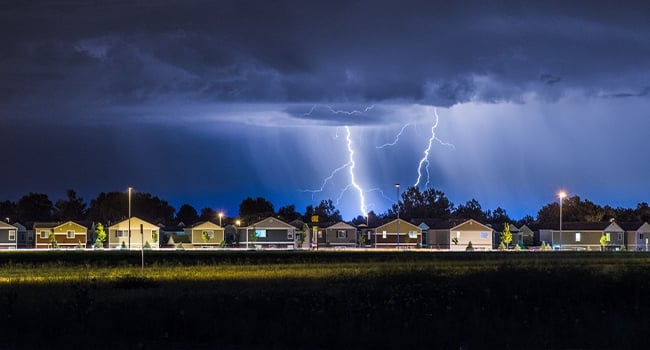
Lightning risk is highest in the southeastern U.S. and falls as you move northwest, with localized exceptions in lightning-prone Rocky Mountain corridors. Florida is the global capital: it has accounted for nearly 2,000 injuries and 50 deaths over the past 50 years. Other high-strike states include Alabama, Colorado, Georgia, Missouri, New Jersey, North Carolina, Ohio, Pennsylvania, and Texas.
The Most Dangerous Activities
Most lightning fatalities happen in July, followed closely by June and August. Golfers get the popular blame, but the data tells a different story. According to a 2020 Lightning Safety Council study, the most dangerous sport for lightning fatalities over the past 15 years was actually soccer, with roughly twice as many deaths as golf. Beyond sports, the highest-risk leisure activities are fishing, boating, camping, and walking on a beach. Fishing alone accounts for more lightning deaths annually than any other single activity.
For lightning meteorology and the 30-30 Rule, see Lightning Safety. Learn more about heat lightning here.
What Is Safe and What Is Not
Most of what your grandparents told you still holds:
- Cars are safe, but for the right reason. The metal roof and sides act as a Faraday cage and route current around you to the ground. The tires have nothing to do with it. Stay off the metal frame, including door handles.
- Go inside. Avoid wired phones, plug-in electronics, and any appliance connected to an outlet.
- No baths, showers, or doing dishes. Lightning travels easily through plumbing and can transfer through running water.
- Don’t stand under a tree. Lightning prefers high points in open areas. Avoid trees, hills, and ridges. Do not lie or crouch in the open either. Get inside a substantial building or hard-topped vehicle.
- Watch the forecast. Most lightning deaths happen on days where storms were predicted hours in advance.

Frequently Asked Questions
Is it safe to use a cellphone during a thunderstorm?
Yes. Wireless devices do not provide lightning with a conductive pathway between you and the ground. CDC and NOAA both confirm this. Wired landlines, on the other hand, still pose a real risk.
Is a car safe during a lightning storm?
Yes, with a metal roof and metal sides (Faraday cage). The roof and frame route the current around you to the ground. Convertibles and soft-top cars do not offer this protection. Avoid touching the metal frame and door handles while inside.
What is the most lightning-prone state in the U.S.?
Florida. Known as the lightning capital of the U.S. and one of the most lightning-prone places on Earth. Roughly 2,000 injuries and 50 deaths over the past 50 years in Florida alone.
Which sport is most dangerous for lightning?
Soccer. According to a 2020 Lightning Safety Council study, soccer has accounted for roughly twice as many lightning fatalities as golf over the past 15 years. Fishing, boating, and beach walking also rank high.
Is it safe to shower during a thunderstorm?
No. Lightning travels through plumbing and can transfer through running water. Avoid showers, baths, and dish washing during a storm. Wait at least 30 minutes after the last thunder before resuming.
What should I do if I am caught outside during a thunderstorm?
Get to a substantial building or hard-topped vehicle immediately. If neither is available, avoid tall trees, hills, ridges, and water. Crouching in the open is not safe either. Move continuously toward shelter until you reach one.
Related Articles


Jim Kneiszel
Jim Kneiszel is a freelance writer based in De Pere, Wisconsin. He edits a number of trade publications and runs The Word House with his wife, Judy. His article, Infuriating and Frightening Invasive Species appears in the 2021 Farmers' Almanac.
- Jim Kneiszel

- Jim Kneiszel
- Jim Kneiszel
- Jim Kneiszel





My friend was helping her mother can green beans, she was leaning against the electric cooking stove when lightening surged through their house and the electric stove. It damaged her hip, and she had a limp afterwards from that.
WOW! That is incredible. I’m glad she was well after though.
When I was a little kid, Idk, 7 or 8 years old maybe, I remember visiting my Grandparents along with their 12 kids. They lived in a 2-storey home with connecting bedrooms upstairs and a master bedroom on the ground floor. I slept in a single cot in a 2-cot room 3 bedrooms back to the end of the house.
When anticipating lightning storms, the adults would cover all the mirrors in the house with blankets and open the windows. One night I recall seeing a blue light speed from one open window in the centre room and exit thru a window in the first room. Everyone acted as if it was to be expected. I also admit that it may not have been real but I consider it to be a real memory.
Lightning has always been viewed as mystical and unpredictable despite that being my only negative experience, if at all.
As a middle-aged man I canoed the wilderness a bit and had several experiences where I had to go ashore to wait out lightning storms. But only because I’d been taught to do so. I’ve never known personally of someone struck by lightning.
I never believed the one about taking a shower in a storm. I just thought my grandma’s were being paranoid.
Thanks for the safety tips! Reviewing lightning safety is always a great idea.
It really is! Awareness and knowing what to do in these situations will save lives!