
The Cilantro Debate: Why Some People Taste Soap and Others Don’t
Not everyone's a fan. Haters say cilantro tastes like soap. Others can't get enough. Find out what scientists are saying about this pungent herb and why the battle rages on!
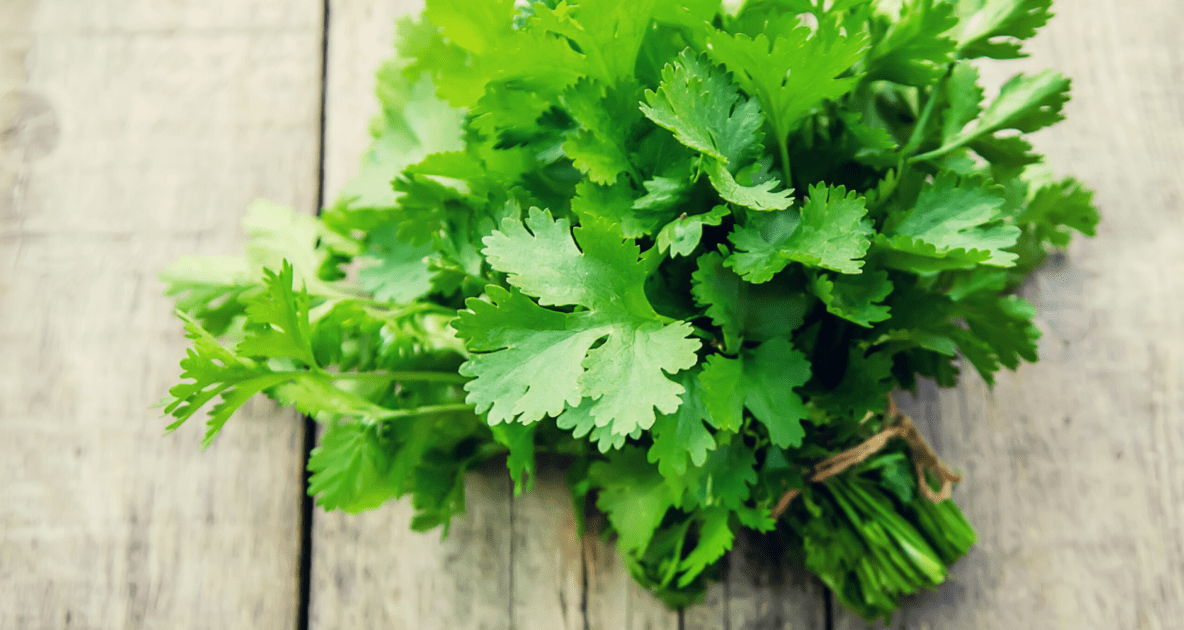
Quick Reference: The Cilantro Debate
- What it is: the green leaves of the coriander plant (Coriandrum sativum), known as Chinese parsley or dhania in much of the world.
- Why some hate it: a variant in the OR6A2 olfactory receptor gene makes a small share of people read cilantro aldehydes as soap.
- Who hates it most: about 4 to 14 percent of people, with the heaviest cluster among European ancestry; lowest dislike rates in South Asia, Latin America, and the Middle East.
- Cilantro vs coriander: in North America, cilantro = leaves, coriander = dried seeds (sweet, citrusy, peppery). Same plant, two flavors.
- Health upside: rich in vitamins A and K (one serving covers more than 200 percent of daily value), plus fiber, potassium, calcium, and iron.
- Quick fix for haters: bruising or finely mincing the leaves breaks down the soapy aldehydes and softens the off note.
There is a deep rift running through the heart of America, and it has nothing to do with red states and blue states. It runs between cilantro lovers and the people who think the herb tastes like dish soap. Both sides feel righteous. Both sides are right, sort of, and the science behind the cilantro debate is more interesting than the food fight suggests.
Cilantro is the North American name for the green leafy part of the coriander plant, a pungent annual herb that grows across the warmer parts of the world. Other names include Chinese parsley and dhania. The entire plant is edible, but most people eat either the fresh leaves (cilantro) or the dried seeds (coriander), which are ground into a powder. Cilantro and coriander are popular staples as both an herb and a spice throughout Asia, Europe, Africa, and the Americas.
As with many other traditional spices, seasoning food with ground coriander acts as a natural preservative. The seeds contain phytochemicals that delay spoiling, which is one reason the spice spread so far along old trade routes (read more in Britannica’s entry on coriander).
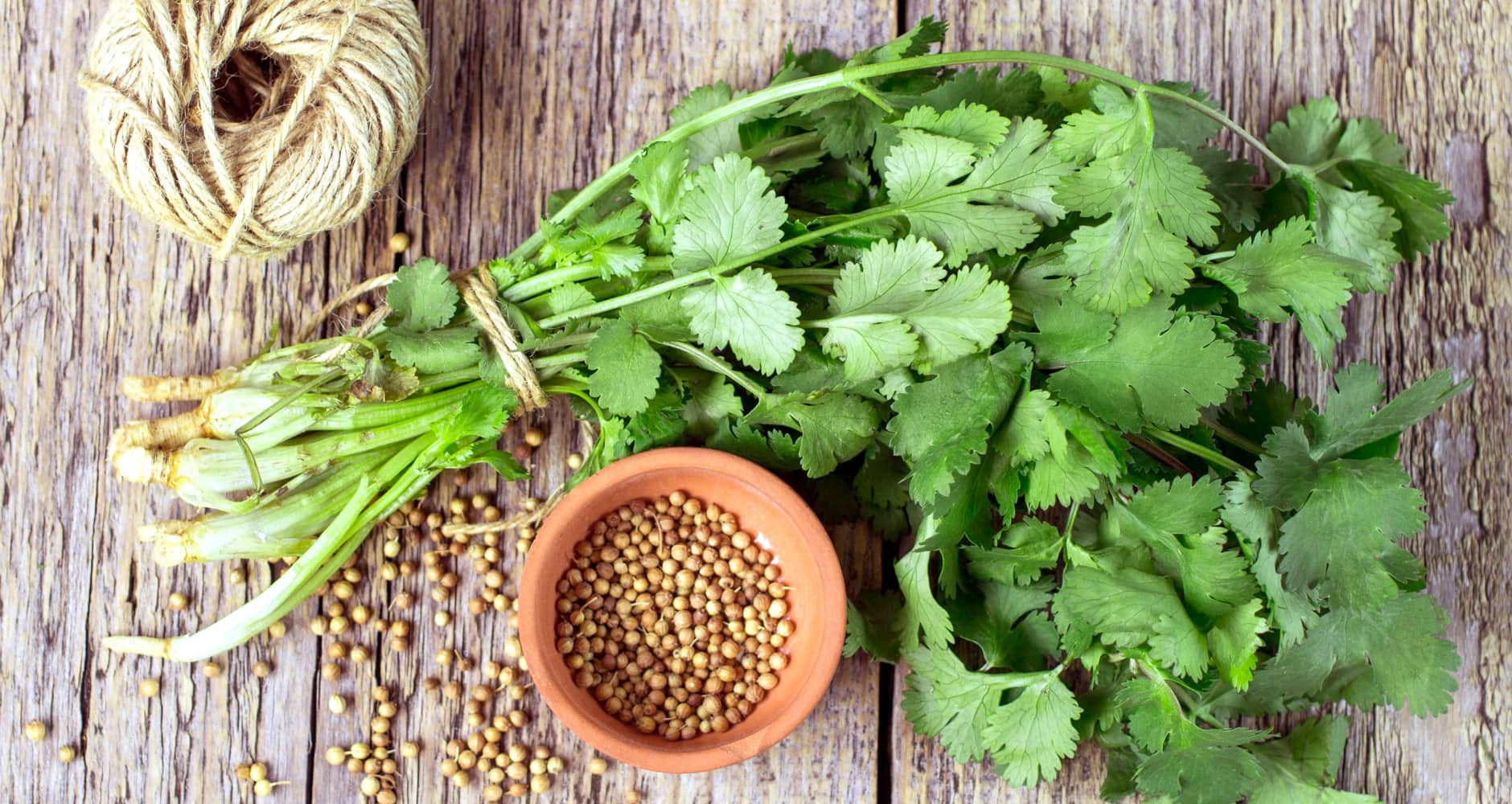
As a spice, coriander tastes sweet, citrusy, and mildly peppery. The flavor profile of fresh cilantro, however, is more controversial.
Cilantro: Love It or Loathe It?
Those who love cilantro call it bright, refreshing, and tangy, the green note that makes a bowl of pho or a plate of tacos sing. Those who hate it, and this latter group is pretty outspoken, say it tastes like soap, bugs, or wet pennies. Both descriptions are honest. The two camps are not eating the same herb in the same way.
Is There A Scientific Reason Why You Hate Cilantro?
Since there weren’t more pressing problems in the world for them to sort out, scientists have figured out the cause behind this intensely partisan debate. People who can’t stand cilantro are probably genetically predisposed to hate it.
The fingerprint sits on a single gene, OR6A2, an olfactory receptor that picks up a class of aldehyde compounds. Cilantro leaves are loaded with those exact aldehydes, the same family found in soaps and certain household cleaners. People who carry the OR6A2 variant smell that match clearly, while everyone else mostly registers the citrus and green notes. A 2012 genome-wide study by the consumer-genetics company 23andMe linked the variant to soap-tasting in tens of thousands of self-reporting eaters.
The split is not even across the world. Surveys of self-reported preferences cluster roughly like this.
| Ancestry / region | Reported cilantro dislike | Likely driver |
|---|---|---|
| European ancestry | about 14 to 21 percent | Highest OR6A2 variant frequency, low childhood exposure |
| African ancestry | about 14 percent | Mixed exposure across cuisines |
| East Asian ancestry | about 7 percent | Common in regional cooking; familiar from childhood |
| South Asian ancestry | about 3 to 7 percent | Daily use in curries and chutneys |
| Latin American ancestry | about 3 to 4 percent | Core ingredient in salsas, guisos, and ceviche |
| Middle Eastern ancestry | about 3 percent | Common in zhug, falafel, kebab plates |
Genes are not the whole story. Habit matters too. People who grow up eating cilantro every week tend to taste it as fresh and green even if they carry the variant. People who first try it as adults, with no childhood context, are more likely to land on soap.
A Small Trick for the Soap Camp
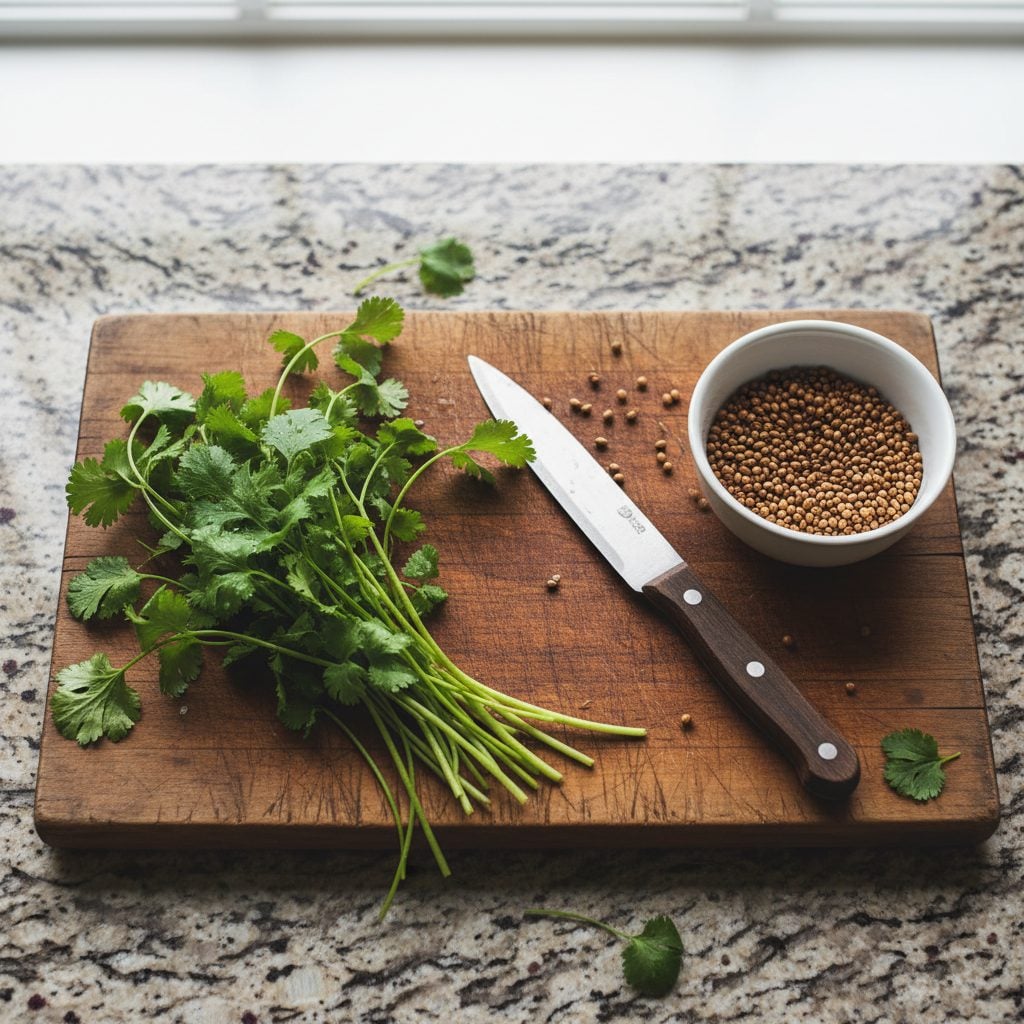
Crushing or finely mincing cilantro releases an enzyme that breaks the aldehydes down into milder compounds. A blender or a sharp chef’s knife and a wet board are enough. Cooks who hate the leaves whole sometimes find they tolerate the herb in a pesto, chutney, or salsa verde where the cells have been pulped. It is not a cure for the OR6A2 reaction, but it softens the edge.
Good News: Cilantro Is Good For Your Health
Love it or hate it, cilantro is great for your health. For one thing, it is packed with dietary fiber, which can reduce bad LDL cholesterol and raise good HDL cholesterol, and with inflammation- and cancer-fighting antioxidants.
It is also rich in minerals like potassium, which helps control heart rate and blood pressure, calcium for strong bones, and iron for red blood cell production, among others.
A great tip for keeping your cilantro fresher longer!
Cilantro is also an excellent source of folic acid, riboflavin, niacin, beta carotene, vitamin C, and is one of the best all-around sources of vitamins A and K, providing more than 200 percent of the recommended daily value of these two vitamins in just one small serving. The herb is said to bind (chelate) heavy metals like mercury, aluminum, and lead and help flush them from the body, though the human evidence on that one is still thin. Even setting that claim aside, the vitamin and mineral profile is strong enough to call cilantro a superfood.
If you hate cilantro, there are plenty of other nutritious greens out there to enjoy. Flat-leaf parsley is the usual swap for the soap camp: similar bright green note, none of the aldehyde sting. If you are among those who love this polarizing plant, the next few recipes are how to love it even more.
Thinking about growing cilantro? Check out these tips!
Cilantro Lime Shrimp Recipe
Cilantro Lime Shrimp Recipe
- 2 tablespoons olive oil
- 1 jalapeño pepper, diced
- 1 pound shrimp, peeled and deveined
- 3 garlic cloves, sliced thinly
- Salt to taste
- 1/4 cup chopped cilantro
- 2 tablespoons lime juice
- 2 cups cooked rice
Allow a large pan to sit over high heat for one minute, then add oil.
Add the pepper to the pan, toss to coat with oil, and cook for 30 seconds.
Add the shrimp and garlic, toss to coat with oil, and sprinkle with salt.
Allow the shrimp to become lightly seared before tossing again
Stir-fry for about 2 minutes. Remove from heat.
Mix in the cilantro and lime juice. Serve over rice.
Cilantro Pesto
- 2 cups fresh cilantro, chopped
- 6 cloves garlic, minced
- 1/4 1/4 grated Parmesan cheese
- 1/2 teaspoon cayenne pepper
- 1/2 cup walnuts
- 1/2 cup olive oil
Directions:
Place cilantro, garlic, vinegar, Parmesan cheese, cayenne pepper, nuts, and salt in the bowl of a food processor or blender and pulse to combine. Add 1/4 cup of olive oil, and blend. Continue adding olive oil and blending until the pesto reaches your desired consistency.
Check out this viral video of a cook chopping cilantro. So satisfying!
From the Almanac kitchen to your zip code
Planting cilantro this season? Time it to the cool weeks.
Cilantro bolts the second a hot stretch sets in. The Farmers’ Almanac extended forecast tells you when your last cool window closes so the leaves stay on the plant.
Cilantro FAQ
Why does the cilantro debate split so cleanly between lovers and haters?
A variant of the OR6A2 olfactory receptor gene reads cilantro’s aldehyde compounds as the same scent family found in soaps. Carriers smell soap; non-carriers smell citrus and green herbs. The split is partly genetic, partly cultural exposure during childhood.
What is the difference between cilantro and coriander?
In North America, cilantro is the fresh leaves of the plant, and coriander is the dried seed, ground into spice. The leaves taste bright and citrus-soapy, the seeds taste warm, sweet, and faintly peppery. In the UK and most of the world, “coriander” covers both.
What can I use instead of cilantro?
Flat-leaf (Italian) parsley is the standard swap, especially for garnish. For Mexican and Tex-Mex dishes, try a half-and-half mix of parsley and a pinch of lime zest. For Southeast Asian cooking, Thai basil or culantro (sawtooth herb) covers the green note without the soap reaction.
Can you train yourself to like cilantro?
Some people can. Repeated exposure, especially in dishes where the herb is crushed into a sauce, can dull the soap perception. Studies of food acceptance suggest 10 to 15 carefully chosen tries are sometimes enough. Others stay in the loathe camp for life. Either is fine.
Is cilantro actually good for you?
Yes. A small serving covers more than 200 percent of the daily value for vitamins A and K, and adds folate, potassium, calcium, iron, and fiber. The aldehydes that make it taste like soap to some people are not harmful.
How do you keep cilantro fresh longer?
Trim the stems, stand the bunch upright in a jar with an inch of water, tent loosely with a plastic bag, and refrigerate. Change the water every two or three days. Stored that way, a bunch holds up two to three weeks.
Why does crushed cilantro taste less soapy?
Bruising the leaves activates an enzyme that breaks down the offending aldehydes. The same chemistry is why cilantro chutney, pesto, and salsa verde are easier on soap-taster palates than a sprinkle of whole leaves on top.
What about you, do you love cilantro or loathe it? Tell us in the comments, and while you are deciding, here is more reading from the Almanac food desk: how to grow cilantro and coriander from one plant, how to keep cilantro fresh in the fridge, and our companion guide on growing fall garlic.
All-Access Membership
Cilantro is one herb. The Almanac garden library is hundreds.
Members get the full archive: planting dates by zip code, frost windows, weekly garden updates, and the printable Almanac for the year ahead.


Jaime McLeod
Jaime McLeod is a longtime journalist who has written for a wide variety of newspapers, magazines, and websites, including MTV.com. She enjoys the outdoors, growing and eating organic food, and is interested in all aspects of natural wellness.
- Jaime McLeod

- Jaime McLeod
- Jaime McLeod
- Jaime McLeod




Unfortunately, it tastes like soap to me. I substitute flat leaf parsley in recipes that call for cilantro. I’m happy that science has given the reason why some of us only taste soap, or worse. It’s not a love/hate thing or a matter of being picky.
Loathe it.
ALERGIC! Feels like it closes my windpipe.
I LOVE Cilantro!!!
Hate is a strong word! Cilantro has no ill effects on me but it tastes like soap. I don’t care for the taste of soap so it makes sense that I wouldn’t like cilantro. I am happy to know that it’s how my taste receptors receive it’s yucky taste that makes me dislike it and not just me being a humbug about trendy things. And that I definitely am. ?
I DETEST CILANTRO!!! It taste like stomach acid to me. Working a restaurant in the southwest has been a challenge.
I like it but only in moderation. If you use too much it tastes like dish soap to me. I’ve had good pico de gallo and some that the cilantro was too overpowering, therefore tastes like soap.
For year I worked as a cashier at Shaw’s and just the pungent rotten smell of it made me sick.
I LOVE, LOVE, LOVE CILANTRO! I LOVE GROWING IT ALSO!
I love cilantro! I dice red onion, fresh plum tomatoes, fresh cilantro, fresh lime juice, and some salt and pepper, and mix it up. I leave hot peppers out, and put them on the side for people who don’t like spicy foods. We love it on tacos. What’s left over I put in omelets, or soups, or salads. I put the stems in a glass with water and it keeps for over a week. I change the water a few times. I like to grow it in my garden!!