

How to Grow Lettuce: Planting, Care, and Harvest
Fast-growing and beautiful in the garden, a lettuce patch will keep you in fresh, delicious salads for the entire growing season.
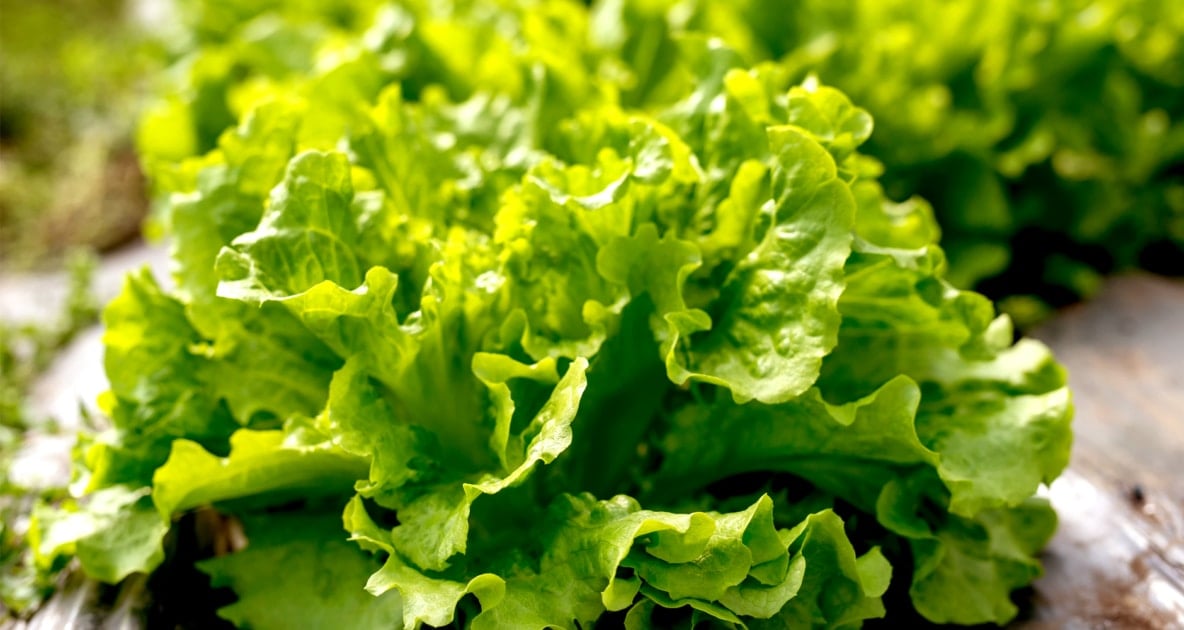
Quick Reference: How to Grow Lettuce
- Season: a cool-season crop. Sow in loose soil as soon as the ground can be worked, or start seeds indoors four to six weeks before your last frost.
- How deep: sow shallow, about 1/4 inch deep. Seedlings emerge in seven to 10 days when kept evenly moist.
- Spacing: thin to the spacing on your seed packet, since it changes by type and variety.
- Soil and light: rich, well-drained soil at pH 6.0 to 7.0, in full sun.
- Types: loose-leaf, romaine, butterhead, and crisphead, ready in roughly 30 to 70 days.
- Keep it coming: sow small crops every two weeks for a steady supply, and shade plants in summer heat to slow bolting.
Fast-growing and beautiful in the garden, a lettuce patch will keep you in fresh, delicious salads for the entire growing season. You do not need much room or much patience. Lettuce is one of the quickest vegetables you can grow, and a tidy bed of leaf and head lettuce can go from seed to salad bowl in a matter of weeks. This 2026 season is a fine time to start, whether you are sowing a row in the garden or a few seeds in a pot by the back step. Here is how to grow lettuce from seed to harvest.
When to Plant Lettuce
Lettuce grows best in cool temperatures, so timing is everything. Start lettuce seeds indoors four to six weeks before the last frost for an early jump on the season. You can also sow directly in loose, average soil after the danger of frost has passed, as soon as the ground can be worked. Kept evenly moist, seedlings will emerge in seven to 10 days. Because lettuce is a cool-season crop, the calendar date shifts with your region, but the trigger is the same everywhere: cool soil and the first window after the ground thaws.
For a deeper look at timing, soil, and variety, the University of Maryland Extension keeps a plain-English guide to growing lettuce you can match against your own ground.
In Canada, gardeners in British Columbia and southern Ontario often sow from early to mid spring, while the Prairies, Quebec, and the Maritimes wait until the soil thaws and warms in late spring. A fall sowing works in most regions once the worst of the summer heat passes.
Gardening by the Moon for Lettuce
Lettuce grows above the ground, which makes it an above-ground crop. Traditional Gardening by the Moon wisdom says to plant above-ground crops during the light, or waxing, of the Moon, the stretch between the new Moon and the full Moon. Root crops like carrots and potatoes go in during the dark, or waning, of the Moon instead.
- Lettuce is an above-ground crop. Favor the light of the Moon for sowing.
- The Farmer’s Almanac Gardening By the Moon Calendar lists this month’s Best Days to plant leafy crops in your area.

Types of Lettuce to Grow
Lettuce comes in four main types, and each one fits a different spot in the garden and the salad bowl. Days to maturity run roughly 30 to 70 days, with loose-leaf the quickest and the heading types taking longest.
- Loose-leaf: the easiest and fastest, ready in about 30 to 45 days. It forms no head, so you can pick outer leaves as they grow and let the plant keep producing.
- Romaine: upright, sturdy leaves in a loose head, ready in about 55 to 70 days. It handles heat a little better than the other heading types.
- Butterhead: soft, loosely folded heads such as Bibb and Boston, ready in about 50 to 65 days, with a mild, buttery leaf.
- Crisphead: the tight, crunchy heads like iceberg, ready in about 60 to 70 days. It is the fussiest about cool weather and the longest to mature.
How To Plant Lettuce
Start: Start lettuce seeds indoors four to six weeks before the last frost. You can also sow directly in loose, average soil after the danger of frost has passed, as soon as the ground can be worked. Sow the seeds shallow, only about 1/4 inch deep, since lettuce needs light to germinate. Kept evenly moist, seedlings will emerge in seven to 10 days. Space and thin plants according to the specific directions of the variety you are growing. Lettuce can be grown in small, rotating crops planted every two weeks to keep an abundant supply of this fast-growing veggie.
Water: Keep soil evenly moist. Give lettuce a deep watering at least once a week. Shallow roots dry out fast, so do not let the bed bake between waterings.
Soil: Lettuce loves rich, fertile, well-drained soil with plenty of organic matter. Aim for a pH of 6.0 to 7.0.
Light: Full sun. In the hottest part of summer, a spot with afternoon shade keeps the leaves tender.
Fertilize: Once seedlings emerge, choose a well-balanced fertilizer with equal parts nitrogen, potassium, and phosphate. If using a granular type fertilizer, look for 10-10-10 or 5-5-5 mixtures (nitrogen, phosphate, and potassium). Scatter granules around the plants, but do not allow it to touch the seedlings. Then water well.
Harvest: Harvest lettuce when it is young to avoid tough, bitter leaves. Loose-leaf varieties can have leaves picked as they become large enough. For heading types, cut the whole head once it firms up.
Notes: Lettuce grows best in cool temperatures. During the height of summer, grow lettuce in a sheltered area to keep it from bolting.
Keep Lettuce From Bolting
Bolting is when a lettuce plant sends up a tall flower stalk and stops making good leaves. The leaves turn bitter once that happens, so the goal is to delay it. Heat and long summer days are the main triggers, which is why lettuce is a cool-season crop. During the height of summer, grow lettuce in a sheltered area or a spot with afternoon shade to keep it from bolting. Keeping the soil evenly moist and harvesting young also buys you more time before the plant gives up on leaves.
Succession Planting for a Steady Supply
One big sowing gives you one big glut, then nothing. The fix is succession planting. Sow a short row every two weeks rather than all at once, and you will pick fresh lettuce for months instead of all in a single week. Because loose-leaf lettuce matures fastest, it is the best choice for these rolling crops. For a closer look at the method across the whole garden, see our companion planting guide for crops that share a bed well with lettuce.
Growing Lettuce in Containers
Lettuce is shallow-rooted, which makes it one of the easiest crops for pots, window boxes, and patio planters. A container six to eight inches deep holds plenty of loose-leaf lettuce, and you can move it into afternoon shade when the heat climbs. Use a good potting mix, keep it evenly moist, and pick the outer leaves as you need them. For more crops that thrive in pots, see our list of the 10 easiest fruits, vegetables, and herbs to grow in pots.

Helpful Lettuce Growing Links
Farmer’s Almanac Gardening By the Moon Calendar
Companion Planting: 10 Veggies That Should Grow Together
10 Easiest Fruits, Vegetables, and Herbs to Grow in Pots
How to Grow Lettuce: Frequently Asked Questions
When should I plant lettuce?
Lettuce is a cool-season crop, so sow it early. Start seeds indoors four to six weeks before your last frost, or sow directly in loose soil as soon as the ground can be worked in spring. Many regions get a second crop in late summer or fall once the worst heat passes.
How deep should I plant lettuce seeds?
Sow lettuce seeds shallow, only about 1/4 inch deep, because they need light to germinate. Keep the soil evenly moist and seedlings will emerge in seven to 10 days. Thin and space the plants according to the directions for the variety you are growing.
How long does lettuce take to grow?
Most lettuce is ready in about 30 to 70 days. Loose-leaf is the fastest at roughly 30 to 45 days, romaine and butterhead fall in the middle, and crisphead types like iceberg take the longest at about 60 to 70 days.
What are the main types of lettuce?
There are four main types: loose-leaf, romaine, butterhead, and crisphead. Loose-leaf forms no head and lets you pick outer leaves as it grows, romaine makes upright heads, butterhead forms soft folded heads, and crisphead makes the tight, crunchy heads such as iceberg.
Why is my lettuce bolting, and how do I stop it?
Bolting is when lettuce sends up a flower stalk and the leaves turn bitter. Heat and long summer days trigger it. To slow bolting, grow lettuce in a sheltered area or afternoon shade during the height of summer, keep the soil evenly moist, and harvest the leaves while they are still young.
How often should I water lettuce?
Keep the soil evenly moist and give lettuce a deep watering at least once a week. Because the roots are shallow, the bed should not dry out completely between waterings, especially in warm weather when dry soil pushes the plant toward bolting.
Can I grow lettuce in containers?
Yes. Lettuce is shallow-rooted, so a pot or window box six to eight inches deep works well, especially for loose-leaf types. Use a good potting mix, keep it evenly moist, and move the container into afternoon shade when summer heat sets in.


This article was published by the Staff at FarmersAlmanac.com. Any questions? Contact us at [email protected].
- Farmers' Almanac Staff

- Farmers' Almanac Staff

- Farmers' Almanac Staff

- Farmers' Almanac Staff




Plant lettuce in the cool season. Fall. Winter. Spring. With successive seeding and some protection, lettuce will survive winter cold snaps and supply an abundant harvest for months on end. In northern latitudes you need more protection and in the sunny south grow outside in full sun with occasional protection from cold snaps. Frost just makes it sweeter.
Can lettuce and spinach grow together?