

Birth Month Herbs: Find Yours by Month
Quick Reference: Birth Month Herbs at a Glance
Twelve herbs, one for each birth month, with the trait the herb is tied to and the zodiac pair it bridges.
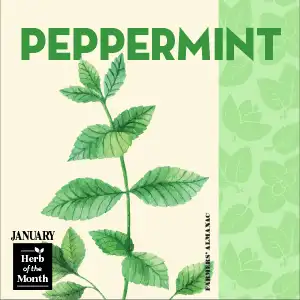
- January (Capricorn-Aquarius): Peppermint, for clarity and a winter pick-me-up.
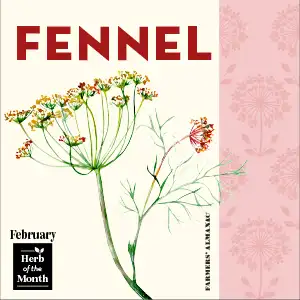
- February (Aquarius-Pisces): Fennel, for courage, protection, and rebirth.
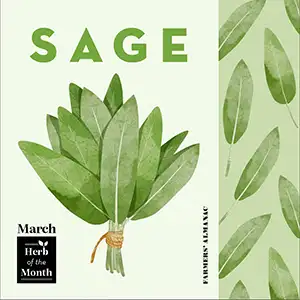
- March (Pisces-Aries): Sage, for wisdom and purification.
- April (Aries-Taurus): Rosemary, for protection, strength, and memory.
- May (Taurus-Gemini): Thyme, for courage and strength.
- June (Gemini-Cancer): Lavender, for calm and good sleep.
- July (Cancer-Leo): Parsley, for freshness, vitality, and purification.
- August (Leo-Virgo): Chamomile, for tranquility and rest.
- September (Virgo-Libra): Dill, for rejuvenation and good fortune.
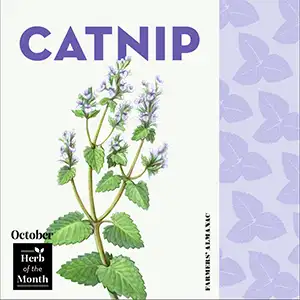
- October (Libra-Scorpio): Catnip, for calm and spiritual focus.
- November (Scorpio-Sagittarius): Cayenne, for heat, energy, and transformation.
- December (Sagittarius-Capricorn): Basil, for abundance and a warm hearth.
You already know your birthstone and your birth flower. The almanac tradition has one more layer: a birth month herb. Each month carries a plant that, by old custom, sits close to the traits of that month’s zodiac pair, lavender for June calm, cayenne for November fire, basil for the December hearth. This guide walks all twelve, with the folklore, the kitchen use, and a tip for growing each one at home.
What Are Birth Month Herbs?
A birth month herb is the plant matched to the month you were born, in the same way a birth flower or birthstone is. The pairing is part folklore, part herbalism, and part astrology. The idea is that certain herbs resonate with the traits of each zodiac sign, and that growing, cooking with, or simply keeping one close can support what you already lean toward.
You do not have to take that on faith to enjoy the list. Every herb here has a real culinary use, a real growing season, and a real place in folk medicine. The zodiac frame is the storytelling layer on top.
The History of Birth Herbs
Pairing herbs to months and to people is old work. Medieval European herbalists kept “herbs of the month” lists in monastery gardens, planting and harvesting by saint days and the moon. Almanacs, including ours, have carried “herbs of the month” calendars for centuries, telling readers what to sow, what to cut for drying, and what to brew.
The astrological link came in through writers like Nicholas Culpeper, whose Complete Herbal of 1653 assigned a ruling planet, and through it a zodiac sign, to nearly every herb in the English garden. Rosemary belonged to the Sun. Lavender belonged to Mercury. That mapping, planet to herb to month, is the spine of the birth month herb tradition you see today.
Birth Month Herbs by Month
“The connection between herbs, birth months, and zodiac signs is rooted in the belief that certain plants resonate with the inherent traits of each astrological sign. Some also believe certain herbs can enhance positive qualities or address common challenges associated with those signs. What do you believe? Share your thoughts with the FA community in the comments!
January: Peppermint
January sits in the dead middle of Northern Hemisphere winter, and energy runs thin. A warm mug of peppermint tea is the simple lift, sharp on the tongue, clearing in the head.
- Peppermint’s crisp, clean scent brings a sense of freshness and clarity to dreary winter days.
- The invigorating, clarifying quality of peppermint lines up well with the focused nature of Capricorn and the innovative spirit of Aquarius, making it a fitting herb for January.
- Growing tip: Peppermint is a hardy perennial that spreads fast. Grow it in a container so it does not take over the bed. Partial sun, moist soil, and you can clip leaves all season.
- In the kitchen: Steep a small handful of fresh leaves in hot water for tea. Chop into yogurt, lamb dishes, or summer fruit salads.
February: Fennel
Fennel is the courage herb. Folklore ties it to strength, protection, purification, and a quiet promise of rebirth, all useful frames for late winter.
- Fennel contains compounds that may be calming and support Aquarius’s innovative thinking, helping them keep focus on their humanitarian goals.
- The courage that fennel represents can help Aquarius in the fight for what they believe is right.
- Fennel’s protective and purifying qualities are useful for the sensitive Pisces nature, helping shield against negative energies.
- Growing tip: Full sun, deep loose soil. Fennel resents being moved, so direct-sow seeds where you want the plant to stay. Do not plant near dill or coriander, they cross-pollinate.
- In the kitchen: The bulb roasts sweet, the fronds finish a fish dish, the seeds flavor sausage and bread.


March: Sage
Sage, a flavorful ingredient in cooking, is believed to be particularly important for those born in March (Pisces-Aries) as it relates to wisdom, purification, and protection.
- “Sage” comes from the Latin word salvere, which means “to be saved.”
- Often used in spiritual practices like smudging, a time-honored method that cleanses places, items, and people with its smoke.
- Alternative March herbs include: mugwort, basil, lemon balm, and borage.
- Growing tip: Full sun, well-drained soil, a little gravel mixed in. Sage hates wet feet. A single plant will hold for three to four years before it goes woody and wants replacing.
- In the kitchen: Fry whole leaves in butter for ravioli, rub the chopped herb into pork, drop a sprig into the Thanksgiving stuffing.
Any questions? Contact [email protected]
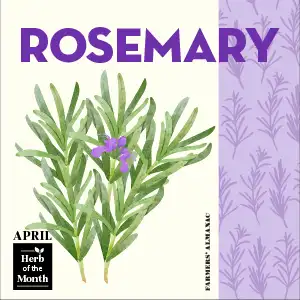
April: Rosemary
Rosemary adds a rich flavor to meats, vegetables, and soups, and is believed to be especially important for those born in April (Aries-Taurus) as it relates to protection, strength and determination.
- The scent of rosemary is believed to strengthen your memory.
- Often used in wedding decorations and headpieces as a symbol of remembering one’s past life, rosemary is also used in funerals as a way to say goodbye.
- Alternative April herbs include: basil, nettle, chervil, wormwood, and geranium.
- Growing tip: Full sun, sandy soil, very little water once established. In USDA zones 7 and warmer it lives outside year-round. Farther north, grow it in a pot and bring it in for winter.
- In the kitchen: Lay sprigs under a leg of lamb, tuck into roast potatoes, steep into shortbread or simple syrup.
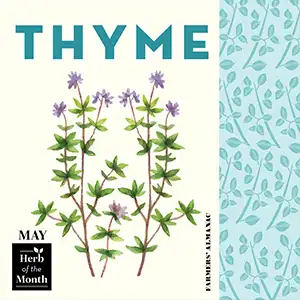
May: Thyme
Thyme adds a savory touch in the kitchen, and also symbolizes courage and strength, valued characteristics of those born in May (Taurus-Gemini).
Thymol may still be found in mouthwashes and toothpastes today.
Before antibiotics existed, thymol (from thyme oil) was applied to bandages in folk medicine.
- Growing tip: Full sun, dry rocky soil, light hand on the watering can. Thyme is a low creeper that does well in cracks and along garden edges.
- In the kitchen: Strip the tiny leaves off woody stems and add to roasts, stews, bean dishes, and slow tomato sauces.
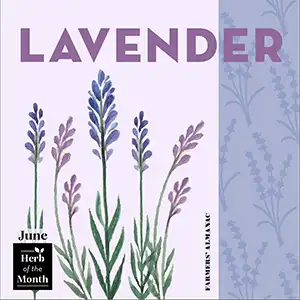
June: Lavender
Lavender symbolizes calmness, relaxation, and tranquility, making it an ideal herb for those born in June (Gemini-Cancer).
A member of the mint family, lavender is a popular and fragrant perennial plant that adds aroma and beauty to any garden.
- Lavender gets its name from the Latin verb lavare, meaning “to wash,” because of its use in baths to cleanse the body and spirit.
- Today lavender is commonly added to soaps and shampoos.
- Popular as an essential oil, lavender has calming properties that may reduce anxiety and aid sleep.
- In ancient times, lavender flowers were commonly sewn into sachets to help the sleepless.
- Strip lavender buds off the stems and tuck them into little cloth bags to make your own sachets. Place them in dresser drawers or under your pillow for a relaxing, calming scent.
- Growing tip: Full sun, gravelly soil, almost no fertilizer. Lavender hates rich beds. Prune lightly in spring to keep the plant bushy.
RELATED: Pink Noise for Sleep
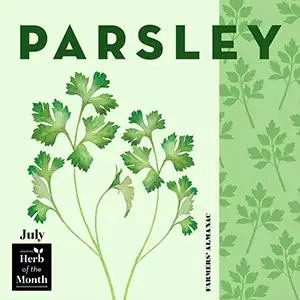
July: Parsley
Much more than a garnish: parsley symbolizes freshness, vitality, and purification, perfect for those born in July (Cancer-Leo).
- Ancient Greeks and Romans crowned their heroes and loved ones with parsley garlands. They also made funerary wreaths with this herb.
- In some cultures today, sprigs of parsley are placed on wedding tables to symbolize fertility and fortune for the newlyweds.
- Growing tip: Partial sun, rich moist soil. Parsley is a biennial that flowers in the second year. Sow new seed every spring for a steady kitchen supply.
- In the kitchen: Chop into tabbouleh, gremolata, chimichurri, salsa verde. A handful at the end of a soup brightens everything in the pot.
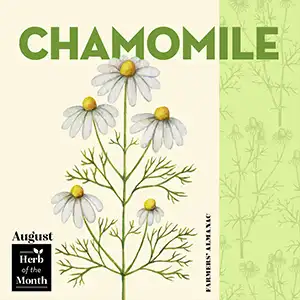
August: Chamomile
Rooted in tranquility, peace, and relaxation, chamomile is perfect for soothing over-thinkers born in August (Leo-Virgo).
- Chamomile comes from the Greek words khamai, meaning “ground,” and melon, meaning “apple,” reflecting its low growing stature and apple-like aroma.
- Used for centuries in herbal remedies, chamomile may relieve anxiety, reduce stress, aid digestion, soothe stomachs, and promote better sleep.
- Chamomile also helps with skin conditions, such as eczema, burns, diaper rash, and acne.
- Chamomile tea can be made from fresh or dried flowers and is a popular beverage that has been cherished for centuries.
- Growing tip: Full or partial sun, light soil. German chamomile self-seeds happily once it gets going. Pinch the daisy-like flowers off in the morning and dry them on a screen for tea.
RELATED: Best Days to Potty Train
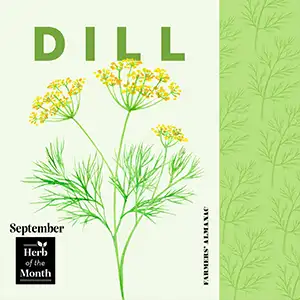
September: Dill
Dill is commonly linked to rejuvenation and security, hallmarks of those born in September (Virgo-Libra).
- Throughout ancient times, dill was believed to ward off evil spirits and protect against curses, its lace-like blooms thought to repel negative energy.
- Many cultures consider dill a lucky charm and use it in traditional ceremonies to attract wealth and good fortune.
- Dill is often included in bridal bouquets.
- In Greek and Norse mythology, dill is connected to strength and was known to be used in love potions.
- Growing tip: Full sun, direct-sow in spring after frost. Dill bolts in heat, so sow a second round in late summer for a fall cutting. Keep away from fennel.
- In the kitchen: Snip fresh fronds into potato salad, yogurt sauces, and salmon plates. The seed heads are the soul of a pickle jar.
RELATED PRODUCT: Good Luck Bracelet
October: Catnip
Well-known for soothing cats, catnip may also have a calming effect on humans (according to HealthLine.com).
- Catnip’s charming flowers are thought to boost tranquility, and are associated with spiritual consciousness, helping connect individuals with heightened states of awareness and aiding in releasing unwanted energies.
- Growing catnip in your garden is said to attract positive vibes and good luck.
- Catnip flowers are often used in meditation practices to improve relaxation and focus.
- In many cultures catnip flowers represent youth and fertility, while portraying love and fleeting beauty in literature and art.
- Growing tip: Full sun, almost any soil. Catnip spreads, so cage it or grow it in a wide pot. Cut back hard after flowering for a second flush of leaves.
- In the kitchen: Dry the leaves for a mild, mint-adjacent tea. Use sparingly, the flavor is grassier than peppermint.
In Greek and Egyptian mythology, catnip is associated with the goddess or god of fertility. In Roman mythology this herb is tied to Venus, the goddess of love.
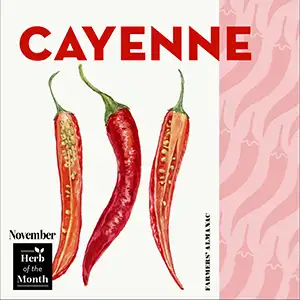
November: Cayenne
Cayenne is a fiery spice, associated with heat, energy, and vitality. A catalyst for change and transformation, cayenne suits those born in November (Scorpio-Sagittarius).
- Across various cultures, chili peppers, including cayenne, are believed to possess protective qualities. They are used to ward off negative energies or entities. Some traditions involve hanging strings of red peppers by doorways to create a barrier against evil.
- Growing tip: Full sun, warm soil, a long season. Start seed indoors six to eight weeks before last frost. Cayenne ripens late summer through early fall and dries well on a string.
- In the kitchen: Crush dried pods into stews, chili, and dry rubs. A small pinch is plenty.
Cayenne is thought to stimulate circulation and metabolism (reported by ClevelandClinic.org).
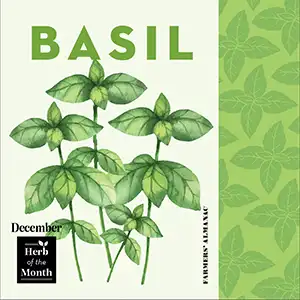
December: Basil
Believed to bring abundance and positive energy, which complements the natural optimism of those born in December (Sagittarius-Capricorn).
Basil also has strong connections with the home and hearth. That ties to both signs: Sagittarians enjoy their travels but also enjoy a warm home to return to, and Capricorns are very much tied to the home and family.
- According to Victorian floriography (the secret language of flowers), basil represented hatred. That association spawned from an old belief that “much cursing was required” to grow basil. People believed that verbally scolding your basil plant encouraged it to grow.
- Growing tip: Full sun, rich soil, steady water. Pinch flower buds off as soon as they appear, that keeps the plant putting energy into leaves. Bring a pot indoors before first frost.
- In the kitchen: Tear leaves over tomato salad, blend into pesto, layer through lasagna, drop into a pot of late-summer soup.
RELATED: 8 Tips for Growing Basil
Growing Your Birth Herb
If you want to keep your birth herb close, growing one plant at home is the easiest start. Most herbs on this list want the same handful of conditions: light, air, and not too much fuss.
- Full sun lovers: rosemary, thyme, lavender, sage, basil, fennel, dill, cayenne. Six or more hours of direct light a day.
- Partial sun lovers: peppermint, parsley, chamomile, catnip. Four to six hours, with afternoon shade in hot climates.
- Container or ground: peppermint, catnip, and basil do well in pots, peppermint especially because it spreads and a container keeps it in check. Lavender, rosemary, and thyme tolerate pots if drainage is good. Fennel and dill prefer a permanent bed because they resent being moved.
- Watering: the Mediterranean group (rosemary, thyme, lavender, sage, oregano) wants dry feet. The leafy group (basil, parsley, chamomile, peppermint) wants steady moisture.
- When to plant: see the Almanac’s Gardening Calendar for Best Days to set herbs, transplant seedlings, and harvest for drying.
Birth Herbs and Birth Flowers
Birth herbs and birth flowers grew up side by side. Both lists came out of the same medieval almanac tradition of pairing plants to months, saints, and astrological signs. The flowers tend to carry the showy folklore, the herbs the practical use. A January reader, for instance, gets the carnation as the birth flower and peppermint as the birth herb. One sits in a vase, the other in a teapot.
If you garden by birthdays, the easiest project is a family garden bed: one section per family member with that month’s herb and birth flower planted together. The Birth Flowers by Month guide walks the flower side of that pairing in detail.

Frequently Asked Questions About Birth Month Herbs
What are birth month herbs?
Birth month herbs are the plants paired by old almanac tradition to each month of the year, in the same way as birthstones and birth flowers. Each herb is tied to the traits of the month’s zodiac pair, and most have a long history in folk medicine and the kitchen.
Where does the birth month herb tradition come from?
From medieval European herbalism. Monastery gardens kept “herbs of the month” lists tied to saint days and the moon. Nicholas Culpeper’s Complete Herbal of 1653 then assigned a ruling planet to nearly every English-garden herb, which over time fed the zodiac-to-herb mapping people use today.
What is my birth herb if I was born in January?
Peppermint. January sits in the heart of winter in the Northern Hemisphere, and peppermint’s clean, clarifying scent is paired with Capricorn focus and Aquarius spark.
Are birth herbs the same as birth flowers?
No. Birth flowers and birth herbs come from the same medieval pairing tradition, but the two lists are distinct. Many readers plant both side by side. The Birth Flowers by Month guide covers the flower side in full.
Do birth month herbs really affect personality or health?
The personality link is folklore, not science. The health claims around herbs like chamomile, peppermint, fennel, and lavender are backed in part by clinical studies, with effects that range from mild to meaningful. Treat the birth-herb idea as tradition and the herb itself as a real plant with real uses.
Can I grow my birth herb indoors?
Yes for most of them. Peppermint, basil, parsley, chamomile, and thyme do well on a sunny windowsill. Rosemary and lavender need stronger light, so a south-facing window or a grow light helps. Cayenne and fennel are tougher indoors because they want a full outdoor season.
When is the best time to plant my birth herb?
Most annual herbs in this list go in after the last frost in spring. Perennials like rosemary, lavender, sage, and thyme can be set in spring or early fall. For exact dates by region, see the Almanac Gardening Calendar.
Join the Discussion
Which birth month herbs are your favorite?
Are you growing any of these herbs this year?
Share your photos and thoughts with your community here in the comments below.


Melissa Mayntz
Melissa Mayntz is a writer who specializes in birds and birding, though her work spans a wide range—from folklore to healthy living. Her first book, Migration: Exploring the Remarkable Journeys of Birds was published in 2020. Mayntz also writes for National Wildlife Magazine and The Spruce. Find her at MelissaMayntz.com.

Natalie LaVolpe
Natalie LaVolpe is a freelance writer and former special education teacher. She is dedicated to healthy living through body and mind. She currently resides on Long Island, New York, with her husband, children, and dog.

This article was published by the Staff at FarmersAlmanac.com. Any questions? Contact us at [email protected].
-
Farmers' Almanac Staff

-
Farmers' Almanac Staff

-
Farmers' Almanac Staff

-
Farmers' Almanac Staff



According to the article, basil is my birth month herb. I’ve tried to grow it multiple times, even with cuttings. It fails every time. I think there are herbs more determined to grow no matter what. The one in my garden that keeps coming back is borage. I planted the seeds a couple years ago so that I could give my bearded dragon a bit of variety in his diet. Other than that, I don’t know what to do with it. It does have some pretty purple flowers when it is blooming.