
6 Natural Rust Remedies That Work (2026)
Is rust taking over? Check out these natural remedies to get rid of rust from your tools and other household items, no harsh chemicals!
Quick Reference
- What rust is: iron oxide. Metal + water + oxygen + time.
- 6 natural rust remedies: mechanical scrub, white vinegar, baking soda paste, raw potato + salt, lemon juice + salt, cola.
- Fastest fix for light surface rust: white vinegar soak overnight, then rinse and dry.
- Best for stuck bolts: cola or white vinegar overnight.
- The rule after every method: rinse with plain water, dry completely, then oil or paint to seal.
- Sources: Farmers’ Almanac household-tips archive, reader letters, basic chemistry references.
Rust: you find it on your bike handles, your tools, your pipes, and your car, especially after a rainy fall or snowy winter. Is there anything that can be done to get rid of it? Yes. Six rust remedies below cover most household jobs, all using items you probably already have on the shelf, and none of them depend on the toxic chemicals that come in commercial rust-removal sprays.
What Is Rust?
Rust occurs when metal faces prolonged contact with water and combines with oxygen in a process called oxidation. The process corrodes the metal, dissolving it into the chalky reddish-brown substance known as rust. Chemically, it is mostly iron(III) oxide. Aluminum, copper, and stainless steel oxidize too, but they form a thin protective skin and do not flake away the way mild iron and ordinary steel do. For a fuller chemistry walkthrough, see the Britannica entry on rust.
The best way to deal with rust is to prevent it by keeping metal surfaces dry. Of course, this is not always possible. You could buy rust removal products containing toxic chemicals that are both bad for the environment and dangerous to keep around young children and pets. But there are many safer solutions, and you probably already have everything you need for them at home. Here are six safe and easy rust-removing tricks to get you started.
6 Easy Ways to Remove Rust
- Scrub. A good place to begin is simply scrubbing the rusty surface with steel wool, sandpaper, a wire brush, or even a crumpled ball of tin foil. If the metal has not rusted too deeply, a little elbow grease will go a long way. Even if the rust is deep, it is a good idea to eliminate outer flakes first, before using other methods.
- White vinegar. For more stubborn rust, try white vinegar. The acetic acid in this common household product is acidic enough to dissolve rust. You can soak smaller things like earrings, wipe it onto a surface with an old cloth, or pour it directly over rust spots or bolts and screws that have rusted together. Rinse items thoroughly after the rust has dissolved, since vinegar left on the metal can damage the surface.
- Baking soda is great for cleaning lots of household messes, but have you ever tried it on rust? Make a paste by mixing it with water, thick enough to stick to the rusted surface. Let it sit for a while and then scrub it off with steel wool or a wire brush. You may have to repeat this process a few times.
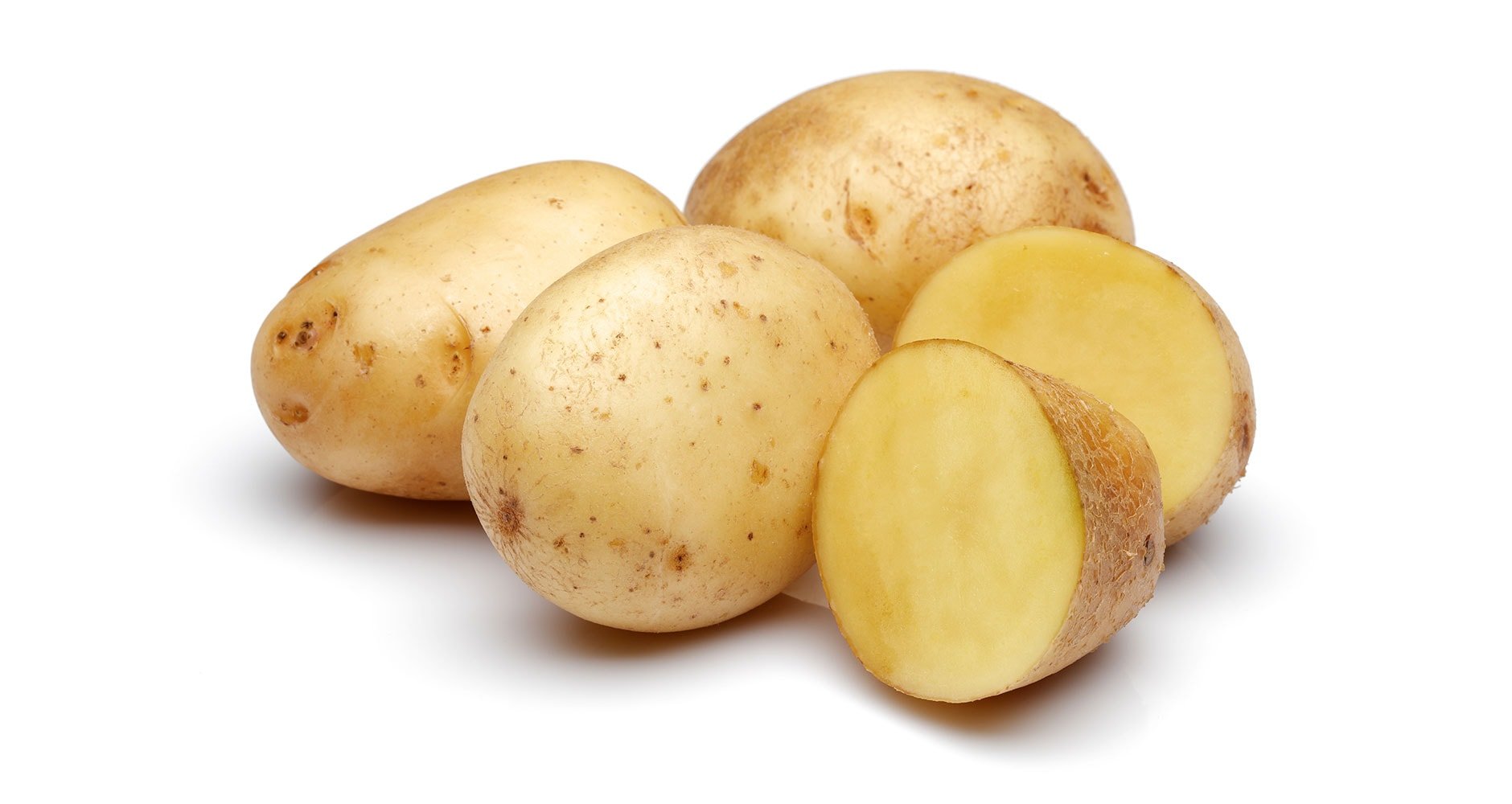
- Spuds to the rust rescue. Have an extra potato lying around? You can use a slice of it to scrub rusted surfaces. This works especially well for knife blades, pots, and pans. Sprinkle a little salt or baking soda onto the raw potato and then rub it over the rust spot, or insert the knife into a potato and let it sit. The oxalic acid in the potato helps dissolve the rust.
- Lemon juice can also dissolve rust. Sprinkle some coarse salt onto the rust, then add lemon juice. Do not let it sit too long, or it might cause damage. Wipe off the juice and rinse. Try mixing lemon juice with a little vinegar for an extra-strong solution. Not only will you be rust-free, but whatever you are cleaning will smell like citrus.
- Does cola really remove rust? If you have ever dropped a penny in a glass of cola, you were probably impressed (or alarmed) that the penny came out clean. Cola and other soft drinks contain high levels of phosphoric acid (a common ingredient in store-bought rust removal products) and can be used for rusted nuts and bolts or even corroded battery terminals. It can be quite a challenge to clean up since it is so sticky, so you may want to try a different method first.

Which Remedy for Which Job
| Item | Best remedy | Notes |
|---|---|---|
| Cast iron skillet | scrub + potato + salt | re-season with oil afterward |
| Garden tools (shovel, hoe, pruners) | vinegar soak overnight, then wire-brush | oil the metal once dry |
| Bike chain | vinegar wipe, scrub, lubricant | replace if deeply pitted |
| Knife blades | potato + baking soda | gentle, no harsh abrasion |
| Stuck bolts and screws | cola or vinegar, soak overnight | protect surrounding paint |
| Lawn furniture frames | scrub + vinegar, then prime and paint | prevents return |
| Car battery terminals | baking soda paste | disconnect first; rinse with water |
| Jewelry (earrings, chains) | vinegar soak, short, then polish | not for gemstone settings |
After You Remove the Rust
Once you have finished, rinse and dry all surfaces completely. If you leave items wet, they will just rust again. You may want to prime and repaint things like bicycles, lawn furniture, or any surface that will face continuous exposure to wet weather. Check bikes (especially the chains) for damage deep rust might have caused before you start using them again. Coat clean tool heads with a light film of mineral oil before storage, and hang them off the floor rather than leaving them touching damp concrete. The Almanac’s long-range forecast can help you pick the season window for repainting jobs that need a dry stretch.
Check out this clever tip to prevent rust from forming on your garden tools.
Rust Prevention That Lasts
- Dry storage: tools off the floor of the shed, bikes under cover, lawn furniture cushioned or stacked under a tarp.
- Oil film: a wipe of mineral oil, WD-40, or 3-in-1 on tool heads in the fall stops moisture from settling.
- Paint and prime: bare metal that has lost its factory finish rusts fast. Spot-prime any chip in lawn furniture or fencing the same season it appears.
- Salt management: on the coast or in a road-salt belt, rinse bicycles, cars, and tools with fresh water after each exposure.
- Cast iron pan rules: hot water only, no soap, and dry on a warm burner before a thin oil wipe. The seasoning layer is the rust shield.
- Cars: spring undercarriage rinse after the last snow, and a winter wax in late autumn. Cross-reference our deice a frozen windshield guide for the rest of the winter-car kit.

Frequently Asked Questions
What are the best natural rust remedies?
Mechanical scrubbing, white vinegar, baking soda paste, raw potato with salt, lemon juice with salt, and cola. All six are kid- and pet-safe compared with commercial rust removers.
Does vinegar really remove rust?
Yes. The acetic acid in white vinegar dissolves iron oxide. Soak smaller items overnight, then rinse and dry. Do not leave vinegar on the metal after the rust is gone.
Why does a potato work on rust?
Raw potatoes contain oxalic acid, which loosens iron oxide. The added salt or baking soda gives a mild abrasive. Best on knife blades and cast iron.
How does cola dissolve rust?
Phosphoric acid, the same acid used in commercial rust removers. Best for stuck bolts or corroded battery terminals. Sticky cleanup is the downside.
Will rust come back after I remove it?
Yes, unless you dry the surface fully and either oil it, prime and paint it, or store it dry. The chemistry of oxidation does not care that you cleaned the metal once.
Can I remove rust from a cast iron skillet?
Yes. Scrub with steel wool or a potato and salt, rinse, dry over heat, then re-season with a thin oil coat and a hot oven cycle.


Kristen Hewitt
After graduating from Bates College in 2009, Kristen attended the Salt Institute for Documentary Studies in Maine. She lives in Western Massachusetts where she works at Orion magazine."
- Kristen Hewitt

- Kristen Hewitt
- Kristen Hewitt




What brought me here? ?? Smoking inside the air fryer caused by a dirty burner. I cleaned the inside real good with a natural mixture of water, white vinegar, and dish soap. Works great! You should try. Then, I found the upper inside were the burner is located rusty. I am trying the baking soda paste method and letting rest…. And then to scrubbing ?. Yayyy!!
I have a 800 gallon stainless steel fresh water holding tank. Everytime I fill I have Rusty water. Any suggestions?. Needs it to be pet and human safe to drink, cheap as available. Thank you
Try the vinegar method
What’s the best way to get rust of a safe key?
Try the vinegar or Coke method
Hey guys looking for a n effective way to clean rust from an engine block
The Coke cola method works great
I Purchased a golf bag at a thrift store and the screws on the golf bag are rusted. How can I get the rest off without damaging the golf bag itself
yep
How can I best remove rust that has shown up under our stainless steel kitchen sink?
Hi Marilyn, you’re saying the rust is under the sink rather than at the bottom of the sink? Baking soda works well: make a paste and scrub with a brush, then wipe with a cloth.
Lemon Juice and Vinegar and scrubbing hard with a toothbrush (all I have available right now) is actually working on rusty vintage screws for an early 1970’s lucite table base I have!!! Hard finger work though… persistence and determination is key!
Soak with strong vinegar. Undiluted is best. Lemon Juice
Just used coke , white vinegar and baking g soda on an old birdbath …..make sure you do outdoors and watch out as this will foam over and smoke a little bit o I’m sure the fumes are not good for you I’ll scrub it next!
The “ fumes” are just a natural reaction from mixing vinegar with baking soda. It’s harmless! ?
Power Washing is the best way to get rust off metal.
You can spray WD-40 or PB Blaster into the threaded shaft that the handle is attached to and it will loosen it. A baking soda paste can soften the exterior rust on the object itself and then be scrubbed with a wire brush or steel wool to remove the rust.