
Dandelions and 5 More Plants That Predict the Weather
Quick Reference
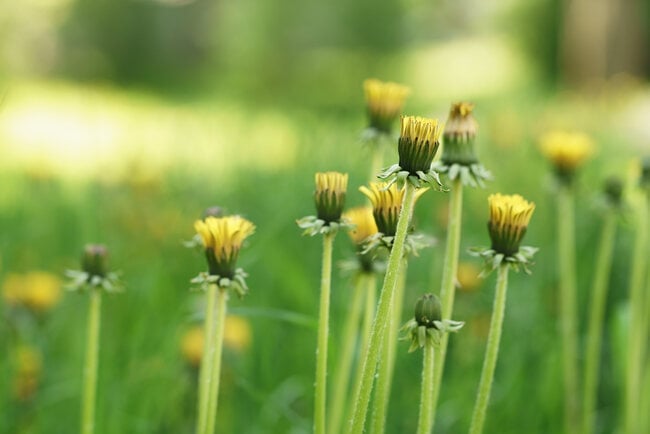
- Dandelions: Close when rain is near; open in dry weather.
- Scarlet Pimpernel: The “poor man’s weather glass.” Folds when humidity hits about 80%.
- Pine cones: Open scales in dry air; closed in damp.
- Earthstar fungus: Open in rain; curls closed as skies clear.
- Seaweed: Plump and damp before muggy weather; shriveled in dry.
- Rhododendron: Leaves droop at 32°F, curl tightly at 20°F.
Did you know there are plants that predict the weather? Some of the most accurate short-range weather indicators on Earth are not in your phone but in your yard, on your beach, or under your feet. Dandelions, scarlet pimpernels, pine cones, earthstar fungi, seaweed, and rhododendrons all respond to changes in humidity, pressure, and temperature in ways you can read at a glance. Here are six plant forecasters and the science behind each.
Dandelions
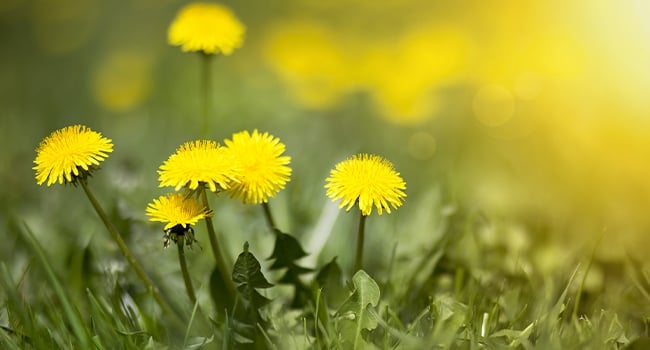
Despite their reputation as pesky lawn weeds, dandelions are among the most accessible plants that predict the weather, since you can find them almost everywhere. Like scarlet pimpernels, they close their petals when they detect moisture and reopen when the air dries. The closing is a defense: it protects the dandelion’s pollen from rain damage and keeps the flower’s reproductive parts dry until pollinators return. Learn more about dandelions.
Scarlet Pimpernel
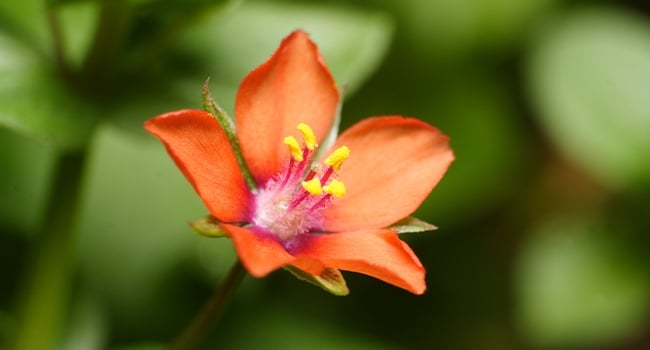
The scarlet pimpernel is such a reliable forecaster that it has been nicknamed the “poor man’s weather glass.” Its blooms stay open in full sun, but when skies turn cloudy or humidity reaches about 80 percent, they fold up like little rain-shy umbrellas. They do this to keep their pollen dry and their nectar from being diluted. A walk through a sunny field where pimpernels are suddenly closed is a near-certain rain signal.
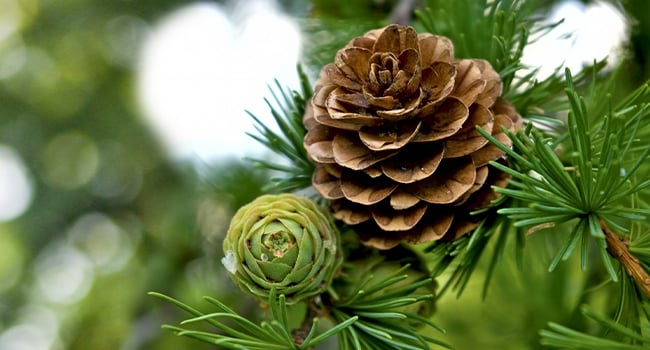
Pine Cones
Even fallen pine cones can be used to predict the weather. If the air is dry, pine cones fan their scales out, looking like miniature Christmas trees. If humidity rises or rain is on the way, the scales clamp tightly shut, overlapping like roof shingles. This is about seed dispersal. During dry weather, the seeds nestled deep inside the cone are looser, lighter, and more easily carried by the wind. When the weather is damp, seeds clump together and would not travel far if released. The cone closes to wait for better conditions.

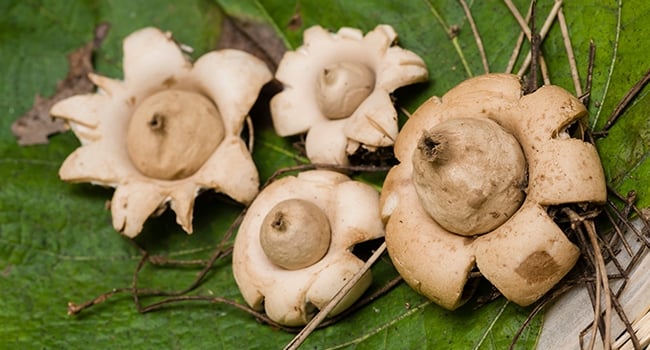
Earthstar
Earthstar (Astraeus hygrometricus) reverses the rule. This fungus, which looks like a brown mushroom surrounded by a skirt of leathery “petals,” stays open during rainstorms because raindrops help disperse its spores. When the petals curl up and enclose the central spore sac, rain is ending and clearer weather is on the way. The Latin name hygrometricus literally means “moisture-measuring.” More on earthstars and other fungi at the National Park Service.
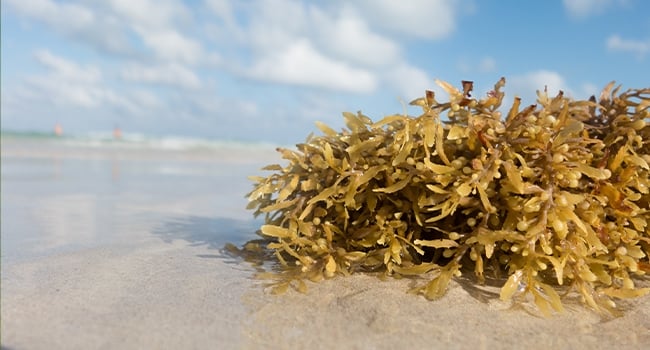
Seaweed
Coastal dwellers can read seaweed. After it washes ashore and dries in the air, the way it sits tells you the humidity. Plump and damp seaweed signals muggy, wet weather. The salt that coats the plant is hygroscopic and pulls moisture from the air. Shriveled, dehydrated seaweed means the air is dry and high pressure is in charge. New England fishing families used a piece of seaweed nailed to the boathouse door as a humidity gauge for generations.
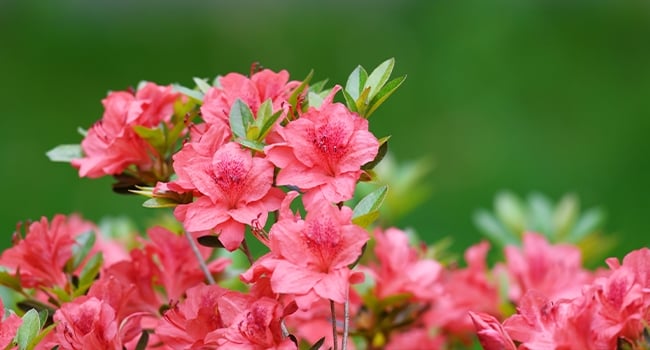
Rhododendron
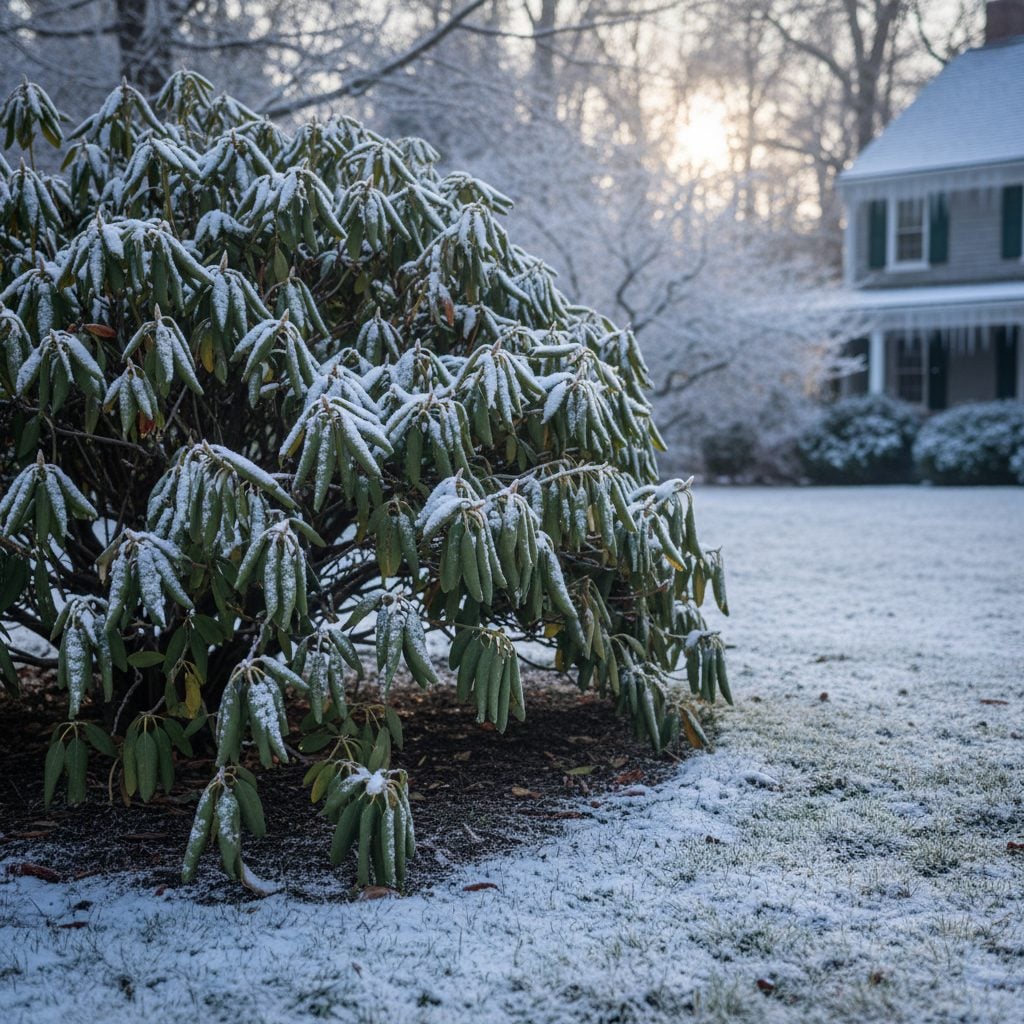
Curious about the air temperature? Look at the nearest rhododendron. When the thermometer hits 32°F, the long leathery leaves droop and curl inward. At 20°F or lower, they curl tightly into cigar shapes pointed at the ground. It is a defense response. With the soil frozen, the plant cannot draw water from the roots, so it curls its leaves to slow water loss through evaporation. As temperatures climb back above freezing, the leaves unfurl. A rhododendron in the front yard is a more reliable outdoor thermometer than most porch readings, since porch heat can throw a glass thermometer off by 10 degrees.
Quick Rhododendron Temperature Guide
| Leaf shape | Approx. temperature |
|---|---|
| Flat, oval, horizontal | Above 40°F |
| Slightly drooping | 32 to 40°F |
| Drooping with edges rolled | 25 to 32°F |
| Curled into loose cigars | 20 to 25°F |
| Tightly curled, pointed down | Below 20°F |

Frequently Asked Questions
Why do dandelions close before it rains?
To protect their pollen and reproductive parts from moisture damage. The bloom senses rising humidity and falling pressure and pulls its petals closed until the air dries out again.
What is the “poor man’s weather glass”?
The scarlet pimpernel. It folds up its blooms when humidity rises above about 80 percent, giving farmers and gardeners a near-free wet-weather alert.
How accurate is the rhododendron thermometer?
Surprisingly accurate. Rhododendron leaves respond to actual air temperature, not to wind or porch radiant heat, so they often give a truer reading than a glass thermometer hung on a sunny wall. They are most useful in the 15 to 40 degree range.
Do pine cones really open and close with humidity?
Yes. The behavior is mechanical, not biological. Even cones that have fallen from the tree continue to open and close for years because the dry outer scales swell or contract with the moisture content of the air.
Can I use earthstar fungi to predict rain?
The earthstar tells you when rain is ending, not when it is starting. It opens during rainstorms to disperse spores and curls shut as humidity drops afterward. Spot one open in damp woods and check back in a few hours: if it is closing, the rain is about to clear.
What if I do not live near rhododendrons or pine cones?
Dandelions grow almost everywhere there is sun and disturbed soil. They are the easiest backup. Clovers, morning glories, and even tulip leaves react the same way to falling pressure.


Tiffany Means
Tiffany Means is a freelance writer and a degreed meteorologist. She specializes in weather forecasting and enjoys making the subject of weather (and the science behind it) more relatable. She currently resides in the Blue Ridge Mountains of North Carolina.
- Tiffany Means

- Tiffany Means
- Tiffany Means
- Tiffany Means

Interesting – some I have heard about and many do happen.
Fascinating! Thank you for sharing. I did not know a single one of these facts.
Just want you to know I enjoyed this article!
Thanks Karen! We do appreciate your comment!
That was awesome thank you
Very interesting article Tiffany! I love Farmer’s Almanac and can always count on learning something new! Thank you!
Thanks Karen! So glad you are enjoying our articles!!
Thanks for all the interesting facts. My Daddy was a true believer & got me started in the Farmers Almanac. As a child it was dumb. Not at all! Even for medical (many surgeries I had) He would look to see where the sighn was. When it says plants will yield little,You best not plant! I learned the hard way. People think I have a green thumb…I just have common sense, the Farmers Almanac & God! Which gives me the strength to do what I love! Gardening
What a wonderful testimony! Thank you for sharing this with us!
What a great article, Tiffany – I did not know about any of these, and the information on dandelions and seaweed is especially fascinating.
I’m intrigued every spring with my tulips – I love watching how they close for the night and when it turns cooler and how they respond to sun and warmth.
They truly are fascinating!
That was some amazing stuff! I did want to ask when plants change their stance like mentioned, is it exactly when the weather changes?! My reason behind this is it had said “predicted” as in the weather that’s on its way not already here. Like the Rhodie’s when they curl downward when freezing temps are present. My question was do they do this before even then so as to predict the freeze is coming, not already here cuz I wouldn’t think that’s all that helpful to me personally if they tell us what it is currently?! I was gonna try & learn about this so I can prepare plants for a potential overnight freeze when tenting etc should starts before it actually freezes to try & avoid plant damage overnight.
Who knew? I am just getting interested in planting okra and I was kind of nervous about starting. This is very good information!
We are glad you found this useful and good luck on your planting journey! Keep us posted.
Thanks for the fine article and combination of plants and weather….i can’t wait to get out into the pine woods and sea shore of the Cape next week to observe what nature has to offer by way of looking close.