
New Year Lucky Foods: Eat for Luck Around the World
Check out these lucky New Year foods eaten from around the world!
Lucky New Year Foods at a Glance
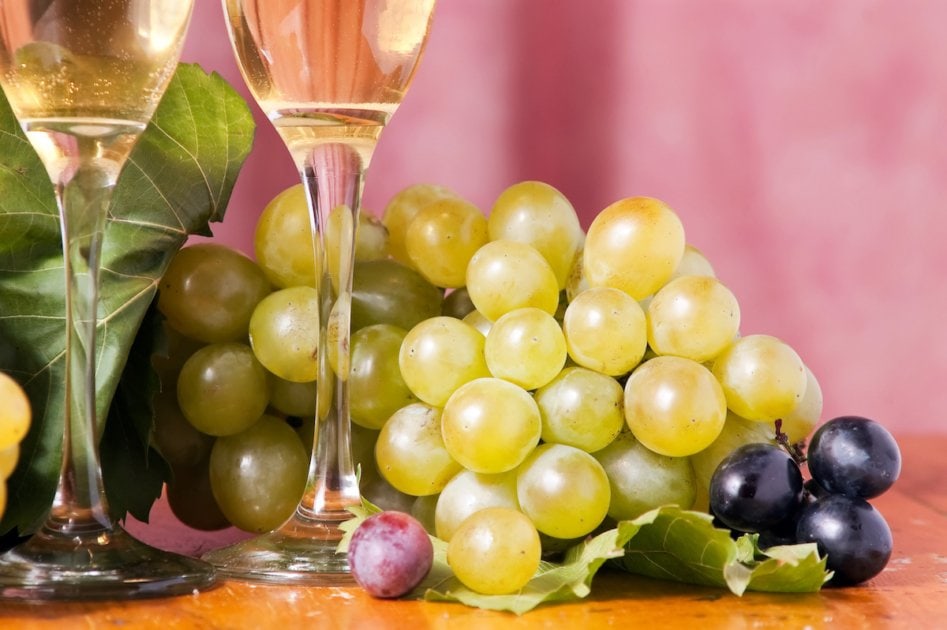
- Eat for luck: pomegranate (Turkey, Greece), pork (Europe, U.S. South), lentils and black-eyed peas (Italy, Brazil, U.S. South), greens (the color of money), soba noodles (Japan), ring-shaped foods, cornbread, tangerines and oranges (China), grains, 12 grapes (Spain and Latin America).
- Avoid on New Year’s Day: chicken (scratches backward), lobster (swims backward), winged poultry that “flies your luck away.”
- Why each food: mostly visual analogy. Coin shape, gold color, forward motion, ring of completion, swelling = abundance.
- The Spanish twelve grapes rule: one grape per midnight chime. Miss a beat, miss the luck.
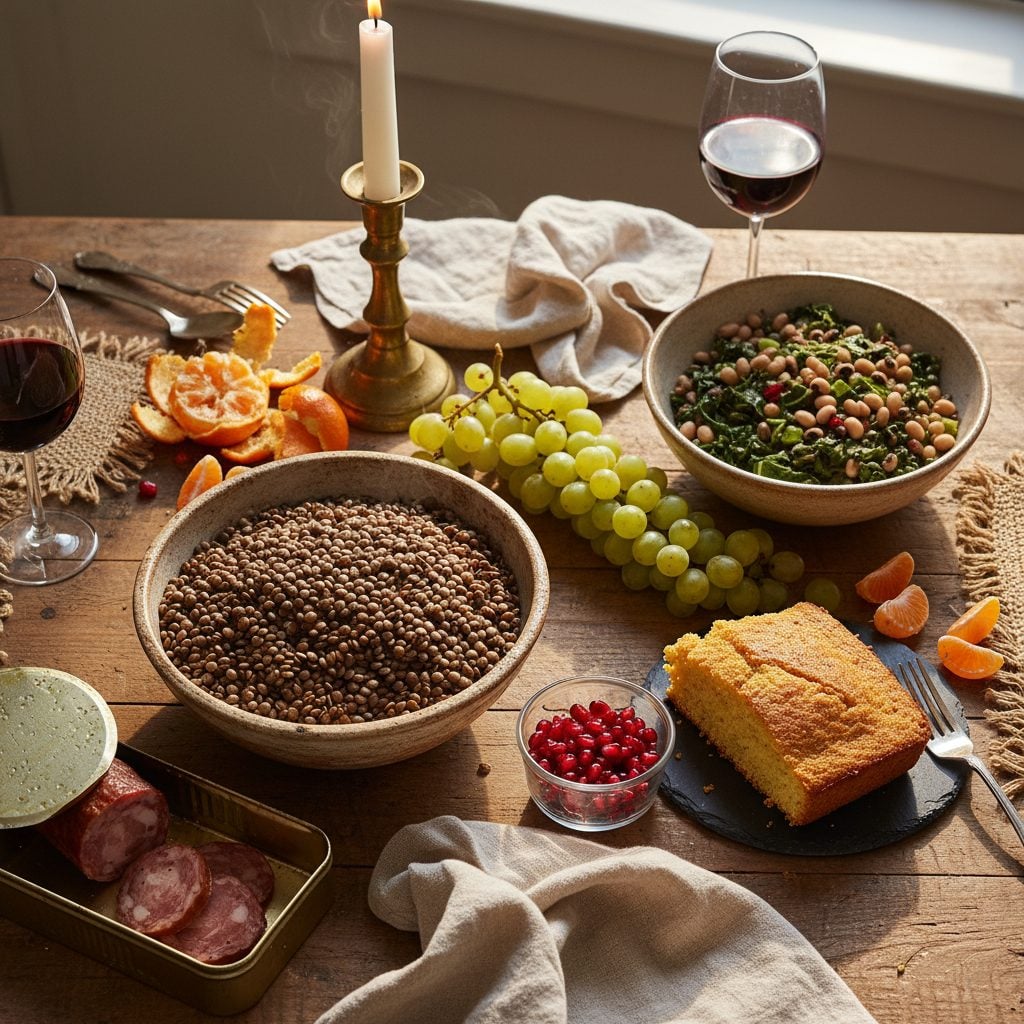
Are there New Year lucky foods that bring on good (or even bad) luck? Cultures around the world say absolutely yes, and most of the symbolism comes down to visual analogy: coin-shaped legumes for money, swelling grains for abundance, forward-rooting pigs for progress, and yellow-gold cornbread for, well, gold.
According to the Encyclopaedia Britannica, New Year customs around food are some of the oldest in the calendar of holiday traditions. The specific foods change continent to continent, but the underlying idea is constant: what you eat on the first day of the year sets the symbolic tone for the rest of it.
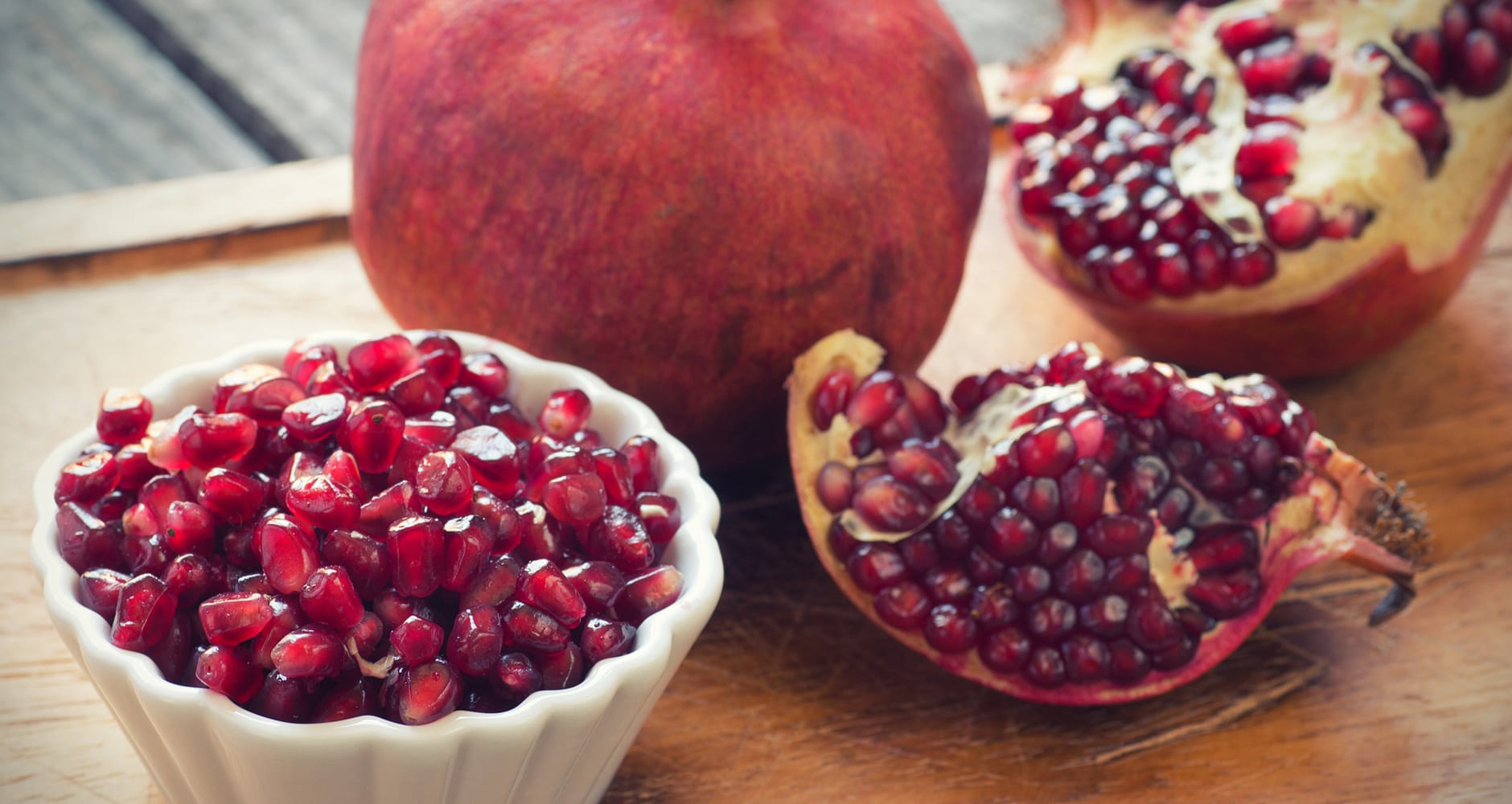
According to Turkish, and some say Greek, tradition, pomegranate seeds symbolize prosperity and good fortune. On New Year’s Day, a pomegranate is traditionally smashed on the floor, just inside the front door, to reveal its lucky seeds.
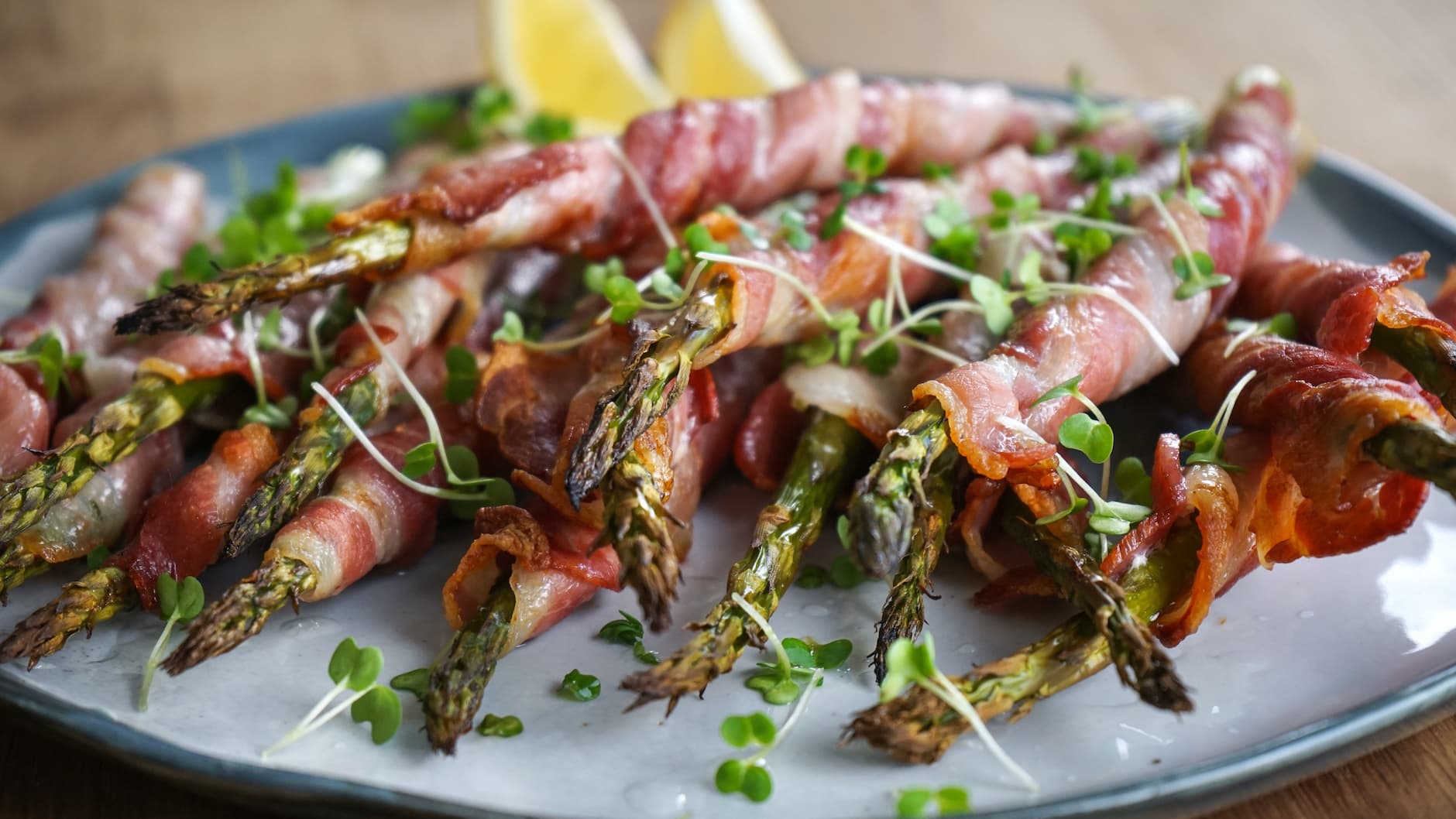
Pork products (chops, ribs, bacon, ham, sausage, pancetta, etc.) are said to represent prosperity, given the pig’s substantial girth. Pigs also use their prominent proboscis to root forward, symbolizing progress.
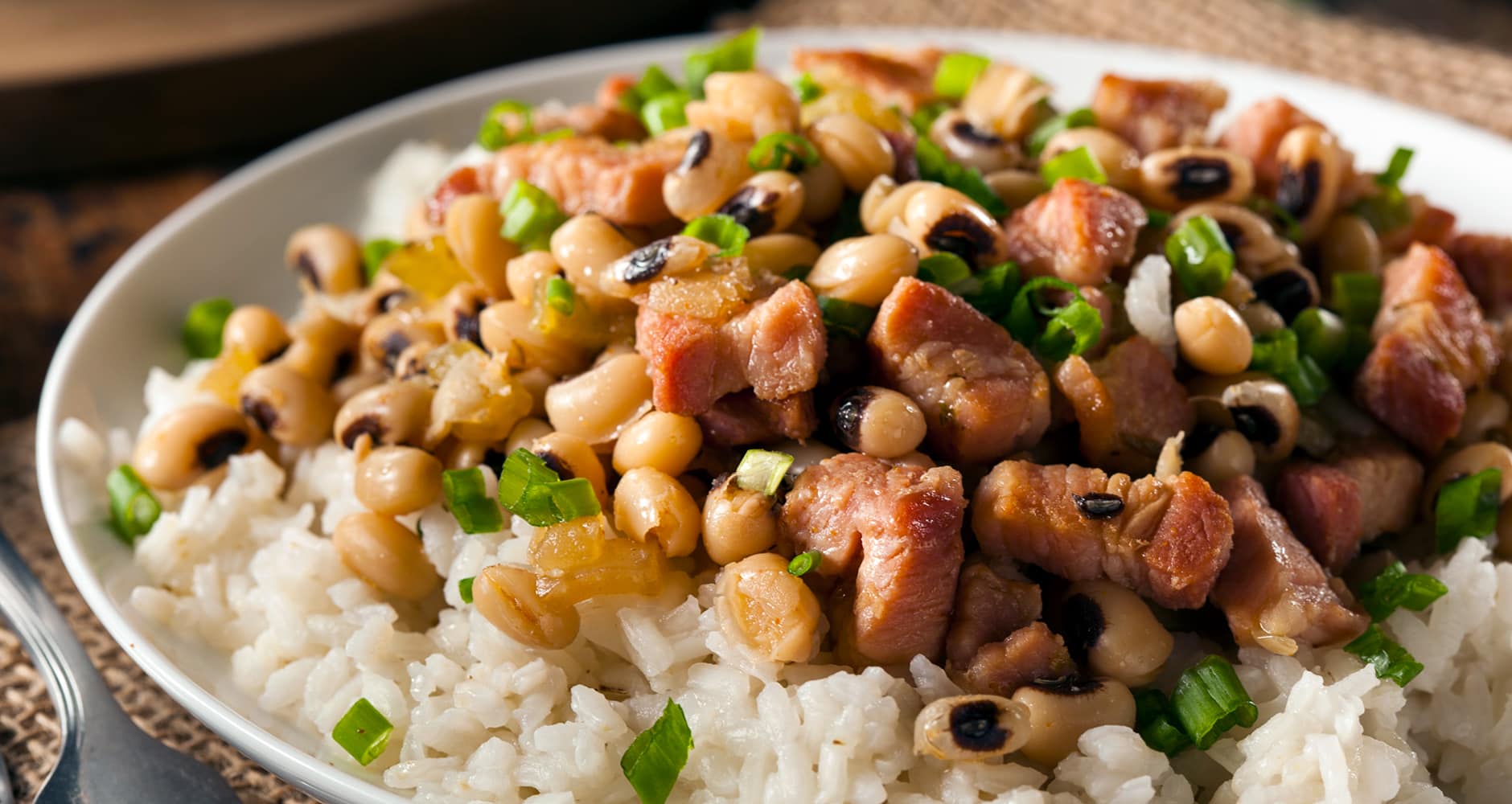
In Italy, the lucky lentil is coveted, reportedly since the days of ancient Rome, because of its resemblance to coins. Brazil also loves legumes for the same reason. In the American South, black-eyed peas carry the coin connotation.
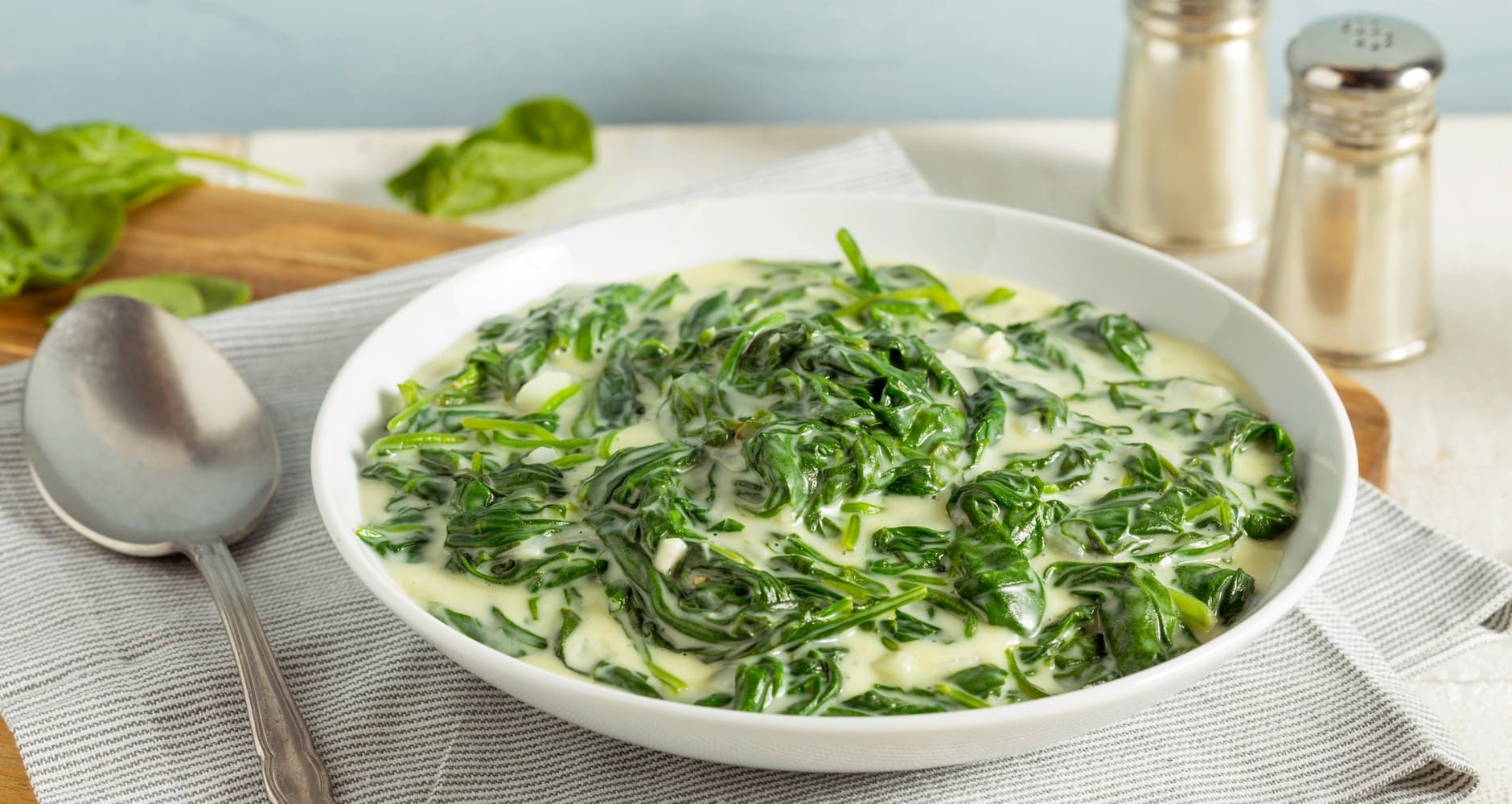
Some say eating greens, because they are the color of money, will portend good fortune. Even if they don’t, it never hurts to err on the side of good health with heaping portions of broccoli, kale, collard greens, and spinach.
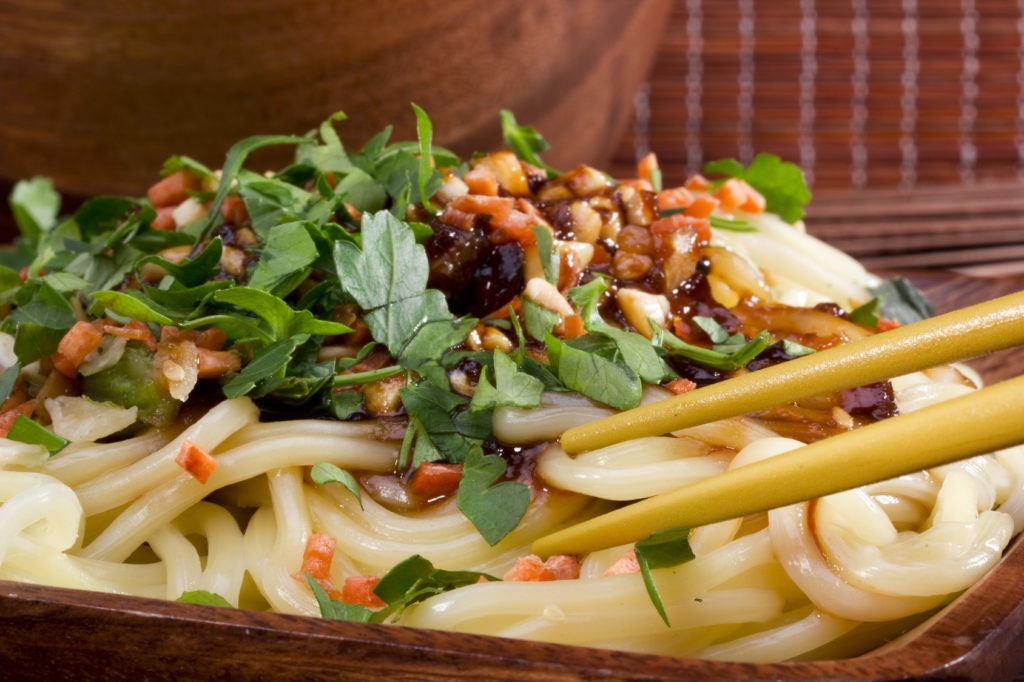
Japan promotes consuming soba (long buckwheat) noodles to ensure long life, but only if swallowed without chewing or otherwise breaking them in any way.
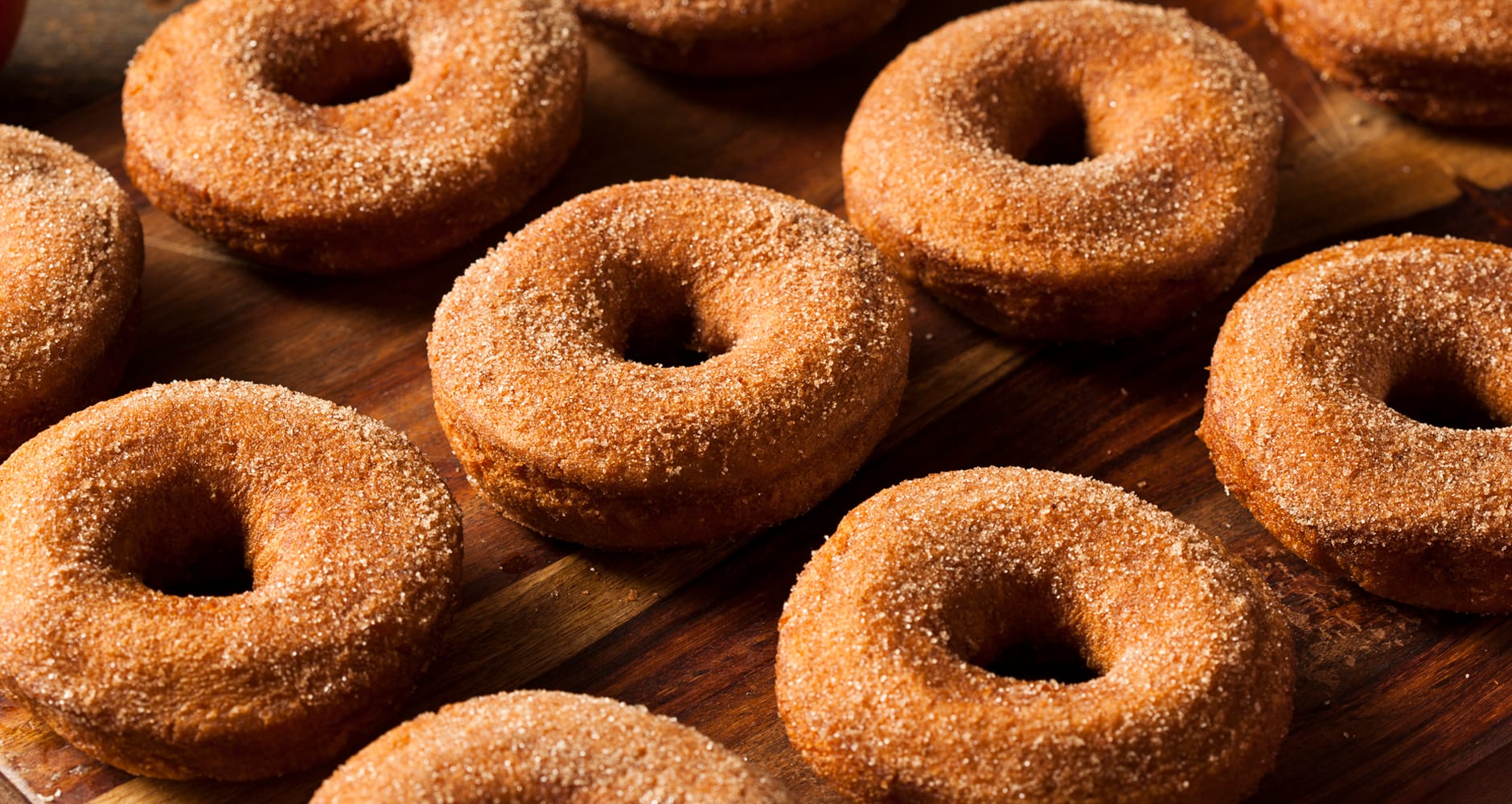
Ring-shaped foods like bagels and donuts are said to promote luck, possibly because they represent coming full circle. Even if they don’t end up bringing you fame and fortune, surely your taste buds will feel lucky.
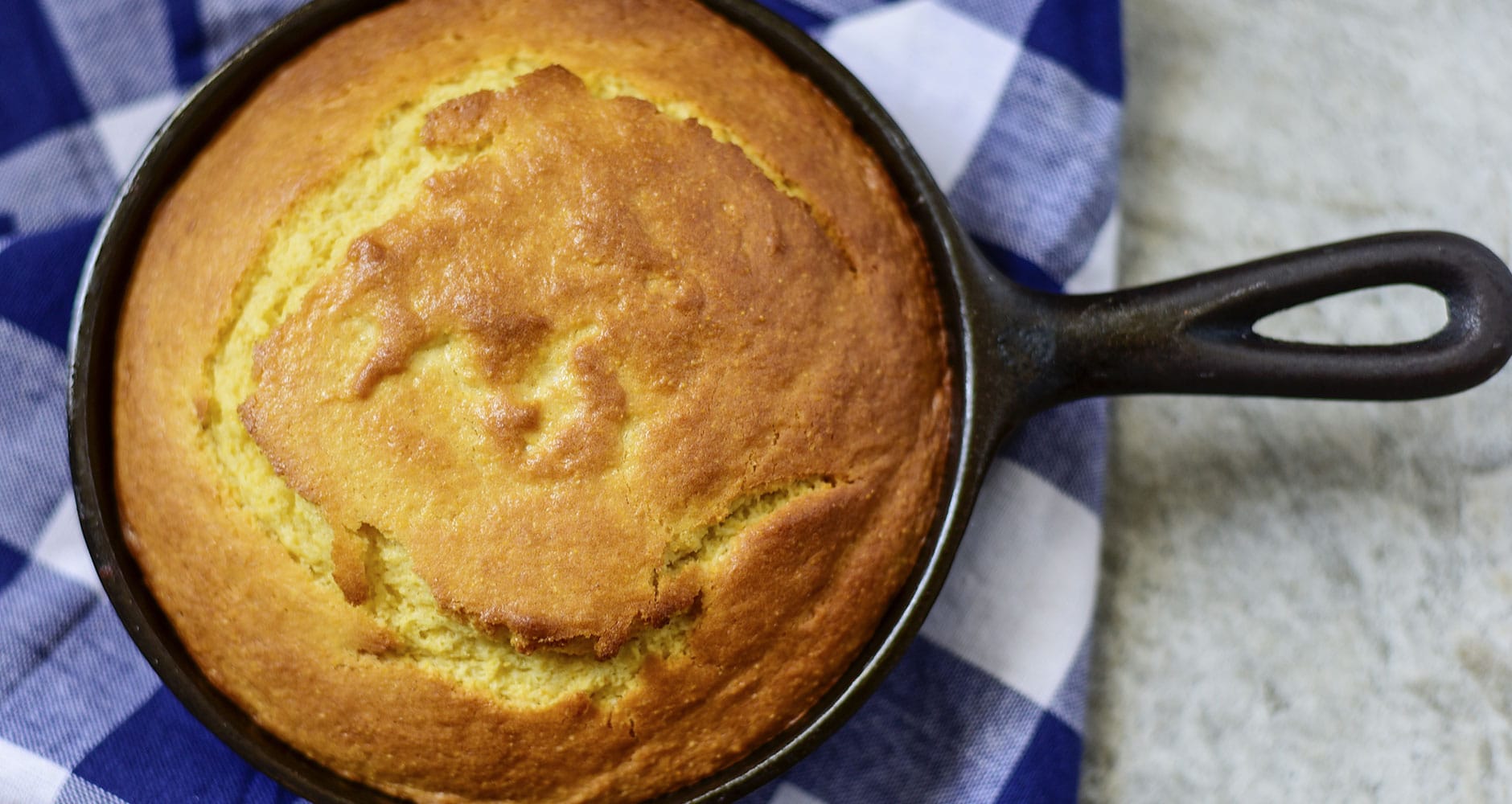
Because of its bright yellow color, eating cornbread is said to symbolize the acquisition of gold.
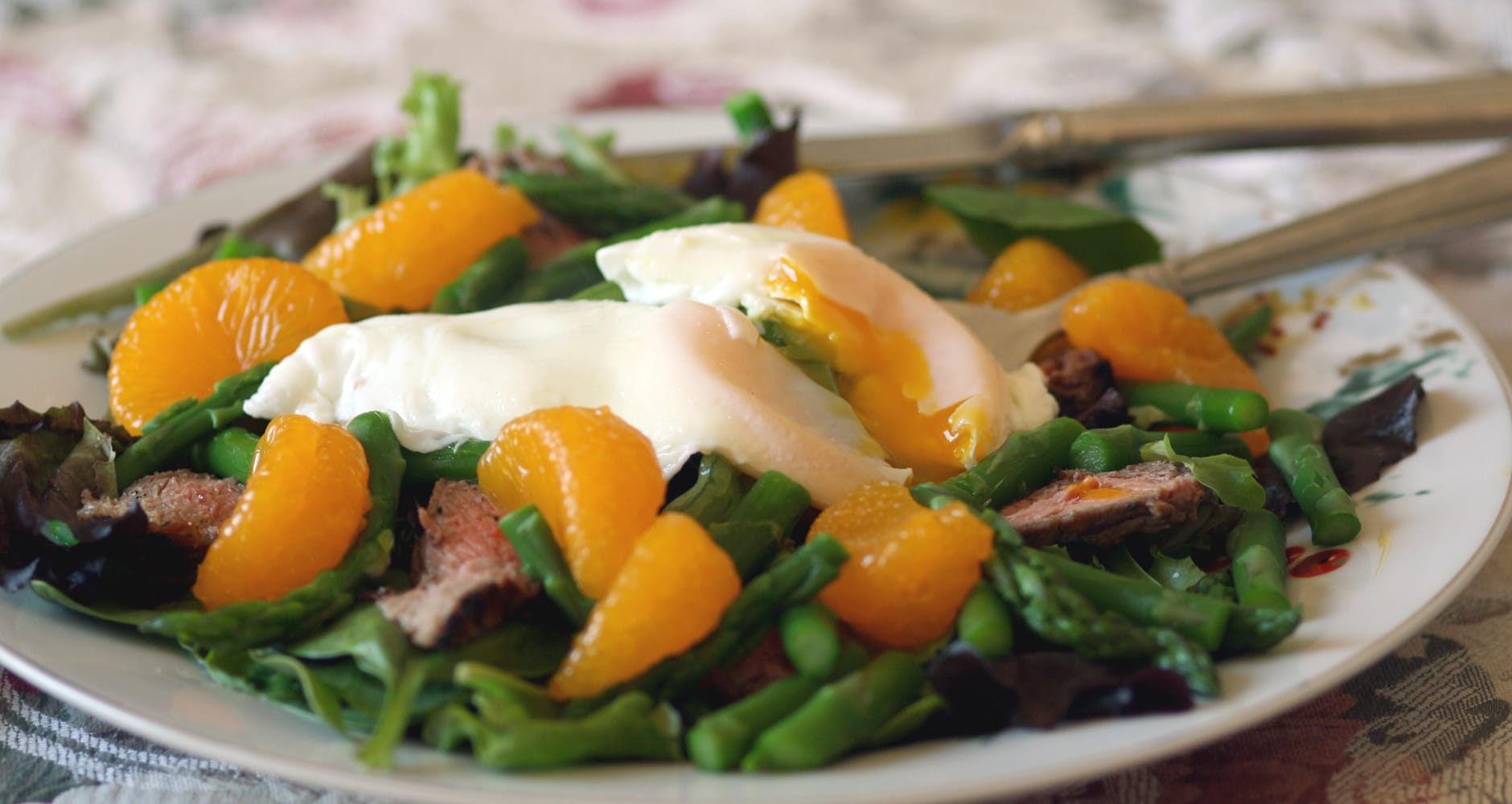
In China, tangerines represent good luck and oranges symbolize wealth. In Vietnam, red means luck, so be sure to indulge in foods like watermelon, apples, beets, cherries, and the like.
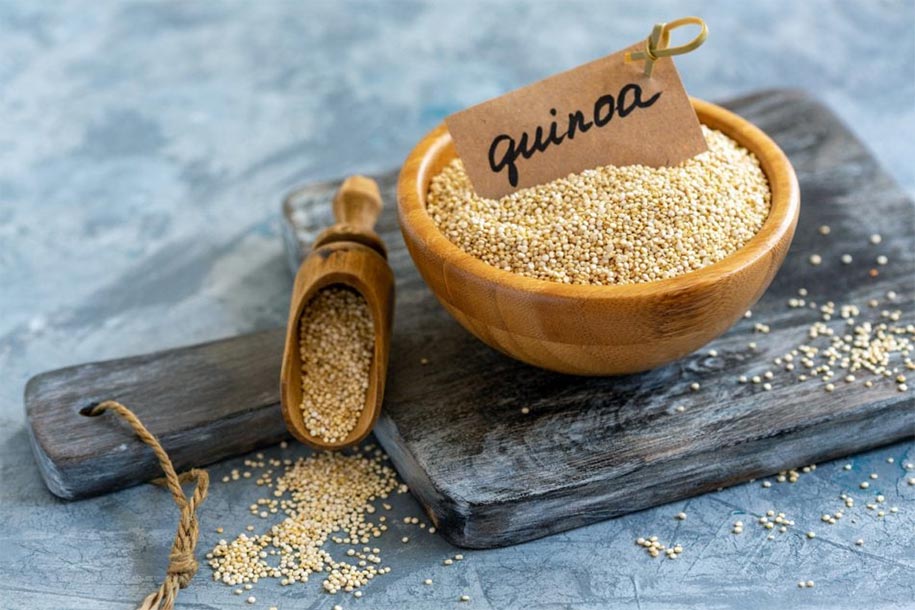
Grains, including rice, barley, oats, and quinoa, swell when cooked, symbolizing growth and abundance.
Lucky New Year Foods Around the World
| Country / tradition | Lucky food | Why |
|---|---|---|
| Turkey, Greece | Pomegranate seeds | Prosperity, the more seeds, the more good fortune |
| U.S. South | Black-eyed peas, collards, cornbread (hoppin’ john) | Coins, greenbacks, gold |
| Italy | Lentils, cotechino sausage, zampone | Coin-shaped legumes, pork = prosperity |
| Spain & Latin America | 12 grapes at midnight | One per chime, one per month of luck |
| Japan | Toshikoshi soba (long buckwheat noodles) | Long life, cleanly cutting ties to the old year |
| Germany, Austria, Pennsylvania Dutch | Pork and sauerkraut | Pig roots forward = progress; long shreds = long life |
| Netherlands, Denmark | Oliebollen, kransekage (ring-shaped sweets) | Full-circle luck |
| China | Tangerines, oranges, fish (whole) | Tangerines = good luck; oranges = wealth; fish (yu) = abundance |
| Vietnam | Red fruits: watermelon, apple, cherry | Red = luck |
| Latin America (Mexico, Cuba) | Lentil soup at midnight | Coin-shape legumes for the year ahead |
Skip The Lobster and Chicken?
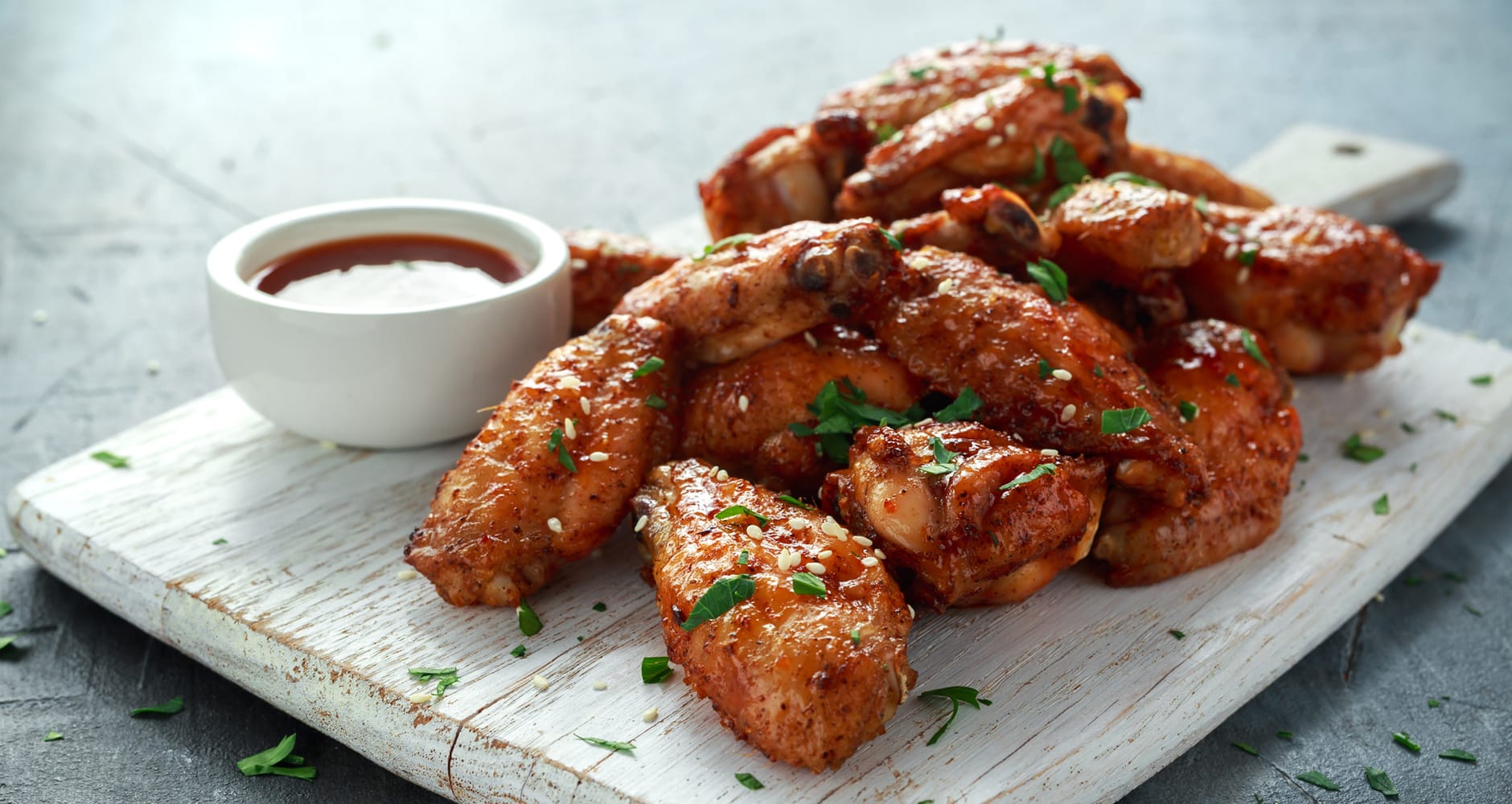
According to legend and lore, especially at the beginning of the year, some cultures believe consuming poultry is not recommended because it can fly away, taking all your luck with it. Chicken is said to be especially avoided as, unlike the pig, it scratches backwards, bringing setbacks. While most fish swim forward and their silvery scales are redolent of money, lobsters swim backwards, so the taboo chicken rule is said to apply to them.

And don’t forget the grapes. In Spain, and many Latin cultures, it is believed that eating 12 grapes on New Year’s Eve, one for each stroke of midnight, will bring luck throughout the coming year.
And, contrary to what your mother may have taught you, some cultures believe that leaving food on your plate is a good thing, signifying you will never be without. So much for those of us who are lifelong members of the clean-plate club.
Happy New Year.

Plan New Year’s Day Around the Weather
Will it be a frozen-rain day for hoppin’ john at home or a bluebird walk before lentil soup? See your region’s long-range outlook.
See Your Extended ForecastFrequently Asked Questions About New Year Lucky Foods
What are the most common New Year lucky foods?
Pork, lentils or black-eyed peas, leafy greens, cornbread, ring-shaped sweets, grapes (in Spain and Latin America), and pomegranate. They appear across most of Europe and the Americas in some form.
Why are lentils and black-eyed peas considered lucky?
They look like coins, plain visual analogy. The tradition is documented back at least to ancient Rome for lentils. In the American South, black-eyed peas carry the same coin meaning, served in hoppin’ john alongside greens (cash) and cornbread (gold).
What’s the rule with the 12 Spanish grapes?
Pop a grape into your mouth at each of the twelve chimes that strike midnight on New Year’s Eve, one per upcoming month. Finish all twelve before the chimes end for luck through the whole year. Miss a beat and the unlucky months stack up.
Why is chicken considered unlucky on New Year’s?
It scratches backward when foraging, a metaphor for setbacks; and it has wings, so the luck “flies away.” For the same reason, some traditions extend the avoidance to lobster, which moves backward in the water.
Why pork for luck?
Pigs root forward when they feed, symbolizing progress, and they fatten up, symbolizing prosperity. Cured pork (ham, sausage, pancetta) also keeps over winter, so it was always available for a New Year’s meal in northern Europe.
Are there unlucky foods to avoid on New Year’s?
Tradition warns against winged poultry (chicken, turkey), backward-moving lobster, and white-fleshed fish in some cultures. Some also avoid eating completely until midnight passes, on the theory that the year should begin with hunger filled rather than emptied.
What is hoppin’ john?
The Southern U.S. New Year’s plate: black-eyed peas (coins), collard greens (paper money), and cornbread (gold), often with a piece of cured pork. We have a fuller piece on hoppin’ john here.
For more New Year food and luck reading, see hoppin’ john for New Year’s luck, New Year’s superstitions and traditions, and 13 ways to improve your luck.

Get the Full Farmers’ Almanac Holiday Food Archive
All-Access members unlock the year’s worth of seasonal menus, Best Days for cooking, and the full holiday-recipe archive.
Join All-Access
Beth Herman
Beth Herman is a freelance writer with interests in healthy living and food, family, animal welfare, architecture and design, religion, and yoga. She writes for a variety of national and regional publications, institutions, and websites.
- Beth Herman

- Beth Herman
- Beth Herman
- Beth Herman



We always have pork and collards, cornbread, black eyed peas with stewed tomatos
How about Black-eyed peas? It has always been a good luck item for New Years in our family.
We have always done this too. Even sneaking cabbage into mashed potatoes when the kids were little and wouldn’t eat it. Lol
Our lucky tradition is you have to eat cooked cabbage on new years day. This is a German tradition i believe. Darned if i know if it works but we have it every year even if it sounds silly.
I always prepare a corned beef & cabbage dinner for my family on St.Patrick’s Day, but I understand this tradition began not in Ireland, but with Irish immigrants in New York.
Randy Lee, lucky for ME if I can come help you eat it!
How Corned Beef, Cabbage, and red potatoes, the traditional meal for St Patricks day<
How lucky is that!!!