

Don’t Toss Those Peelings! 7+ Smart Uses for Fruit and Vegetable Peels
Wait! Don't toss fruit and vegetable peels to the compost bin just yet! Learn how to get the most from your produce!
Use Those Fruit and Vegetable Peelings at a Glance
- Apple peelings: blend and freeze for oatmeal and smoothies; simmer to clean aluminum pots; or ferment for apple cider vinegar.
- Potato peelings: baked at 350°F with oil and seasoning, they crisp into homemade chips.
- Banana peels: a folk skin remedy for psoriasis, acne, poison-ivy itch, and warts.
- Lemon peel: chrome polish on faucets, mineral-deposit remover, and natural disposal freshener.
- Pineapple peel: a free car air freshener and a folk foot scrub.
- Cucumber peel: ant, moth, mite, wasp, silverfish deterrent; cool soothing for puffy eyes.
- Orange peel: softens hardened brown sugar; polishes wood; the rind + white vinegar makes a household all-purpose spray.
Getting more bang for your food budget is an enticing idea, right. Well, guess what: don’t toss those peelings. Many fruits and vegetables have edible peels that are not only packed with fiber and nutrients but also have numerous benefits in and around your home.
Worth knowing up front: most fruit and vegetable skins carry the highest concentration of fiber, polyphenols, and vitamins in the whole plant. The U.S. Food and Drug Administration’s fresh-produce guide recommends a thorough cool-water rinse and a gentle scrub of any peel before you use it in the kitchen, especially the citrus and apple peels eaten whole.
Don’t Toss These Peels!
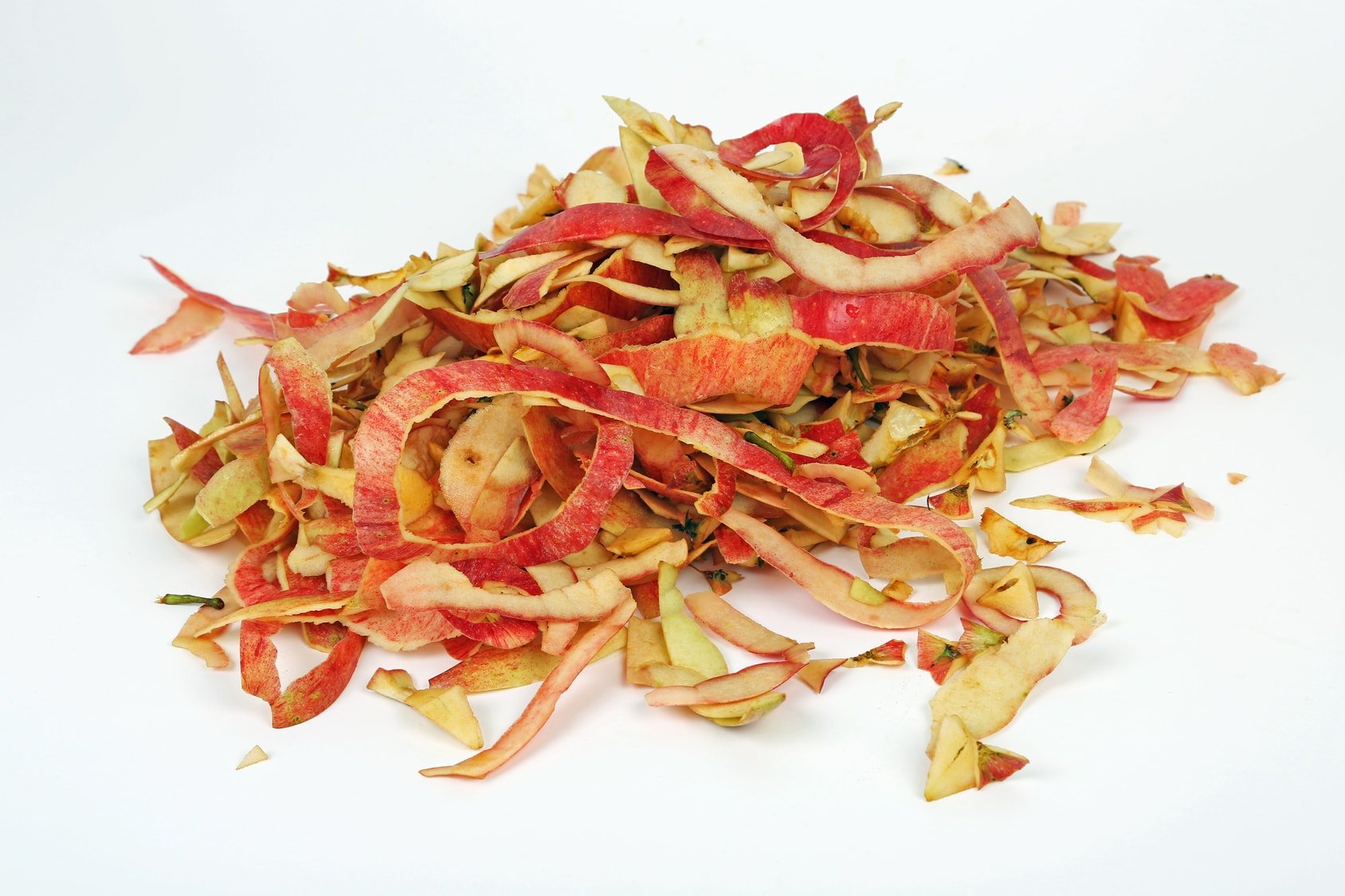
Apple peelings can be put to good use instead of being thrown away. If you are peeling apples for a pie or have picky eaters who don’t like the chewy peels, blend the peels and store them in the freezer. They can be added to oatmeal while cooking, along with some cinnamon, or tossed into a smoothie to add apple flavor and fiber. Another option is to make your own apple vinegar.
If you don’t want to consume the apple peelings, they can be used to clean aluminum pots and pans. Simply simmer the peels in a few inches of water for half an hour. The acid in the peels will help break down grease stains and restore the shine of the pan. Afterward, discard the peels and wash the pot as usual.
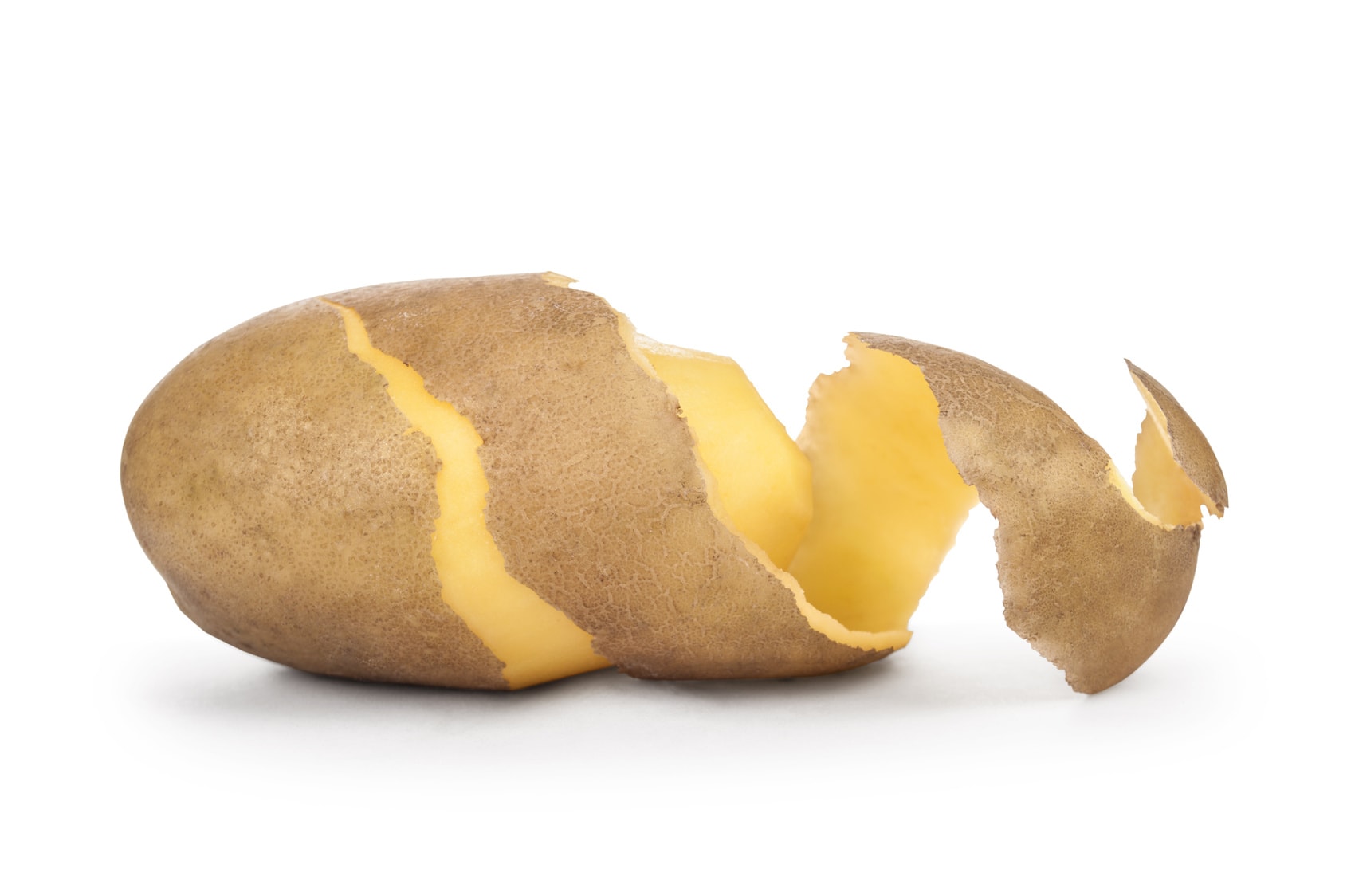
Potato peelings: Don’t throw the skins away when you peel potatoes. Instead, rinse the peels and pat them dry with paper towels. Then place them on a greased cookie sheet and drizzle generously with cooking oil. Sprinkle with seasonings and bake at 350°F until they are crispy, homemade “chips.”
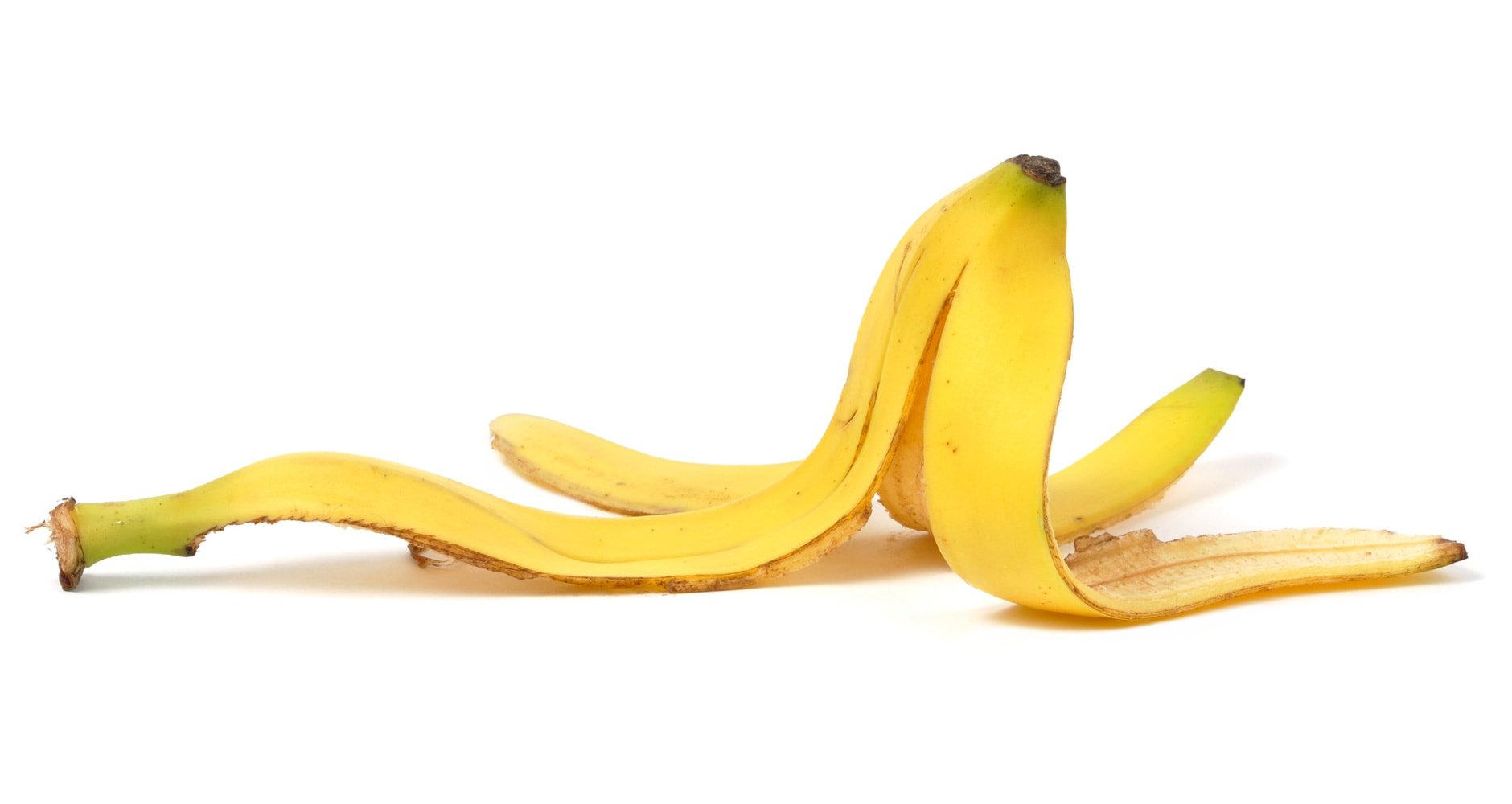
Banana peels: Banana peels may encourage healing. Rub the inside of banana peels onto psoriasis-affected areas of skin or acne. There may be some redness at first, but in a few days you may see healing. Banana peels can also be used in this way to stop the itching and reduce inflammation caused by poison ivy. Some people claim banana peels shrink warts too.
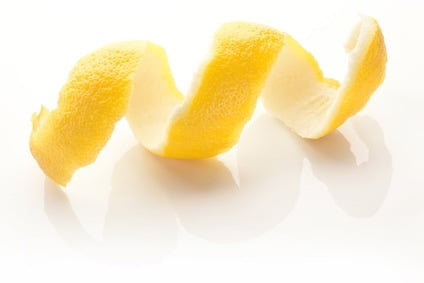
Lemon peel: Rub lemon rind over faucets to eliminate mineral deposits and polish the chrome. Rinse and dry with a soft cloth.
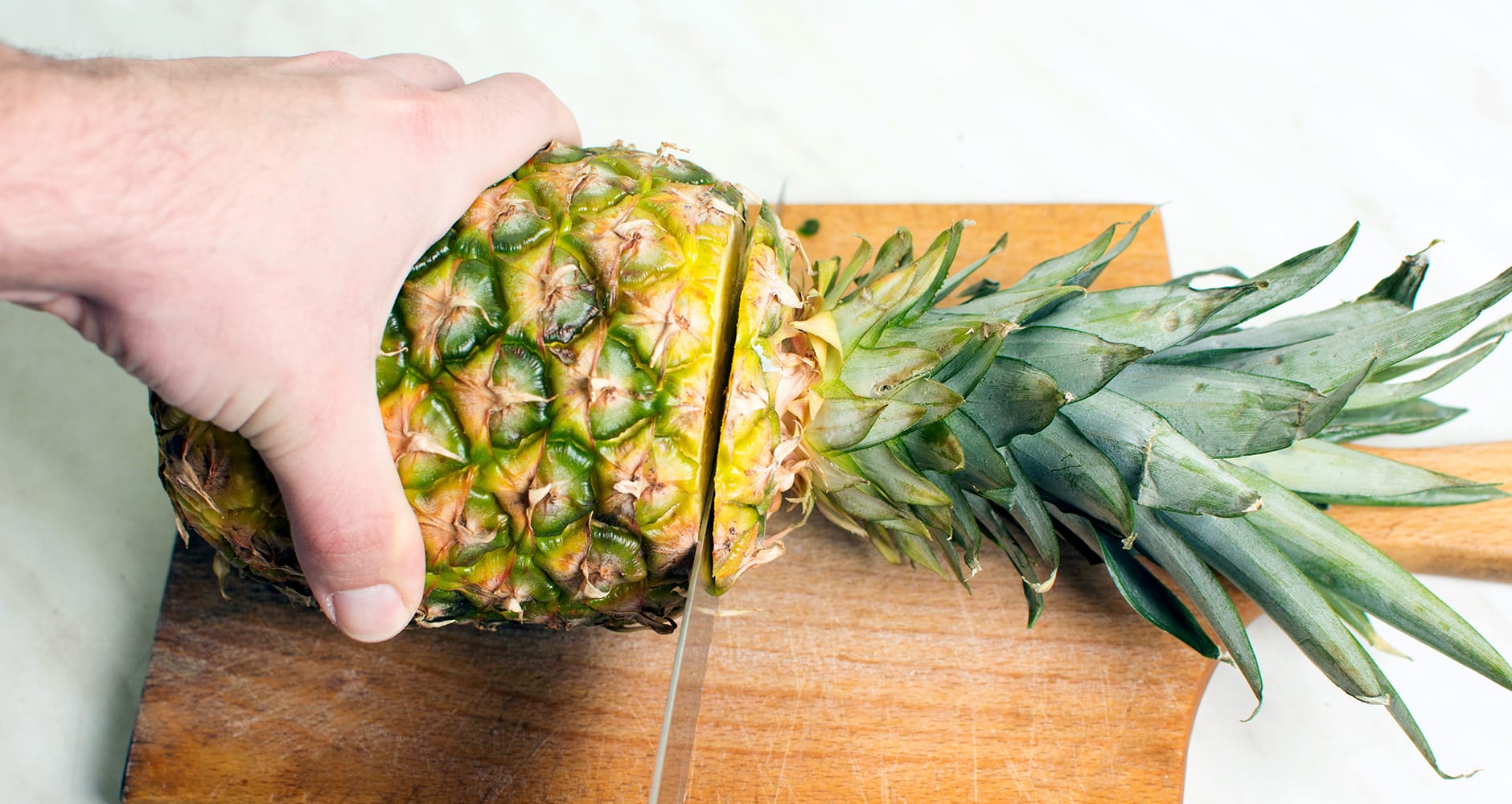
Pineapple peels: These make a great, cheap car air freshener. Put some rind scraps from a pineapple in a plastic bag. Leave the bag on the dashboard or in the back window of your car. Solar energy will cause the pineapple peelings to shrink and dry out, and your car will smell like a pina colada. You can also use them as a foot scrub, no kidding.
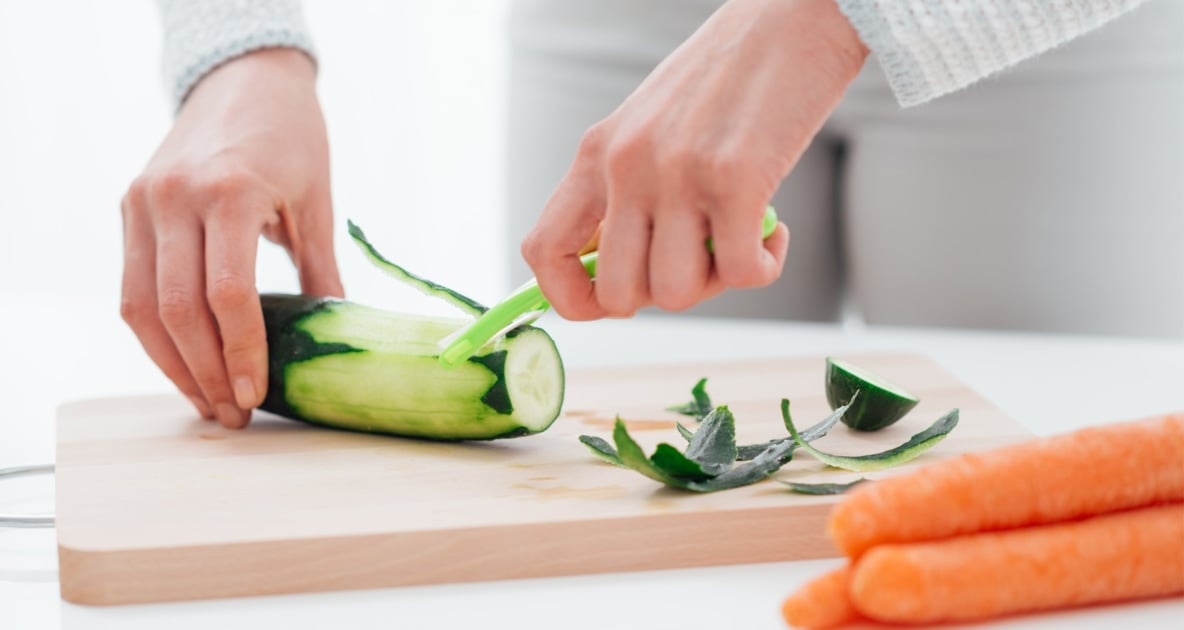
Cucumber peels can serve as natural pest-control agents. Their bitterness acts as a deterrent for ants, moths, mites, wasps, and silverfish. Place cucumber peels in the corners of your kitchen, on windowsills, or in cabinets wherever you are experiencing a bug problem. Remember to replace them frequently, as decomposing cucumbers may attract pests.
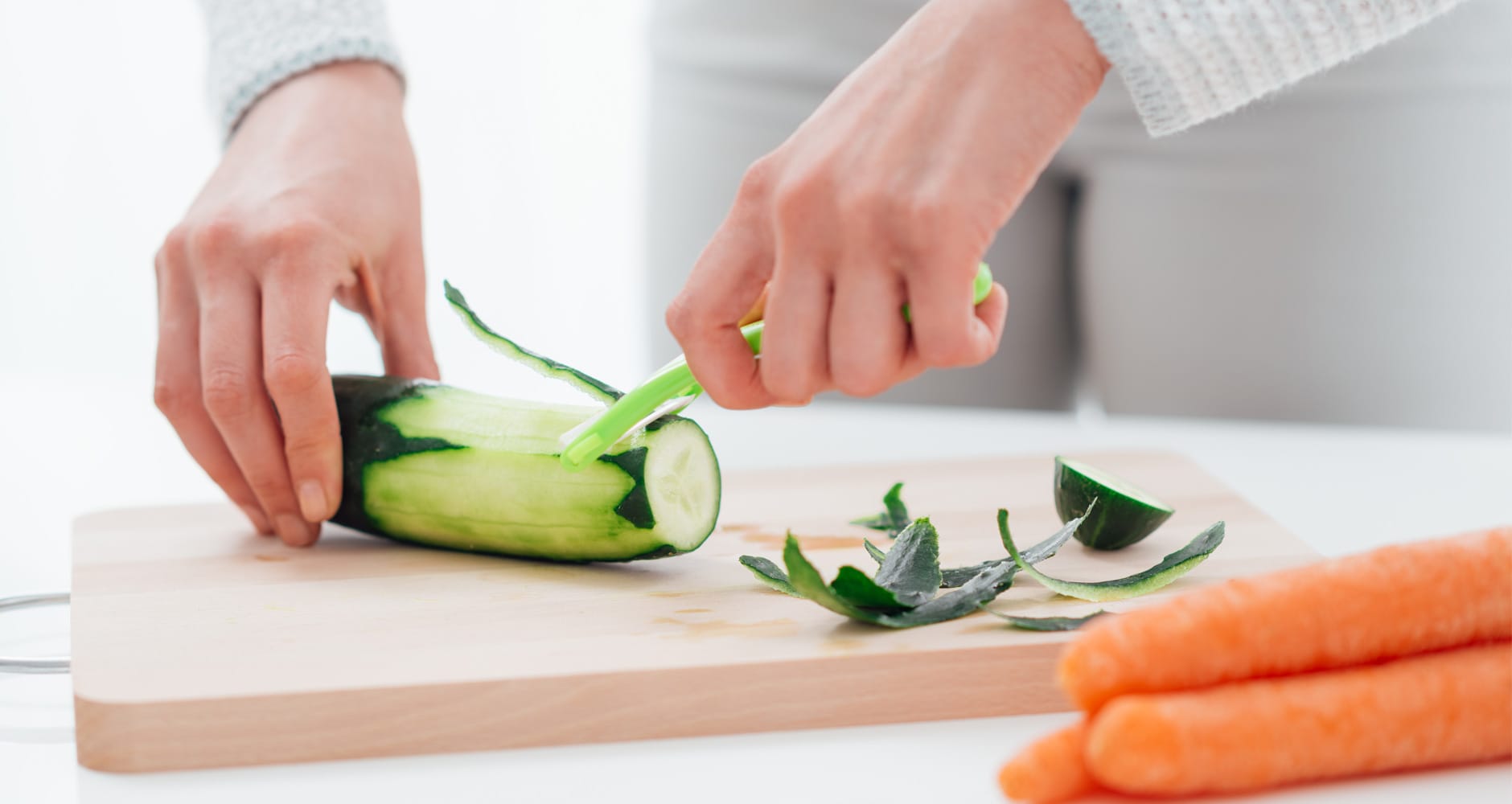
Cucumbers are also beneficial for the skin. Place some fresh peels over your eyes to reduce puffiness and redness, or rub the wet underside of the peel all over your face for a quick face mask to tighten the skin.
Orange peels: Put an orange peel in your brown-sugar container. The oils in the peel will soften hard lumpy sugar up in just a few hours.

The white side of an orange peel can be used to polish dull-looking wood furniture, while not-yet-dried orange peels can serve as a natural sponge for cleaning sinks or stovetops. They effectively cut through grease and leave behind a pleasant citrus fragrance.
Additionally, you can create an earth-friendly cleaner by placing orange peels in a jar, covering them with white vinegar, and sealing the lid. Allow it to sit in the refrigerator for a few weeks, shaking it occasionally. Afterward, transfer the mixture to a spray bottle for use on floors, windows, and other household surfaces.
Peelings at a Glance, A Quick Map
| Peeling | Best Second Use | Notes |
|---|---|---|
| Potato | Bake at 400 F with olive oil and salt for crispy chips; or simmer in water with onion for a light stock base | Must be clean and dry; any green patches should be cut away (solanine content) |
| Carrot | Add to stock directly; dehydrate for vegetable powder; compost | Carrot peel carries most of the beta-carotene; thin and fully edible |
| Apple | Dry and grind for apple cider vinegar flavoring; simmer with cinnamon for stovetop potpourri; add to oatmeal | Avoid if apples were waxed and not scrubbed; peel holds quercetin and fiber |
| Citrus (lemon, orange, lime) | Zest before peeling for cooking; candy peels in sugar syrup; infuse in vinegar for cleaning solution; dry for tea or mulled-wine spice | Use unwaxed fruit for culinary purposes; the white pith is bitter, so thin zest is better than thick peels |
| Onion (papery outer skin) | Add to stock for a deep golden color; dry and use as a natural dye for Easter eggs (yellow-brown tones) | Outer papery skins only; the fleshy layers are already used. Rinse well |
| Cucumber | Blend into a face mask with yogurt; add to water pitcher for flavoring | Peel holds most of the fiber and vitamins C and K; edible if thin-skinned variety |
| Banana | Rub the inside of the peel on insect bites or minor skin irritation; add to compost for potassium boost | Banana peel compost is especially useful for tomatoes and roses, which are heavy potassium feeders |
Do you use peelings for anything we didn’t list here?
You can also save your vegetable “scraps” for vegetable broth.
Some have had luck regrowing kitchen waste into edible veggies and greens.

Frequently Asked Questions About Reusing Peelings
Are fruit and vegetable peels safe to eat?
Most of them, yes. Apple, pear, cucumber, carrot, potato, sweet-potato, plum, peach, and grape skins are all edible. Always rinse and scrub under cool running water first to remove dirt and surface residues, and peel any produce known to carry heavy wax (cucumber, apple, eggplant).
How do you make potato-peel chips?
Rinse the peels and pat dry. Toss with a tablespoon of oil and a pinch of salt and your favorite seasoning. Spread on a parchment-lined sheet pan in a single layer. Bake at 350°F for 15 to 20 minutes, turning halfway, until crisp. Cool on the pan before serving.
Why does the apple peel clean aluminum?
Apple peels contain malic and ascorbic acids that gently dissolve the oxide layer that gives discolored aluminum its dullness. Simmer the peels in a few inches of water for 30 minutes, then wash the pan as usual.
Do banana peels actually heal anything?
The skin remedy is folk wisdom rather than proven medicine. Some users report a mild reduction in itch and irritation after rubbing the inside of a banana peel on bug bites, poison-ivy rash, or acne, likely from sugars and small amounts of plant compounds. Stop if it stings, and skip the trick for open wounds.
How long do cucumber peels work as pest control?
Two to three days. The bitter cucurbitacin compounds evaporate as the peel dries; rotting peels actually attract bugs. Replace every couple of days, and compost the old ones.
How do you make orange-peel cleaner?
Stuff a quart jar with orange peels, cover with white vinegar, seal, and let it sit two to three weeks. Strain into a spray bottle and dilute 1:1 with water for windows, counters, and floors (not natural stone, the vinegar will etch it).
Should I put peels in the disposal or in the compost?
Compost almost always wins. Garbage disposals can be jammed by tough rinds (lemon, watermelon, pineapple) and clogged by stringy fibers (banana, corn). One small lemon wedge a week is fine to freshen a disposal; everything else goes to the bin or the compost.
For more kitchen-thrift reading, see 10 uses for eggshells, smart uses for used coffee grounds, and 8 ways to use beer beyond drinking it.



Judy Kneiszel
Judy Kneiszel is a freelance writer from De Pere, Wisconsin. She contributes to regional and national magazines and newsletters, writing on a wide variety of topics including food, farming, health, renewable energy, and running a small business.
- Judy Kneiszel

- Judy Kneiszel
- Judy Kneiszel
- Judy Kneiszel




I put orange peels in my tea. Not only do I use less sugar, but it makes tea taste better
This is a wonderful idea. I’m going to try this with my afternoon tea. Thank you for sharing it with us.
Apple peels are the worst peels to use because unless the apples were organic, the peels are loaded with pesticides and a wax coating which are not advisable to consume.
Ose apple peels to make apple jelly.
Love these ideas. Great for preventing waste, maintaining health and cutting costs
Dry your used orange peels and they make great fire starters.
I sun dry my orange peels and found they are great fire starters, they hiss and ignite for quite awhile and they smell nice too.
No mention here of organic produce. I truly would not want to save the peels of any other.
everyone I know has aluminum or stainless steel pots ,It works on baking pans
I had heard about lemon and oranges with vinegar but potato peels and cucumbers much. Some one had told me putting potatoes skins in your garden and bananas peels in garden will kill most bugs that kill your flowers and fertilizes your garden is this true?
I love seeing stuff like this, even if it is common knowledge to some, for others like myself it’s great to hear this “old knowledge” that might otherwise be lost in the advancement of today’s society. Thank you again, and keep it up!