
Natural Bug Repellents: 8 Pantry Picks + DIY Sprays (2026)
Got silverfish, ants, spiders, and more? Try these natural bug repellents found right in your pantry to keep pests out!

Quick Reference
- Top 8 natural bug repellents for the home: cream of tartar (ants), white vinegar (crawling bugs and fruit flies), cedar (fleas, spiders, silverfish), food-grade diatomaceous earth (fleas, stinkbugs, roaches), cinnamon (mosquitoes, moths, ants), whole cloves (silverfish), eucalyptus oil (mice), and citrus peels (spiders).
- Best DIY skin spray: 2 ounces of witch hazel, 2 ounces of distilled water, 30 to 50 drops of oil of lemon eucalyptus or a citronella plus cedarwood plus peppermint blend in a glass spray bottle. Reapply every 1 to 2 hours.
- Bug-traffic rule: roughly 200 million insects exist for every person on the planet, according to the Smithsonian. Most enter through a window screen, a door sweep, or a pantry gap, not the front door.
- When to step up to a registered product: if you are in CDC-flagged mosquito or tick country, the EPA-registered active ingredients (DEET, picaridin, IR3535, and oil of lemon eucalyptus) carry the strongest evidence for skin protection.
- Authoritative references: EPA Find the Repellent That Is Right for You, CDC Mosquito Bite Prevention, and Smithsonian Bug Info.

You might be surprised (or even horrified) to learn that there are essentially ten quintillion insects roaming the earth at any one time. That is more than 200 million bugs for every person on the planet, according to the Smithsonian. This might just be one of those times when ignorance is bliss, but now that you know, these powerful, natural bug repellents might just become your new best friend in the home. Many are found right in your pantry, and the back half of this guide walks through DIY skin and clothing sprays for the moments you step outside.
The Farmers’ Almanac has shared natural bug repellents with readers for generations, and most of the picks below have been part of American kitchen and pantry routines longer than any commercial spray on the shelf. The list runs in two parts. The first eight remedies target the bugs that get into the house: ants, fruit flies, silverfish, stinkbugs, moths, roaches, mice, and spiders. The second half covers the moments you step out the door, with DIY skin and clothing sprays plus a note on the EPA-registered active ingredients you can fall back on when the bugs are biting harder than a homemade mix can handle.

Try These Natural Bug Repellents for the Home
Each of the eight household natural bug repellents below targets a specific pest, uses a single common ingredient, and can be set up in five minutes. Pair them with tight window screens, swept pantry shelves, and a doormat shake. Pantry-staple natural bug repellents work best as steady, low-effort routines, not one-time hits.
1. Cream of Tartar For Ant Problems

When the ants come marching in, reach for a common culinary pantry product, cream of tartar. This acidic salt stabilizes egg whites and whipped cream in the kitchen, and it doubles as a strong ant repellent at the threshold. Lay a line of cream of tartar across the doorway, the windowsill, or the kitchen counter seam where the ants enter, and the trail breaks. Refresh the line after sweeping or mopping.
2. Vinegar To Repel Crawling Bugs

For crawling bugs like ants and spiders, vinegar is another household staple that deters several kinds of insects at once. Mix equal parts white vinegar and water in a spray bottle, then wipe down counters, sills, and baseboards. The mix repels bugs and works as a household disinfectant. For fruit flies, pour about half an inch of apple cider vinegar and a drop of dish soap into a small bowl, stretch plastic wrap over the top, and poke a few small holes with a toothpick. The flies follow the scent in and stay in. Try these other fruit fly traps.
3. Cedar For Fleas, Spiders, Silverfish
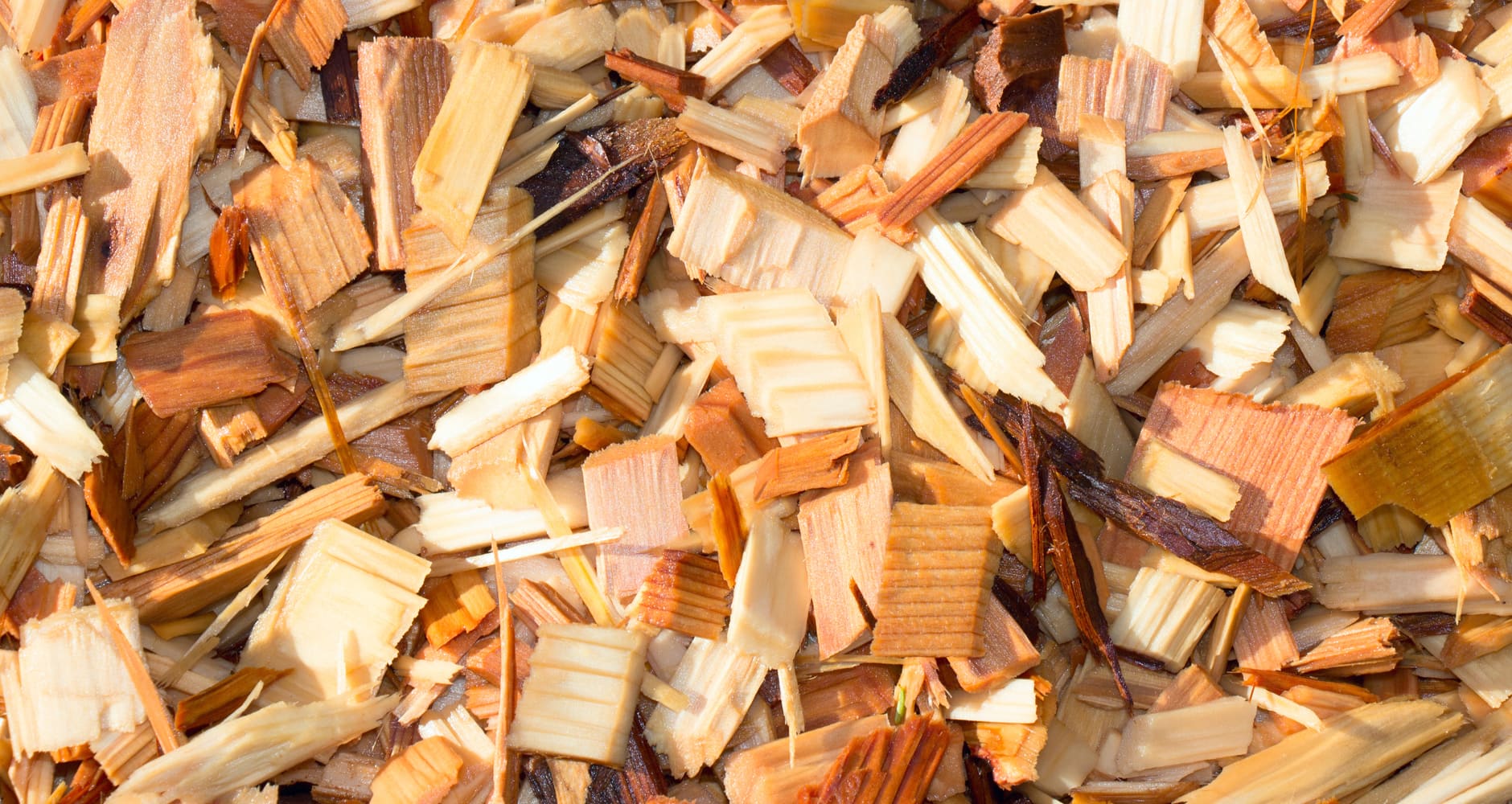
Small cedar blocks, or cloth sachets filled with cedar chips, deter a long list of bugs: fleas, spiders, silverfish, certain ants, moths, cockroaches, termites, and even some flies. Tuck cedar into closets, cabinets, sock drawers, and anywhere bugs slip in. The natural aromatic oils last about 6 to 12 months. Sand the surface lightly with fine-grit sandpaper when the scent fades to release a fresh round.
Silverfish also don’t like cloves! See below!
4. Diatomaceous Earth For Fleas, Stinkbugs, Roaches
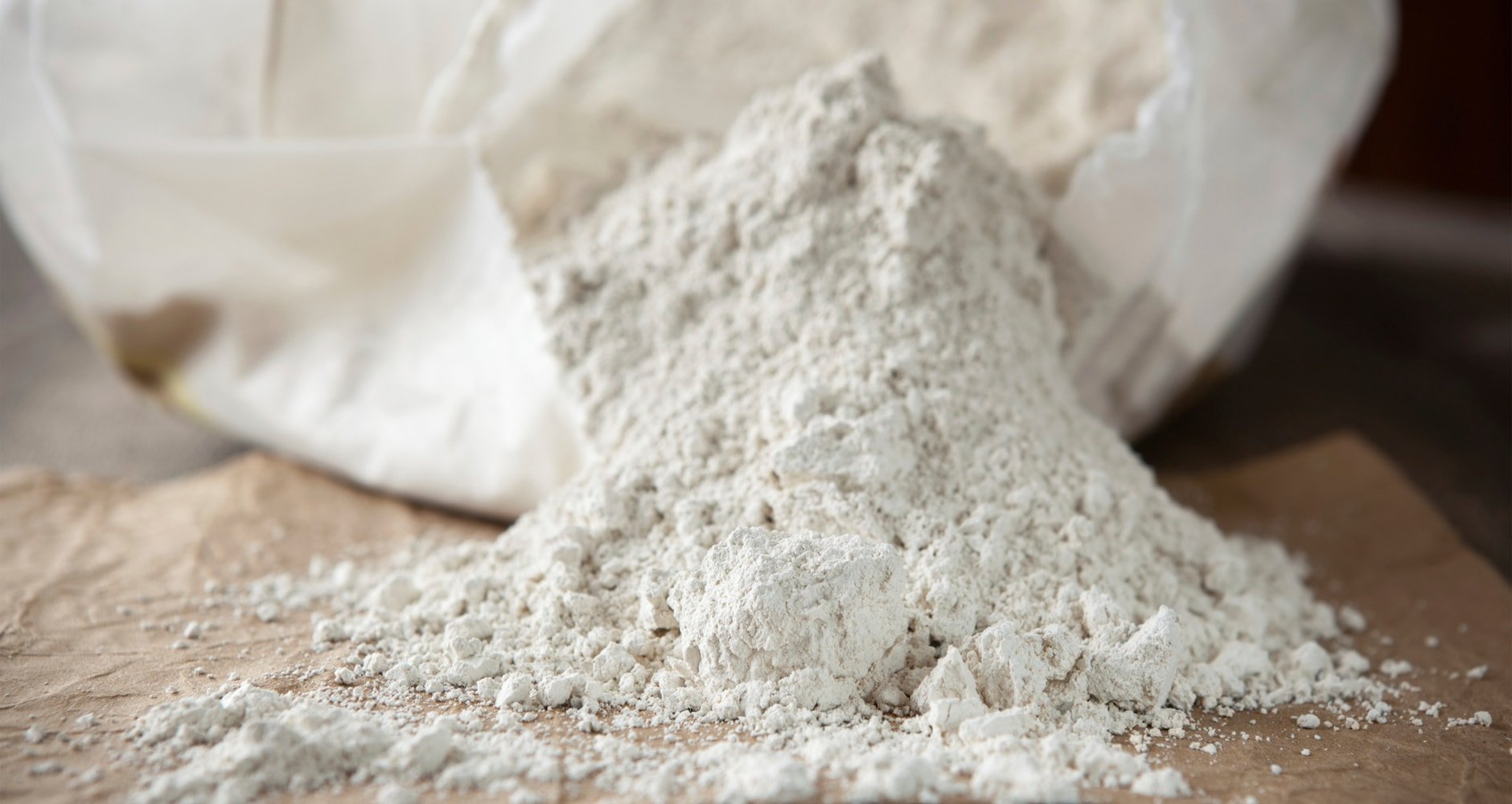
This fine white powder is the fossilized remains of diatoms, hard-shelled algae from ancient lake and ocean beds. Food-grade diatomaceous earth is non-toxic to humans and pets, but it kills any insect with an exoskeleton, including fleas, earwigs, stinkbugs, and cockroaches. Microscopic shards in the powder pierce the bug’s outer shell, and the insect dehydrates within hours. Always buy the food-grade label, never pool or filter grade. Dust a thin line along baseboards, under appliances, and behind the trash can. Read more about DE and how to apply it here.
5. Cinnamon To Repel Mosquitoes, Moths, Ants

Cinnamon is a kitchen favorite that many insects steer clear of. Use it three ways. Tuck cinnamon sticks into closets, cupboards, or pantry corners where bugs hang out. Sprinkle a light dusting of ground cinnamon on windowsills, doorway tracks, and the kitchen sink rim. Or add 8 to 10 drops of cinnamon essential oil to a 2-ounce spray bottle of water and mist cracks, corners, and entry points. The house smells like a holiday morning while it works against mosquitoes, ants, moths, spiders, and other insects.
6. Cloves For Silverfish
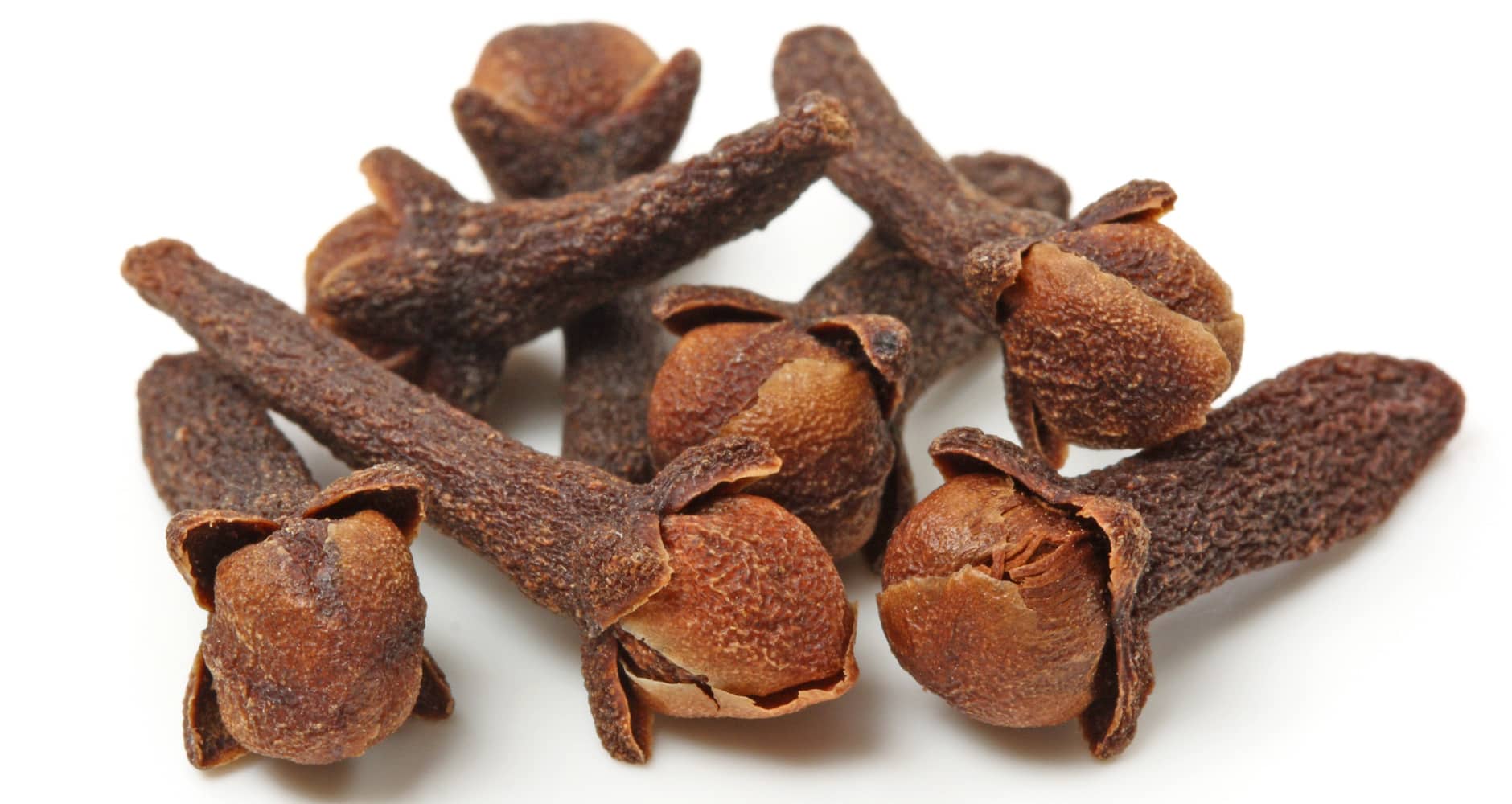
Silverfish are harmless to people, but they chew through book spines, photo albums, and starchy fabrics. To turn them back, scatter a small handful of whole cloves into drawers, closet shelves, and the gaps behind the bookcase. Silverfish hate the smell and find another route. Refresh the cloves every 2 to 3 months when the aroma fades.
7. Eucalyptus Repels Mice

Cotton balls dipped in peppermint or eucalyptus essential oil are an effective mouse deterrent. Tuck a few in any spot a mouse has used: behind the dryer, under the kitchen sink, on the basement shelf, inside the car glove box, or in attic corners. The strong scent disrupts the rodent’s sense of direction. Refresh the cotton balls every 7 to 10 days.
8. Citrus To Repel Spiders

Spiders dislike the bright, sharp scent of citrus, and it is a clean way to keep them out of the house. Rub fresh orange, lemon, or grapefruit peels along windowsills, door frames, and the basement steps. For a longer-lasting spray, soak several orange peels in a cup of white vinegar overnight, strain, and combine with an equal part water in a small spray bottle. Use the infused mix as a sill wipe or as a targeted mist in high-bug-traffic corners.
Natural Bug Repellents for Skin and Clothing
Once you step out the door, the pantry shelf only carries you so far. Skin and clothing are where DIY essential-oil sprays earn their keep, and where the EPA and CDC have spent years sorting the evidence. The recipes below are the ones the Farmers’ Almanac has used for porch suppers, evening walks, and morning chore rounds. None of them last as long as a registered chemical spray, so plan to reapply every 1 to 2 hours and after sweating.
DIY Essential Oil Skin Spray (Mosquitoes and Gnats)
This is the everyday porch spray. Combine the following in a 4-ounce glass spray bottle, shake well before each use, and apply to exposed arms, legs, and the back of the neck. Avoid the eyes, the inside of the elbow, and any open scrapes.
- 2 ounces of witch hazel (carrier and skin-conditioner)
- 2 ounces of distilled water
- 15 drops of citronella essential oil
- 10 drops of cedarwood essential oil
- 10 drops of peppermint essential oil
- 5 drops of rose geranium essential oil (the geraniol stand-in for DEET)
Patch-test on the inner forearm before the first full application. If the skin reddens within 20 minutes, cut the essential oil count in half. This blend is safe for adults and most children over the age of 3, but check with a pediatrician for younger kids.
DIY Clothing and Gear Spray
Some scents are too strong for direct skin contact but excellent on a sleeve, a hat brim, a tent flap, or a hammock rope. The clothing spray below holds up through a day of yard work.
- 4 ounces of distilled water
- 1 tablespoon of unscented rubbing alcohol (helps the oils carry into fabric)
- 20 drops of cedar oil
- 15 drops of oil of lemon eucalyptus (PMD)
- 10 drops of lavender essential oil
Mist sleeves, hat, and pant cuffs before stepping outside. Re-spritz at the porch on the way back in. Spot-test colored fabrics first since the cedar oil can leave a faint mark on light cotton.
Store-Bought Natural Bug Repellents That Actually Work
If you would rather skip the mixing, the EPA’s repellent search tool lists every product that meets federal safety and efficacy standards. The three plant-derived active ingredients with the strongest research base, all naturally derived and EPA-registered, are:
- Oil of lemon eucalyptus (OLE) and its purified form PMD: The plant-based active most often recommended by the CDC for adults and children over 3. Repels mosquitoes for up to 6 hours at 30 percent concentration.
- 2-undecanone: Derived from wild tomato plants. Repels ticks and mosquitoes, registered by the EPA in 2007.
- Geraniol: The active fraction in rose geranium and citronella. Used in candles, wristbands, and pump sprays for short outdoor sessions.
For heavier exposure, the CDC’s mosquito-bite prevention page also lists three synthetic actives the agency considers equally safe at label dose: DEET, picaridin, and IR3535. Plant-based and synthetic options work side by side. Pick the one that matches your situation, then follow the label.
Regional Bug Pressure in the United States and Canada
Bug pressure is not the same across regions. The dominant pests shift with humidity, elevation, and the length of the warm season. Match your prevention routine to your zone, not the calendar date.
| Region | Top indoor pests | Top outdoor pests | Best natural bug repellents |
|---|---|---|---|
| Northeast and Atlantic Canada | Silverfish, carpenter ants, stinkbugs | Deer ticks, blackflies, mosquitoes | Cedar in closets, DE on baseboards, OLE skin spray |
| Southeast and Gulf | Roaches, fire ants, fruit flies | Mosquitoes, no-see-ums, lone star ticks | DE for roaches, vinegar traps, citronella plus cedar spray |
| Midwest and Ontario | House ants, pantry moths, mice | Mosquitoes, deer flies, deer ticks | Cream of tartar at thresholds, eucalyptus cotton balls, OLE skin spray |
| Plains and Prairie Canada | Boxelder bugs, stinkbugs, spiders | Mosquitoes, biting midges, wood ticks | Citrus peel along sills, DE along basement edges, cedar clothing spray |
| Mountain West | Cluster flies, spiders, mice | Mosquitoes at lower elevations, ticks in scrub | Citrus mist, peppermint cotton balls, OLE skin spray on hikes |
| Pacific Northwest and British Columbia | Silverfish, sugar ants, moths | Mosquitoes near water, fleas, gnats | Cloves in drawers, cedar sachets, geraniol pump spray |
| California and Southwest | Argentine ants, spiders, roaches | Mosquitoes (Aedes), kissing bugs, gnats | Cream of tartar barrier, citrus spray, picaridin or OLE for skin |
Pair the table with your local long-range weather forecast. Warm, wet springs almost always bring earlier, heavier insect seasons; cooler, drier ones push the pressure later and lighter.
Safety and the Honest Limits of Natural Bug Repellents
Natural does not mean weak, and it does not mean automatically safer. A few honest caveats from years of reader letters and modern entomology:
- Pets. Essential oils are not recommended for cats. Cats lack key liver enzymes for processing many essential oil compounds. Most of the dilutions above are dog-safe at the concentrations shown, but ask your veterinarian before applying anything new to a pet.
- Children under 3. The CDC and the American Academy of Pediatrics advise against oil of lemon eucalyptus and PMD on children under 3 years old. For infants, mosquito netting on the stroller is the standard.
- Pregnancy. Pennyroyal oil is unsafe during pregnancy. Most of the oils above (citronella, cedar, lavender, rose geranium) are fine in normal dilutions, but always check with a midwife or doctor first.
- Reapplication. Plant-based skin sprays last 1 to 2 hours, not all day. Reapply after sweating, swimming, or a long walk.
- When natural is not enough. In CDC-flagged tick country or during a regional mosquito-borne illness alert, step up to an EPA-registered product. Purdue Extension’s mosquito guidance is a sound regional second opinion.
Plant-Side Companions: Bug Defense from the Garden
This guide focuses on personal-use natural bug repellents: home pantry remedies and DIY skin or clothing sprays. The plant side of bug defense is a separate set of decisions, and the Farmers’ Almanac has companion guides for each angle.
- Mosquito-repelling plants for the yard and patio
- Best natural bug repellents for the garden bed
- Herbal insect repellents to plant along the path
- Fly repellents for the porch, kitchen, and barn
- What to plant to keep bugs away from the whole yard


FAQ: Natural Bug Repellents
What are the most effective natural bug repellents for the home?
For the inside of the house, the eight pantry-staple natural bug repellents covered here, cream of tartar at the ant trail, vinegar and water on the counters, cedar in the closets, food-grade diatomaceous earth along the baseboards, cinnamon at the windowsills, whole cloves in the drawers, eucalyptus cotton balls near the mouse runs, and citrus peels along door frames, handle most household pest pressure when used as a routine, not a one-time fix.
How do I make a natural bug repellent for my skin that actually works?
Combine 2 ounces of witch hazel, 2 ounces of distilled water, 15 drops of citronella oil, 10 drops of cedarwood, 10 drops of peppermint, and 5 drops of rose geranium in a 4-ounce glass spray bottle. Shake well before each use and reapply every 1 to 2 hours. Patch-test on the inner forearm first. For longer protection, the EPA-registered plant-derived option is oil of lemon eucalyptus (OLE or PMD) at 30 percent concentration.
Do natural bug repellents actually work, or are they folklore?
Both. Diatomaceous earth, cedar oil, oil of lemon eucalyptus, and geraniol (from rose geranium and citronella) all have peer-reviewed evidence behind them at the right concentrations. Cream of tartar, cinnamon, cloves, and citrus peels work because they disrupt the scent or chemical trails most household pests rely on. The Farmers’ Almanac view: keep the remedies that line up with modern entomology, and treat the rest as steady supports rather than stand-alone defenses.
Are natural bug repellents safe for kids and pets?
Most of the household remedies above (cream of tartar, vinegar, cedar, cloves, citrus) are safe for kids and pets at the dilutions shown. Food-grade diatomaceous earth is non-toxic to humans and pets. Essential oils are not recommended for cats. Oil of lemon eucalyptus and PMD are not recommended for children under 3. For infants, lean on mosquito netting and long sleeves. When in doubt, ask your pediatrician or veterinarian.
How often do I need to reapply a natural bug repellent on skin?
Most plant-based skin sprays last 1 to 2 hours. Reapply after sweating, swimming, or a long stretch outdoors. EPA-registered oil of lemon eucalyptus at 30 percent concentration can hold up to about 6 hours, but only when applied evenly and not rubbed off by clothing or towels. Set a phone timer for one-hour check-ins on a long evening outside.
When should I switch from a natural bug repellent to a registered product?
If you live in CDC-flagged Lyme or West Nile virus country, are heading into known mosquito-borne illness territory, or will be outside past dusk through the heart of mosquito season, step up to an EPA-registered repellent. DEET, picaridin, IR3535, and oil of lemon eucalyptus all carry strong evidence at label dose. Plant-based and registered options work side by side. Pick the one that matches your exposure, then follow the label.
What are the best natural bug repellents for the garden, not the house?
Garden-side defense is a separate set of decisions. The Farmers’ Almanac covers the plant angle in companion guides on mosquito-repelling plants, the best natural bug repellents for the garden bed, and what to plant to keep bugs away from the whole yard. This guide focuses on personal-use sprays and household pantry remedies.
With contributions from freelance writer, Cynthia McMurray.
The right natural bug repellents are usually the ones already on your shelf. Pair pantry staples for the home with a DIY skin spray for the porch, and lean on the EPA-registered options when the exposure calls for it. Decide what fits your week.


This article was published by the Staff at FarmersAlmanac.com. Any questions? Contact us at questions@farmersalmananac.com.
- Farmers' Almanac Staff

- Farmers' Almanac Staff
- Farmers' Almanac Staff
- Farmers' Almanac Staff






Hey that’s good stuff. Thanks. Keep it up.
I love this article. Good to know how to keep pests out.
Like the fruit flies.
I’ve always been told to put a few drops of dawn detergent in that fruit fly concoction. It does work wonders!
Love this article. Love them all really, so helpful! keep up the great work!
I seen ti recall Farmers Almanac posting an article about how to keep ants and water bugs/roaches away – it was either baking soda aor corn meal – I use both and never see any bugs
Hi Mikki, you might be thinking of our article on diatomaceous earth, which is great to treat both. Here’s the article: https://www.farmersalmanac.com/what-is-diatomaceous-earth-27832
I have used boric acid and sugar in a lids in my garage to take care of roaches