

Apple Cider Vinegar Uses: 7 Home Remedies, Herbal Vinegar Recipes, and Pickled Dandelion Buds
So many wonderful things apple cider vinegar can do! Check out this list.
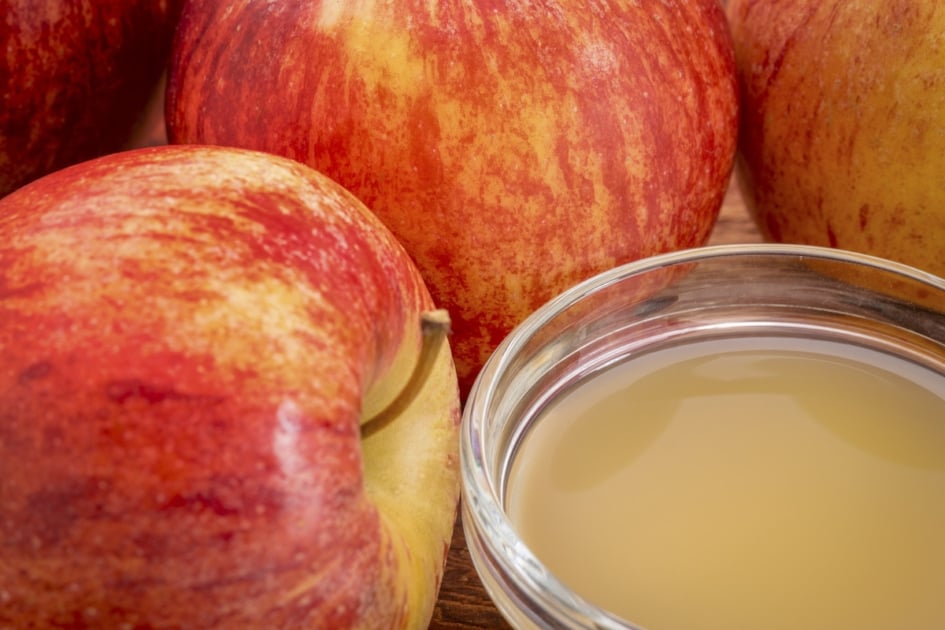
Quick Reference
- Type to buy: raw, unfiltered apple cider vinegar with “the mother” cloud.
- Classic dose: 1 tablespoon in 8 oz warm water, once or twice a day.
- Chicken flock: 4 teaspoons per gallon of drinking water.
- Athletes foot soak: 1/2 cup in a tub of lukewarm water.
- Cooling dab: apply to pulse points, forehead, back of neck, knees for hot flash or fever.
- Never drink undiluted: erodes tooth enamel and can irritate the throat.
- Herbal infusion: chopped fresh herbs in a pint jar, topped with ACV, sit 3 weeks.
Apple cider vinegar shows up in kitchen cabinets and chicken coops alike, and for good reason. According to a 2018 review in the Journal of Evidence-Based Integrative Medicine, the fermented apple juice contains acetic acid, polyphenols, and small amounts of the minerals still bound in the fruit. The Farmers Almanac has printed home uses for apple cider vinegar for generations. This guide keeps every one of the classic seven, preserves the herbal-vinegar recipe and the pickled dandelion buds recipe, and adds a plain-English safety and dosage note the original was missing. Nothing here replaces medical advice, and the classic remedies work best when used the way the Almanac always suggested them: modestly, and with common sense.

Benefits of Apple Cider Vinegar
1. Arthritis Relief

A tablespoon of apple cider vinegar in 8 oz of warm water, drunk first thing in the morning, is the old-time remedy for stiff joints. According to the Arthritis Foundation, evidence for arthritis relief is anecdotal rather than clinical, so treat it as a folk supplement to conventional care, not a replacement.
2. Hydrate Cells
A tablespoon of apple cider vinegar in your water bottle, sipped through the day, is a traditional way to rehydrate cells faster than plain water. The trace minerals and acetic acid may help the body take up water at the cellular level, though the effect is small.
3. Chicken Helper
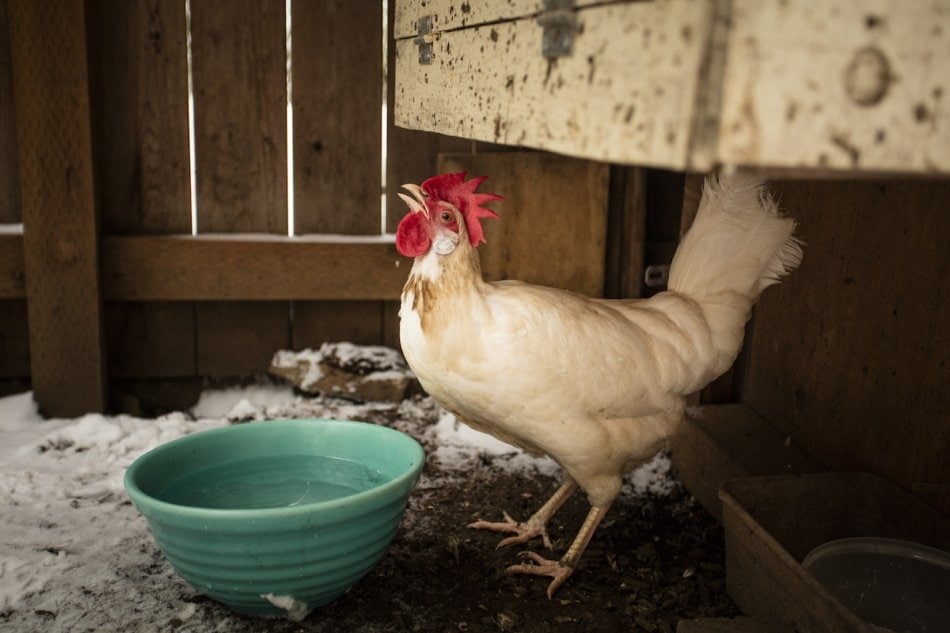
Adding apple cider vinegar to your chickens drinking water is a long-standing homestead trick. It helps harden eggshells, supports digestive health, eases respiratory ailments, and can increase egg production. Mix 4 teaspoons of raw, unfiltered apple cider vinegar into a gallon of drinking water. Use a plastic waterer, since ACV corrodes galvanized metal.
4. Added Minerals
A tablespoon of apple cider vinegar in water delivers trace minerals from the apple: calcium, magnesium, and more. Calcium and iron are also taken in more readily when ingested with acidic food. Apple cider vinegar, tomatoes, oats (yes, oats), all citrus, and even fats and meats fall into that acidic or acidifying camp.
5. Help for Athletes Foot

Try 1/2 cup of plain apple cider vinegar or peppermint-infused vinegar in a tub of lukewarm water to relieve the itch of athletes foot and fungus. A 2020 study in the journal Scientific Reports found acetic acid has measurable antifungal action on several common skin fungi.
6. Cool A Fever or Hot Flash

Cool a fever or hot flash by dabbing apple cider vinegar on pulse points: forehead, back of the neck, insides of the wrists, and behind the knees. As the vinegar evaporates it takes heat with it, an old cooling trick backed by simple physics.
7. Heartburn Reliever

Sipping a tablespoon of raw, unfiltered apple cider vinegar in 8 oz of water is the traditional heartburn and acid reflux fix. The theory: low stomach acid, not high, is often behind reflux, and a small acid dose helps the digestive system reset. If heartburn is chronic, check with a doctor before self-treating.
Apple Cider Vinegar Safety and Dosage: What the Research Actually Says
The Almanac remedies above are folk uses; several have been studied more formally. According to a review published in the Journal of Evidence-Based Integrative Medicine, a daily dose of about one to two tablespoons of apple cider vinegar, always diluted in water, is the range most studies have looked at. Higher doses risk tooth enamel damage and throat irritation.
- Dilute every dose. The American Dental Association flags undiluted vinegar as tough on tooth enamel. Drink through a straw and rinse the mouth after.
- Watch drug interactions. ACV can lower potassium and interact with insulin, diuretics, and digoxin. Check with a doctor first if any of these apply.
- Do not apply undiluted to skin. Acetic acid can cause chemical burns at full strength. Foot soaks and skin dabs should always be diluted in water.
- Buy raw and unfiltered. The cloudy “mother” is where the beneficial polyphenols and enzymes live.
Make and Use Herbal Vinegars
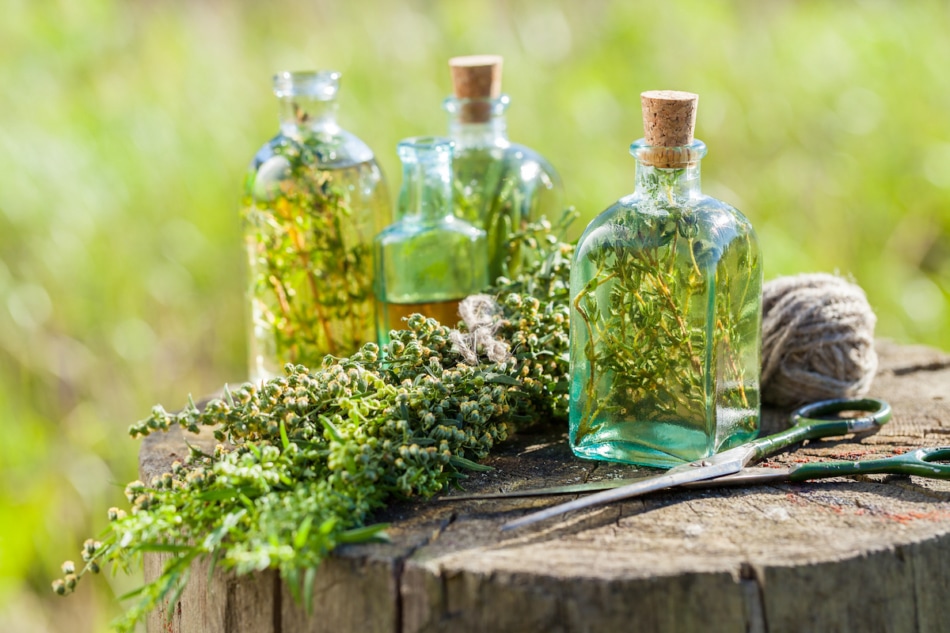
Want extra vitamins and minerals? Making your own herbal vinegars using apple cider vinegar pulls flavor and trace nutrients out of the plants into a shelf-stable liquid. Here is why it works.
Vinegar acts as a solvent to extract vitamins and minerals from herbs and fruit as well as the essential oils and flavors. The acidic nature of vinegar releases iron and calcium and makes them easy for the body to take into cells. Pregnant mothers, women during menses and menopause, growing teens, and people dealing with iron deficiency, arthritis, or bone loss are traditionally nourished by liberal use of plant vinegars. Many people report longer-lasting energy and an overall feeling of well-being with continued use of herbal vinegars.
Make Your Own Herbal Vinegars
Directions. Finely chop edible wild and garden plants of your choice. Pack the plant material tightly into a pint jar. Fill completely with apple cider vinegar. Add a layer of waxed paper between the jar and the lid (if metal lid) to keep the lid from rusting. Let the mix stand on your counter for 3 weeks to a month. Strain and enjoy.
Suggested Combinations
- Peppermint and red clover.
- Garlic, onion, oregano, thyme, and parsley.
- Nettles, yellow dock leaf or root, dandelion leaf and root.
- Blueberries and raspberries.
- Chives, dill, and basil.
- Wild or garden violet leaves, oxeye daisy flowers and leaves, pineapple weed flowers.
- Chickweed, lambsquarters, and nasturtium flowers.
- Motherwort and mugwort.
- Lavender flowers and fennel leaves, flowers, or seeds.
Drizzle Your Vinegars
- Cold noodle salads, stir fry, fruit, spinach, and field green salads, cooked greens.
- Marinate seafood, pork, chicken, beets, and other vegetables. Makes an ideal marinade.
- Mix with ketchup, mustard, brown sugar or molasses, hot peppers, chopped onions, and garlic for a homemade BBQ sauce.
- Combine with olive oil for dipping crusty bread.
Here is a recipe for tasty pickled Dandelion flower buds. A great way to “get rid of” your weeds.
Pickled Dandelion Flower Buds Recipe
Ingredients.
Dandelion flower buds, tightly closed (not ones that closed up for the night; use buds that have not yet opened)
1 clove garlic, chopped
3 tablespoons minced onion
1 teaspoon fresh ginger, chopped
Tamari or soy sauce
Apple cider vinegar
(amounts depending on the size of the jar)
Method. Put garlic, onions, and ginger in the bottom of the jar. Fill with dandelion buds about a third of the way up. Add another half-inch of garlic, onions, and ginger. Add another third of dandelion buds. More garlic, onions, ginger, then fill the jar with dandelion buds.
Pour 1 part tamari or soy sauce to 3 parts apple cider vinegar into the jar. Cover with a plastic lid, or put a bit of waxed paper between the dandelions and a metal lid so the vinegar will not rust your lid shut.
Let it sit for 3 weeks on the counter. No need to refrigerate. Use as a condiment like any pickle, mix into tuna, egg, green, or potato salad, or eat straight from the jar.
Want to try to make your own apple cider vinegar? Try this easy method.
Everyday Cooking Uses for Apple Cider Vinegar
Beyond home remedies, ACV pulls its weight in the kitchen. According to Michigan State University Extension preservation guidance, its acidity is enough to preserve pickles safely when combined with the correct water-to-vinegar ratio.
- Whisk 1 part ACV, 3 parts olive oil, salt, pepper, and honey for a fast salad dressing.
- Splash a tablespoon into simmering greens to brighten flavor without extra salt.
- Brine chicken in a 1:4 ACV to water ratio for 30 minutes before roasting to tenderize.
- Deglaze a pan with 2 tablespoons of ACV after searing pork to make a pan sauce.
- Add a teaspoon to bean-pot cooking water to help beans soften evenly.

Frequently Asked Questions About Apple Cider Vinegar
What is apple cider vinegar and what is “the mother”?
Apple cider vinegar is fermented apple juice: yeast converts the sugar to alcohol, then bacteria convert the alcohol to acetic acid. “The mother” is the cloudy web of cellulose and beneficial bacteria that forms during the second fermentation. Raw, unfiltered ACV with the mother visible is what the Almanac remedies call for.
How much apple cider vinegar can you drink in a day?
The range most studies use is 1 to 2 tablespoons diluted in 8 oz of water, once or twice a day. More than 2 tablespoons a day, or drinking it undiluted, can erode tooth enamel and irritate the throat. Rinse your mouth or use a straw either way.
Does apple cider vinegar help with arthritis?
Evidence is anecdotal. The Arthritis Foundation notes that the clinical research is thin, so treat the classic morning tablespoon as a supplement to standard care, not a replacement for it.
Can chickens drink apple cider vinegar?
Yes. Mix 4 teaspoons of raw, unfiltered apple cider vinegar per gallon of drinking water. It supports gut health and shell strength. Use a plastic waterer, since ACV corrodes galvanized metal.
Does apple cider vinegar cure athletes foot?
A vinegar foot soak can ease the itch and slow the fungus. Studies of acetic acid published in Scientific Reports show antifungal action on common skin fungi, but stubborn cases still need an over-the-counter antifungal.
Why does apple cider vinegar help heartburn?
Reflux can be caused by too little stomach acid rather than too much. A small acid dose signals the lower esophageal sphincter to close. If heartburn is chronic, see a doctor before self-treating.
How long does homemade herbal vinegar last?
Strained herbal vinegar keeps for up to a year in a cool, dark cupboard. Refrigeration extends it further. Pickled dandelion buds, made with the 1 to 3 tamari-to-ACV ratio, do not need refrigeration and hold for many months at room temperature.

Suzanne Jordan
Suzanne Jordan is a Naturalist, Herbalist, Wildcrafter and Director of the Cedar Mountain Herb School. You can learn more about Suzanne and her school at www.goodnaturedearthling.com.
