Maine Wild Blueberry Pie: A Simple Lattice Recipe With Frozen Wild Berries
Quick Reference
- Key ingredient: 4 cups frozen wild Maine blueberries (do not thaw before baking).
- Thickener: 3 tablespoons tapioca starch; sets the filling without turning the crust soggy.
- Oven: 375 degrees Fahrenheit for 45 to 55 minutes, until the juices visibly gel through the vents.
- Rest time: 2 hours minimum before slicing, or the filling runs.
- Wild vs cultivated: lowbush wild berries are smaller, sweeter, and pack roughly twice the antioxidant load per gram, per USDA data.
- Season: fresh Maine wild blueberries hit farm stands late July through mid-August; frozen bags are the year-round substitute.
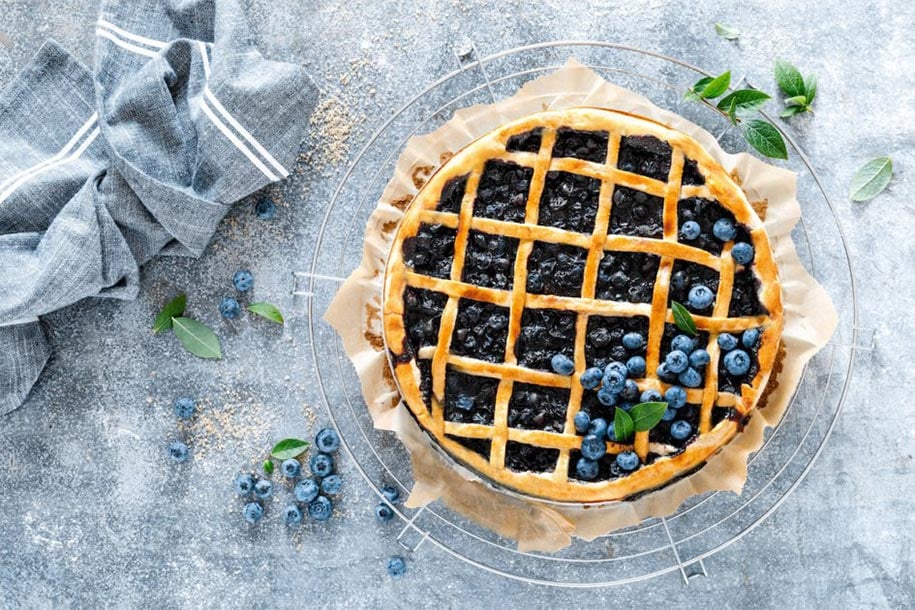
Blueberry pie makes a sweet celebration any time of year, and a Maine wild blueberry pie is the version worth planning ahead for. Wild blueberries are smaller, deeper in color, and pack more flavor per bite than the grocery-store cultivated kind. Below is a simple lattice-crust recipe built around frozen wild berries so you can pull it off in December just as easily as in August.
The Almanac has featured Maine wild blueberry recipes since the 1800s, back when the harvest was raked by hand along the barrens of Washington and Hancock counties. Modern wild blueberry production is still centered in Downeast Maine, and the University of Maine Cooperative Extension publishes the definitive research on lowbush berry science, storage, and cooking chemistry. The tapioca-thickened filling in this recipe follows their published pie guidance almost exactly.

Maine Wild Blueberries
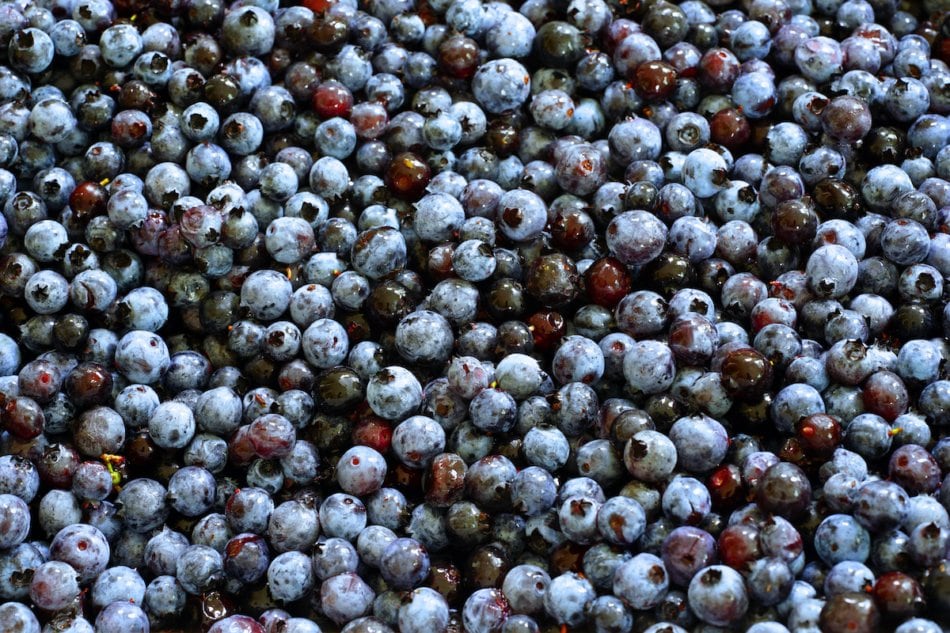
Maine wild blueberries are unlike their larger, cultivated cousin. A perfect creation of nature, they are the product of bees and pollen, not planted seeds. Maine wild blueberries are sweet and explode with flavor. They are also packed with antioxidants.
The recipe below calls for Maine wild blueberries, but if you do not have access to them, you can find wild blueberries in the freezer section of the supermarket. Or, simply use any blueberries you want. The USDA FoodData Central lists wild lowbush blueberries at roughly twice the anthocyanin level of cultivated highbush berries, which is what gives wild-berry pies their darker, richer color.
Just be sure they are frozen before baking. Frozen berries preserve their peak ripeness, taste, and texture. Pie experts say never to thaw them first. Thawing releases juice into the mixing bowl instead of the crust, and the finished pie ends up dry.
Wild Maine Blueberry Pie Recipe
Ingredients:
Dough for a double crust pie (either store bought or your own recipe), rolled out and ready:
- 4 cups frozen wild Maine blueberries
- 1 tbs fresh lemon juice
- 1/3 cup white sugar
- 1/3 cup brown sugar
- 3 tbs tapioca starch
- 1/4 tsp cinnamon
- 1/8 tsp nutmeg
Glaze:
- 1 tbs milk (dairy or soy)
- 2 tbs white sugar
Instructions:
- Preheat oven to 375 F.
- Mix the blueberries and lemon juice together.
- In a separate bowl, mix the sugar, tapioca starch, and spices.
- Add the dry ingredients to the berries and let the mixture sit for 15 minutes, then stir.
- While the mixture sits, line a 9 inch pie plate with one round of the dough.
- When mixture is ready, pour it into the pie crust and cover with the second round of dough.
- Crimp the edges and make slits in the top crust to release the steam.
- Brush milk onto the pie and sprinkle with the 2 tablespoons of sugar.
- Bake for 45 to 55 minutes or until you can see the juices begin to gel.
- Let pie rest for 2 hours before cutting.
- Slice and serve with fresh, real whipped cream, or vanilla ice cream (or both). Enjoy.
Baker’s Field Notes: Why This Method Works
Three details make or break a wild blueberry pie. If yours has ever come out soupy, sticky, or bland, one of these was the culprit.
- Tapioca beats cornstarch here. Cornstarch breaks down above 200 degrees Fahrenheit and can turn the filling gummy. Tapioca gels cleanly and stays glossy, which is why the University of Maine Extension recipe testers landed on it as the standard thickener for wild-berry pies.
- Frozen berries hold their shape. Wild blueberries collapse quickly once thawed. Keeping them frozen until the moment they go in the crust preserves the whole-berry texture in the finished slice.
- Let the mixture rest 15 minutes. That short rest lets the tapioca hydrate and the berries throw a bit of juice, so the filling sets evenly instead of pooling in the center of the pie.
- The 2-hour cool is not optional. The pectin and tapioca need time to set. Cut too soon and you get a beautiful pie of blueberry soup.
Storage and Make-Ahead
Wild blueberry pie holds up better than most fruit pies because tapioca stabilizes the filling.
- Room temperature: up to 24 hours under a loose foil tent. Beyond that, refrigerate.
- Refrigerator: 4 to 5 days, tightly covered. Re-warm slices at 300 degrees Fahrenheit for 10 minutes to restore the crust.
- Freezer: up to 3 months, unbaked (assemble, wrap, freeze) or baked (cool completely, wrap in foil then a freezer bag). Bake an unbaked frozen pie directly from the freezer at 400 F for 20 minutes, then 375 F for another 40.
- Food safety: the USDA FoodSafety.gov cold-storage chart confirms baked fruit pies are safe at room temperature for up to 2 days if fully cooked, then must be refrigerated.
When Fresh Wild Maine Blueberries Actually Peak
Fresh wild Maine blueberries come in a narrow window. Plan your bake weekend accordingly.
- Late July to early August: the earliest wild-berry fields in Washington County start raking.
- Mid August: peak harvest across Downeast Maine, farmers markets flush with pint boxes.
- Late August: tail end of the season; berries still available but slightly smaller and softer.
- September onward: switch to frozen. Wyman’s, Merrill, and Josselyn’s freeze their harvest fresh, and the University of Maine Extension confirms flavor and antioxidant levels hold for 12 months at 0 degrees Fahrenheit.

Frequently Asked Questions
Do I have to use wild blueberries?
No. The recipe works with any blueberries, but wild Maine berries give the deepest color and strongest flavor. Frozen wild berries from the grocery freezer are the year-round stand-in.
Why 375 degrees Fahrenheit and not 400?
375 F gives the filling time to thicken all the way through before the crust over-browns. At 400, the top crust can look done while the center is still runny.
Can I use cornstarch instead of tapioca?
You can, but the result is different. Cornstarch clouds slightly and can turn gummy at high temperatures. Tapioca stays glossy and holds better on day-two slices.
How do I keep the bottom crust from getting soggy?
Bake on a preheated baking sheet, which starts crisping the bottom immediately. Do not thaw the berries first, and let the assembled pie rest for the full 15 minutes so the tapioca can start hydrating.
Are wild Maine blueberries really healthier?
USDA FoodData Central data show wild lowbush berries carry roughly twice the anthocyanin (antioxidant pigment) content of cultivated highbush berries by weight. The University of Maine Cooperative Extension pushes the same finding in its consumer guides.
Can I make this pie gluten-free?
Yes. Swap the pie dough for a gluten-free crust of your choice; the filling ingredients are already gluten-free. Increase tapioca by 1 teaspoon if your gluten-free crust runs thinner than a wheat-flour crust.
How long does the baked pie keep?
Two days at room temperature under a loose foil tent, or 4 to 5 days refrigerated. Reheat slices at 300 F for 10 minutes to re-crisp the crust.


This article was published by the Staff at FarmersAlmanac.com. Any questions? Contact us at [email protected].
- Farmers' Almanac Staff

- Farmers' Almanac Staff

- Farmers' Almanac Staff

- Farmers' Almanac Staff