The Pinwheel Supernova (SN 2023ixf): How To See It and What It Means
Quick Reference: The Pinwheel Supernova (SN 2023ixf)
- Discovered: May 19, 2023, by Japanese amateur astronomer Koichi Itagaki (per NASA and Zwicky Transient Facility confirmations).
- Distance: about 21 million light years, in the Pinwheel Galaxy (M101).
- Where to look: Ursa Major, near the handle of the Big Dipper. Northern Hemisphere and Tropics only.
- Equipment: a 6 inch or larger telescope under dark skies. Binoculars will not resolve it.
- Why it matters: one of the closest supernovae observed in years, and a rare chance for amateur astronomers to catch a live change in the deep sky.
Many Farmers’ Almanac readers who follow our monthly Night Sky Guides asked about the supernova that lit up amateur telescopes overnight on May 19, 2023. So we consulted astronomer Dean Regas for the plain-English breakdown. Below covers what the Pinwheel Supernova (SN 2023ixf) is, why it was a big deal, how amateurs could spot it, and where it fits in the long history of naked-eye supernovae going back to 1006. It also clears up misinformation that spread while the supernova was near peak brightness.
Plan Your Next Move With Our Best Days Calendar
Whether you are starting a project, sowing seeds, cutting hair, or making a decision, our Best Days calendar shows the most favorable dates based on the Moon’s astrological position.
See the Best Days
What is a supernova?
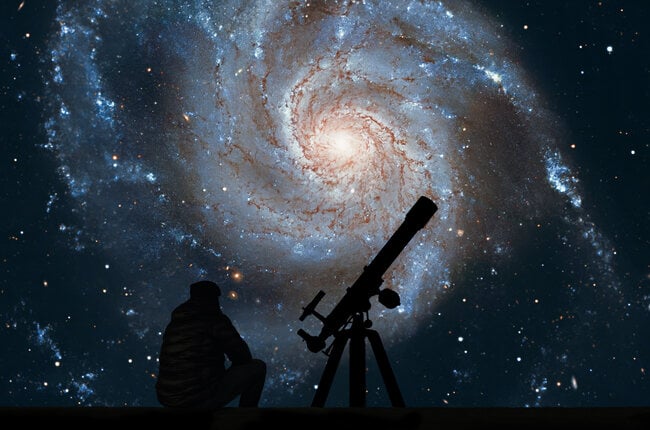
When an exceptionally large star runs out of fuel and collapses, it explodes. That explosion is a supernova. A supernova can create more light in a single moment than an entire galaxy of billions of stars produces. The May 2023 blast is located 21 million light years away in the Pinwheel Galaxy (also known as M101), per NASA distance estimates.
What made SN 2023ixf special?
Two reasons the astronomical community lit up. First, amateur astronomers spotted it with their own backyard equipment, which is rare for a professional-grade discovery. Second, once confirmed, the world’s best professional telescopes on the ground and in space swung toward the Pinwheel Galaxy to catch the light curve. Watching a genuine change in the deep universe unfold in real time is something astronomers see only a handful of times per lifetime.
Why is it called SN 2023ixf?
The International Astronomical Union catalogs supernovae with a strict naming system so nothing gets confused across observatories. SN stands for supernova. 2023 is the year of discovery. The lowercase letters (ixf) track the alphabetical order of confirmation that year. That name is precise, but it does not roll off the tongue, so astronomer Dean Regas suggested the friendlier nickname: the Pinwheel Supernova.
When did it occur and why did we see it when we did?
It was first noticed on May 19, 2023, when amateur and professional astronomers around the world compared photographs of the Pinwheel Galaxy. Where the galaxy usually shows a soft, diffuse glow from billions of stars, a bright new pinpoint of light had appeared on one of the spiral arms. It was not there the previous night, and then, Bang. The animated GIF below shows the difference:
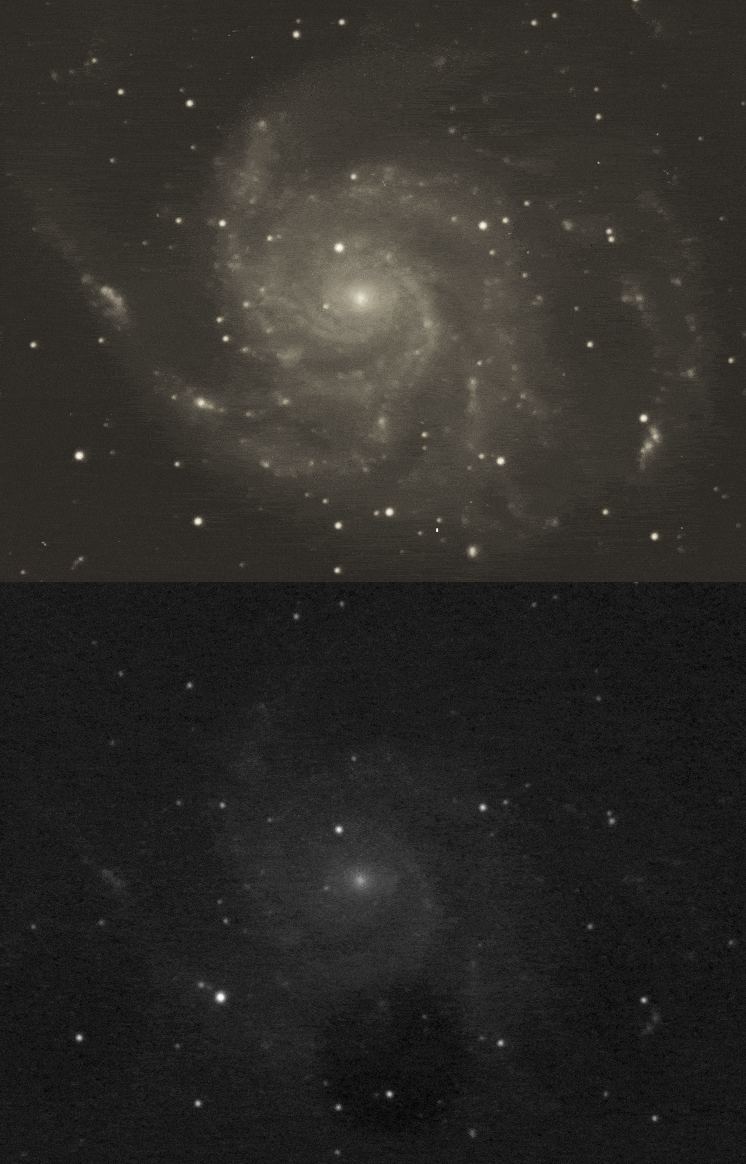
Because the light traveled 21 million light years to reach us, the star actually exploded roughly 21 million years ago. Earth just witnessed the arrival of that light in May 2023.
How long did it last, and will we see another supernova in our lifetime?
Pinning down how long a supernova stays visible is inexact, but similar Type II events have lasted several weeks to a few months before fading. SN 2023ixf followed that pattern, dimming through summer and fall 2023. Astronomers can catch supernovae in other galaxies regularly, but only about two or three occur inside our own Milky Way per century, per NASA.
What time and direction was best for spotting the supernova?
The good news: the Pinwheel Galaxy sits high in the northern sky right after dark for Northern Hemisphere observers. It is also very close to the handle of the recognizable Big Dipper. Face north 1 to 2 hours after sunset, find the Big Dipper’s handle, and you were roughly in the right area (though see the equipment note below).
Was it only visible in the Northern Hemisphere?
The Pinwheel Galaxy sits in Ursa Major (the Great Bear, also called the Big Dipper in the United States), roughly above the midpoint between the stars representing the bear’s nose and eyes. See the illustration below.
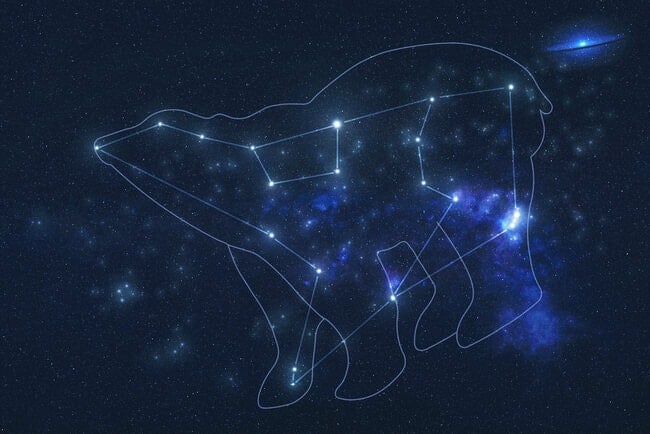
Ursa Major hangs in the northern sky and is visible almost anywhere in the Northern Hemisphere and the Tropics. For most locations south of the Tropic of Capricorn, the galaxy stayed below the horizon and was not visible.
Did you need a telescope? Would binoculars work?
The bad news: you needed a moderately large backyard telescope (roughly 6 inch aperture or more) and dark skies to have a real shot at finding the galaxy, let alone the supernova inside it. Unless you had unusually dark rural skies and an unusually giant pair of binoculars, only a proper telescope would do.
Could you find the supernova with a small telescope?
Some coverage claimed you could spot the Pinwheel Galaxy with any small telescope. That is incorrect. The dramatic photographs of M101 you see online are long-exposure images processed over hours. Even through a large professional telescope, the galaxy looks like a faint gray smudge to the naked eye at the eyepiece.
What did this observation teach us about supernovae?
The heat and pressure of a supernova forge the heavier elements that make life possible: nitrogen, oxygen, iron. The air in your lungs and the iron in your blood traces back to one origin: a tremendous supernova. A long time ago, a massive star exploded and seeded the raw material that became our solar system, our planet, and our bodies. Studies of SN 2023ixf help scientists refine the timing of that element-forging process, per NASA.
What is the brightest supernova anyone has recorded?
No one alive has seen the most brilliant historical supernovae. The brightest ever recorded, SN 1006, occurred on May 1, 1006. Contemporary accounts across China, the Middle East, and Europe describe the star flaring up so brightly that, briefly, it rivaled the Moon in the sky.
When was the last really bright supernova visible in our own galaxy?
The last dramatic supernova to be seen from Earth inside our own Milky Way was Kepler’s Supernova in 1604. The Milky Way stars Betelgeuse, Antares, and Eta Carinae are three candidates that could go supernova any day, or any time in the next several thousand years, per NASA. We just have to keep watching.

Get the Full Farmers’ Almanac All-Access Membership
Unlock long-range weather forecasts, the full print Almanac, Gardening By The Moon, and every folklore, sky, and calendar guide, all in one place, all year.
Join All-AccessPinwheel Supernova FAQ
What is the Pinwheel Supernova (SN 2023ixf)?
SN 2023ixf is a Type II supernova discovered in the Pinwheel Galaxy (M101) on May 19, 2023 by Japanese amateur astronomer Koichi Itagaki, per NASA and Zwicky Transient Facility confirmations. It sits about 21 million light years from Earth, making it one of the closest supernovae observed in years.
What is a supernova, in plain terms?
A supernova is the explosive death of an exceptionally large star. In a single moment, a supernova can outshine the entire host galaxy, sometimes releasing more light than billions of stars combined.
How did SN 2023ixf get its name?
The name follows the International Astronomical Union cataloguing system. SN stands for supernova, 2023 is the year of discovery, and ixf is the alphabetical order of confirmation within that year. Astronomer Dean Regas suggested Pinwheel Supernova as an easier nickname.
When did SN 2023ixf actually occur?
The light we see left the star roughly 21 million years ago, because the Pinwheel Galaxy sits about 21 million light years away, per NASA. The blast reached Earth’s sky on May 19, 2023, which is when the supernova brightened in astronomer’s images overnight.
Do you need a telescope to see SN 2023ixf?
Yes. You need a moderately large backyard telescope (roughly 6 inch aperture or more) and dark skies. The Pinwheel Galaxy itself appears as a faint gray blur to the eye even in a large scope. Binoculars are not enough for reliable viewing.
Where in the sky was it visible?
The Pinwheel Galaxy sits in Ursa Major, near the handle of the Big Dipper, above the midpoint between the stars marking the Great Bear’s nose and eyes. Northern Hemisphere and tropical latitudes could see it high overhead after dark; south of the Tropic of Capricorn, it stayed below the horizon.
How long did the Pinwheel Supernova stay visible?
Similar Type II supernovae have stayed bright for several weeks to a few months before fading. SN 2023ixf followed that pattern, gradually dimming through summer and fall 2023. Astronomers still study its evolving light curve today.
When was the last really dramatic supernova visible from Earth?
The last supernova visible in the Milky Way to the naked eye was Kepler’s Supernova in 1604. The brightest recorded was SN 1006, on May 1, 1006, which briefly rivaled the Moon in the sky. Milky Way supernovae only occur roughly two or three times per century.
Join the Discussion
Did you observe the Pinwheel Supernova in summer 2023, or catch photographs of it in the astronomy press?
Have any questions about supernovae or other deep-sky phenomena?
Share your thoughts and questions in the comments below.
Related Articles
Is Betelgeuse Ready To Explode?
Night Sky Guides for Stargazers
What Was The Star of Bethlehem?
External reference: NASA Hubble mission on supernova imaging.


Dean Regas
Dean Regas is an astronomer and author of seven books including 100 Things to See in the Night Sky and How to Teach Grown-Ups About Pluto and host of the popular astronomy podcast Looking Up with Dean Regas. He can be reached at: www.astrodean.com
- Dean Regas

- Dean Regas
- Dean Regas
- Dean Regas