Halloween Is Over. Here’s Why You Shouldn’t Dump Your Pumpkin in the Woods

The trick-or-treaters have gone home, the candy bowl is nearly empty, and that jack-o’-lantern on your porch is beginning to look a little worse for wear. Halloween is over. Now what do you do with the pumpkin?
You may have seen a suggestion making the rounds on social media: Instead of throwing away your old pumpkin, take it into the woods, break it open, and leave it for deer and other wildlife to enjoy.
It sounds like a thoughtful idea. After all, pumpkins are natural, animals eat them, and anything left behind will eventually decompose. What could be the harm?
Quite a bit, it turns out.
Wildlife experts warn that dumping Halloween pumpkins in forests, parks, and other natural areas can create problems for animals and their habitats. Fortunately, there are several better ways to give your pumpkin a useful second life.
Why You Shouldn’t Leave Pumpkins in the Woods
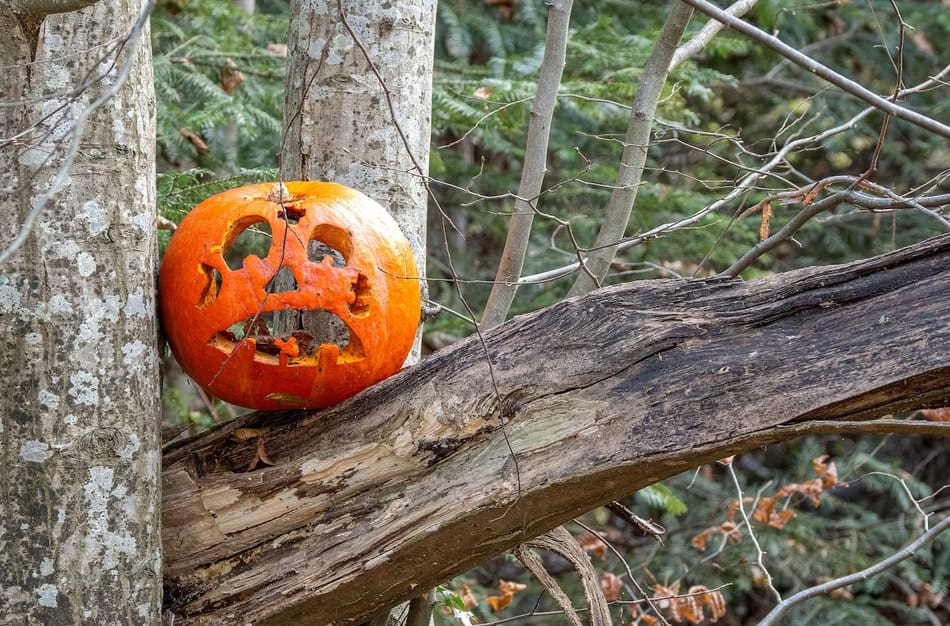
Let’s start with the obvious question: Don’t wild animals eat pumpkins?
They certainly can. Squirrels, deer, raccoons, and other creatures may happily nibble on a pumpkin left outside. The U.S. Fish and Wildlife Service notes that Halloween decorations can become an unexpected food source for wildlife.
But just because an animal will eat something doesn’t mean leaving it out is a good idea.
One concern is that piles of discarded pumpkins can attract wildlife to places where they wouldn’t otherwise gather. When animals congregate around an artificial food source, it can increase the opportunities for diseases to spread.
There’s also the danger of drawing animals toward roads. A pumpkin dumped in a roadside ditch might attract a hungry deer or other animal dangerously close to passing traffic.
And remember, your jack-o’-lantern may not be quite as natural as it looks. Candle wax, paint, glitter, artificial decorations, and other residues can make discarded pumpkins unsuitable for wildlife.
According to University of Illinois Extension, dumping pumpkins and other Halloween decorations in nature preserves can also damage plants and disrupt local habitats. In some places, leaving them on public land is considered littering and may be illegal.
Even the seeds can create problems if discarded pumpkins sprout in places where they don’t belong.
The Best Thing to Do With an Old Pumpkin
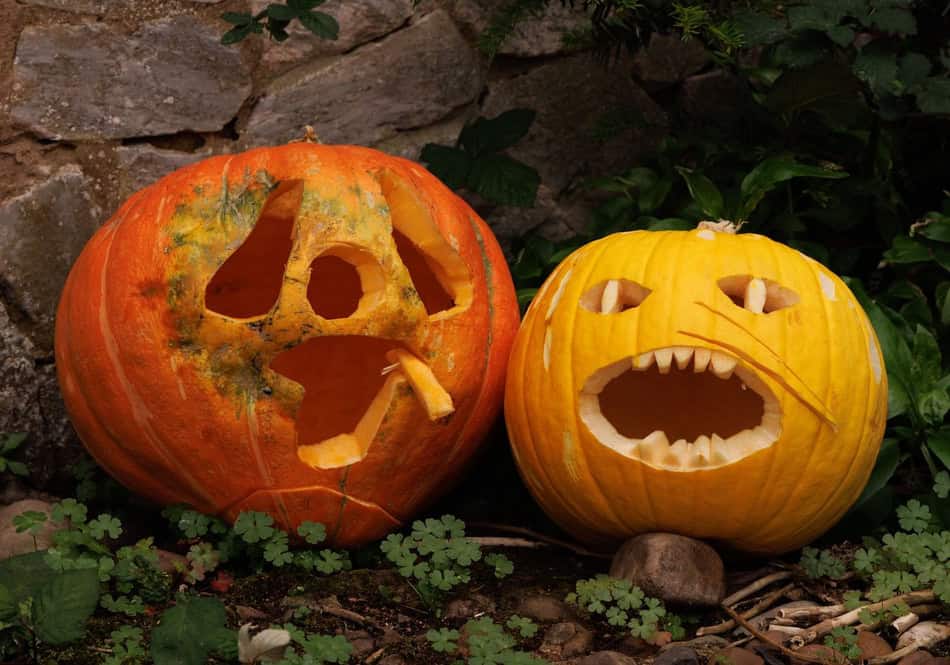
For most households, composting is one of the simplest and most useful ways to dispose of a Halloween pumpkin.
Pumpkins contain plenty of moisture and break down readily when added to a properly maintained compost pile. Instead of taking up space in a landfill, they can become organic matter that benefits your garden.
The first step is to remove anything that isn’t part of the pumpkin. That includes candles, leftover wax, battery-operated lights, stickers, plastic decorations, and other artificial materials.
Painted or glitter-covered pumpkins require special care. If you can’t remove the decorated portions completely, don’t put those materials into your compost.
Next, break the pumpkin into smaller pieces. You don’t need to pulverize it, but cutting it into chunks exposes more surface area and helps decomposers get to work.
Mix the pieces into your compost pile with dry leaves, straw, or other carbon-rich materials. These help balance the pumpkin’s moisture and keep the pile from becoming a soggy mess.
Mississippi State University Extension recommends removing nonnatural decorations and breaking pumpkins into smaller pieces to speed decomposition.
One more tip: If you don’t want surprise pumpkin vines popping up next spring, remove the seeds before composting. Seeds may survive in a compost pile that doesn’t get hot enough to kill them.
No Compost Pile? Look for a Pumpkin Collection
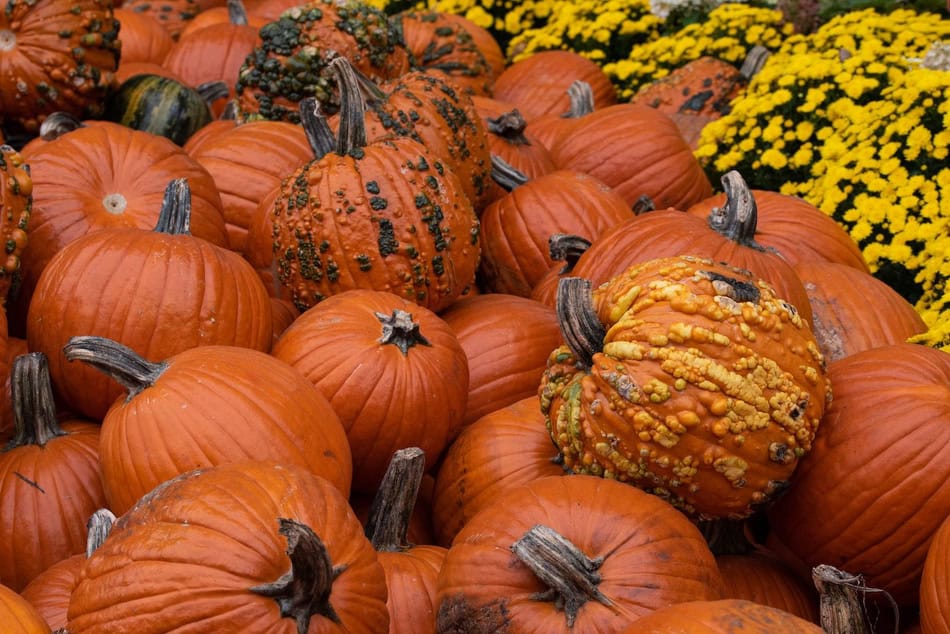
You don’t need a backyard compost bin to keep your old pumpkin out of the trash.
Some communities organize pumpkin collection events after Halloween, collecting undecorated pumpkins and sending them to composting facilities.
Others have food-scrap collection services or designated organics bins that accept pumpkins. Rules vary, so don’t assume pumpkins belong in your regular yard-waste cart.
Check your town or county’s recycling website for instructions.
You might also find a community pumpkin-smashing event. These gatherings turn an otherwise ordinary cleanup job into a little post-Halloween fun, while preparing pumpkins for composting.
The University of Illinois Extension’s Pumpkin Smash program is one example of how communities can collect and compost pumpkins rather than send them to landfills.
Before dropping yours off, check the event’s requirements. Most collection programs don’t want candles, paint, glitter, or other noncompostable decorations mixed in.
Can You Donate Your Pumpkin to a Farm or Zoo?
Sometimes, but don’t assume every farm wants a truckload of leftover jack-o’-lanterns.
Certain farms, animal sanctuaries, zoos, or wildlife rehabilitation organizations may accept pumpkins for animal feeding or enrichment. The important word is “may.”
Animals have different dietary needs, and pumpkins that are moldy, rotting, painted, or contaminated with decorations may be unsuitable.
If you’d like to donate your pumpkin, contact the organization first and ask whether it accepts them, what condition they should be in, and where they can be delivered.
Never leave pumpkins outside a farm gate or animal enclosure without permission.
Can You Still Eat Your Halloween Pumpkin?
That depends on what happened to it during October.
If you have a clean, uncarved pumpkin that has been stored properly and remains sound, it may still be useful in the kitchen. Pumpkin can be roasted, baked, or pureed for soups, breads, and other recipes.
Carving pumpkins tend to be less flavorful than varieties grown specifically for cooking, but their flesh is edible when they’re fresh and handled safely.
An old jack-o’-lantern is another story.
Once a pumpkin has been cut open and spent hours or days sitting on the porch, it shouldn’t be used for cooking. Its exposed flesh may have collected dirt, insects, and harmful microorganisms.
Oklahoma State University Extension advises against eating the flesh of carved pumpkins that have been left at room temperature for extended periods.
Save pumpkin flesh and seeds for cooking when you’re preparing a fresh pumpkin, not after the decoration has spent the week outdoors.
Why Not Just Throw It in the Trash?
Sometimes the trash really is the most practical option, especially when a pumpkin has been heavily decorated or your community doesn’t offer composting.
But composting is preferable when it’s available because organic material decomposing in a landfill can produce methane, a powerful greenhouse gas.
In a healthy compost pile, microorganisms break down pumpkin material under conditions that allow oxygen to circulate. That process returns organic matter to the soil rather than sending it to a landfill.
It’s a useful reminder that one small decision after Halloween can have a longer-lasting effect than the holiday decorations themselves.
Give Your Pumpkin a Better Ending
After weeks of picking pumpkins, carving faces, and arranging decorations, most of us are ready to move on to November.
But that cheerful orange pumpkin doesn’t have to go straight from the porch to the garbage truck.
A compost pile, community collection event, or approved donation can put it to good use. And if none of those options is available, disposing of it through your regular waste service is better than abandoning it in a natural area.
So when someone suggests tossing your old jack-o’-lantern into the woods for the deer, you can pass along a better idea.
Let the forest take care of its own

- Maggie Konrad

- Maggie Konrad
- Maggie Konrad
- Maggie Konrad