

Stink Bugs: How to Keep Them Out and What to Do If They Get In

Stink bugs are looking for winter shelter, and a gap around your window is all the invitation they need. In fall, stink bugs begin searching for places to spend the cold months. Keeping them out of your house is the best way to avoid their smell, but we have some tips for how to remove those that get in without crushing them and releasing their smell.
Keeping stink bugs outside
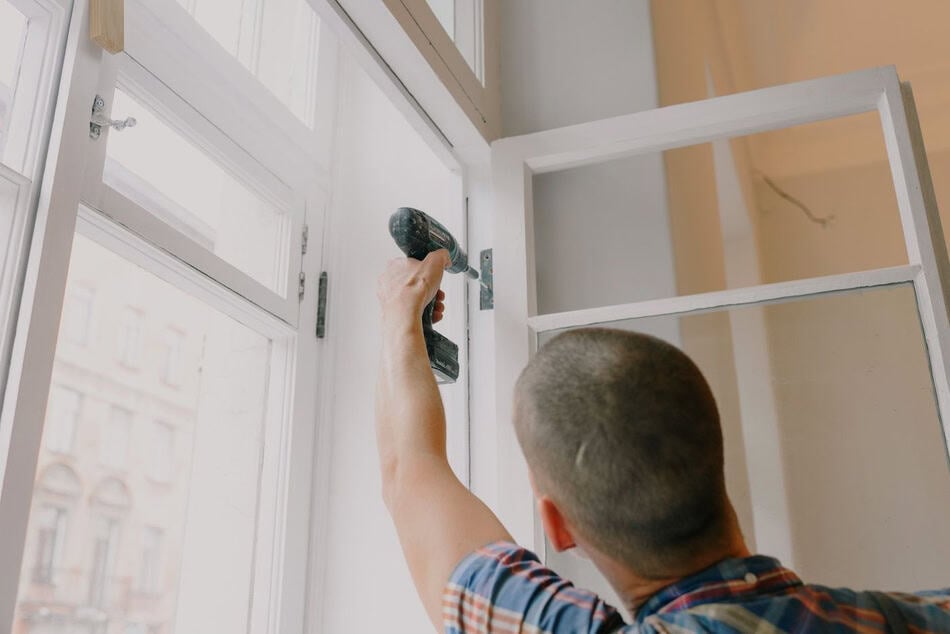
Start with the windows. Check for gaps around the frames and repair any holes in window screens. Then look around the outside of the house for cracks in the siding and openings where pipes or wires come through. Penn State Extension recommends silicone or silicone-latex caulk to seal these entry points. Be sure the product you choose is suitable for the surface.
Doors are worth checking, too, including the garage door. Replace worn weatherstripping and adjust or replace a door sweep that leaves space underneath.
If a window air conditioner is still in place, close any gaps around it. Remove seasonal units when you’re done using them. Damaged screens over attic vents should also be replaced, but leave ventilation and drainage openings clear.
Stink bugs are attracted to lights, so turn off outdoor lights you don’t need near doors and open windows. Leaving a brightly lit door open gives nearby bugs another chance to come in.
Removing the ones that get in
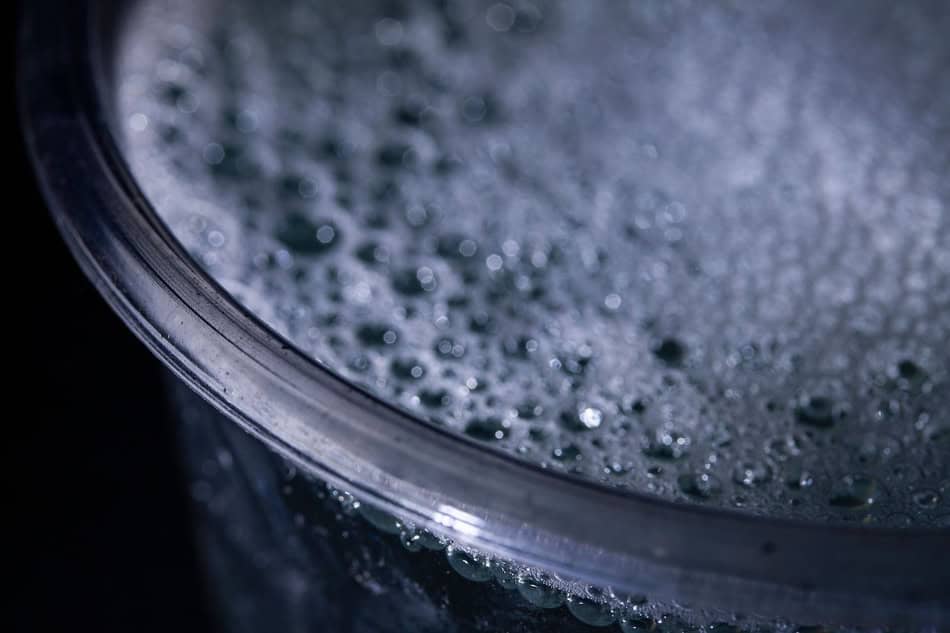
For a stink bug sitting on a window or curtain, grab a container of soapy water and a piece of cardboard. Hold the container beneath the bug and gently brush it into the water, where it will drown. This is one of the methods recommended by University of Maryland Extension. Keep the soap in the container rather than spraying it onto furniture or fabrics.
Avoid picking up a bug in a way that could crush it against your skin. Besides releasing the odor, its defensive secretion can cause skin irritation in some people.
When there are too many to collect by hand, a vacuum will pick up both live and dead bugs. This is a good job for a shop vacuum or a spare machine, since the smell can linger in the equipment. Empty the collected bugs into soapy water, or promptly remove and discard the vacuum bag.
There’s also a homemade trap worth trying if bugs keep turning up. The University of California’s pest management guide recommends putting water and a few drops of dish soap in a foil roasting pan. Set it in a dark room and aim a light toward the pan. Bugs attracted to the light fall into the water. Keep the lamp and cord well away from the water, place the pan out of reach of children and pets, and empty it after use.
Indoor sprays and foggers won’t prevent more stink bugs from entering. Spraying insecticides into wall spaces or attics can create another problem, leaving dead bugs that attract carpet beetles.
Still finding stink bugs?
Look closely in the cracks and crevices. Some may already be hiding behind baseboards or around window trim. Even after the entrances are sealed, those bugs can continue to emerge.
If you can’t remove them all, the good news is that stink bugs don’t reproduce indoors or cause structural damage.

