Foods You Can Grow on Your Deck: 6 No-Yard Picks

Quick Reference: Foods You Can Grow on Your Deck
- Cherry tomatoes: 5-gallon pot, full sun for 6 to 8 hours a day, a sturdy cage, and they keep producing until frost.
- Lettuce: shallow containers, loose-leaf varieties, succession plant every few weeks, best in spring and fall.
- Peppers: 3 to 5 gallon pots with good drainage, a warm sheltered spot, and dark pots that soak up heat.
- Herbs: small pots near the door, basil, parsley, thyme, oregano, and chives, snipped fresh while you cook.
- Green beans: bush types in pots, pole types up a railing or trellis, and they fix nitrogen in the soil.
- Strawberries: pots, hanging baskets, or railing planters, with everbearing varieties for multiple harvests.
Think you need a big backyard to grow your own food? Think again. A small deck, a balcony, or a patio is plenty of room for a working kitchen garden, and this 2026 growing season is a fine time to start one. Whether you have a few square feet of railing or a sunny corner by the back step, you can raise a surprising amount of fresh produce in containers. Some crops actually prefer the controlled footing of pots and planters, where you set the soil and manage the water yourself. Here are 6 foods that thrive on a deck and deliver big flavor in small spaces, along with the pot sizes, sun, and timing each one wants.
Container Gardening Basics on a Deck
Before you pick your crops, get the footing right. Three things decide whether a deck garden thrives: sun, soil, and drainage. Most vegetables want full sun, which means six to eight hours of direct light a day, so watch your deck through the morning and afternoon before you commit a pot to a corner. Use a quality potting mix rather than plain garden dirt, which packs down hard and chokes roots in a container. And make sure every pot has drainage holes, because standing water rots roots faster than any pest. The University of New Hampshire Extension keeps a plain-English fact sheet on growing vegetables in containers if you want to confirm pot sizes and soil for your own setup.
Containers dry out faster than garden beds, especially on a hot deck where the boards throw heat back up at the pots. Plan to water more often in the heat of summer, sometimes daily for small pots, and group plants together so they shade each other’s roots. Get those basics squared away and the six crops below will reward you all season.

1. Cherry Tomatoes
If you grow just one thing on your deck, make it cherry tomatoes. They are more forgiving than the big slicing varieties, they produce heavily, and they do beautifully in containers. Use a 5-gallon pot with good drainage, add a sturdy cage so the plant has something to lean on, and set it in full sun for six to eight hours a day.
The bonus with cherry tomatoes is the long run: a healthy plant will keep producing right up until frost. Pick the ripe fruit often and the plant keeps setting more. Few crops give a deck gardener so much for so little fuss.
2. Lettuce
Lettuce is fast-growing and perfect for shallow containers, since its roots stay near the surface. Loose-leaf varieties are ideal for decks because you can harvest the outer leaves while the plant keeps growing from the center, which means one pot feeds you for weeks. Succession plant a fresh batch every few weeks and you will have continuous salads instead of one big glut.
Lettuce prefers cooler temperatures, which makes it a natural for spring and fall growing. In the heat of midsummer it tends to bolt and turn bitter, so move the pot into afternoon shade or hold your main plantings for the shoulder seasons.
3. Peppers
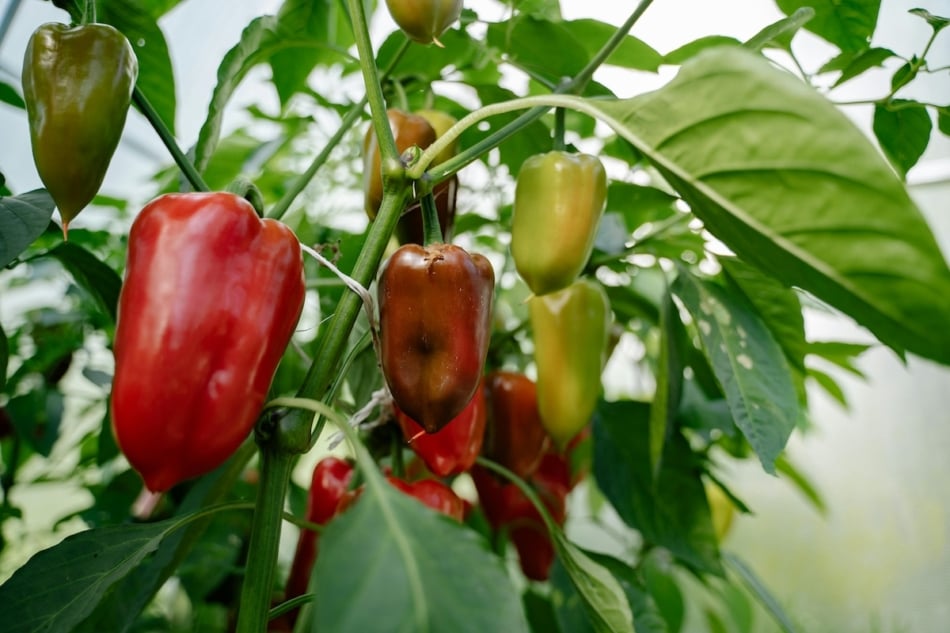
Sweet or hot, peppers are excellent container plants. They love warmth and do not need a huge pot, just 3 to 5 gallons with good drainage. Set them in a sunny, sheltered spot out of the wind, and they will reward you with steady harvests all summer long.
Here is a hot tip worth remembering: dark-colored pots absorb heat, which peppers appreciate. On a deck that already runs warm, that extra warmth at the roots can mean an earlier and heavier crop. Just keep an eye on the water, since dark pots in full sun dry out quickly.
4. Herbs
Basil, parsley, thyme, oregano, chives: herbs are tailor-made for deck gardening. Most of them thrive in smaller pots and do not mind being crowded close together, so a single planter box can hold a whole cook’s garden. Keep that box near your door for easy snipping while you are at the stove.
There is a thrift angle, too. Fresh herbs are one of the most expensive items in the grocery cart and one of the easiest things to grow yourself. A few dollars of seedlings in spring can save you a small fortune in clamshell packs over the summer.
5. Green Beans
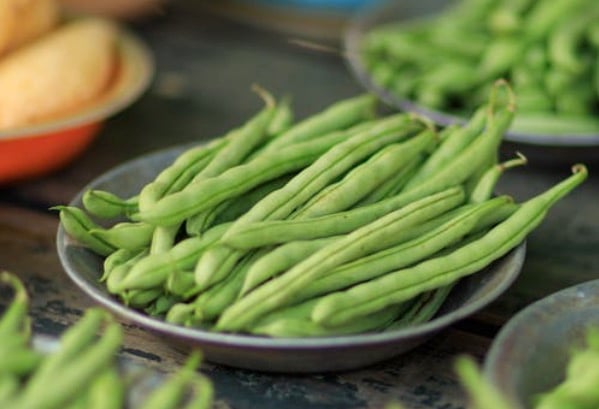
Yes, even beans can grow on a deck. Bush beans grow compactly in containers and need no support, while pole beans will happily climb a simple trellis or your deck railing. Both kinds are quick to mature and often produce more than you expect from such a small footprint.
Beans pull double duty, too. As legumes, they fix nitrogen in the soil, leaving the potting mix a little richer for whatever you plant in that container next. That is a quiet bonus most deck crops cannot offer.
6. Strawberries
Strawberries are perfect for containers, hanging baskets, or railing planters. The plants stay compact and produce beautifully in pots, which keeps the berries up off the ground and away from slugs. Choose everbearing varieties if you want multiple harvests spread across the season rather than one short June rush.
Nothing beats stepping outside in the morning and picking fresh berries for breakfast. A railing of strawberry plants turns a plain deck into something that earns its keep.
Companion Planting in Deck Containers
Even in pots, good neighbors help. Basil planted near tomatoes is a classic deck pairing, and many gardeners tuck a marigold into the corner of a vegetable pot to help keep pests at bay. Keep heavy feeders like tomatoes and peppers in their own pots so they are not fighting for room, and let quick crops like lettuce fill in around the edges of a larger container while the main plant sizes up. For a fuller pairing chart, see our companion planting guide.
When to Plant Your Deck Garden
Timing on a deck follows the same rules as the ground, just with a little more flexibility, since you can move pots indoors on a cold night. Cool-season crops and warm-season crops want different windows.
Frost dates run weeks apart across the country, so the calendar date shifts with your region while the rule of thumb holds: warm-season crops like tomatoes, peppers, and beans go out after your last spring frost, and cool-season lettuce goes in earlier and again in fall. Container gardeners with a love of the old ways still grow potatoes in bags on the patio, too, and you can read our guide to growing your own potatoes if you want to add a root crop to the deck.
- Above-ground crops like tomatoes, lettuce, peppers, beans, and strawberries favor the light, or waxing, of the Moon.
- The Gardening by the Moon Calendar lists this month’s Best Days to plant in your area.

Foods You Can Grow on Your Deck: Frequently Asked Questions
What are the easiest foods you can grow on your deck?
Cherry tomatoes, lettuce, peppers, herbs, green beans, and strawberries are all well suited to deck containers. Cherry tomatoes are the most forgiving for beginners, and loose-leaf lettuce and herbs give you the fastest payoff from a small pot.
How much sun does a deck garden need?
Most vegetables, including tomatoes and peppers, want full sun, which means six to eight hours of direct light a day. Watch your deck through the morning and afternoon before placing pots, and save the shadier spots for lettuce and leafy crops.
What size pots do deck vegetables need?
Cherry tomatoes do best in a 5-gallon pot with a cage, peppers want 3 to 5 gallons, and lettuce, herbs, and strawberries are happy in shallow containers and railing planters. Every pot needs good drainage holes so the roots do not sit in water.
Can you grow vegetables on a balcony or patio with no yard?
Yes. A small deck, balcony, or patio is plenty of room for a container kitchen garden. Some crops actually prefer pots, where you control the soil and water, and you do not need any yard at all to grow a steady supply of fresh produce.
How often should I water deck containers?
Containers dry out faster than garden beds, especially on a hot deck where the boards radiate heat. Plan to water more often in summer, sometimes daily for small pots, and group plants together so they shade each other’s roots and hold moisture.
When is the best time to start a deck garden?
Plant cool-season lettuce in early spring and again in late summer for fall. Set out warm-season tomatoes, peppers, and beans after your last spring frost. Frost dates vary by region, so the calendar date shifts while the rule of thumb stays the same.

- Tim Konrad

- Tim Konrad
- Tim Konrad
- Tim Konrad