


Quick Reference: Easter 2027
- Easter Sunday (Western): Sunday, March 28, 2027
- Easter Sunday (Orthodox / Pascha): Sunday, May 2, 2027
- Palm Sunday: March 21, 2027
- Good Friday: March 26, 2027
- Ash Wednesday: February 10, 2027
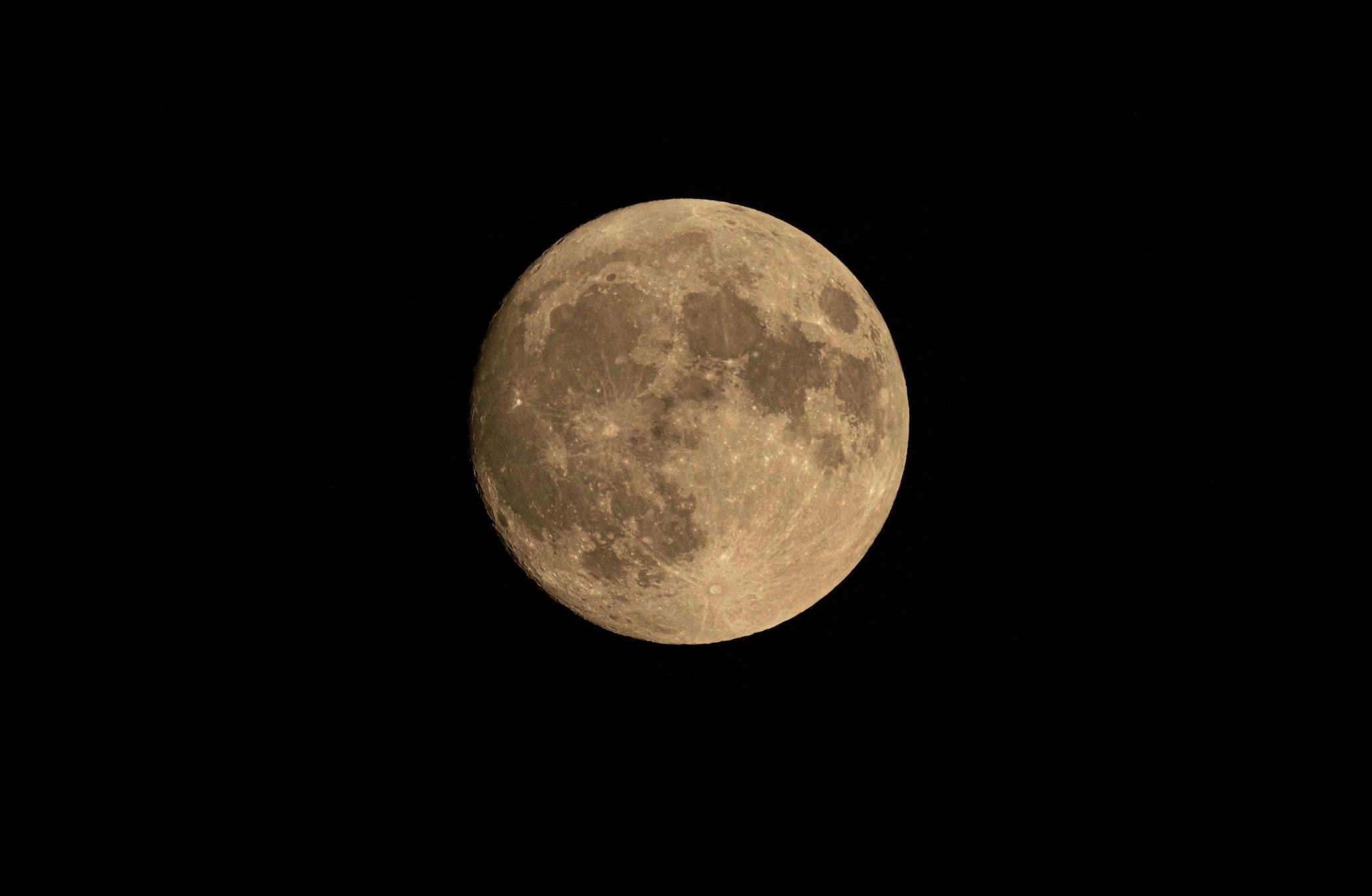
- Paschal Full Moon: March 22, 2027 (the first full Moon after the spring equinox)
- Rule: The first Sunday after the first full Moon of spring
Easter 2027 is on Sunday, March 28, for Western Christian churches. Eastern Orthodox churches mark Pascha five weeks later, on Sunday, May 2, 2027. Easter Sunday is always on a Sunday, but the calendar date moves each year because the holiday is set by the Moon, not by the Gregorian calendar.
How the Easter Date Is Set
According to a 4th-century ecclesiastical ruling, Easter Sunday is the first Sunday after the first full Moon of spring, known as the Paschal Moon. The rule is simple, the math is not, and that combination is why the date drifts by as much as five weeks year to year.
For 2027, the spring equinox falls on Saturday, March 20. The first full Moon after the equinox, the Full Worm Moon, arrives on Monday, March 22. The Sunday that follows, March 28, is Easter. Palm Sunday, the Sunday before Easter, lands on March 21, and Good Friday on March 26.
March 22 is the earliest Easter can occur in any given year, and April 25 is the latest. If the first spring full Moon happens to fall on a Sunday, Easter Sunday is observed on the following Sunday.

Why Easter Moves Every Year
Easter and the holidays attached to it, including Ash Wednesday, Palm Sunday, and Good Friday, are called “moveable feasts” because they are not fixed dates on the Gregorian calendar.
These holidays follow a lunisolar calendar, which tracks both the Moon’s phases and the Sun’s position. Passover and most Jewish holidays use a similar lunisolar system. Plain English: the Sun decides the season, the Moon decides the week. The U.S. Naval Observatory’s calendar reference walks through the underlying math if you want the deep version.
Astronomers can pinpoint the exact moment the Moon opposes the Sun, which is the astronomical full Moon. The Church, however, uses its own calculation, the ecclesiastical full Moon, anchored to a fixed church date of March 21 for the equinox and a centuries-old reckoning called the Golden Number. Most years the two agree. In rare years they do not, and the Church goes with its own table.
Easter Around the World
Most of the world celebrates Easter on one of two Sundays. Western churches (Roman Catholic, Anglican, Lutheran, and most Protestant denominations) follow the Gregorian calendar and the ecclesiastical full Moon. Eastern Orthodox and most Oriental Orthodox churches follow the older Julian calendar, which currently runs 13 days behind. The two systems agree some years and disagree others.
In 2027 the two dates are five weeks apart. Western Easter falls on March 28; Orthodox Pascha falls on May 2. The next time the two traditions celebrate on the same Sunday is April 16, 2028.
Western Easter: March 28, 2027
| Country / Region | Local Name | 2027 Date | What’s Distinctive |
|---|---|---|---|
| United States | Easter Sunday | March 28 | Egg hunts, Easter baskets, ham dinner, sunrise services. |
| United Kingdom & Ireland | Easter Sunday | March 28 | Hot cross buns on Good Friday, simnel cake, bank-holiday Monday. |
| Italy & Vatican City | Pasqua | March 28 | Papal Urbi et Orbi blessing in St. Peter’s Square, colomba di Pasqua bread. |
| Spain | Semana Santa | March 28 | Week-long processions of nazarenos and pasos, especially in Seville and Malaga. |
| Mexico | Pascua / Semana Santa | March 28 | Reenactments of the Passion of Christ, particularly in Iztapalapa. |
| Brazil | Pascoa | March 28 | Chocolate eggs hung in stores, Passion plays in Nova Jerusalem. |
| Philippines | Pasko ng Pagkabuhay | March 28 | Salubong dawn ceremony reenacting the meeting of the risen Christ and Mary. |
| Germany | Ostern | March 28 | Osterfeuer (Easter bonfires), Easter trees decorated with painted eggs. |
| France | Paques | March 28 | Bells, not the Easter Bunny, are said to deliver chocolate eggs to children. |
| Canada | Easter Sunday | March 28 | Statutory holiday Friday and Monday in most provinces. |
Orthodox Pascha: May 2, 2027
| Country / Region | Local Name | 2027 Date | What’s Distinctive |
|---|---|---|---|
| Greece | Pascha | May 2 | Midnight Resurrection service with candles, red-dyed eggs, magiritsa soup, lamb on the spit. |
| Russia | Paskha | May 2 | All-night Paschal Vigil, kulich bread, paskha cheese pyramid, the greeting “Khristos voskrese.” |
| Serbia, Bulgaria, Romania, Ukraine | Pascha / Vaskrs / Paste | May 2 | Egg-cracking contests (tucanje), basket blessings, lamb dishes. |
| Ethiopia | Fasika | May 2 | End of a 55-day Lenten fast with doro wat (chicken stew) and injera bread. |
| Egypt (Coptic) | Eid el-Qiyama | May 2 | Coptic Orthodox liturgy followed by Sham Ennessim, an ancient Egyptian spring festival, on the Monday after. |
| Armenia | Zatik | May 2 | Armenian Apostolic services, harisa wheat-and-meat porridge. |
| Cyprus | Pascha | May 2 | Fireworks at midnight, flaouna cheese pastries, lambratzia bonfires. |
Why the Two Easters?
Three calendar choices drive the difference:
- The base calendar. Western churches use the Gregorian calendar, introduced in 1582. Most Orthodox churches still calculate Easter on the Julian calendar, which is currently 13 days behind.
- The reference equinox. Western Easter uses the fixed ecclesiastical date of March 21 for the equinox. The Orthodox calculation also uses March 21, but on the Julian calendar, which corresponds to April 3 on our civil Gregorian calendar.
- The relationship to Passover. Eastern tradition holds that Easter must follow the Jewish Passover, in keeping with the order of events in the Gospels. Western tradition dropped that rule.
The two traditions only line up when the lunar and calendar conditions allow it. The next “shared” Easter Sunday after 2027 is April 16, 2028.
Upcoming Easter Dates Through 2032
| Year | Western Easter | Orthodox Pascha | Same Day? |
|---|---|---|---|
| 2027 | March 28 | May 2 | No |
| 2028 | April 16 | April 16 | Yes |
| 2029 | April 1 | April 8 | No |
| 2030 | April 21 | April 28 | No |
| 2031 | April 13 | April 13 | Yes |
| 2032 | March 28 | May 2 | No |
Earliest, Latest, and Rare Alignments
- Earliest possible Easter: March 22. The last time it landed there was 1818, and the next time will be 2285.
- Latest possible Easter: April 25. The last time was 1943; the next is 2038.
- Most common date: April 19, statistically.
- Western and Orthodox alignment: happens roughly one year in three. After 2028, the next aligned Easters are 2031, 2034, 2037, and 2038.
A Reader Question We Answered
A few years back, a reader named Gary wrote in to ask why the full Moon date we listed sometimes differed from the date he saw printed elsewhere. The answer is time zones. The astronomical full Moon happens at one precise moment worldwide, but that moment can fall on different calendar dates depending on where you live. That matters when the Paschal Moon is reckoned in Jerusalem and you are reading the calendar in, say, Akron. We added the clarification then; we still owe Gary the credit.
Plan Your Easter Day
If you celebrate Western Easter, mark Sunday, March 28, 2027. If your tradition is Orthodox, your Pascha is May 2, 2027. Either way, the run-up is what makes the day feel like Easter: Lent or the Great Fast, Holy Week services, dyed eggs, the slow reappearance of spring greens at the market.
- Check your local Easter weather forecast two weeks ahead, since spring storms can shift outdoor plans fast.
- Look up where the Easter Bunny actually comes from if the kids ask.
- If ham is on the table, our piece on why we eat ham (and eggs) at Easter has the back story.
- Pick the right day for outdoor projects with the Best Days Calendar; Holy Week often coincides with prime planting weather.


Frequently Asked Questions
When is Easter 2027?
Western Easter is Sunday, March 28, 2027. Orthodox Pascha is Sunday, May 2, 2027. The two dates are five weeks apart in 2027 and converge again on April 16, 2028.
Why doesn’t Easter have a fixed date?
Because it is set by the Moon, not by the calendar. A 4th-century church ruling tied Easter to the first Sunday after the first full Moon of spring, the Paschal Moon. The Moon’s phase shifts the date by up to five weeks year to year.
Why is Orthodox Easter on a different Sunday?
Orthodox churches calculate Easter on the older Julian calendar, which is currently 13 days behind the Gregorian calendar that the West uses. Eastern tradition also requires Easter to follow the Jewish Passover. Some years the lunar conditions line up and the two Easters share a Sunday; most years they do not.
What is the Paschal Moon?
The Paschal Moon is the first full Moon on or after the spring equinox. In 2027 the Paschal Moon is the Full Worm Moon on March 22. Easter Sunday follows on the next Sunday, March 28.
When is Easter 2028?
Sunday, April 16, 2028. It is one of the rare years when Western and Orthodox Easter share the same Sunday.
What are the earliest and latest possible Easter dates?
March 22 is the earliest possible Easter; April 25 is the latest. Both are rare. The most common date, statistically, is April 19. If the first spring full Moon falls on a Sunday, Easter is observed on the following Sunday.
Is Easter related to Passover?
Yes. Both holidays use a lunisolar calendar, and the Gospel accounts of the crucifixion and resurrection are set during Passover week. Western and Eastern churches handle the relationship differently, which is one reason Easter can fall before, during, or after Passover depending on the year.
Join the Discussion
What does Easter look like at your house? Sunrise service, ham dinner, midnight Resurrection service, dyed red eggs, sock hunts, simnel cake, magiritsa? Tell us in the comments below, and tell us what you would like added to this page next year.

Great explanation of Easter 2027 and how the date is determined each year. I especially liked the section explaining why Easter moves around the calendar, as it makes the topic much easier to understand. It’s also useful to have the important dates and traditions in one place. For readers looking for more food and dining ideas, Twin Peaks is worth checking out.
Hi I’m jack so Christmas is done before the new year in 2024 then 12 months in 2024