Summer Kitchen Tips Your Grandparents Swore By
From keeping corn sweet to reviving wilted lettuce, these old-fashioned kitchen tricks still work today.
Summer brings an abundance of fresh fruits and vegetables, but it can also feel like a race against time before they lose their flavor and freshness. Long before modern food storage gadgets, home cooks relied on simple, practical methods to make the most of every harvest.
Whether you’re bringing home produce from your garden, the farmers market, or the grocery store, these timeless tips can help reduce waste and keep summer favorites tasting their best.
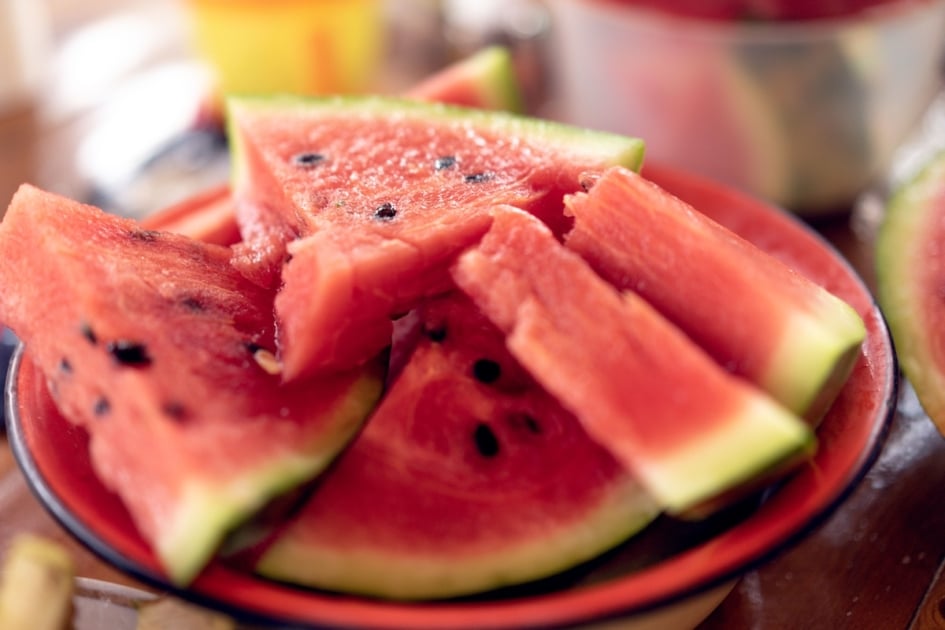
🍉 Can You Freeze Watermelon?
Yes! Watermelon freezes surprisingly well—but with one important caveat.
Because watermelon is about 92% water, it becomes soft after thawing and won’t have the same crisp texture you enjoy fresh. That means frozen watermelon is best used in:
- Smoothies
- Frozen cocktails and mocktails
- Slushies
- Sorbets
- Fruit pops
How to freeze it:
- Cut the watermelon into cubes or use a melon baller.
- Remove any seeds.
- Arrange the pieces in a single layer on a baking sheet.
- Freeze until solid (about 2–4 hours).
- Transfer to a freezer-safe bag or airtight container.
Properly stored, frozen watermelon keeps its best quality for 8–12 months.
🥬 Revive Wilted Lettuce
If your lettuce has gone limp, don’t toss it just yet.
Fill a large bowl with ice water, then soak the leaves for 15–30 minutes. As the lettuce absorbs water, the cells become firm again, often restoring much of its original crispness.
After soaking:
- Pat the leaves dry.
- Spin them in a salad spinner if you have one.
- Store them in the refrigerator wrapped loosely in a clean kitchen towel or paper towel inside a container.
This trick also works well for celery and many fresh herbs.
🌿 Keep Fresh Herbs Alive Longer
Nothing is more disappointing than opening the refrigerator to find slimy parsley or wilted cilantro.
Different herbs prefer different storage methods.
Tender herbs
(Cilantro, parsley, dill, mint)
Trim the stems and place them in a jar with about an inch of water, much like a bouquet of flowers. Loosely cover the tops with a plastic bag and refrigerate. Change the water every few days.
Woody herbs
(Rosemary, thyme, sage)
Wrap these herbs in a slightly damp paper towel, then place them inside a resealable bag or airtight container in the refrigerator.
These simple methods can often keep herbs fresh for a week or more.
🍅 Where Should You Store Tomatoes?
One of the biggest kitchen mistakes is putting fresh tomatoes straight into the refrigerator.
Cold temperatures dull their flavor and can make the flesh mealy.
Instead:
- Store ripe tomatoes on the counter.
- Keep them out of direct sunlight.
- Place them stem-side down to help reduce moisture loss and slow spoilage.
Only refrigerate tomatoes if they become overripe and you need to extend their life for another day or two. Let them come back to room temperature before eating for the best flavor.
🌽 How to Keep Corn Sweeter
Fresh-picked sweet corn begins converting its natural sugars into starch almost immediately after harvest.
For the sweetest flavor:
- Refrigerate corn as soon as possible.
- Leave the husks on until you’re ready to cook it.
- Cook within a day or two for peak sweetness.
If you buy corn at a roadside stand or farmers market, try to enjoy it the same day whenever possible.
Old-Fashioned Kitchen Wisdom Still Works
Many of the best kitchen tips have been passed down through generations for a reason—they’re simple, inexpensive, and effective.
This summer, remember these tried-and-true tricks:
- Freeze watermelon for refreshing treats.
- Bring wilted lettuce back to life with ice water.
- Store herbs the way florists store flowers.
- Keep tomatoes on the counter, not in the refrigerator.
- Refrigerate fresh corn quickly to preserve its natural sweetness.
Sometimes Grandma really did know best.

- Tim Konrad

- Tim Konrad
- Tim Konrad
- Tim Konrad