Don’t Wait for Frost: These Houseplants Should Come Inside
Don’t wait for frost to bring houseplants indoors. Learn which plants should come inside at 50°F, which tolerate chilly nights, and how to avoid pests and leaf drop.

If your houseplants spent the summer basking on the porch, patio, or deck, don’t make the mistake of waiting for the first frost to bring them back indoors.
For many common houseplants, 50°F is the temperature to watch.
Most of the plants we grow indoors originated in tropical or subtropical climates. While they may love spending summer outside, chilly autumn nights can quickly become stressful. Some species may suffer cold damage when temperatures fall into the mid-40s, and many horticulture experts recommend beginning the move indoors once nighttime temperatures are consistently approaching 50°F.
That means your deadline may arrive weeks before your first frost.
Check the Farmers’ Almanac forecast and average dates for your area before cold weather sneaks up on you.
See the Farmers’ Almanac First Frost Dates for 2026
Quick Answer: When Should You Bring Houseplants Inside?
Start transitioning most houseplants indoors when nighttime temperatures begin falling into the low 50s. Aim to have cold-sensitive tropical plants safely inside before temperatures fall below about 50°F.
Some tougher plants can handle nights in the 40s, but tropical plants such as hibiscus, many orchids, calatheas, philodendrons, pothos, and figs are better moved sooner rather than later.
The University of Minnesota notes that, depending on the species, temperatures below approximately 45–50°F can damage houseplants. Iowa State University similarly recommends moving most houseplants back inside when nighttime temperatures are consistently around 50°F.
The Important Part: Don’t Wait for Frost
Your houseplant does not need to freeze to suffer cold damage.
Frost and freezing temperatures are a much later threshold. Tender tropical foliage can become stressed well before the thermometer reaches 32°F.
That makes your local first-frost date useful as a seasonal warning—but the nighttime forecast is more important than the calendar when deciding when to move houseplants.
For more on what cold temperatures do to plants, see our guide:
Frost Temperature and Outdoor Plants: What You Need to Know
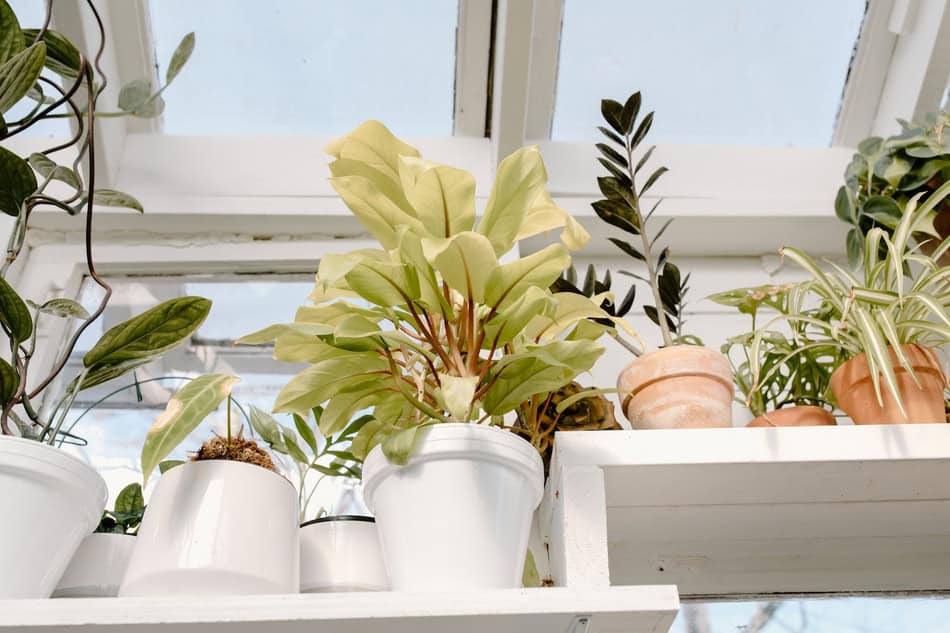
Houseplant Temperature Chart: When Should Each Plant Come Inside?
These temperatures should be considered safe “bring-it-inside” triggers, not exact temperatures at which a plant will die. Cold tolerance varies by cultivar, how long the plant remains cold, wind exposure, moisture, and overall plant health.
| Plant | Bring Inside When Nights Approach | Notes |
|---|---|---|
| Calathea / Prayer Plant | 55–60°F | Very tropical; dislikes sudden temperature changes |
| Phalaenopsis Orchid | 55–60°F | One of the more cold-sensitive common orchids |
| Tropical Hibiscus | 50–55°F | Prefers temperatures above 50°F |
| Fiddle-Leaf Fig | 50–55°F | Sudden cold and light changes may trigger leaf drop |
| Weeping Fig (Ficus) | 50–55°F | Particularly famous for dropping leaves after environmental changes |
| Pothos | Around 50°F | Tropical; move inside before prolonged chilly nights |
| Philodendron | Around 50°F | Avoid extended exposure to cold temperatures |
| Boston Fern | Around 50°F | Transition gradually to indoor light and humidity |
| Spider Plant | Around 50°F | Fairly forgiving, but prolonged cold is unnecessary stress |
| Snake Plant | Around 50°F | Tough indoors but still a warm-climate plant |
| Jade Plant | 45–50°F | More tolerant of cool nights than many tropical foliage plants |
| Many Cacti & Succulents | 45–50°F | Some tolerate colder conditions, depending on species |
| Geranium (Pelargonium) | 40–45°F | Can tolerate chilly, frost-free conditions better than most tropical houseplants |
| Cattleya / Many Oncidium Orchids | Around 50°F | Several tolerate the mid-40s briefly |
| Cymbidium Orchid | Around 40°F | An exception: many cymbidiums actually appreciate cool fall nights |
Succulents generally prefer temperatures around 55–75°F, although Iowa State notes that some tolerate temperatures down to roughly 45°F. Orchids vary dramatically: the American Orchid Society recommends protecting many cattleyas below about 50°F, while cymbidiums can tolerate much cooler nights.
Tropical hibiscus deserves special attention. Smithsonian Gardens recommends temperatures above 50°F and notes that colder conditions can damage the plant.
When in doubt, use 50°F. There is little benefit to gambling with a favorite houseplant just to squeeze out another week on the patio.
Which Houseplants Can Handle Chilly Fall Nights?
Not every potted plant needs to come running indoors the first time you see 49°F in the forecast.
Some plants are considerably more cold-tolerant than others.
Geraniums can be overwintered in frost-free conditions around 40°F. Many succulents tolerate temperatures in the upper 40s, provided their species is suited to cooler conditions. Several cattleyas and oncidium-type orchids tolerate brief exposure to the 40s, while cymbidium orchids are famous for enjoying cool fall nights.
But there is an important distinction between “can survive” and “will be happiest.”
If you intend to keep a plant actively growing as a houseplant all winter, bringing it indoors somewhat earlier usually makes the transition easier.
Before You Bring Anything Inside, Check for Hitchhikers
The biggest mistake after waiting too long to bring plants inside is bringing them indoors too quickly.
That lush fern or hibiscus may be carrying an entire miniature ecosystem with it.
Common pests that hitchhike indoors include:
- Aphids
- Mealybugs
- Whiteflies
- Spider mites
- Scale insects
- Thrips
- Fungus gnats
- Ants
- Slugs and other insects hiding around containers
Once indoors, a small outdoor pest problem can become a major winter infestation. Warm household temperatures and the absence of outdoor predators can allow pest populations to expand quickly.
Inspect These Five Places
1. Tops of leaves: Look for spots, discoloration, stippling, sticky residue, and unusual bumps.
2. Undersides of leaves: This is where aphids, whiteflies, spider mites, eggs, and other tiny pests frequently hide.
3. Leaf joints and stems: Mealybugs often resemble little tufts of white cotton tucked into protected crevices.
4. Pots and saucers: Inspect rims, drainage holes, cracks, handles, and the bottoms of containers.
5. Soil: Look for crawling insects, larvae, fungus gnats, ants, and unusual movement when you water.
Sticky “honeydew” on leaves or surfaces beneath a plant can be another warning sign of sap-feeding pests such as aphids, scale, or mealybugs.
If necessary, rinse foliage thoroughly with water before the plant comes indoors. For an actual infestation, use a product specifically labeled for the pest and for use on houseplants, such as an appropriate insecticidal soap or horticultural oil, following the label exactly.
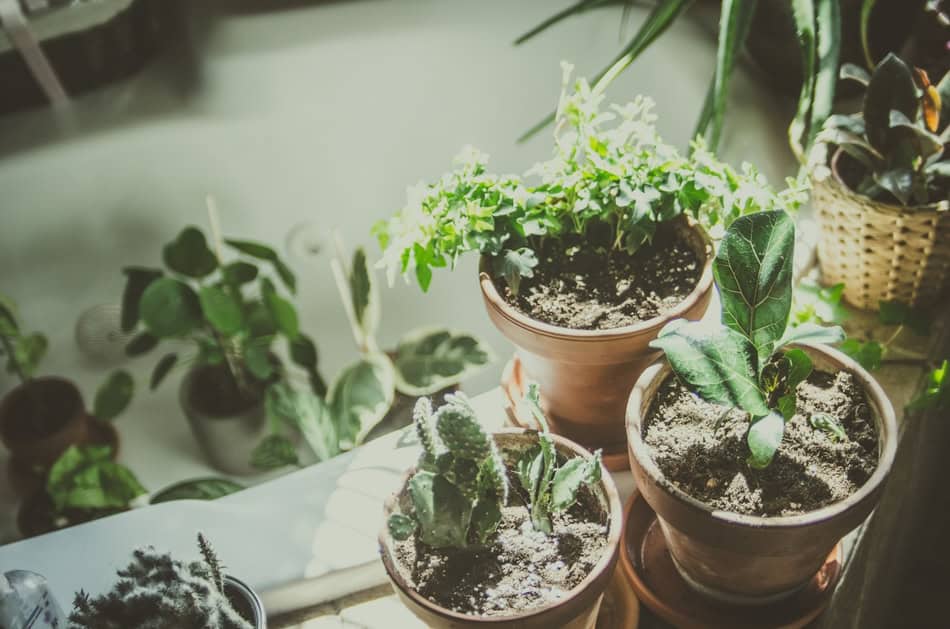
The 7-Day Houseplant Transition Schedule
Moving a plant directly from a bright September patio into a dim living room can be almost as stressful as exposing it to cold.
Use this one-week transition instead.
Day 1: Watch the Forecast
When nighttime lows begin approaching the low 50s, start the process. Gather the plants you intend to save and identify the most cold-sensitive ones.
Move them from exposed locations into a protected porch, covered patio, or bright shaded area.
Day 2: Inspect the Leaves
Check every leaf—especially the undersides—with good light. Look for webbing, sticky residue, white cottony material, scale-like bumps, yellow speckling, eggs, or visible insects.
Day 3: Inspect the Pots and Soil
Check drainage holes, pot rims, saucers, and the soil surface.
Remove dead foliage and debris sitting on top of the potting mix. Wash dirt and debris from the exterior of the container.
Day 4: Rinse and Treat Problems
Give sturdy plants a thorough rinse outdoors and allow the foliage to dry.
If you discover pests, isolate the affected plant and treat the specific problem before introducing it to your indoor plant collection.
Day 5: Bring Plants Into Quarantine
Move plants indoors—but not directly beside your existing houseplants.
Choose a separate room, enclosed porch, spare bedroom, or other suitable space with good light.
Day 6: Adjust the Watering
Plants usually need less water indoors because light levels, temperature, air movement, and growth rates change.
Do not automatically continue your midsummer watering schedule.
Check the soil first.
Day 7: Begin Moving Toward the Winter Location
If the plant looks healthy, gradually shift it toward the light level it will receive during winter rather than immediately putting it in a dark corner.
The transition week may be over, but the quarantine period should continue.
How Long Should You Quarantine Outdoor Houseplants?
For maximum protection, keep returning plants separated from your established houseplant collection for about three to four weeks.
Penn State recommends isolating new plants and plants brought indoors for the winter for roughly three weeks, while Iowa State recommends three to four weeks. That gives hidden pests time to become noticeable before they spread throughout your home.
Inspect quarantined plants every time you water them.
Finding one mealybug on a plant sitting alone in a spare room is annoying.
Finding hundreds of them after the plant has been sitting among 15 other houseplants is another matter entirely.
Why Do Houseplants Drop Leaves After Coming Indoors?
You did everything right.
The plant came inside before the cold.
There are no bugs.
And suddenly leaves start turning yellow and falling.
Before assuming the plant is dying, consider the most dramatic environmental change it just experienced: light.
Outdoor light is far more intense than most indoor light—even when the plant spent summer in the shade.
Iowa State Extension notes that tropical hibiscus and weeping figs are especially prone to dropping leaves after moving inside. University of Maryland Extension also notes that plants returning indoors after a summer outside may experience yellowing and leaf drop while adjusting to lower light.
Plants alter their leaves according to the conditions in which those leaves develop. A sudden move from bright outdoor conditions to a darker living room can leave a plant temporarily unable to support all of its foliage.
That is why gradual acclimation matters.
Move the plant into brighter indoor light first, then gradually relocate it to its final winter location if necessary.
If your home is particularly dark, supplemental grow lighting can also help.
For more indoor-growing ideas, visit our Farmers’ Almanac houseplant section:
Houseplant Care and Indoor Gardening
Don’t Overwater After Bringing Plants Indoors
There is another reason houseplants sometimes struggle shortly after returning indoors: we keep caring for them as though it were still July.
Outdoors, plants contend with stronger sunlight, wind, higher evaporation rates, and active summer growth.
Indoors, all of those can decrease.
As growth slows, the potting mix may stay wet much longer.
Check the soil rather than watering according to a rigid schedule. University of Maryland Extension specifically cautions gardeners against overwatering houseplants while they acclimate to indoor conditions.
If you’re looking for easy varieties that tolerate ordinary indoor conditions particularly well, see our guide:
9 Easy Houseplants Anyone Can Grow
The 50°F Fall Houseplant Rule
The simplest way to remember all of this is:
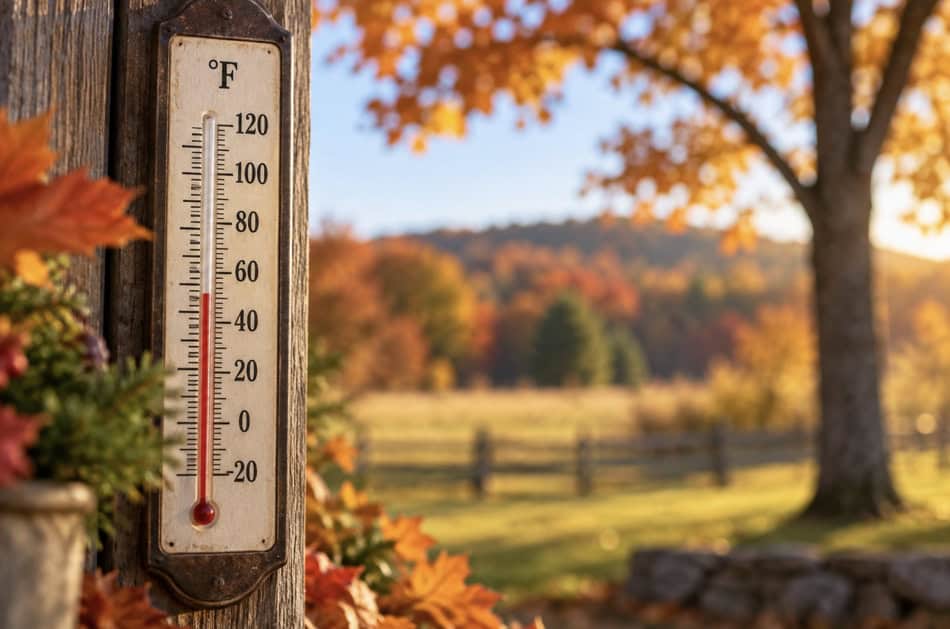
50°F means it is time to act.
You do not necessarily have to rush every cactus and geranium through the front door the moment the thermometer touches 50°F.
But when nighttime temperatures begin consistently dipping into the low 50s, your tropical houseplants should already be transitioning toward their winter home.
Do not wait for the first frost warning.
By then, some of your most sensitive plants may already have spent several cold, stressful nights outdoors.
Watch the thermometer, inspect every plant carefully, make the move gradually, and quarantine the newcomers before reuniting your indoor jungle.
Mother Nature will take care of the rest.
Frequently Asked Questions
Is 50°F too cold for houseplants?
For many tropical houseplants, 50°F is close to the lower end of their comfortable temperature range. Brief exposure may not cause obvious damage, but consistent nighttime temperatures near 50°F are a good signal to begin moving plants indoors. Some species can be damaged below roughly 45–50°F.
Can houseplants survive 40°F?
Some can, but many common tropical houseplants should not be intentionally exposed to 40°F temperatures. Certain geraniums, succulents, cacti, and cool-growing orchids tolerate colder conditions, while tropical foliage plants may suffer damage.
Should I bring houseplants inside before frost?
Yes. Do not use frost as your deadline. Most tropical houseplants should be moved indoors well before nighttime temperatures approach freezing.
Should I spray plants before bringing them indoors?
Inspect first. Rinsing foliage with water can physically remove many pests. If insects are present, use a treatment labeled for that particular pest and approved for houseplant use, following all label directions.
How long should outdoor plants be quarantined?
A good target is approximately three to four weeks before placing them near established indoor houseplants.
Why is my plant losing leaves after I brought it inside?
A sudden decrease in light is a common cause. Indoor conditions can be dramatically darker than outdoor conditions, and plants such as ficus and hibiscus are especially likely to shed leaves while adjusting. Gradual acclimation and adequate indoor light can reduce the shock.
One More Fall Gardening Reminder
While you are watching nighttime temperatures for your houseplants, this is also the time to check your garden’s expected frost window, harvest tender crops, and prepare anything outdoors that will need protection later in the season.
Check Your 2026 First Frost Date
Explore More Farmers’ Almanac Fall Gardening Guides


- Farmers' Almanac Staff

- Farmers' Almanac Staff
- Farmers' Almanac Staff
- Farmers' Almanac Staff