What Happened to Red Delicious Apples?
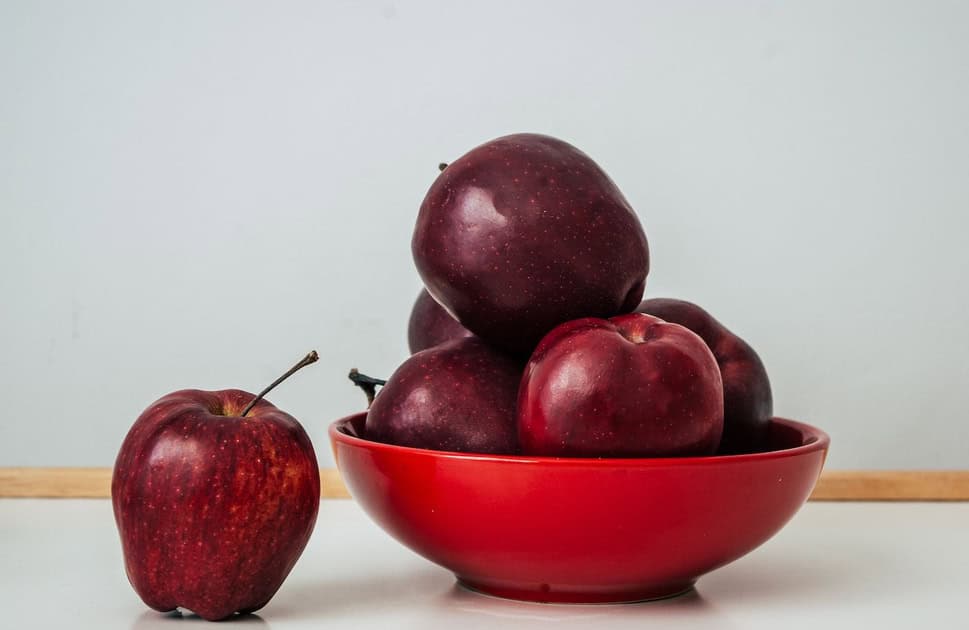
With a name like Red Delicious, you expect a good apple. But bite into one and you may find soft, mealy flesh with little flavor beneath that glossy red skin. How did such a familiar apple become such a disappointment?
The original apple had a very different reputation. It won admirers for its flavor, and long ago, its skin had red and yellow stripes. Over generations, growers selected redder versions, while shoppers eventually found other apples they preferred.
The Apple That Earned Its Name
Red Delicious began as a chance seedling on Jesse Hiatt’s farm near Peru, Iowa. Hiatt called his apple Hawkeye.
According to Stark Bro’s account of its discovery, the fruit had striped red-and-gold skin, crisp flesh, and the distinctive bumps at the blossom end that we still recognize today.
Hiatt sent his apples to the nursery’s fruit competition in 1893. They won, but their identifying card went missing, leaving the judges unable to find the grower. When Hiatt entered again the following year, his apples won again. This time, the nursery knew whom to contact.
Stark Bro’s bought the rights and named the apple Delicious. “Red” came later, after the company introduced Golden Delicious in 1914. The apple that started it all had won the competition for its exceptional flavor.
How Red Delicious Became Redder
An apple tree can occasionally produce a branch with a natural mutation. Its fruit might have a different color, or the branch might grow differently from the rest of the tree. Growers can preserve that change by grafting buds onto other trees.
These mutations, called bud sports, gave growers new strains of Red Delicious. Some produced redder fruit; others had a more compact growth habit. Over time, the familiar striped apple gave way to increasingly solid-red selections.
In a Cornell University explanation of the apple’s history, apple breeder Susan Brown describes that shift toward full-red color as being accompanied by a loss of flavor.
For growers selling fruit by appearance, an evenly red apple had an obvious advantage. A shopper could see its color immediately. Flavor had to wait until the first bite.
A Beautiful Apple Can Still Disappoint
Color tells only part of an apple’s story.
University of Maryland Extension explains that some red strains can develop enough color to look ready for sale before they’re ripe enough to eat. Harvest timing and handling throughout the production chain also affect the quality shoppers experience.
That doesn’t mean red skin itself makes an apple taste bad. The same Extension publication notes that redder strains of other varieties, including Gala and Honeycrisp, haven’t shown that relationship. You can have excellent color and excellent flavor in the same fruit.
Red Delicious also stores well, which helps explain its commercial appeal. But keeping an apple’s eating quality takes careful handling. UC Davis researchers identify crispness, flavor, and freedom from mealiness as separate measures of quality, alongside skin color. Proper storage helps preserve firmness and acidity. A glossy exterior alone cannot tell you what’s happening inside.
Shoppers Found Apples They Liked Better
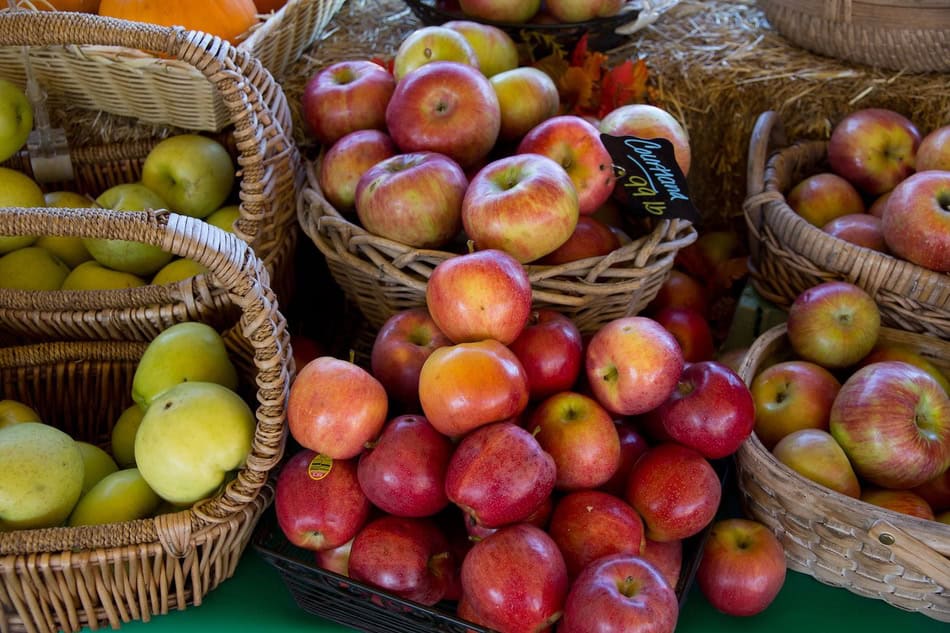
Red Delicious eventually faced more competition from apples with flavors and textures that shoppers wanted.
In its 2018 harvest forecast, the U.S. Apple Association placed Gala ahead of Red Delicious in American production volume, ending more than half a century of dominance.
The association pointed to a widening market: consumers were choosing newer varieties for a better taste and crunch experience. Red Delicious was losing its commanding position as people gained more choices.
If you’re looking for something different, our guide to apple varieties compares old favorites and newer options, from tart Granny Smith to sweet, juicy Fuji.
Can Red Delicious Still Be Delicious?
A good Red Delicious can be crisp, juicy, and mildly sweet. The New York Apple Association recommends it for fresh eating and salads. Its reputation doesn’t describe every apple grown under the name.
If you’d like to give it another chance, ask an orchard grower about the strain they grow and whether you can taste one. Sampling the fruit will tell you more than choosing the reddest apple in the bin.
Red Delicious has also contributed to apples you may already love. Empire is a cross between McIntosh and Red Delicious; Fuji comes from Red Delicious and Ralls Janet. Both inherited something worth keeping from their famous parent.

- Maggie Konrad

- Maggie Konrad
- Maggie Konrad
- Maggie Konrad