Black Cats: The Folklore Behind Their Mysterious Reputation

A black cat slips across the road ahead of you. Is it a warning, a bit of luck, or simply a cat going somewhere?
The answer depends on the story you grew up hearing. In some traditions, a black cat crossing your path is an omen of bad luck. In others, black cats are lucky visitors or symbols of prosperity. The cat is the same; the folklore changes from place to place.
How black cats became linked to witches
Cats have lived alongside people for thousands of years, but their familiar place in the home didn’t protect them from suspicion. In medieval Europe, cats became associated with witchcraft and evil spirits. By the 13th century, some religious writings linked cats with the Devil, and stories grew that witches could turn into cats or keep them as supernatural helpers called familiars.
Over time, the black cat became a particularly potent figure in those tales. A dark animal glimpsed at night could seem mysterious, and a cat’s habit of moving quietly and keeping its own counsel gave storytellers plenty to work with. The belief that a black cat crossing your path brings bad luck grew out of that older fear.
The idea crossed the Atlantic with European traditions and became part of American folklore. It still shows up in Halloween decorations, where a black cat’s silhouette often means that something spooky is nearby. For more stories behind the season’s familiar symbols, see our guide to Halloween superstitions and symbols.
A black cat could be lucky, too
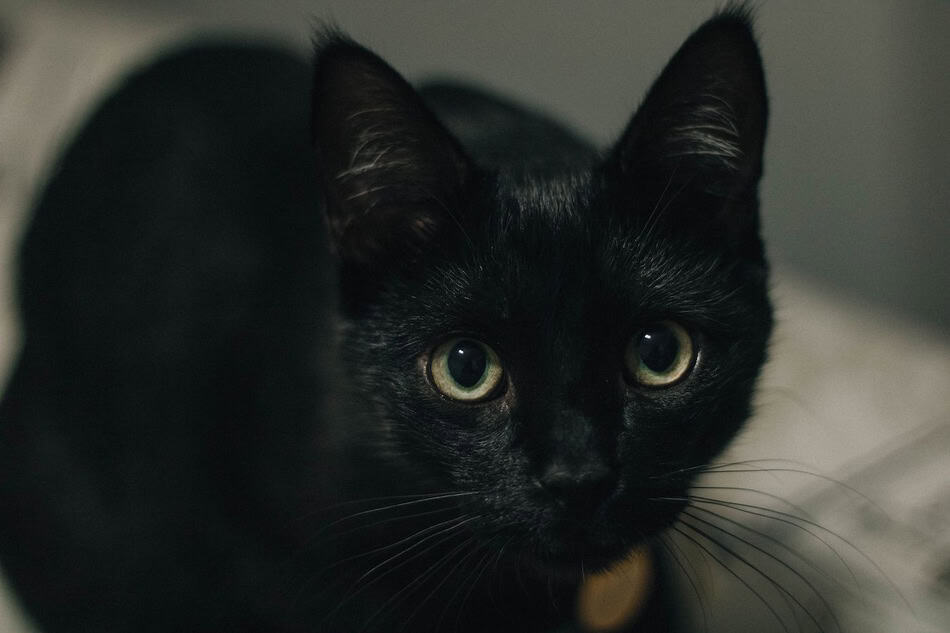
The bad-luck story is far from universal. In some parts of Scotland, a black cat arriving at the home was said to bring prosperity. Japan has its own traditions associating black cats with good fortune. Sailors and their families in parts of Britain also considered cats lucky companions.
That’s one of the pleasures of folklore: the same creature can take on entirely different meanings. A black cat might be treated as a warning in one tale and welcomed as a fortunate guest in another. Farmers’ Almanac has explored that changing reputation in its roundup of superstitions people still believe.
From superstition to Halloween symbol
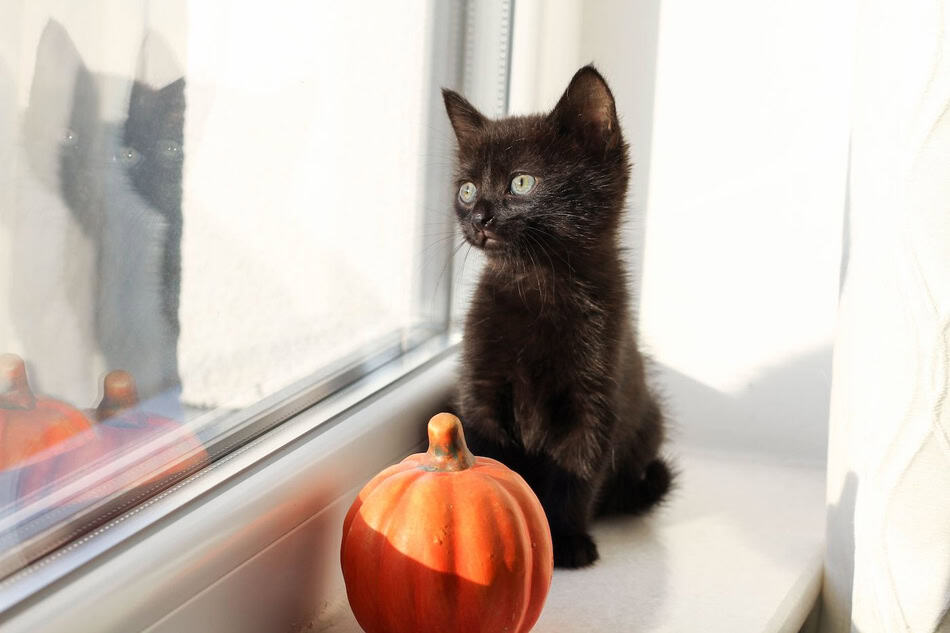
Black cats became a natural fit for Halloween’s cast of witches, ghosts, and jack-o’-lanterns. Their place in the holiday draws on centuries of folklore, especially the old association between cats and witchcraft. But a cat’s coat color doesn’t make it mysterious or magical. That part belongs to the stories people have told about them.
Cats have appeared in other familiar sayings and beliefs, too. Read more in our article on cat sayings and their origins.
The real luck of a black cat
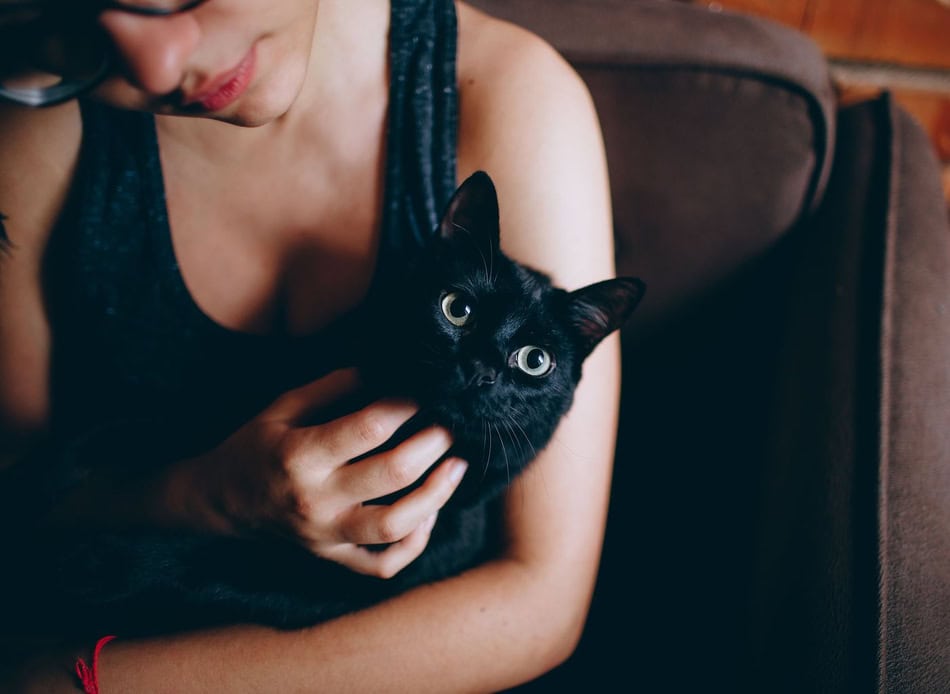
Folklore makes for a good Halloween story, but it doesn’t tell you what a particular cat will be like. Black cats, like cats of any color, have their own personalities. If you’re thinking about adopting, meet the cat and see how you get along.
Research on shelter outcomes has found that coat color can be associated with adoption differences in some settings, though results vary. One study of nearly 8,000 cats at a single Kentucky shelter found less favorable outcomes for black cats there. That finding is a reason to look past appearances when considering a pet, not a rule about every shelter or every black cat.
The next time a black cat crosses your path, you can let the old stories have their moment. Then let the cat carry on with its day. Maybe that’s the luckiest ending of all.

- Maggie Konrad

- Maggie Konrad
- Maggie Konrad
- Maggie Konrad