Why Birds Hit Windows More Often in Fall and How to Help

A soft thump against a window can interrupt a quiet fall morning. The bird may be gone by the time you reach the glass, but the collision is a reminder that windows can be dangerous during migration.
Why fall brings more window strikes
Birds collide with glass throughout the year, but collisions increase during spring and fall migration, when many birds are traveling through unfamiliar places. After breeding, southbound migration includes both adult birds and the young that hatched that year. Those young birds have less experience navigating around hazards such as reflective windows. The American Bird Conservancy explains why fall brings greater collision risk.
The American Bird Conservancy notes that many collisions happen at low-rise buildings, including houses. Cornell Lab of Ornithology describes how these reflections can fool birds. The glass in these buildings can look like an open route to trees or plants on the other side. A reflective pane can also mirror the sky, branches, or greenery, making a solid surface look like safe habitat.
Make windows visible to birds
To prevent window strikes, make the glass visible to birds from outside. Cover the entire pane with a close, continuous pattern using bird-safe film, exterior screens, tape, paint markers, or purpose-made vertical cords. Keep markings no more than about 2 inches apart. A single hawk silhouette or a few scattered decals leave large clear areas that birds may still mistake for open space.
American Bird Conservancy’s prevention guide describes tested window treatments, including do-it-yourself options. Exterior screens can be especially useful because they soften reflections and cushion a bird that reaches the glass.
To find problem windows, look at them from outdoors. Start with panes that reflect trees or sky, or face a garden or feeder. Check at different times of day; the sun shifts the reflections, so a window that looks harmless in the morning may mirror branches later.
Check feeders and indoor plants
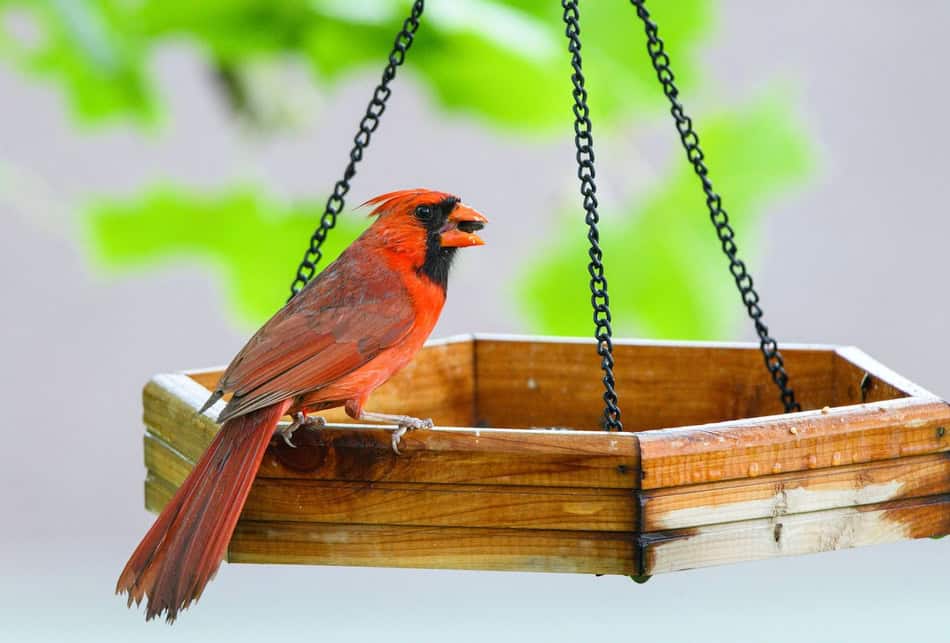
Audubon recommends placing a feeder either within about 3 feet of a window or more than 30 feet away. Near the glass, a bird has less room to build up speed before a collision; well away, it has more room to maneuver. Avoid the in-between distance. Audubon’s collision-prevention guidance explains these placement options.
Move houseplants away from windows if they are visible through the glass; they can make a clear pane look like an opening onto greenery. At night, close curtains or blinds and switch off room lights when you leave.
Turn off unnecessary lights at night

Many birds migrate after dark. Bright outdoor lights can disorient them and draw them toward buildings. During migration, turn off lights you do not need, especially those that shine upward. For necessary lighting, use motion sensors or shielded fixtures that direct light downward. Audubon’s Lights Out program offers more ways to reduce nighttime lighting for birds.
Start by marking the windows that reflect trees or sky, then check nearby feeders and nighttime lighting.
For more ways to enjoy the season, read our guide to witnessing the great fall migration.

- Maggie Konrad

- Maggie Konrad
- Maggie Konrad
- Maggie Konrad