
Wisconsin Cranberry Growers Face a Tough Harvest. What It Means for Thanksgiving

Wisconsin grows more cranberries than any other state, supplying much of the fruit Americans enjoy at Thanksgiving. But some of the state’s growers are reporting disappointing harvests this fall, following a season of challenging weather.
The reports come just as fresh cranberries are arriving in grocery stores for the holidays. Will there be enough for Thanksgiving? And could a smaller harvest mean higher prices?
So far, there’s no confirmed nationwide shortage. The bigger story is what Wisconsin farmers are experiencing, why this year’s crop has been difficult for some, and how the industry is responding.
What’s Happening With Wisconsin’s Cranberry Harvest?
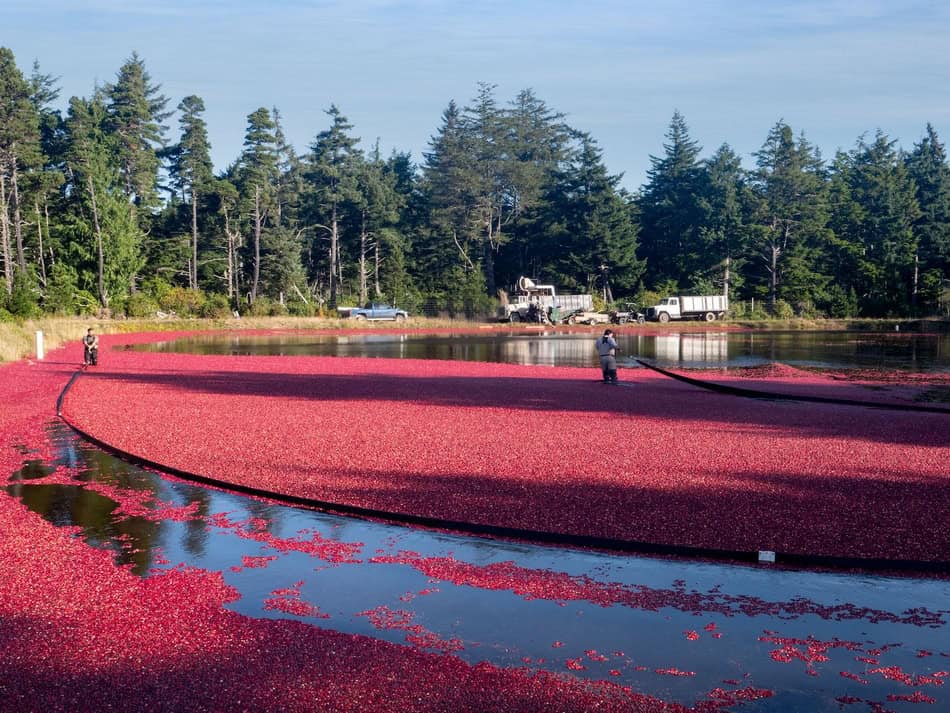
In an October 29 industry report, Kevin Tritz of Twin Lake Cranberry described unusually low yields among Wisconsin growers.
Several factors may have contributed. Tritz pointed to a cold start to winter, inadequate summer rainfall, and smoke from Canadian wildfires during pollination. It’s difficult to know precisely how much each factor affected production.
Wisconsin’s cranberry-growing regions also experienced periods of drought during 2026, according to the Wisconsin State Climatology Office.
Cranberries are perennial crops, and growers manage the same beds year after year. Producing a good harvest requires careful water management, frost protection, and favorable conditions during flowering and fruit development.
Weather can complicate all of that, even for experienced farmers who have spent decades working with the crop.
How Much Smaller Is This Year’s Crop?
The statewide picture isn’t settled yet.
Tritz estimated that Wisconsin’s crop could be roughly one-third smaller than expected, based on what growers were seeing during harvest.
That contrasts with USDA’s August forecast, which projected 4.8 million barrels of cranberries from Wisconsin, approximately 4% more than the state produced in 2025. Each cranberry barrel represents 100 pounds of fruit.
The difference matters. USDA’s figure was a preseason forecast, while the later assessment reflects conditions growers encountered as they brought in their crops.
Neither establishes the final statewide total. Updated production figures will give a more reliable picture of the 2026 harvest.
Will Cranberries Be More Expensive This Thanksgiving?
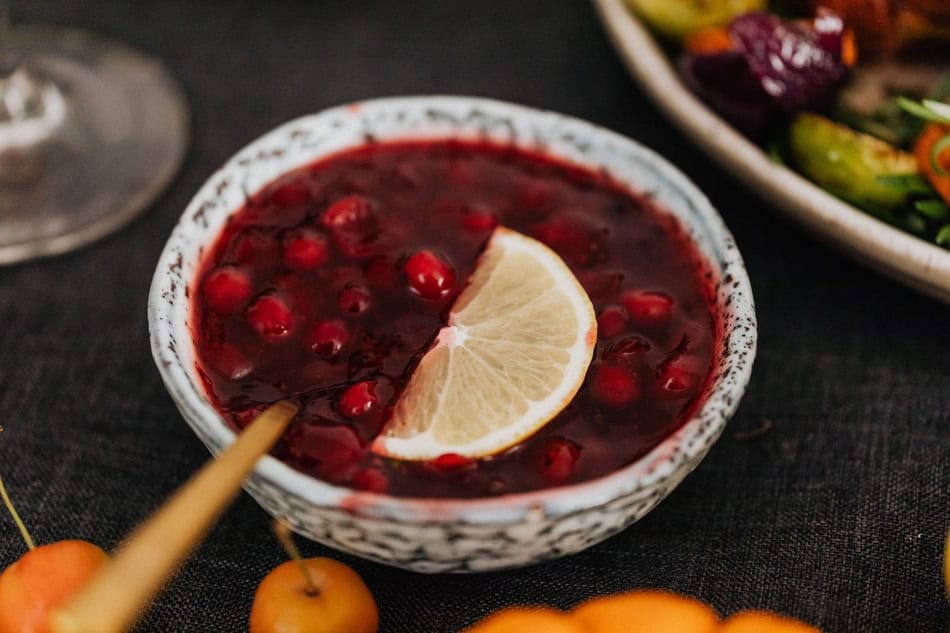
A difficult harvest doesn’t necessarily mean higher prices at the grocery store.
Wisconsin is the country’s largest cranberry producer, but Massachusetts, New Jersey, Oregon, and other states also contribute to the national supply. Cranberries are marketed in several forms, including fresh berries, juice, sauces, and dried fruit.
Tritz told FreshPlaza that his company’s prices had already been established through contracts earlier in the year, so the disappointing harvest wasn’t prompting an immediate price increase.
Retail prices can still vary by store, location, and promotion. But there’s currently no verified evidence that shoppers should expect a nationwide cranberry shortage or a dramatic Thanksgiving price increase because of Wisconsin’s reported harvest difficulties.
Wisconsin Growers Are Investing in the Future
Cranberry farming requires long-term planning. Establishing and renovating beds takes substantial investment, and decisions made today can affect production for years.
Despite recent challenges, Wisconsin growers continue working to improve productivity. Some operations are renovating older beds, introducing newer varieties, and exploring opportunities to expand their markets.
An October 29 report from RFD-TV highlighted these efforts as growers look for ways to strengthen the industry.
It’s important work for Wisconsin’s rural communities. Cranberry farming has deep roots in the state, where many operations have remained in families for generations.
How to Support American Cranberry Growers
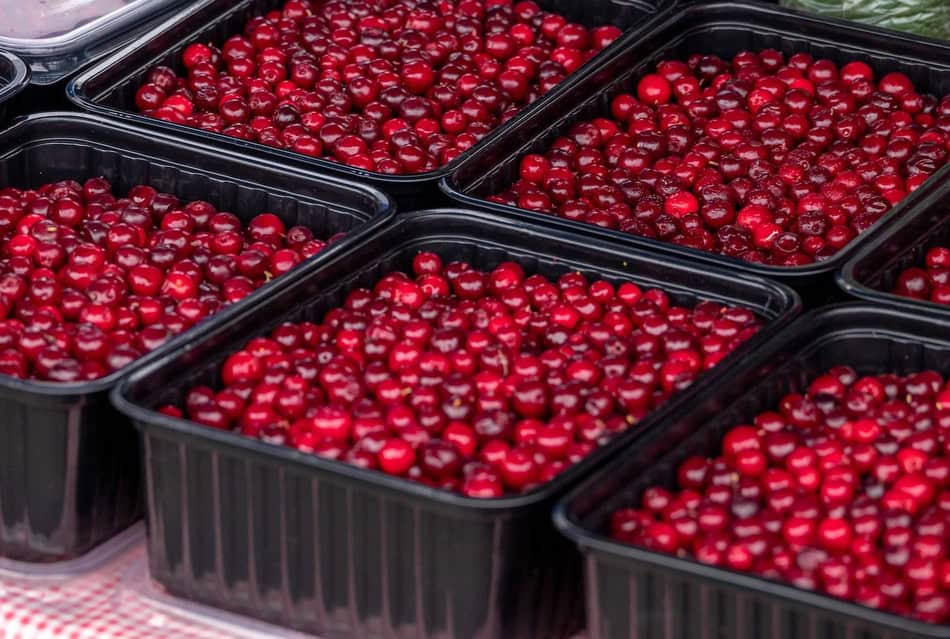
With Thanksgiving approaching, one easy way to support domestic agriculture is to look for U.S.-grown cranberries when shopping.
Fresh cranberries are generally available during fall and early winter, but there’s no need to use them all immediately. The Wisconsin State Cranberry Growers Association notes that fresh cranberries can be frozen for up to a year.
You can use them straight from the freezer for sauces and many baked recipes.
If you’re planning a traditional Thanksgiving dinner, try our easy homemade cranberry sauce recipe. And if you’ve ever wondered how growers collect all those berries, here’s why cranberry beds are flooded during harvest.
Wisconsin’s final harvest numbers will tell us more about the extent of this year’s difficulties. In the meantime, growers are finishing their seasonal work and preparing their beds for another year.
For shoppers, there’s no reason to assume cranberries will be missing from the Thanksgiving table. Buying American-grown fruit is a simple way to support the farmers who produce it.

- Maggie Konrad

- Maggie Konrad
- Maggie Konrad
- Maggie Konrad