
Why Bridges Can Freeze Even When the Roads Are Clear

A bridge can be covered in ice while the road leading up to it is completely clear. It can even happen when your car’s thermometer reads above 32°F.
The reason is that bridges lose heat faster than ordinary roads, making them especially vulnerable to ice during cold weather.
Quick Reference: Why Bridges Freeze First
- Why it happens: Cold air circulates above and below bridges, causing them to lose heat faster than ordinary roads.
- Above freezing: Bridge surfaces can develop ice even when the air temperature is above 32°F.
- Black ice: Thin, transparent ice can make frozen pavement look wet.
- Highest-risk conditions: Watch for ice after rain, melting snow, or overnight temperature drops.
- Driving safety: Slow down before reaching a bridge, leave extra following distance, and avoid sudden braking or steering.
Why Bridges Freeze Before Roads
Ordinary roads sit on layers of soil that absorb and store heat. When temperatures drop, some of that stored warmth continues to reach the pavement, slowing the freezing process.
Bridges don’t have that protection. Cold air circulates above and underneath them, allowing heat to escape from both sides. Wind can accelerate the cooling.
According to the Pennsylvania Department of Transportation, bridge surfaces respond more quickly to changes in air temperature than ordinary roadways.
This explains why you might drive several miles on wet pavement only to encounter ice when you reach an overpass.
Can a Bridge Freeze When It’s Above 32°F?
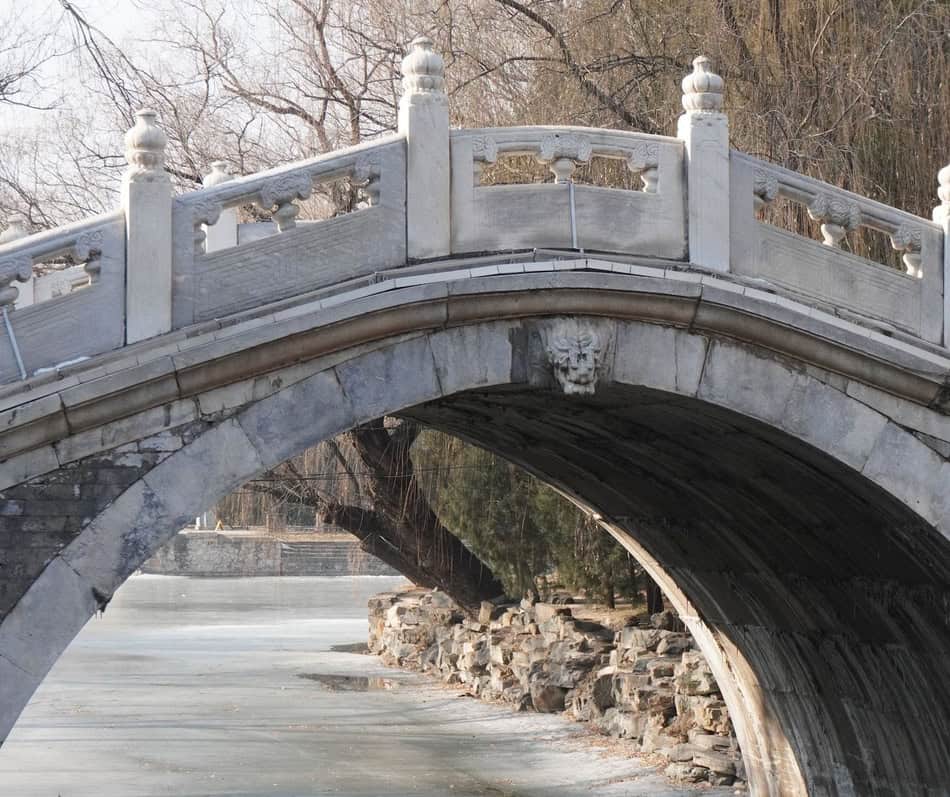
Yes. Air temperature and pavement temperature aren’t necessarily the same.
On clear nights, road surfaces lose heat through radiation and can become colder than the surrounding air. A bridge may drop below freezing while your dashboard thermometer still reads 35°F.
If moisture is present, ice can form on the bridge even though nearby roads remain wet.
This is particularly dangerous when the ice is thin and transparent. Known as black ice, it allows the dark pavement underneath to show through, making the surface appear wet rather than frozen.
The National Weather Service warns that black ice can be difficult to detect, especially during overnight and early-morning hours.
How to Stay Safe on Icy Bridges
If temperatures are near freezing, assume bridges and overpasses could be slippery, even when the rest of the road looks clear.
Slow down before reaching the bridge. Sudden braking after your tires encounter ice can cause you to lose control.
Leave extra distance between vehicles, avoid abrupt steering or acceleration, and don’t use cruise control when roads may be icy.
Pay particular attention to bridges after rain, melting snow, or overnight temperature drops. Check local weather alerts and road conditions before traveling.
For additional cold-weather precautions, see our Fall Weather Safety Tips.
Those familiar “Bridge Freezes Before Roadway” signs mark a real difference in how road surfaces cool. When temperatures are close to freezing, treat them as a warning even if you haven’t encountered ice anywhere else.

- Maggie Konrad

- Maggie Konrad
- Maggie Konrad
- Maggie Konrad