Why Did the Birds Suddenly Go Quiet? The Strange Silence of August

Your backyard may have more birds now than it did in spring. So why does August sound so empty?
All spring, the morning begins with birdsong.
Then August arrives—and the backyard suddenly goes quiet.
So, why do birds stop singing in late summer?
Most haven’t disappeared. They’re simply done with the noisy business of spring and have entered one of the most important—and secretive—parts of their year.
Why Birds Stop Singing in August
Spring birdsong has a purpose. Male songbirds sing mainly to attract mates and defend territories.
By late July and August, nesting season is winding down for many species. Young birds have fledged, territories matter less, and the need for constant singing fades.
The Cornell Lab of Ornithology explains that species gradually drop out of the summer dawn chorus as breeding ends. July and August are even typically the two lowest months for eBird checklist submissions—not because the birds are gone, but because they’re harder to hear and see.
In other words, the neighborhood hasn’t emptied. It has simply stopped shouting.
Want to identify the voices you still hear? Meet these 5 beautiful songbirds you can attract to your backyard.
August Is Also Molting Season
Late summer is when many birds begin molting, replacing old, worn feathers with fresh ones.
And they don’t always look their best while doing it.
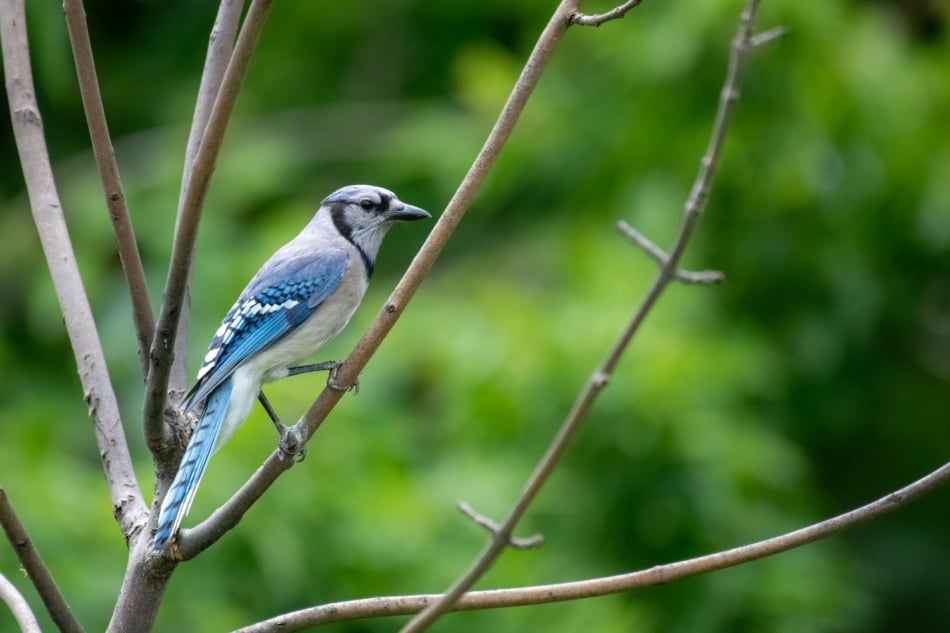
A normally handsome cardinal may suddenly appear scruffy. A Blue Jay might even look bald. According to the Cornell Lab, bald Blue Jays and Northern Cardinals are a surprisingly common late-summer sight because some birds lose their head feathers all at once before new ones grow in.
So if a familiar backyard bird looks as though it’s having a particularly bad hair day, molting may be the reason.
Why Molting Birds Hide
Fresh feathers take energy to grow, and replacing flight feathers can temporarily make a bird less agile.
That makes August a good time to keep a low profile.
Many birds spend more time tucked inside shrubs, thickets, and leafy trees, where predators are less likely to notice them. They may call less frequently and avoid the exposed perches where you watched them sing in spring.
This creates one of late summer’s great illusions:
There may be plenty of birds around—you just can’t see them.
There May Actually Be More Birds Now
Here’s the fun part.
By August, all those young birds hatched earlier in the summer have joined the population. Cornell notes that birds can actually be especially abundant at this time because adults are now joined by their offspring.
Look closely and you may spot inexperienced youngsters following parents, begging for food, awkwardly landing on feeders, or learning where to find their own meals.
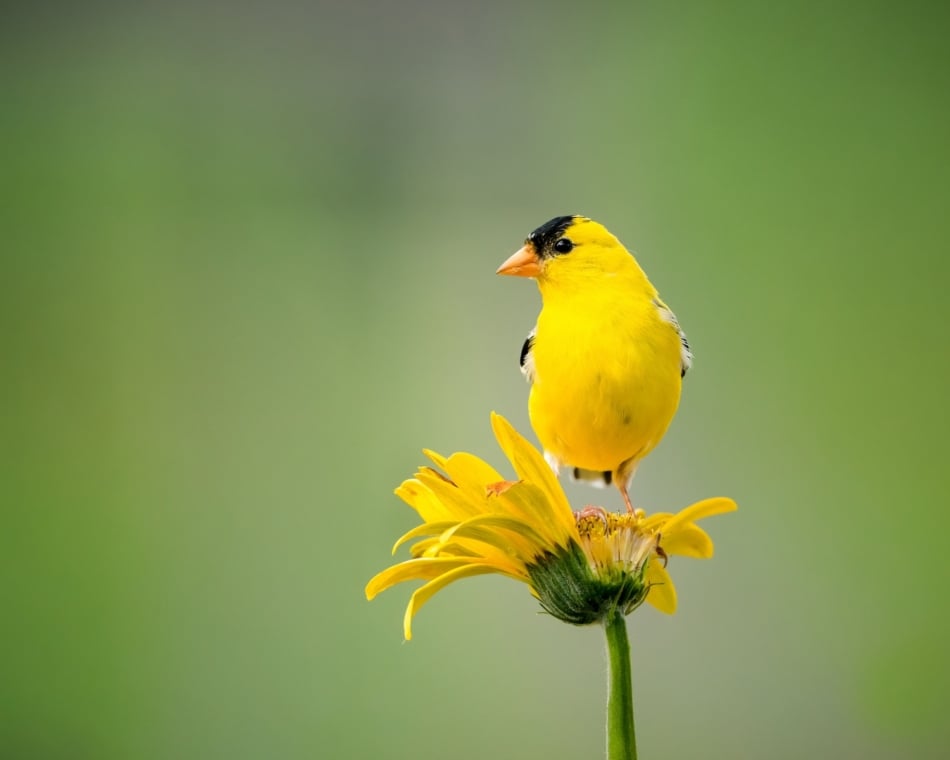
And not every bird is finished nesting. American Goldfinches, for example, are famously late nesters and may still be raising young in July and August. Our guide to backyard songbirds explains why.
How to Find Birds in August
When the backyard goes quiet, change the way you watch.
Look instead of listen. Check dense shrubs, hedges, and leafy branches rather than exposed treetops.
Add fresh water. A clean birdbath can draw birds out of hiding during hot weather.
Watch flowers and seed heads. Goldfinches and other seed-eaters may visit sunflowers, coneflowers, and other late-summer plants.
Keep feeders clean and stocked. As summer gives way to migration season, reliable food becomes increasingly useful. See our guide to feeding birds in fall.
And if hummingbirds seem particularly busy right now, there’s a reason: migration season is approaching. Here’s when to take down your hummingbird feeder—and why taking it down too early is a mistake.
August Isn’t Silent—It’s Subtle
Spring practically demands that we notice birds.
August makes us pay attention.
So the next time you step outside and wonder, “Where did all the birds go?”, wait a few minutes.
Watch the hedges. Check the birdbath. Look for movement beneath the leaves.
The birds probably haven’t left.
August has simply turned down the volume.
Have your backyard birds gone quiet? Tell us what you’re seeing—and whether you’ve spotted any particularly scruffy molting birds this summer.


- Farmers' Almanac Staff

- Farmers' Almanac Staff
- Farmers' Almanac Staff
- Farmers' Almanac Staff