Fall Lake Turnover: Why Fish Suddenly Seem to Move

You know the spot. It produced all summer. Maybe it was a point, a drop-off, the edge of a weed line, or one particular depth where the fish just seemed to be. Then October rolls around, you fish it the same way you did in August, and suddenly there’s nothing there.
It’s easy to blame a cold front or decide the fish have stopped biting. But sometimes the better explanation is that the lake itself has changed.
In many deeper lakes, fall cooling breaks apart the layers that formed during summer. Water that had been separated by temperature begins mixing again from top to bottom, a seasonal shift known as fall turnover. Once that happens, fish are no longer being squeezed into the same narrow band of water they used a few weeks earlier.
That reliable summer spot may not be bad now. It may simply not be special anymore.
Summer Puts Fish in a Smaller Box
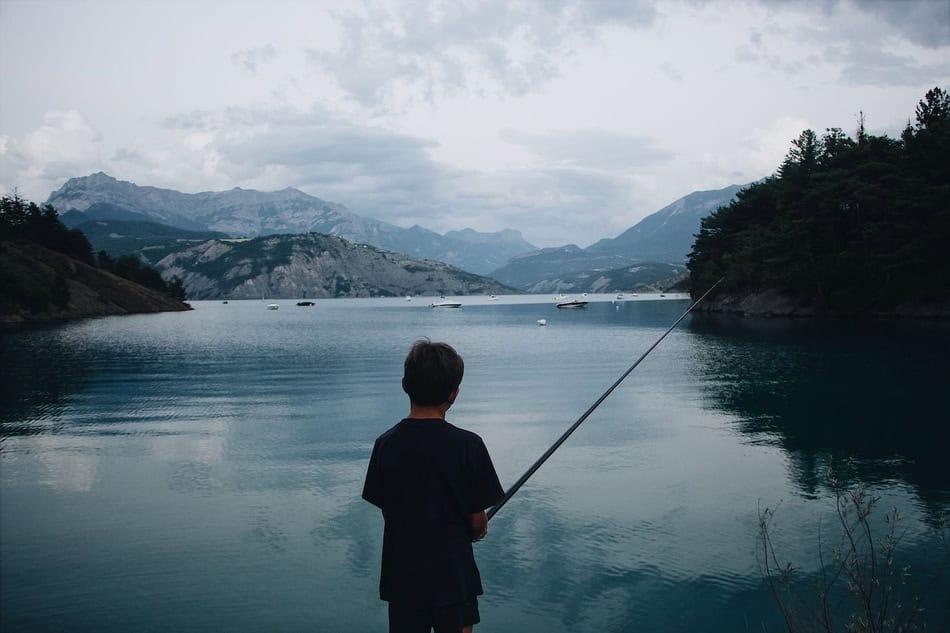
A deep lake in midsummer isn’t one uniform body of water. Warm water sits near the surface, colder water settles below, and between them is the thermocline, a zone where the temperature changes quickly with depth. If you’ve ever been swimming and suddenly felt much colder water around your legs, you’ve felt the effect yourself.
Fish notice it too, but temperature is only part of the story. As summer goes on, deep water can also lose oxygen. Dead algae, plants, and other material sink and decompose near the bottom, using oxygen in the process. Because the lake is stratified, oxygen-rich surface water doesn’t mix downward very well.
That can leave fish with a surprisingly narrow band of usable water. Not too warm, not too cold, and with enough oxygen to support them. The University of Nebraska–Lincoln explains this summer layering as warm upper water sitting over colder deep water, with the thermocline separating the two.
For an angler, that limitation can actually be helpful. Fish may have an entire lake available on the map, but only part of it is comfortable enough to use. Certain depths become dependable because the fish don’t have many better options.
Then fall starts taking that structure apart.
When the Lake Mixes, the Old Pattern Falls Apart
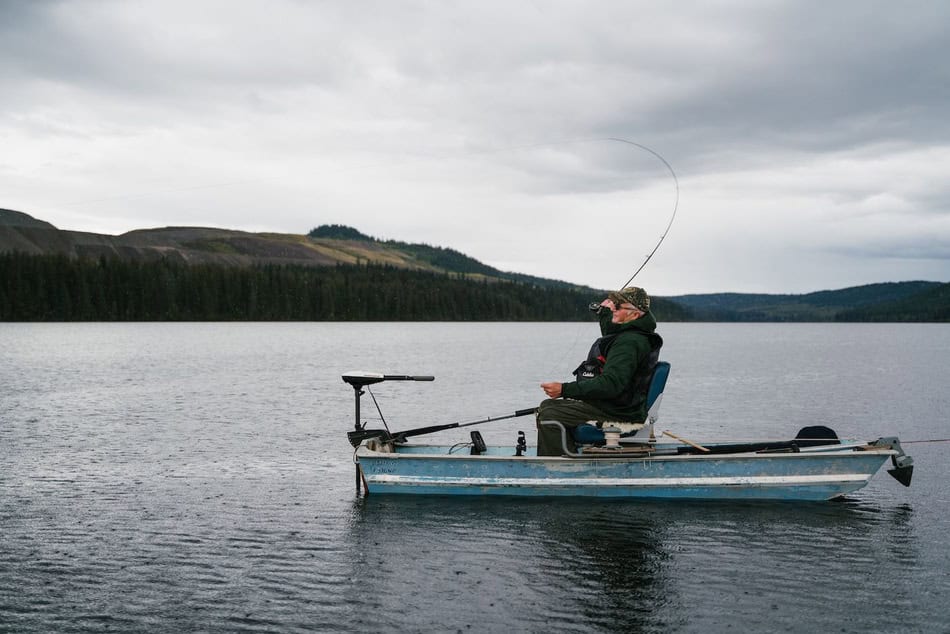
As nights get longer, the surface cools. Eventually, the temperature difference between the top and bottom shrinks enough that wind can mix the lake much more easily. The thermocline weakens, then disappears, and oxygen begins circulating deeper again.
Sometimes you can see clues that turnover is underway. Water may look a little murkier as material from deeper water gets stirred upward, and some lakes develop an earthy smell for a while. But the most important change for anglers is invisible: fish suddenly have more water they can comfortably use.
That’s why turnover can make fishing feel strange. During summer, low oxygen may have kept fish out of certain depths. Once the lake mixes, those restrictions ease. The Missouri Department of Conservation notes that fish may be found throughout much more of the water column after fall turnover.
In other words, the fish didn’t vanish. They just have more choices.
Stop Fishing August Water in October
This is where anglers can get stubborn. A depth that worked all summer feels like it should still work, so it’s tempting to sit on the same spot and wait for the old pattern to return.
But once temperature and oxygen stop concentrating fish, other things start to matter more: bait, wind, weeds, structure, bottom changes, current, and access to feeding areas.
If baitfish move shallow, predators may follow. A wind blowing into one shoreline can push food toward that side of the lake. Healthy weed edges, submerged timber, points, creek channels, and sharp changes in bottom type can all become more useful clues than a favorite summer depth.
Walleye are a good example. Once the thermocline breaks down, they regain access to water that may have been poorly oxygenated during summer, and later in fall some follow schools of shad into shallower water and tributary arms. Missouri fisheries guidance describes that seasonal shift.
The useful takeaway is pretty simple: if temperature is no longer concentrating fish, figure out what is.
Don’t Blame Turnover for Every Bad Day
Turnover gets blamed for a lot of lousy October fishing, probably more than it deserves.
Not every lake turns over dramatically, and there is no nationwide date when it happens. Depth, latitude, weather, wind, and the strength of summer stratification all matter. Two lakes a few miles apart can behave very differently.
Shallow lakes may stay mixed through much of summer and never develop strong temperature layers in the first place. If there wasn’t much stratification, there isn’t much to overturn. On a deeper lake, several cold nights followed by windy weather can speed the process along.
If your electronics show temperature through the water column, the disappearance of the sharp summer temperature break is a much better clue than simply noticing that the weather has turned chilly. A temporary change in clarity or smell can help, too.
And sometimes the most obvious clue is the one that sent you looking for an explanation in the first place: fish that had been predictably holding at one depth suddenly aren’t.
Your Summer Map May Be Expired
Fall turnover doesn’t necessarily ruin the fishing. What it ruins is predictability.
The lake that taught you where to find fish in July may no longer be organized the same way in October. Deeper water may have oxygen again. Shallow water has cooled. Bait is moving. Weed beds are changing. Fish have more options, and the old spots have more competition.
So if a dependable summer area goes dead, move. Look for bait. Pay attention to wind. Check water you ignored six weeks ago. Let what the lake is doing now matter more than what worked last time.
The Farmers’ Almanac October fishing calendar can help you choose a day to go, but once you’re on the water, local conditions still call the shots.
That’s the part of fall turnover worth remembering: sometimes the fish haven’t changed nearly as much as the lake around them.

- Maggie Konrad

- Maggie Konrad
- Maggie Konrad
- Maggie Konrad