Bears Can Go Months Without Eating, Drinking, or Going to the Bathroom. How?

Think about how often you eat, drink a glass of water, or visit the bathroom in a single day. Now imagine going three months without doing any of those things.
A hibernating black bear can do exactly that. Some spend as long as six months in their winter dens without a meal, a drink, or a bathroom break.
Even more surprising, they emerge in spring with much of their muscle intact, despite spending months barely moving.
So how does an animal weighing several hundred pounds manage something that would be impossible for us? The answer involves a remarkable slowdown in its metabolism and an unusual ability to recycle its own waste.
How Can Bears Hibernate for Months Without Eating?
A bear’s winter survival begins long before it enters its den.
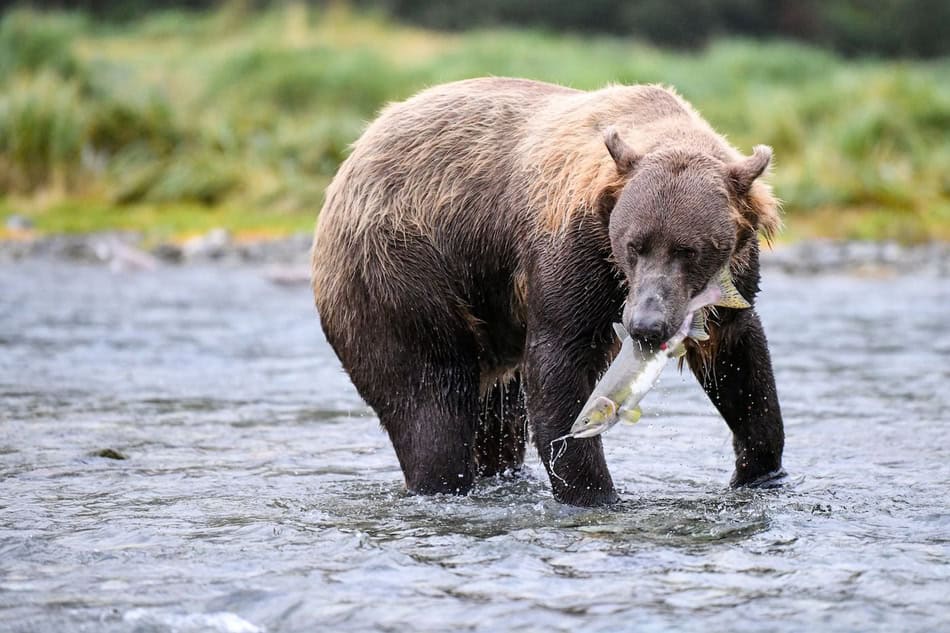
During late summer and fall, black bears enter a period of intense feeding called hyperphagia. They eat far more than usual, building the fat reserves that will sustain them when food becomes scarce.
By the time a bear settles into its den, it has enough stored energy to survive for an extended period without eating.
Its body also begins conserving that energy.
Heart rate, breathing, and metabolism slow considerably. According to Yellowstone National Park, a hibernating bear’s heart rate can drop from around 40–50 beats per minute to just 8–19.
A bear that normally takes several breaths each minute may breathe only once every 45 seconds.
That enormous reduction in energy use allows the animal to survive on its fat reserves instead of searching for food through the winter.
Bears can lose a substantial amount of body weight during hibernation. They’re living off stored fat, not somehow avoiding the need for energy altogether.
How Do Bears Survive Without Drinking Water?
A hibernating bear doesn’t need to visit a stream or wake up for a drink because its body produces water as it burns stored fat.
This is called metabolic water. As the body breaks down fat for energy, water is produced as part of the process.
Meanwhile, the bear’s reduced breathing rate and overall activity help limit how much moisture it loses.
Its kidneys and urinary system also function differently during hibernation, conserving water that would otherwise leave the body.
The result is an animal capable of remaining in a winter den for months without regularly drinking.
Why Don’t Hibernating Bears Need to Go to the Bathroom?
This may be the strangest part of bear hibernation.
Even when a bear isn’t eating, its body continues producing waste. Under ordinary circumstances, that waste must be eliminated.
Hibernating bears have an unusual way of dealing with it.
Instead of urinating normally, they can reabsorb urine through the bladder and recycle some of its components. Nitrogen-containing waste, including urea, can be broken down and reused to help maintain body proteins.
The National Park Service explains how bears recycle nitrogen during hibernation, helping preserve their muscles and other tissues.
Researchers at Johns Hopkins and the University of Maryland have also studied the black bear’s urinary bladder to understand how it can reabsorb urine during months of dormancy.
Bears generally do not defecate during uninterrupted hibernation either. Because they aren’t eating, there’s little new material moving through their digestive systems. Waste can accumulate in the intestines until the bear becomes active again.
These adaptations allow a bear to conserve valuable water and nutrients throughout winter.
Why Don’t Bears Lose All Their Muscle While Hibernating?
Spend several weeks in bed without moving, and your muscles will begin to weaken. People confined to bed for long periods can lose significant muscle mass and strength.
Bears face a similar challenge, yet emerge from hibernation remarkably strong.
Although they lose weight, much of that loss comes from stored fat rather than muscle.
Part of the explanation involves recycling nitrogen from waste products to support the body’s proteins. Other changes in muscle metabolism also appear to help limit tissue loss.
Scientists are still investigating these mechanisms.
A 2026 study of Scandinavian brown bears examined how their muscle cells function during winter dormancy. Researchers found changes in the cellular machinery responsible for producing energy, helping explain how muscle tissue adapts to months of inactivity.
The medical implications are significant. Understanding how bears preserve muscle, bone, and kidney function could eventually help researchers develop treatments for conditions associated with prolonged bed rest, muscle wasting, and certain diseases.
That research is ongoing, and bear hibernation hasn’t yet provided a simple treatment for humans.
Do Mother Bears Really Give Birth While Hibernating?
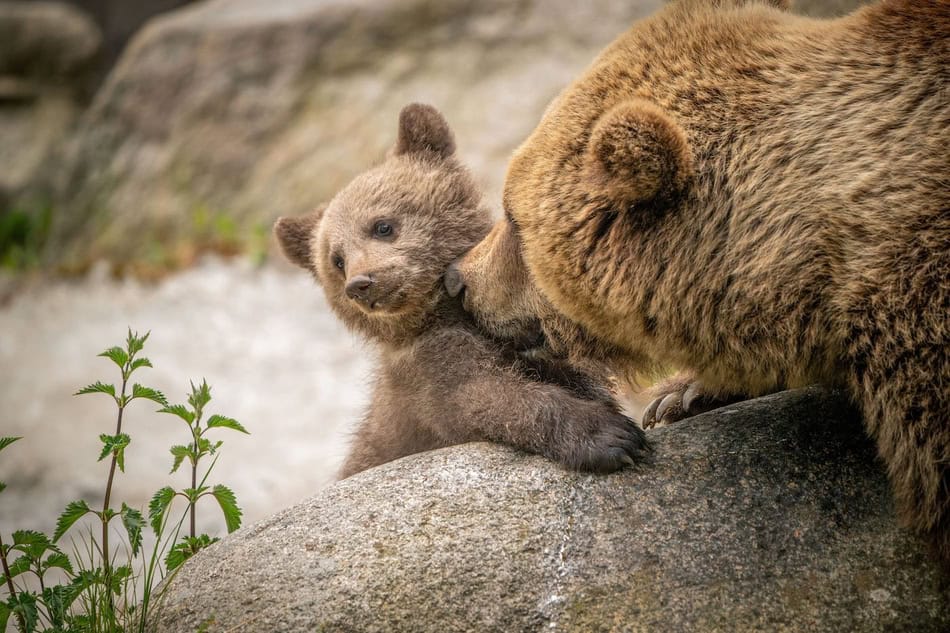
Yes, and they can nurse their cubs without leaving the den to eat or drink.
Black bear cubs are usually born during winter, often in January or February. They’re tiny at birth, generally weighing less than a pound, with closed eyes and very little fur.
Their mothers produce milk using energy from stored fat reserves.
The Florida Fish and Wildlife Conservation Commission notes that black bear milk can contain up to 30 percent fat, providing concentrated nutrition for growing cubs.
Mothers periodically wake to care for and nurse their young before settling back into dormancy.
By spring, the cubs have grown considerably, even though their mother hasn’t been leaving the den to hunt or forage.
Are Bears Really Asleep the Entire Winter?
No. Hibernation isn’t one continuous, uninterrupted sleep.
Bears enter a state of dramatically reduced metabolism, but their body temperatures don’t fall nearly as much as those of many smaller hibernating mammals.
That allows them to wake relatively quickly when disturbed.
Some bears may shift position, briefly emerge during mild weather, or leave their dens if conditions change. Bears in warmer climates may spend much less time denned than those in colder regions.
The North Carolina Wildlife Resources Commission explains why black bears are considered highly specialized hibernators even though their bodies remain warmer than those of many other hibernating animals.
If you encounter a bear during winter, don’t assume it’s sluggish or harmless. It can still respond quickly.
When Do Bears Begin Hibernating?
The timing depends heavily on where they live and how much food is available.
In colder northern regions, bears often begin entering dens in October or November. Farther south, some don’t den until December or January, and certain bears remain active for much of winter.
Pregnant females generally spend longer in dens because they must give birth and care for their cubs.
In California, black bears typically begin denning in November or December, although the season varies considerably across the state. The California Department of Fish and Wildlife notes that adults may remain denned anywhere from a few weeks to several months.
An unusually mild winter or abundant food can keep some bears active longer.
That makes November a particularly important time for people living in bear country. Bears may still be feeding heavily as they prepare for months without regular meals.
The BearWise program recommends securing garbage, removing outdoor pet food, and keeping other food attractants away from bears.
Once a bear enters its den, leave it undisturbed. A resting bear may look peaceful, but it can wake quickly, and disturbing a mother with cubs can put the animals at risk.
For an animal that spends much of autumn eating almost constantly, winter brings an extraordinary change. Its heart slows, its body lives on stored fat, and even its waste becomes a resource.
By spring, that same bear can emerge ready to move, feed, and begin another year.

- Maggie Konrad

- Maggie Konrad
- Maggie Konrad
- Maggie Konrad