
Natural Ways to Beat Tomato Hornworms and Other Late-Summer Pests
Time-tested natural methods, a little daily observation, and a few simple homemade remedies can protect your late summer harvest.

By late summer, the garden is in full production and unfortunately so are the pests. Warm nights and lush foliage create perfect conditions for tomato hornworms, squash bugs, aphids, cabbage worms, and a host of other unwelcome visitors. The good news? You don’t need chemical sprays to keep them in check. Time-tested natural methods, a little daily observation, and a few simple homemade remedies can protect your harvest while keeping your garden healthy.
Tomato Hornworms
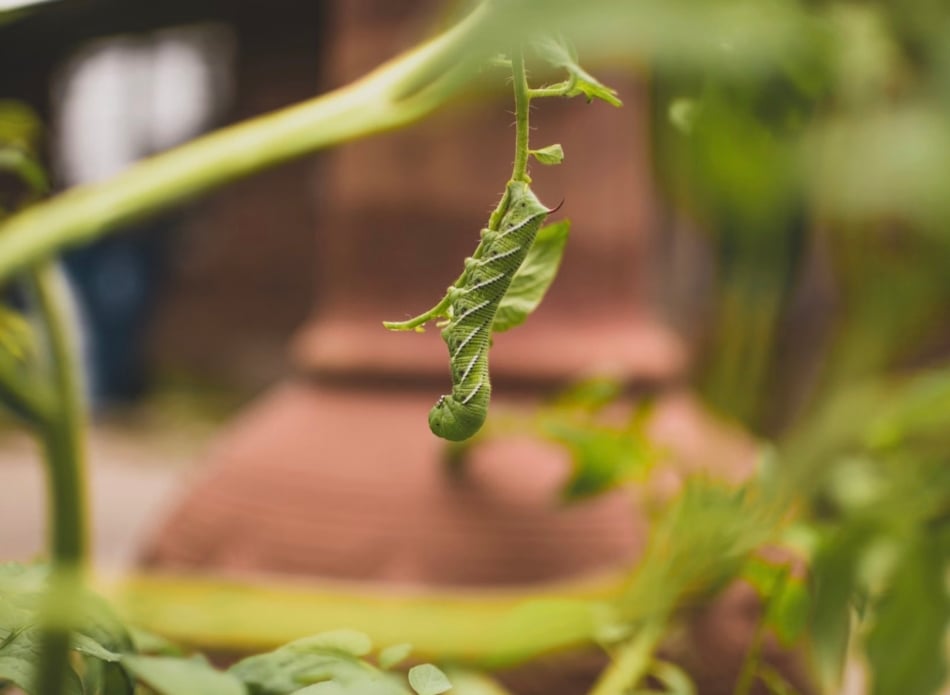
These large, bright-green caterpillars with white V-shaped markings and a distinctive “horn” on the rear end can strip a tomato plant overnight. They are the larvae of the five-spotted hawk moth and are masters of camouflage.
How to find and control them naturally:
- Handpick early and often. Check the undersides of leaves and along stems in the early morning or evening when the caterpillars are most active. Drop them into a bucket of soapy water. Look for dark droppings (frass) on the leaves below as an easy way to spot their location.
- Attract natural predators. Plant dill, parsley, fennel, and marigolds nearby to draw in lacewings, ladybugs, and predatory wasps. Birds also love hornworms, so a birdbath or two near the garden helps.
- Companion planting. Basil, borage, and nasturtiums planted among tomatoes can help deter the moths that lay the eggs.
Other Common Late-Summer Pests and Natural Solutions
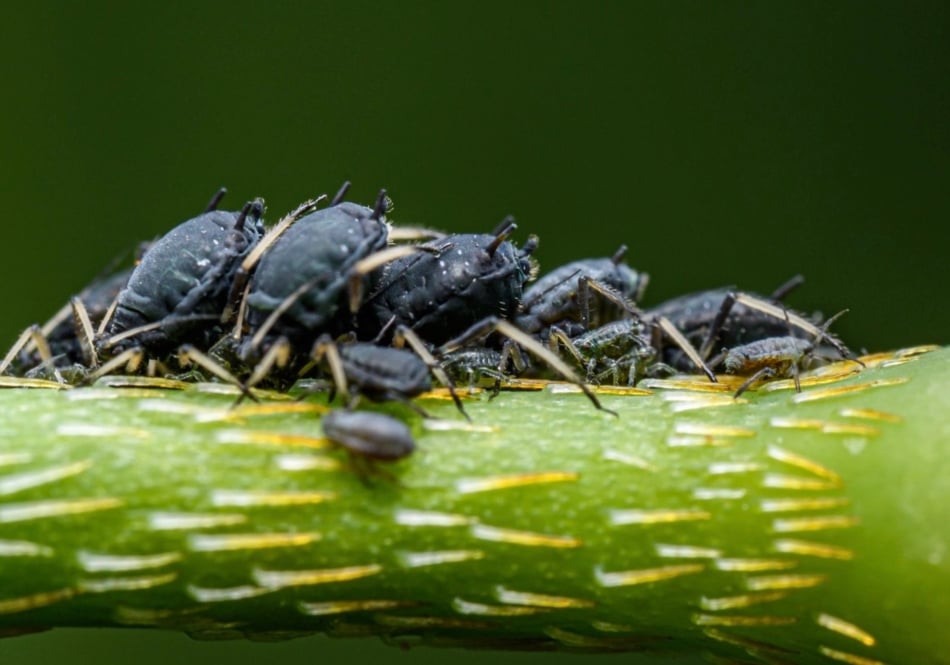
Aphids These soft-bodied insects cluster on new growth and the undersides of leaves, sucking sap and leaving sticky honeydew.
- Blast them off with a strong stream of water every few days.
- Spray with a simple solution of 1–2 teaspoons mild dish soap in a quart of water.
- Release or attract ladybugs and lacewings (both aphid eaters).
- Plant garlic, chives, or strong-smelling herbs nearby as a deterrent.
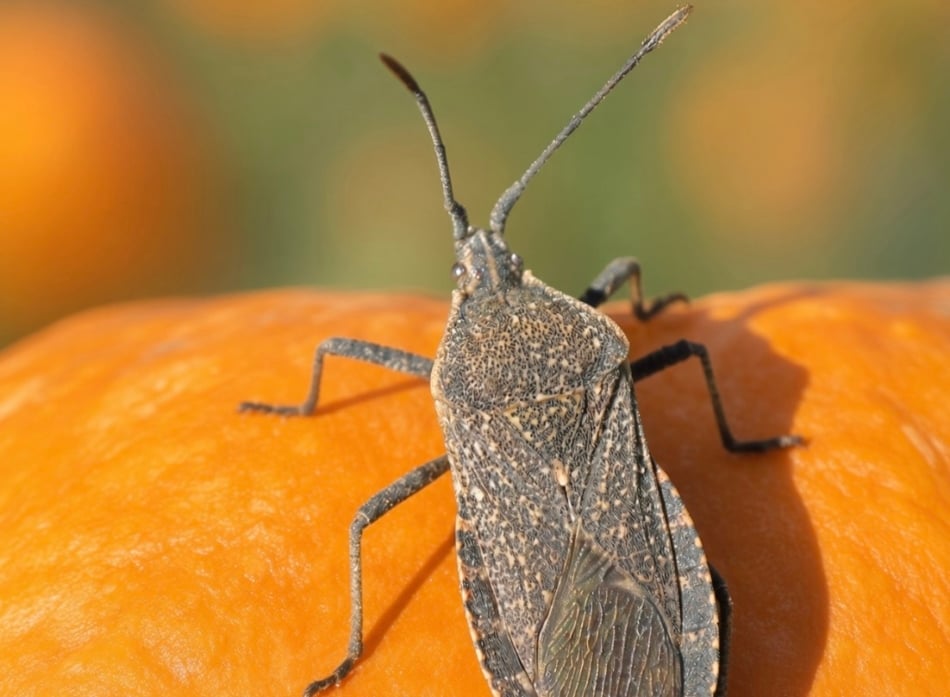
Squash Bugs These gray-brown insects and their copper-colored egg clusters can quickly destroy squash, pumpkins, and cucumbers.
- Check the undersides of leaves daily and scrape off egg masses with a piece of tape or your fingernail.
- Place boards or shingles near the plants; the bugs will hide underneath at night and can be collected and destroyed in the morning.
- Plant radishes, nasturtiums, or tansy as companions.
- A spray of neem oil or insecticidal soap works well on young nymphs.
Cabbage Worms and Loopers These green caterpillars chew ragged holes in cabbage, broccoli, kale, and other brassicas.

- Cover plants with lightweight floating row covers to prevent the white cabbage moth from laying eggs.
- Handpick the caterpillars (they’re the same color as the leaves, so look carefully).
- Use BT spray, which is especially effective on these pests.
- Plant thyme, dill, or rosemary nearby to confuse the moths.
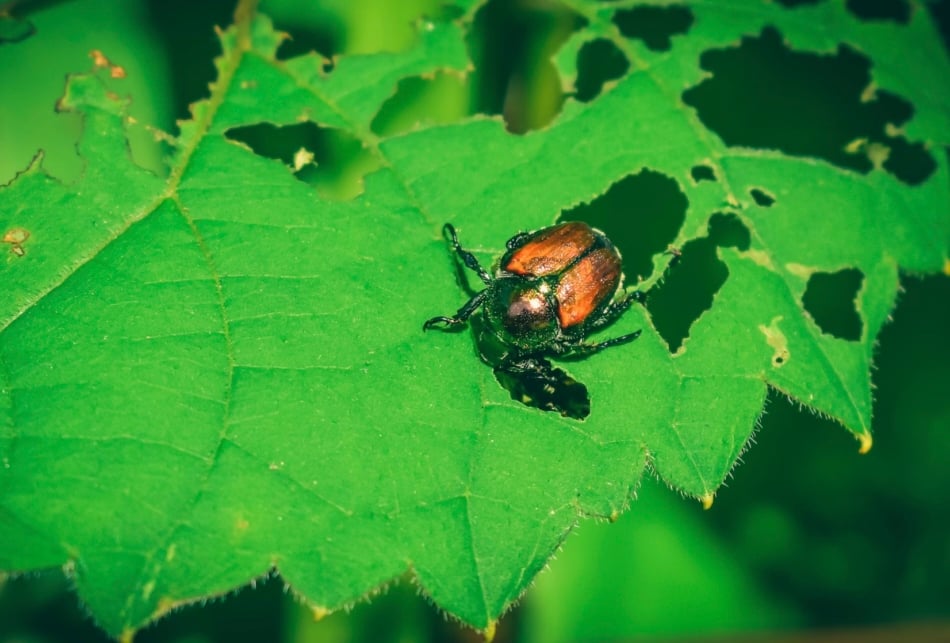
Japanese Beetles Metallic green beetles that skeletonize leaves on beans, grapes, roses, and many other plants.
- Handpick in the early morning when they are sluggish and drop them into soapy water.
- Avoid the pheromone traps that are often sold (they can attract more beetles to your yard).
- Plant garlic, chives, or catnip as a deterrent.
- Beneficial nematodes applied to the soil in late summer can help reduce next year’s grubs.
General Late-Summer Garden Practices That Reduce Pest Pressure
- Keep the garden clean. Remove spent plants, fallen fruit, and weeds that can harbor pests and disease.
- Water wisely. Water at the base of plants in the morning so leaves dry quickly, many pests and fungal issues thrive in damp conditions.
- Rotate crops. Avoid planting the same family of vegetables in the same spot year after year.
- Encourage diversity. A mix of flowers, herbs, and vegetables supports a healthy population of beneficial insects that keep pests in balance.
- Inspect regularly. A five-minute daily walk through the garden is the single most effective pest-control method. Catching problems early makes all the difference.
Late summer doesn’t have to mean surrendering your harvest to insects. With a combination of sharp eyes, handpicking, beneficial insects, and a few simple natural sprays, you can keep the balance tilted in your favor.


- Farmers' Almanac Staff

- Farmers' Almanac Staff
- Farmers' Almanac Staff
- Farmers' Almanac Staff