
How to Remove Candle Wax From Tablecloths Without Damaging the Fabric

Spilled candle wax on your favorite tablecloth? Most candle wax spills can be cleaned up at home, especially on washable cotton and linen tablecloths. The safest approach is to remove the hardened wax first, then deal with any greasy residue or color left behind.
Quick Guide: Removing Candle Wax From Tablecloths
- 1. Harden the wax: Let it cool completely, or use an ice pack wrapped in plastic to speed things up.
- 2. Scrape gently: Lift off hardened wax with a plastic card, spoon, or dull butter knife. Avoid damaging the fabric.
- 3. Remove remaining wax: For sturdy, iron-safe cotton or linen, place clean white paper towels above and below the stain and briefly press with a warm, dry iron. Replace towels as they absorb wax.
- 4. Treat the stain: Apply a fabric-safe laundry stain remover to any oily residue. Test on a hidden area first.
- 5. Wash and inspect: Launder according to the care label. Air-dry until you’re sure the stain is gone.
Important: Avoid ironing delicate, heat-sensitive, or unidentified fabrics. Take silk, antique, and dry-clean-only tablecloths to a professional cleaner.
1. Let the Wax Cool and Harden
Leave the spill alone until the wax has cooled completely.
To speed things up, fill a plastic bag with ice cubes, seal it, and hold it against the wax for a few minutes. Keep the ice inside the bag so the fabric doesn’t get wet.
If the tablecloth is small enough, you can also place it in the freezer briefly.
Once the wax is hard and brittle, it should be easier to remove without spreading it.
2. Gently Lift Off the Hardened Wax
Use the edge of a plastic card, a spoon, or a dull butter knife to loosen the wax. Start at the edges and work toward the center, lifting away the pieces as they come loose.
Don’t scrape aggressively. Linen, embroidery, and loosely woven fabrics can snag or fray.
If a thin layer of wax remains embedded in the fibers, don’t keep picking at it. That residue needs a different approach.
3. Remove the Wax Left in the Fabric
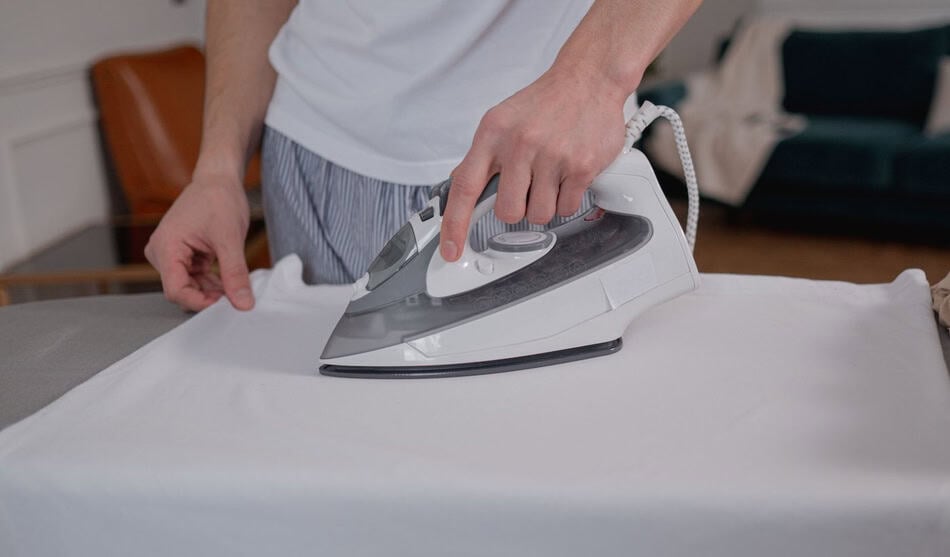
You may have heard that placing paper towels over candle wax and ironing the stain will pull the wax out. This method can work on some fabrics, but it isn’t suitable for every tablecloth.
For sturdy cotton or linen that can safely be ironed:
- Check the care label to make sure the fabric tolerates heat.
- Place the stained area between clean, plain white paper towels.
- Set the iron to a low, dry setting appropriate for the fabric. Do not use steam.
- Press briefly, then lift the iron and check whether wax has transferred to the towels.
- Move to clean sections of paper towel and repeat only as needed.
Keep the iron moving between brief presses rather than leaving it resting on the fabric. Stop if you notice discoloration or any change in the fabric’s texture.
Avoid this method on polyester and other heat-sensitive materials unless the manufacturer specifically approves it. If you’re uncertain about the fabric or the wax contains strong dyes, professional cleaning is the safer choice.
4. Treat the Greasy Spot
Removing the solid wax doesn’t always remove the entire stain. Candle wax can leave an oily mark, and colored candles may leave dye behind.
For a washable tablecloth, apply a laundry stain remover designed for grease or oil. Follow the product instructions, including any recommended treatment time.
Test the product on an inconspicuous area first, particularly if the tablecloth is colored or patterned.
If you’re dealing with colored candle wax, check whether the fabric can tolerate an oxygen-based laundry bleach. Never assume a treatment is safe for silk, wool, embroidery, or vintage linens.
5. Wash the Tablecloth, but Don’t Put It in the Dryer Yet

Launder the tablecloth according to its care label, using the warmest water permitted for the fabric.
When the wash cycle finishes, inspect the stained area before drying. If you can still see an oily spot or discoloration, treat it again rather than putting the tablecloth in the dryer.
Dryer heat can make remaining stains more difficult to remove. Air-dry the fabric until you’re satisfied that the stain is gone.
What If It’s an Antique or Delicate Tablecloth?
For silk, antique linens, heirloom embroidery, or dry-clean-only fabrics, it’s worth getting professional help rather than risking permanent damage.
Let the wax harden and gently lift away any loose pieces, but leave the remaining stain for a cleaner experienced with delicate textiles.
Be sure to mention whether the spill came from a colored candle. Removing the wax and removing the dye may require different treatments.
A candle wax spill doesn’t necessarily mean the end of a favorite tablecloth. With patience and the right treatment for the fabric, you can often get it ready for the next holiday gathering.

- Maggie Konrad

- Maggie Konrad
- Maggie Konrad
- Maggie Konrad