When Should You Stop Feeding Birds in Fall?
Many people take down their bird feeders when fall arrives because they worry birds won't migrate. But that's usually unnecessary. Here's when to keep feeding—and the few times your feeders really should come down.

Worried that leaving your bird feeder up in fall could keep birds from migrating? Here’s when you should—and shouldn’t—stop feeding backyard birds as winter approaches.
As autumn settles in, the leaves begin dropping, temperatures fall, and many familiar backyard birds seem to disappear.
That raises a question every fall:
When should you stop feeding the birds?
You may have heard that bird feeders should come down once migration begins so birds aren’t tempted to stick around too long.
The good news is that for most backyard bird feeders, there is no reason to stop feeding birds in fall.
In fact, fall can be one of the most useful times of year to keep your feeders filled. Migrating birds may use feeders as convenient refueling stops on their journeys, while year-round residents such as chickadees, cardinals, nuthatches, woodpeckers, and titmice are preparing for colder weather.
And no—you aren’t going to convince migrating birds to cancel their trip south simply because the sunflower seeds are good.
The National Audubon Society explains that migration is largely driven by powerful instinctive and seasonal cues, and feeders do not normally keep migrating birds from leaving. Audubon: Will My Feeder Keep Birds From Migrating?
Here’s what you need to know.
Quick Answer: When Should You Stop Feeding Birds in Fall?
In most areas, you don’t have to stop feeding birds at all.
You can continue putting out seed throughout fall and winter as long as you keep your feeders clean and the food fresh.
You should consider temporarily removing your feeders if:
- You see several sick or unusually lethargic birds around them.
- Moldy or spoiled seed has accumulated.
- A local wildlife agency recommends removing feeders because of a disease outbreak.
- Bears are active in your neighborhood.
- Other wildlife is repeatedly getting into the feeder and creating a problem.
Otherwise, there is no universal October or November deadline for taking bird feeders down.
In colder parts of the country, fall is actually the beginning of one of the busiest bird-feeding seasons.
Related: Why a Fall Bird Feeder Matters
Will Feeding Birds in Fall Stop Them From Migrating?
This is one of the most persistent backyard bird myths.
No.
Leaving food outside does not normally persuade migratory birds to stay north for the winter.
Migration is controlled by powerful biological cues, including changing daylight and instinctive seasonal behavior.
According to the National Audubon Society, most migratory birds depart according to deeply ingrained migration patterns rather than simply waiting until cold weather eliminates their food supply. Audubon: Bird Feeders and Fall Migration
That means your feeder is more like a roadside rest stop than a permanent invitation to move in.
A migrating bird may stop, eat, replenish some of the energy it has burned, and continue south.
Farmers’ Almanac Tip
If you enjoy watching fall migration, this is actually a good time to keep feeders filled. Birds you rarely see during summer may pass through your yard on their way south.
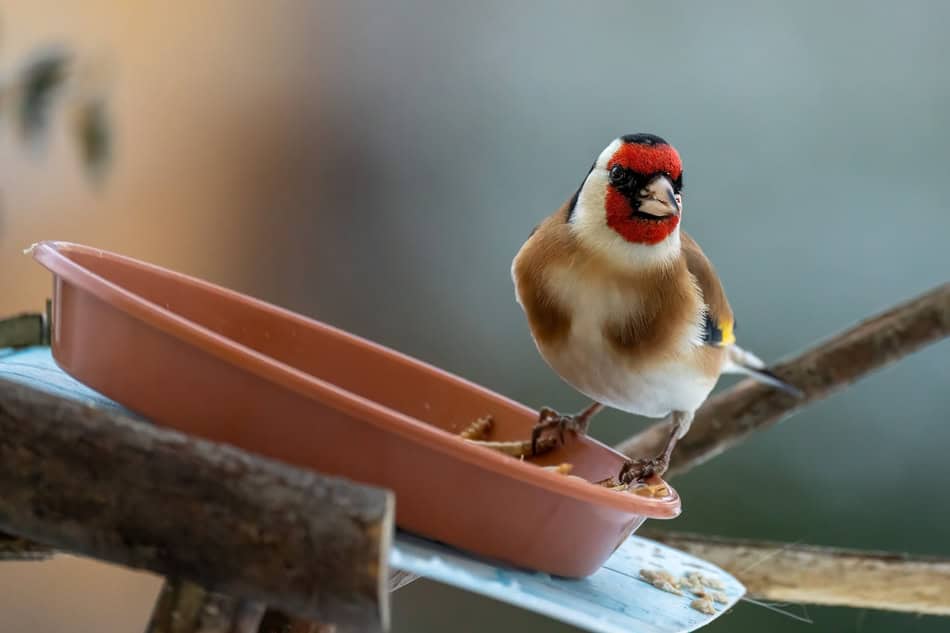
Don’t Take Your Feeder Down Just Because Summer Is Over
Fall bird feeding involves two very different groups of birds.
First are the migrants passing through your area.
Depending on where you live, these may include finches, sparrows, grosbeaks, and other birds moving south or shifting their ranges as the season changes.
Then there are the birds that aren’t going anywhere.
Depending on your region, familiar backyard birds such as:
- Northern cardinals
- Black-capped chickadees
- Tufted titmice
- Downy woodpeckers
- White-breasted nuthatches
- Blue jays
may remain in or around your area throughout winter.
Want more birds around your yard? See our guide to 5 Beautiful Songbirds to Invite to Your Backyard.
As insects become scarce and wild berries and seeds are gradually eaten, a dependable feeder can provide another food source.
So while some of your summer birds may disappear, your backyard isn’t necessarily empty.
The guest list is simply changing.
When Should You Start Feeding Birds for Winter?
If you haven’t had feeders up during summer, October and November are excellent months to put them back out in much of the country.
You don’t have to wait until snow falls.
Putting feeders out during autumn gives local birds time to discover your yard before the harshest weather arrives.
The exact date matters less than the conditions outside.
Consider putting your winter feeders out when:
- Nights are consistently getting colder.
- Insects are becoming scarce.
- Berries and seeds are being depleted.
- Frosts are becoming common.
- Migrating birds are moving through.
- You begin seeing chickadees, nuthatches, juncos, woodpeckers, or other cool-weather visitors around your yard.
By the time the first major snow or ice storm arrives, your feeder may already be a familiar stop.
And once cold weather settles in, the type of food you offer matters. See our complete guide to the 10 Best Winter Bird Foods and the Feathered Guests They Draw.
The Exception: Hummingbird Feeders
Hummingbird feeders cause perhaps the most confusion.
Many people worry that keeping nectar outside too long will prevent hummingbirds from migrating.
It won’t.
Hummingbirds migrate in response to seasonal cues and instinct, not because someone forgot to take down a sugar-water feeder.
Audubon recommends keeping feeders up for about two weeks after you see the last hummingbird using them because late migrants may still pass through. Audubon: How to Create a Hummingbird-Friendly Yard
Audubon also notes that hummingbirds are genetically programmed to migrate and that leaving a feeder available will not normally cause them to stay too late. Audubon: Hummingbird Feeding FAQs
So don’t rush to take the feeder inside immediately after your regular hummingbirds disappear.
We recently covered this subject in more detail here:
Related: Don’t Take Down Your Hummingbird Feeder Yet! Here’s Why
And for a complete timing guide:
Related: When to Take Down Your Hummingbird Feeder
Farmers’ Almanac Tip
Write down the date of your last hummingbird sighting each year.
Over time, you’ll build your own little backyard migration calendar—and may be surprised at how consistent the timing can be.
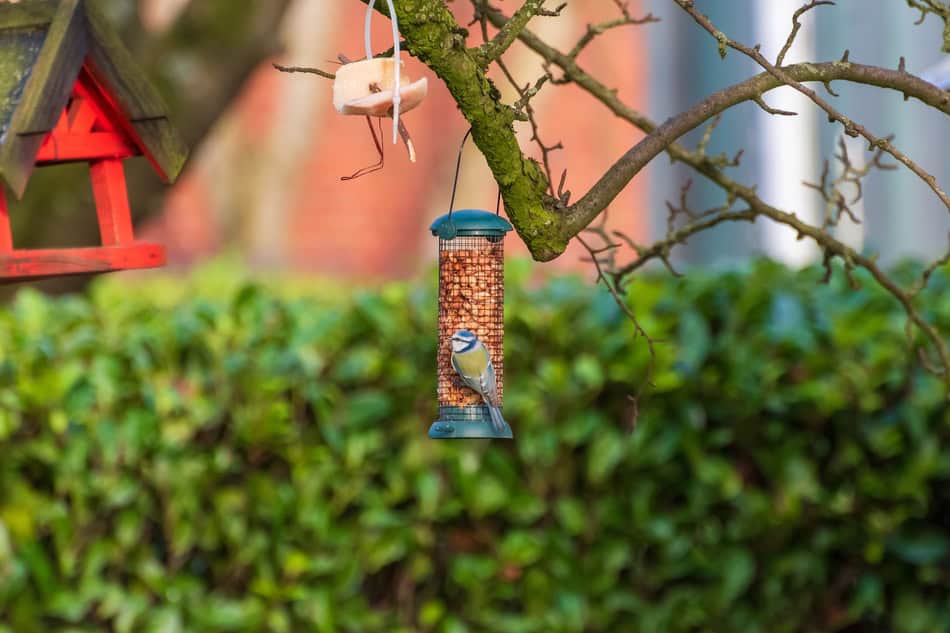
When You SHOULD Take Bird Feeders Down
Although there is no normal fall deadline, there are circumstances when temporarily removing a feeder is the responsible thing to do.
1. You See Sick Birds
A bird feeder concentrates many birds in a relatively small area.
Unfortunately, that can also make it easier for certain diseases to spread.
Watch for birds that appear:
- unusually puffed up
- lethargic
- easy to approach
- afflicted with swollen or crusty eyes
- visibly ill
If you notice several sick birds, temporarily taking feeders down allows birds to disperse.
The Cornell Lab of Ornithology recommends taking feeders down for at least a week if several diseased birds are appearing, while also thoroughly cleaning the feeder and surrounding area. Cornell Lab: What To Do If You Find a Sick Bird
2. Your Seed Has Become Wet or Moldy
Fall weather can create a perfect combination for spoiled birdseed:
Cool temperatures, rain, damp leaves, and humid conditions.
Don’t simply pour fresh seed on top of old, wet seed.
Empty the feeder.
Clean it.
Allow it to dry completely.
Then refill it with fresh food.
Cornell recommends cleaning bird feeders about once every two weeks, and more frequently during heavy use, wet weather, disease outbreaks, or whenever sick birds have been spotted. Cornell Lab: How to Clean Your Bird Feeder
Also remove wet seed and old hulls from underneath feeders.
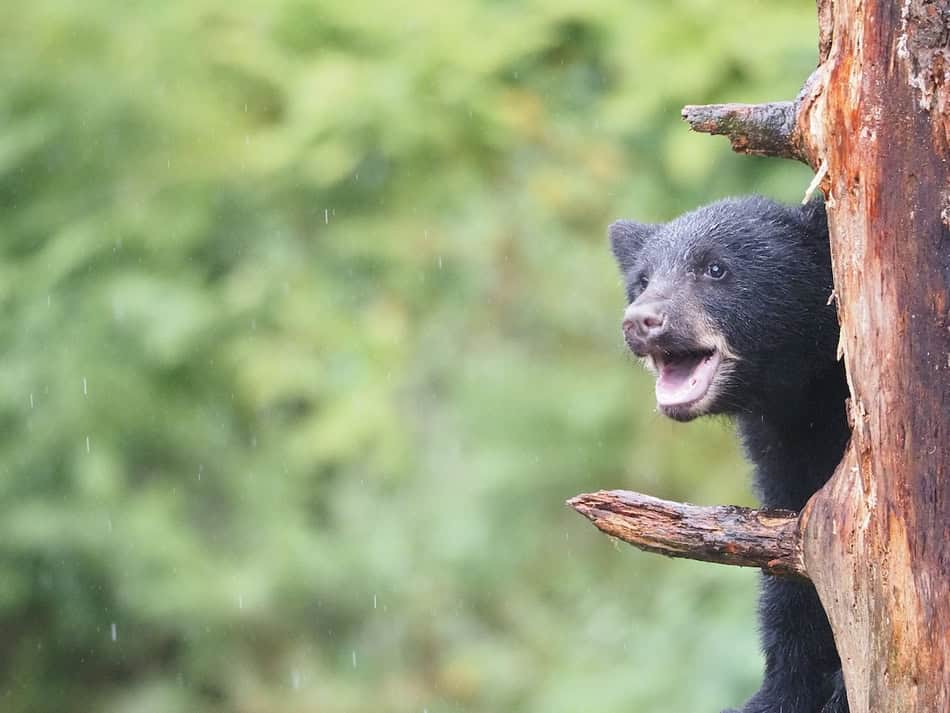
3. Bears Are Active Around Your Home
This is the big exception for people living in bear country.
Birdseed is food—and bears know it.
The National Park Service recommends removing bird feeders when bears have been seen in your area and putting feeders out only when bears are less active. Spilled seed should also be cleaned up. National Park Service: Bears and Bird Feeders
Local wildlife agencies may have even more specific recommendations about when feeders should be removed and when they can safely return.
In some bear regions, winter rather than fall may actually be the safest bird-feeding season, once local bears have denned.
Always follow your state or local wildlife agency’s guidance.
Fall Is a Good Time to Give Your Feeders a Deep Cleaning
Before winter’s feeding rush begins, give your feeders a thorough cleaning.
The Cornell Lab recommends cleaning feeders about every two weeks under normal conditions and more frequently during rainy weather or periods of heavy activity. Cornell Lab: How to Clean Your Bird Feeder
Also clean the ground underneath.
Old hulls, bird droppings, damp seed, and other waste can accumulate beneath popular feeders surprisingly quickly.
Think of fall feeder cleaning as the bird-feeding equivalent of getting your furnace ready for winter.
Do it now, before things get busy.
What Should You Feed Birds in Fall?
Fall is a time for energy-rich foods.
Birds preparing for migration or colder weather need calories, and some foods offer far more nutritional value than inexpensive filler seed.
Good choices include:
Black Oil Sunflower Seeds
One of the best all-around feeder foods and attractive to a wide variety of backyard birds.
Sunflower Hearts
Easy for birds to eat and much less messy beneath the feeder because there are no shells.
Peanuts
Popular with jays, woodpeckers, nuthatches, chickadees, and several other species.
Suet
Particularly useful as temperatures fall because it provides concentrated fat and calories.
Nyjer Seed
Especially attractive to goldfinches, siskins, and other small finches.
For a full list of what to put out as temperatures fall, see 10 Best Winter Bird Foods and the Feathered Guests They Draw.
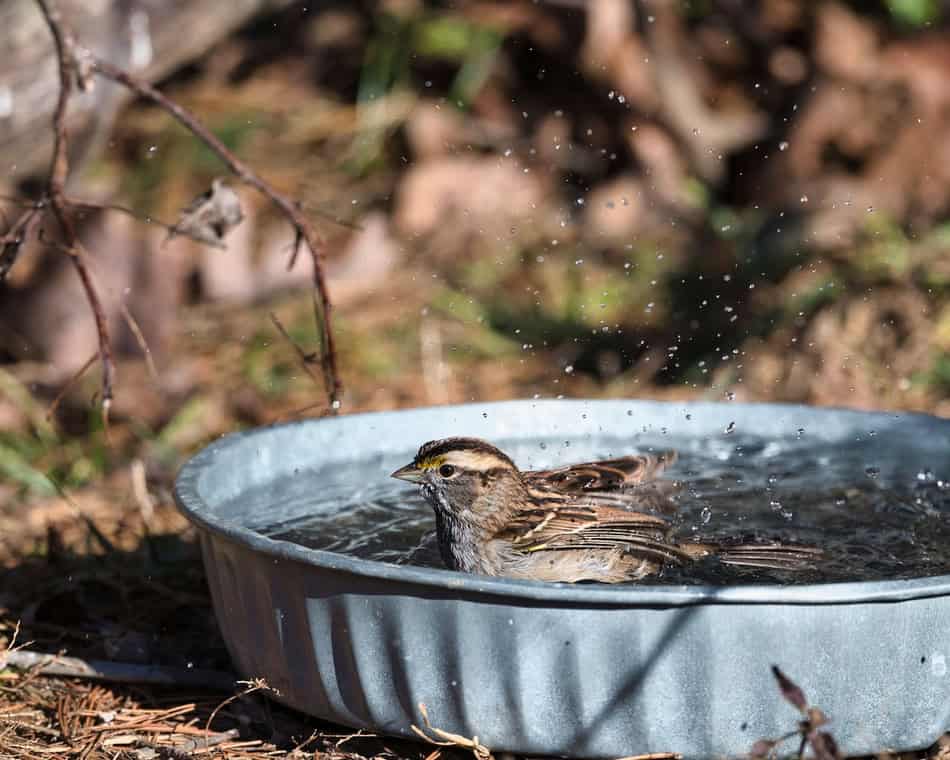
Don’t Forget Water
Your bird feeder may receive all the attention, but fresh water can be just as important.
Natural puddles and shallow water sources begin disappearing as temperatures fall, and eventually many will freeze.
Keep bird baths clean and filled during fall.
Once freezing weather arrives, a properly designed heated bird bath can keep water accessible during cold spells.
We have six ways to help keep the water open here:
Related: Winter Bird Bath Ideas: Keep Water From Freezing
And remember: never add antifreeze, salt, glycerin, or other chemicals to a bird bath to keep it from freezing.
Should You Feed Birds Every Day?
Don’t panic if your feeder runs empty occasionally.
Wild birds normally use many different food sources rather than relying entirely on one backyard feeder.
They may eat:
- seeds
- berries
- insects
- nuts
- fruits
- plant material
- food from several neighboring feeders
Your feeder supplements those natural foods.
Still, if you’ve decided to maintain feeders through winter, keeping them reasonably well stocked—particularly ahead of severe weather—can make your yard a dependable feeding stop.
Snow and ice can temporarily cover many natural foods at exactly the time birds need plenty of energy to stay warm.
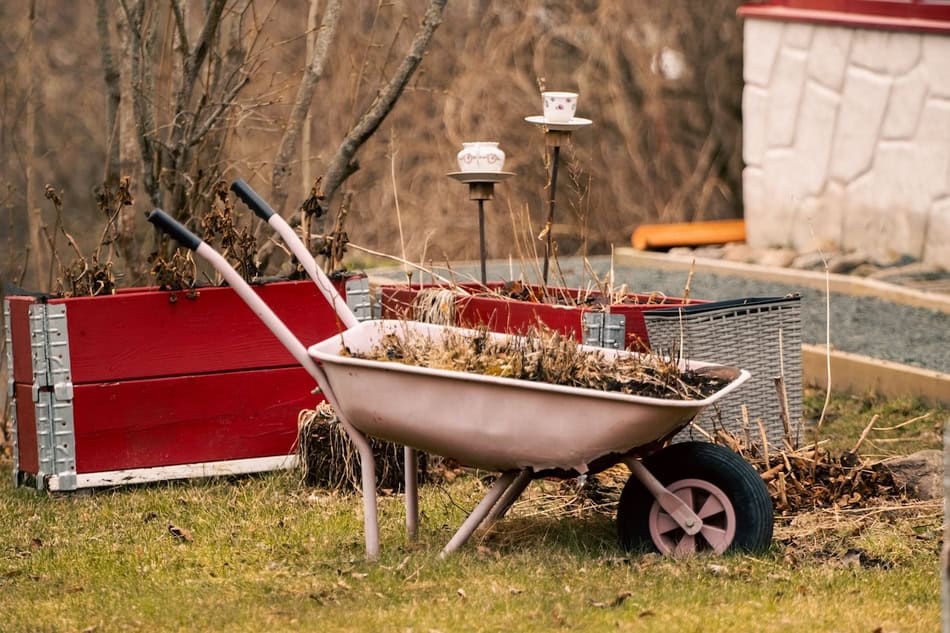
Don’t Make Your Yard Too Clean This Fall
Here’s another way to help birds that doesn’t involve buying a bag of seed.
Leave a little mess.
Seed heads, fallen leaves, brush, berries, and native plants can provide natural food and shelter.
Instead of cutting every perennial to the ground and removing every leaf, consider leaving part of your garden intact until spring.
Leaving seed-producing plants standing can provide another food source for birds after flowers have faded.
Your yard can also produce some of its own bird food. Farmers’ Almanac has a guide to plants you can grow specifically for seed-eating birds:
Growing Birdseed: How to Plant a Backyard Bird Buffet
A perfectly manicured yard may look tidy to us.
To a chickadee, sparrow, junco, or towhee, a slightly messy corner can look like dinner.
So, When Should You Stop Feeding the Birds?
For most people:
You don’t have to stop in fall at all.
You can continue feeding birds through autumn and straight into winter.
Taking feeders down will not normally encourage birds to migrate, and leaving them up will not convince migratory birds to remain behind.
Instead, your feeder can provide a useful supplemental food source for both birds passing through and the year-round residents preparing for cold weather.
The bigger question isn’t when should you stop feeding birds?
It’s whether you’re keeping the feeding area clean, safe, and stocked with good-quality food.
Do that, and your backyard feeder can stay busy long after the last leaves have fallen.
Frequently Asked Questions
Should I stop feeding birds in October?
Usually, no. There is no general rule requiring bird feeders to come down in October. In many areas, October is an excellent time to feed migrating birds and begin preparing feeders for winter.
Will birds forget how to find food if I feed them?
No. Backyard birds continue searching for and eating natural foods when feeders are available. A feeder is generally one part of a much larger network of natural and supplemental food sources.
Does feeding birds stop them from migrating?
No. Migratory behavior is driven largely by instinct and seasonal cues. A feeder may provide useful fuel during migration, but it normally won’t persuade a migratory bird to remain for winter.
When should hummingbird feeders come down?
A good rule is to leave them up for about two weeks after your last hummingbird sighting. Late migrants may still appear.
Should I feed birds during winter?
Yes, if you enjoy feeding birds and can keep the feeding area clean. High-energy foods such as black oil sunflower seeds, sunflower hearts, peanuts, and suet are particularly useful during cold weather.
When should I remove a bird feeder?
Temporarily remove it if you see multiple sick birds, if wildlife officials recommend doing so during a disease outbreak, if seed has become contaminated, or if bears are visiting your property.
More From Farmers’ Almanac
Why a Fall Bird Feeder Matters
10 Best Winter Bird Foods and the Feathered Guests They Draw
When to Take Down Your Hummingbird Feeder
Don’t Take Down Your Hummingbird Feeder Yet! Here’s Why
Winter Bird Bath Ideas: Keep Water From Freezing

- Farmers' Almanac Staff

- Farmers' Almanac Staff