

10 Best Winter Bird Foods and the Feathered Guests They Draw
Keep your feathered friends happy and healthy with these important winter bird foods to help them thrive through the toughest season. See the list.
Quick Reference
- Top-calorie pick: suet, cake or bark butter, unmatched for cold snaps.
- All-comers seed: black oil sunflower, high fat and easy to open.
- Small-bird favourite: Nyjer (thistle), pull in goldfinches and siskins.
- Woodpecker magnet: peanuts, whole or shelled, and bark butter.
- Ground-feeding species: millet and cracked corn for juncos, doves, quail.
- Bluebird treat: mealworms, dried or live, in small servings.
- Best feeding time: first light and mid-afternoon, before dusk roosting.
Winter is the hardest stretch of the year for backyard birds. Small songbirds burn through their fat reserves overnight and can lose up to ten percent of their body weight before dawn on a sub-zero morning, according to the Cornell Lab of Ornithology. The right feeder mix keeps them alive and keeps your yard full of colour from December through March. This guide keeps every one of the ten foods from the original Almanac list, adds a species-by-food chart, a regional stocking plan, and answers the seven questions readers ask most about winter feeding.

Top 10 Best Bird Foods For Winter
These ten foods cover every common winter feeder guest across the United States and Canada. The list is ordered roughly by calorie density and versatility, but any three together will pull a diverse flock.
- Suet. Whether you offer suet in cakes, balls, shreds, nuggets, or chunks, it will always be a popular choice. It can be offered plain or mixed with other foods such as seed, insects, nuts, or fruit, and every variety will be enjoyed by winter birds. This includes woodpeckers, nuthatches, wrens, chickadees, jays, cardinals, and nutcrackers.
- Bark Butter. A spreadable form of suet called bark butter can be smeared directly on tree bark, creating an instant feeding station. This option is especially useful for birds that cling to tree trunks, such as woodpeckers, nuthatches, creepers, and other clinging birds like chickadees, as they can visit for a quick bite.
- Hulled Sunflower Seed. Shelled sunflower hearts and chips are ideal for all winter birds. Not only is sunflower seed high in fat and calories, but without shells it is easier for birds to eat, and there are no messy hulls underneath the feeders. Wrens, finches, siskins, cardinals, nuthatches, jays, and plenty of other winter visitors will enjoy this seed.
- Black Oil Sunflower Seed. The go-to staple of bird feeding, there is never a bad time to offer black oil sunflower seed. Birds have to work to open each seed and hulls do build up under feeders, but those hulls protect the seed from snow and ice so it does not clump or spoil as quickly. All sorts of birds will gorge on this seed, including cardinals, chickadees, titmice, finches, wrens, jays, and more.
- Peanuts. Larger birds or those with a more industrious attitude will appreciate high-calorie, fat-rich peanuts at winter feeders. Jays, nutcrackers, and woodpeckers can enjoy whole in-shell nuts, while titmice, chickadees, and wrens are more likely to feast on shelled nuts and nut hearts.
- Nyjer. Also known as “thistle” seed, Nyjer is a tiny seed with high oil content. To prevent it from blowing away on windy days, it is best offered in mesh or sock feeders. Pine siskins, goldfinches, redpolls, purple finches, and other small seed-eating birds all prefer Nyjer.
- Fruit. Fruit-loving birds may migrate south for the winter, but some still enjoy the sweet treat of apple chunks, orange wedges, raisins, or fresh cranberries. These foods can be offered on platforms or festive strings, attracting thrushes, jays, finches, and waxwings for a visit.
- Millet. High in carbohydrates and calories, millet provides quick energy for hungry birds. It can be offered hulled or whole, either in feeders or sprinkled directly on the ground. Juncos, sparrows, finches, wrens, doves, and quail will all appreciate this energy-rich food.
- Cracked Corn. While not the most nutritious option, cracked corn is a rich source of carbohydrates that gives birds good energy. It is affordable and best offered on the ground or in low feeders for birds with larger appetites, such as quail, grouse, wild turkeys, doves, and ducks.
- Mealworms. During the winter, when insects are scarce, insect-eating birds will flock to a feeder that offers dried or live mealworms. Provide them as a small treat rather than the main course. Bluebirds, thrushes, wrens, chickadees, nuthatches, and titmice will line up for their share.
For the most feathered fun when snow flies, offer as many of these top winter foods as possible and a diverse, active flock will feast at the feeders all winter long.
Which Bird Wants Which Food: A Species Chart
This chart is drawn from long-running feeder studies at the Cornell Lab of Ornithology and the Project FeederWatch database. Cross-reference it with your local winter checklist before you buy a 20-pound sack.
| Bird | Best food | Feeder style |
|---|---|---|
| Northern Cardinal | Black oil sunflower, safflower, cracked corn | Platform or hopper. Cardinals are poor clingers and want a perch |
| Chickadees and titmice | Black oil sunflower, peanuts, suet | Tube or suet cage. They take one seed and fly off to eat it |
| White-breasted Nuthatch | Sunflower, peanuts, suet, peanut butter | Suet cage or peanut feeder on a tree trunk |
| American Goldfinch | Nyjer (thistle) and sunflower hearts | Nyjer feeder or fine mesh |
| Woodpeckers | Suet, peanuts, sunflower | Suet cage fixed to a trunk or post |
| Juncos and native sparrows | White millet, cracked corn | Ground or low platform. These are ground feeders |
| Blue Jay | Peanuts in the shell, sunflower, corn | Open platform. They need room |
| House Finch | Black oil sunflower, nyjer | Tube feeder |
Regional Stocking Plan for the Winter Feeder
Winter feeder guests differ from region to region. A Georgia yard is drawing bluebirds and Carolina wrens; a Manitoba yard is drawing redpolls and evening grosbeaks. Stocking to what actually shows up cuts waste and keeps the shelf life on your sacks short enough that seed does not spoil.
| Region | Stock heavily | Notes |
|---|---|---|
| Upper Midwest, northern New England, Canada | Suet and black oil sunflower | Fat is survival at these temperatures. Keep feeders full through cold snaps |
| Great Lakes and interior Northeast | Sunflower, suet, nyjer | Lake-effect snow buries ground feeders, so add a low platform |
| Mid-Atlantic and Ohio Valley | Sunflower, safflower, millet | Safflower deters squirrels and grackles while cardinals still take it |
| Southeast and Gulf | Sunflower, millet, some suet | Milder winters mean smaller flocks. No-melt suet is worth the extra |
| Great Plains | Sunflower, millet, cracked corn | Wind is the problem. Site feeders in shelter |
| Mountain West and Pacific Northwest | Sunflower, suet, nyjer | Wet weather spoils seed fast. Small amounts, topped up often |
A Note From the Almanac: Folklore of the Winter Feeder
Rural New England shopkeepers used to say a cardinal at the feeder in January meant a hard month of winter still to come. The folklore has no forecasting weight, but the cardinal himself does: he defends a winter territory and treats a reliable feeder as part of it, which is why the same red bird shows up morning after morning.
The Almanac has been running feeder columns since the 1800s. The single most repeated tip from generations of readers is this: keep the feeder full first thing in the morning and one more time an hour before dusk. Birds top up their fat stores at those two windows, and a feeder that is empty at 4 p.m. in January can cost a chickadee its overnight survival.
Best Practices for Winter Feeding
Clean feeders every two weeks with a solution of one part white vinegar to nine parts water, per Project FeederWatch guidance. Dirty feeders spread salmonella and mycoplasmal conjunctivitis, especially among finches.
- Offer water in a heated dish or shallow bath. Open water in a snow-covered landscape brings species that would never come for seed alone.
- Rake spilled hulls once a week; heavy build-up harbours mould.
- Move a feeder that gets hit by a Cooper’s hawk. Five feet from cover is the sweet spot: close enough to escape, far enough to spot.
- Store seed in a sealed metal bin. Plastic bins do not stop rodents; a galvanised trash can does.
- On extreme-cold mornings (below 0 degrees F), spread a handful of sunflower hearts and cracked corn on shovelled ground; the ground foragers cannot dig through fresh snow.
Related Reading
Grow these plants to feed the birds
Winter is for the birds: a full seasonal guide
Why are cardinals red?
Frequently Asked Questions About Winter Bird Feeding
What are the best foods to give birds in winter?
Suet, black oil sunflower seed, and hulled sunflower hearts are the three staples. They deliver the highest fat and calorie content per bite, which is what winter birds need to survive long cold nights. Add Nyjer for finches, peanuts for woodpeckers and jays, and mealworms for bluebirds if those species are common in your yard.
When should I start feeding birds in winter?
Set up feeders in October or early November, before the first hard frost. Birds map out their winter feeding routes as the days shorten. A feeder that appears in December still gets used, but it takes longer for the local flock to find and rely on it.
Do I need to feed birds every day, or can I skip a few days?
You do not need to fill feeders daily, but consistency matters. Birds work a feeder into their morning circuit and can waste precious calories detouring to an empty one. If you go away for a week, ask a neighbour to top it up, or set out a hopper feeder that holds five to ten pounds.
Is it safe to feed birds bread in winter?
No. Bread has almost no fat, no protein worth counting, and fills a small bird up so it stops looking for real food. Skip bread entirely. If you want a quick treat, unsalted peanuts or a spoonful of natural peanut butter smeared into a pine cone is far better.
How do I keep squirrels off the winter feeders?
Use a baffle above pole-mounted feeders, hang tube feeders on wire between two trees at least ten feet from a jump-off point, and choose safflower seed instead of sunflower in the busiest feeders. Squirrels dislike safflower; most feeder birds do not mind it.
Do birds still need a feeder if their natural food is available?
Yes, especially in the coldest weeks. Even in years with a heavy wild-berry crop, a feeder cuts the amount of time birds spend foraging in the open, which reduces heat loss and predator risk. The Cornell Lab of Ornithology notes that chickadees that used a feeder had a higher over-winter survival rate than those that did not.
When should I stop feeding birds in the spring?
You do not have to stop. If you want to, taper off in late April in the North or early April in the South, after the last hard freeze. Keep a hummingbird feeder up separately once the local hummers arrive.


Melissa Mayntz
Melissa Mayntz is a writer who specializes in birds and birding, though her work spans a wide range—from folklore to healthy living. Her first book, Migration: Exploring the Remarkable Journeys of Birds was published in 2020. Mayntz also writes for National Wildlife Magazine and The Spruce. Find her at MelissaMayntz.com.
- Melissa Mayntz

- Melissa Mayntz
- Melissa Mayntz
- Melissa Mayntz


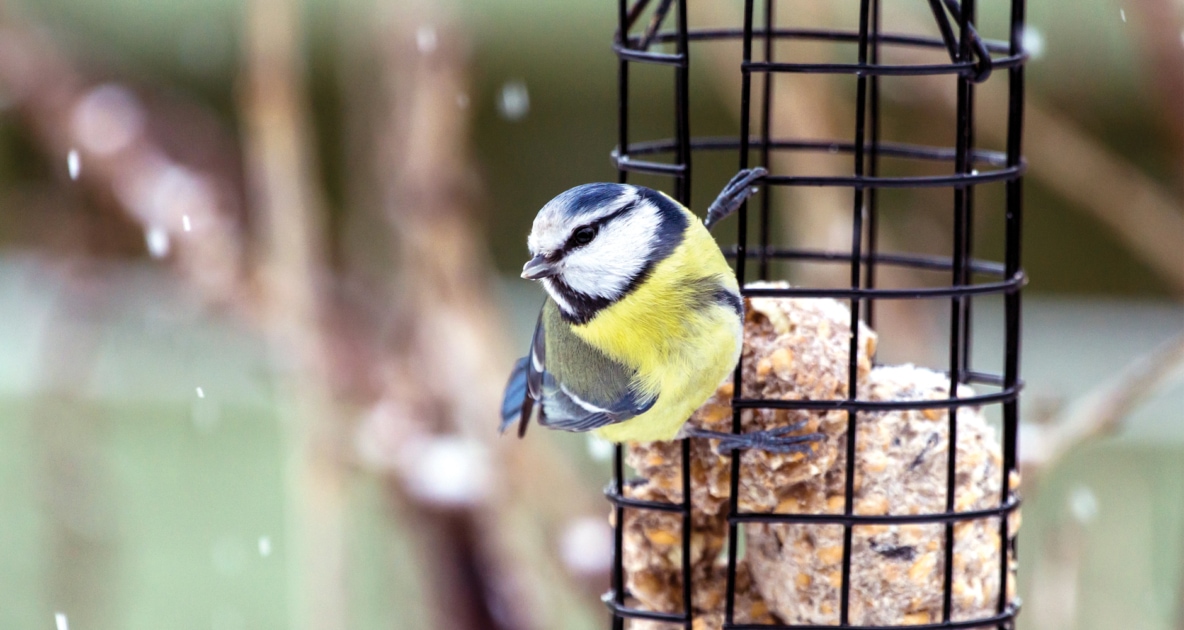
The bird in your article is a Blue Tit native to Europe. I assume the article is about North American birds. Perhaps in an article directed toward a North American audience should feature a bird native to the Continent. Just a thought.
Thank you for your comment, Ron. It is our understanding that the Blue Titmouse can be found on all continents (expect the poles and Australia). “The tits, chickadees, and titmice constitute the Paridae, a large family of small passerine birds which occur mainly in the Northern Hemisphere and Africa.” But it’s true that it is commonly found in Europe.