Why Do Chickens Stop Laying Eggs When the Days Get Shorter?

All summer, your hens have been keeping the egg basket full. Then fall arrives, and suddenly you’re finding one egg in the nesting box instead of three. Maybe none at all.
The chickens are eating the same feed, living in the same coop, and otherwise behaving normally. So what happened?
Believe it or not, your hens may be responding to the changing season long before winter’s coldest weather arrives. Chickens are remarkably sensitive to daylight, and as the days get shorter, their bodies receive signals that can slow or temporarily stop egg production.
How Do Chickens Know Winter Is Coming?
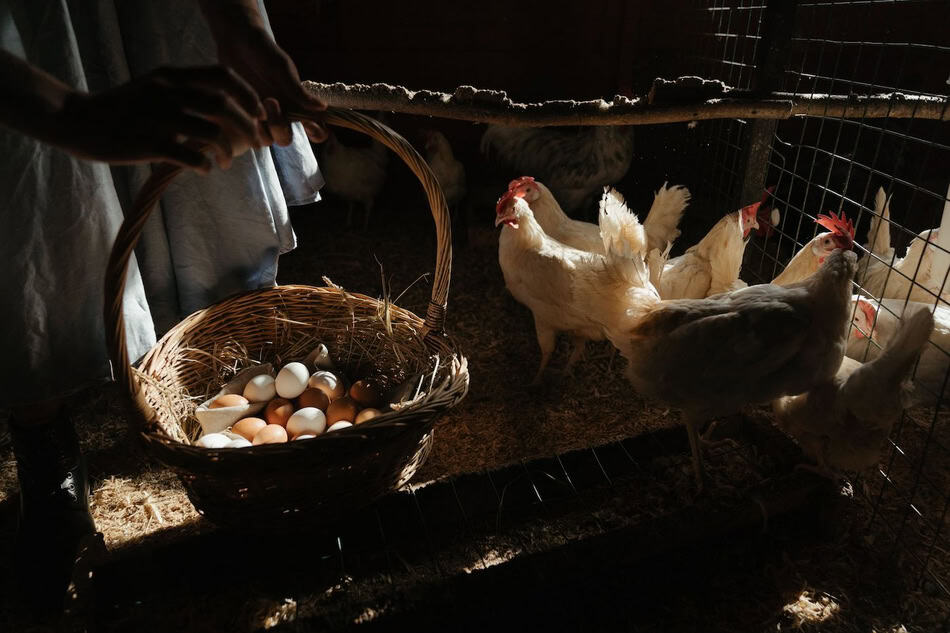
Chickens don’t need a forecast to recognize the changing seasons. Their bodies respond to the number of hours of light they receive each day, a natural cycle known as the photoperiod.
Daylight helps regulate the hormones involved in reproduction. During spring and summer, longer days encourage egg production. As daylight decreases in autumn, that hormonal stimulation declines.
According to Penn State Extension, this seasonal change is one of the main reasons backyard hens reduce or stop laying eggs in fall and winter.
Hens generally need about 14 to 16 hours of daily light to maintain strong egg production. Once daylight drops below about 12 hours, laying can slow considerably or stop, although the response varies among birds.
In much of the United States, that makes autumn a turning point for backyard flocks.
Interestingly, cold temperatures aren’t necessarily the main reason your egg basket is suddenly empty. A healthy hen can continue laying in cold weather if other conditions, including adequate lighting, support egg production.
It’s the shortening days, not simply the chilly mornings, that often make the biggest difference.
Fall Is Also Molting Season
If you’ve noticed more feathers scattered around the coop lately, you may have found another reason for the egg shortage.
Many adult chickens molt in fall, shedding old feathers and growing new ones. Some birds lose so many feathers that they look downright bedraggled for a while.
Growing a fresh coat of feathers requires substantial energy and protein. During this process, hens commonly reduce or stop laying eggs while their bodies devote resources to replacing those feathers.
University of Arizona Cooperative Extension explains that molting birds often experience a dramatic drop in egg production. It also notes that young pullets generally don’t undergo a full adult molt during their first autumn.
A coop full of feathers and fewer eggs can therefore be a perfectly normal seasonal combination.
Make sure molting hens have access to a nutritionally balanced diet and plenty of fresh water. Poultry specialists sometimes recommend adjusting protein intake during a molt, but any feed changes should be appropriate for the birds’ ages and needs.
Should You Add a Light to the Chicken Coop?
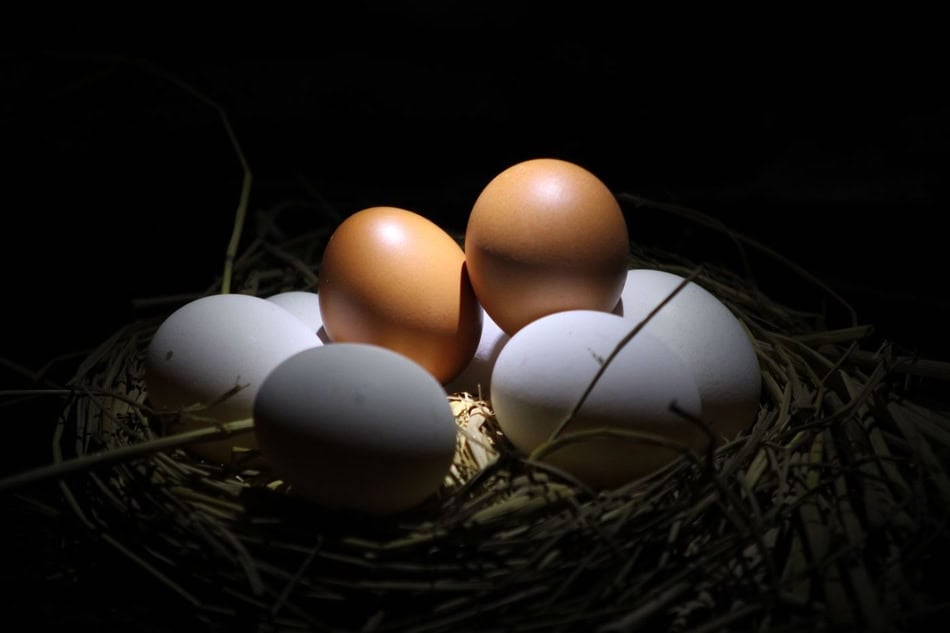
Some backyard chicken keepers use supplemental lighting to maintain egg production through the darker months. Others allow their hens to follow the natural seasonal cycle.
Both approaches are possible, depending on how you manage your flock.
If you want to maintain winter egg production, Penn State Extension’s lighting guidance recommends providing a consistent schedule of approximately 14 to 16 hours of light per day.
A timer can help maintain that schedule. Adding light before sunrise is generally preferable because the birds can still settle onto their roosts as natural darkness falls.
Don’t leave lights on around the clock. Chickens need a daily period of darkness, and suddenly switching off bright lights after sunset can leave them struggling to find their roosts.
Fire safety matters, too. Choose lighting equipment appropriate for a dusty farm environment, mount it securely, and keep electrical fixtures away from bedding and other combustible materials. Avoid using heat lamps simply to extend daylight.
Supplemental lighting is a management choice, not a requirement for keeping healthy backyard chickens.
If you’re comfortable collecting fewer eggs during the darker months, you can allow the flock to follow its natural seasonal pattern.
When Will Chickens Start Laying Eggs Again?
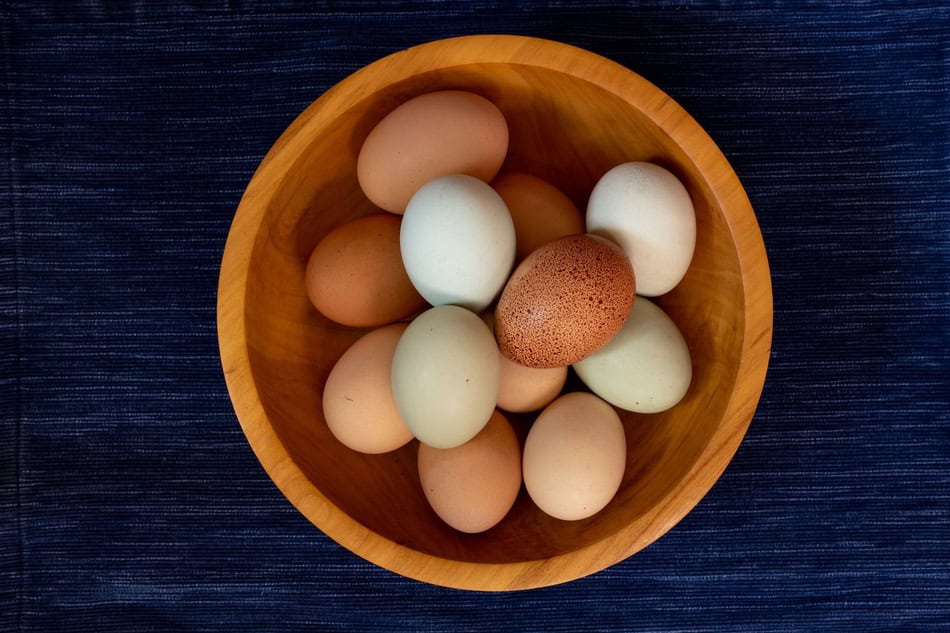
If your hens are healthy and you’re relying on natural daylight, egg production will often improve as the days lengthen again.
Daylight begins increasing after the winter solstice in December, but that doesn’t mean you’ll find a full nesting box the following morning.
It takes time for changing light conditions to influence reproductive activity. Some hens may resume laying during winter, while others won’t return to more regular production until late winter or spring.
Breed, age, nutrition, and whether a hen has finished molting all play a part.
Oregon State University Extension notes that hens kept under natural daylight conditions generally resume egg production in spring after the seasonal slowdown.
So if your flock takes a winter break, there’s a good chance you’ll see more eggs as the brighter days return.
When Is a Drop in Egg Production a Reason to Worry?
Not every egg shortage is caused by shorter days.
Poor nutrition, stress, parasites, illness, and advancing age can all affect laying. Even healthy hens gradually produce fewer eggs as they get older.
If your chickens are alert, eating normally, and otherwise behaving as usual, a fall slowdown may simply be seasonal.
But if egg production drops alongside lethargy, respiratory symptoms, diarrhea, loss of appetite, or other unusual behavior, don’t assume it’s just the changing daylight. Contact a veterinarian experienced with poultry.
Virginia Tech Extension identifies insufficient light, nutrition problems, disease, age, and stress among the major causes of reduced egg production.
For otherwise healthy hens, though, an emptier nesting box in October isn’t necessarily bad news.
Your chickens may simply be following a seasonal rhythm that’s been guiding birds for generations.
And while your breakfast plans might need adjusting for a few months, your hens have already noticed something important: winter is on its way.

- Maggie Konrad

- Maggie Konrad
- Maggie Konrad
- Maggie Konrad