
Why Is Election Day on a Tuesday? You Can Thank America’s Farmers and Horses

Every November, Americans head to the polls on a Tuesday. It’s such a familiar tradition that most of us probably never stop to wonder why. Why Tuesday, of all days? Why not Saturday, when more people might be off work? And why does Election Day always fall in November?
To find the answer, you have to travel back nearly two centuries, to a time when much of America was farmland, roads were often little more than dirt tracks, and getting to town could take an entire day.
Believe it or not, the date of our national elections still reflects the routines of nineteenth-century farmers.
Why Did Congress Choose November for Election Day?
In the early 1800s, the United States was a largely agricultural nation. Farming shaped the calendar, from spring planting to the busy harvest season.
Holding an election in the middle of spring planting or fall harvesting would have been inconvenient for many rural voters. November offered a practical alternative. In much of the country, the main harvest was finished, but winter’s worst weather had yet to arrive.
That mattered when a trip to town meant traveling on foot, horseback, or in a horse-drawn wagon. A journey that takes 20 minutes by car today might have required hours on rough roads.
The Congressional Research Service identifies the agricultural calendar and the need to travel before severe winter weather as traditional explanations for November’s selection.
But that still leaves another question: Why Tuesday?
The Surprising Reason Americans Vote on Tuesdays
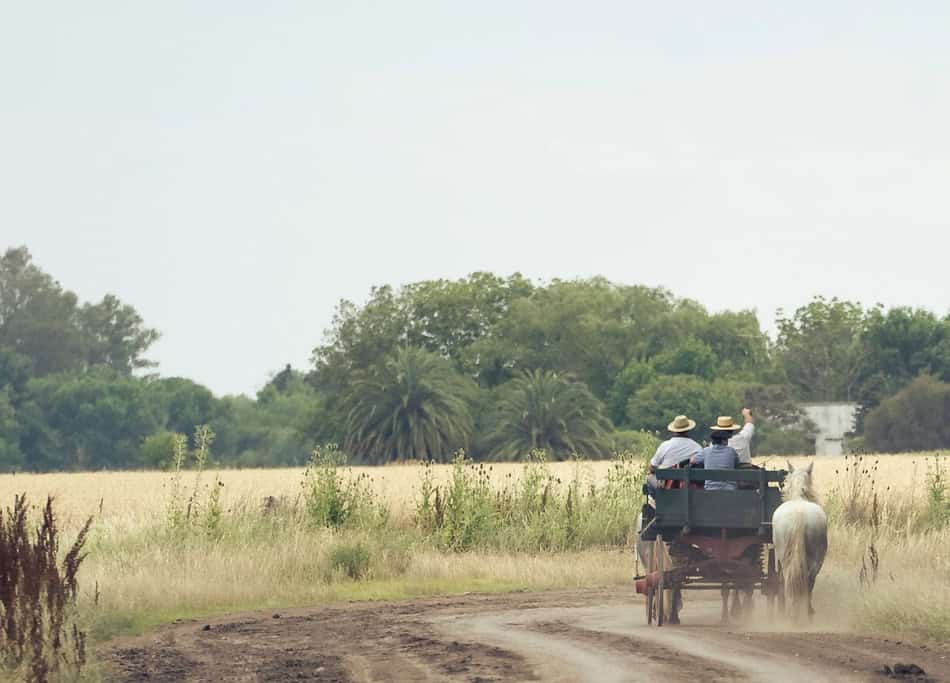
To understand the choice, picture a farmer living several miles from the nearest town in the 1840s.
Polling places weren’t always conveniently located. In some rural areas, voters had to travel to the county seat, where the election was being held. With horses and wagons providing transportation, the trip could require most of a day.
Sunday was widely observed as a day of worship and rest by the country’s Christian population, so requiring voters to begin a long journey on Sunday was considered undesirable.
Monday, therefore, provided a convenient travel day. Farmers could make their way into town, cast their ballots on Tuesday, and return home afterward.
Wednesday also had a role in the traditional explanation. It was a common market day in some communities, when farmers brought goods into town to sell or trade.
A Tuesday election could fit neatly between Sunday worship and Wednesday market business.
Historians commonly cite this combination of travel, religious observance, and market schedules when explaining the choice. The surviving record doesn’t establish that every community followed the same routine or that a single consideration determined Congress’s decision.
Still, it’s a striking example of how everyday rural life helped shape an American tradition.
What Happened in 1845?
Before 1845, states didn’t all choose presidential electors on the same day. Federal law allowed them to make their selections within a designated period before the Electoral College met in December.
That arrangement became increasingly troublesome as news traveled more quickly between states. Election results from one state could become known before voters in another state had finished choosing their presidential electors.
Congress decided that a uniform national date would help address the problem.
On January 23, 1845, Congress passed a law establishing the Tuesday after the first Monday in November as the day for states to appoint presidential electors.
You can see the original wording in the 1845 law preserved by the Library of Congress.
The first presidential election held under the new nationwide schedule took place in 1848.
Congress later established the same November Tuesday for elections to the U.S. House of Representatives. The popular election of U.S. senators was aligned with that schedule after the Seventeenth Amendment provided for their direct election.
What began as a nineteenth-century decision eventually became the familiar Election Day schedule Americans recognize today.
Why the Tuesday After the First Monday?
There’s another curious detail hidden in the law.
Election Day isn’t simply the first Tuesday of November. It’s the Tuesday after the first Monday.
That means it can fall anywhere from November 2 through November 8, but never on November 1.
The distinction is often explained by the desire to avoid the first day of the month, which could conflict with routine business and court activities. November 1 is also All Saints’ Day in some Christian traditions.
The precise significance of those considerations in Congress’s decision is less certain than the wording of the law itself.
What we do know is that the calendar rule has remained in place for generations. In 2026, Election Day falls on Tuesday, November 3.
Why Do We Still Vote on Tuesdays?
The country has changed considerably since 1845. Few Americans now need a horse and wagon to reach a polling place, and farming no longer determines the daily schedule of most households.
Yet the federal Election Day date remains.
Voting methods have changed, too. Many states provide opportunities to vote before Election Day, including early in-person voting and absentee or mail voting under their respective laws. That means November’s designated Tuesday is no longer the only day on which Americans may cast ballots.
Still, changing the federal election date itself would require changing the law.
And there’s something remarkable about the tradition that remains. Nearly two centuries after Congress chose a date suited to an agricultural nation, Americans continue to organize their national elections around the same November Tuesday.
So when you hear someone mention Election Day this year, remember that its history isn’t just about government and politics.
It’s also a story about harvest time, country roads, Sunday church services, and the horses that once carried rural Americans into town.

- Maggie Konrad

- Maggie Konrad
- Maggie Konrad
- Maggie Konrad