
Veterans Day Was Once Moved to October. Americans Fought to Bring It Back.

For seven years in the 1970s, Veterans Day fell on the fourth Monday of October instead of November 11. Congress had moved the holiday to create another three-day weekend, but the decision proved so unpopular that lawmakers eventually reversed it.
Veterans’ organizations objected, states refused to cooperate, and by the time Congress voted to put Veterans Day back where it belonged, the opposition was overwhelming.
How did a holiday honoring America’s military veterans become the center of a national dispute over the calendar?
Quick Reference: The Veterans Day Controversy
- What changed: Veterans Day moved from November 11 to the fourth Monday in October beginning in 1971.
- Why: Congress wanted to create more three-day weekends.
- Why Americans objected: November 11 marks the 1918 World War I armistice. Veterans’ organizations opposed losing that historic connection, and 46 states resisted the federal change.
- What happened: Congress reversed the decision in 1975, and Veterans Day returned to November 11 in 1978.
Veterans Day Was Caught in a Push For Three-Day Weekends
In 1968, Congress passed the Uniform Monday Holiday Act, which moved several federal holidays to Mondays. The idea was to give workers more three-day weekends while encouraging travel and spending.
Washington’s Birthday and Memorial Day were among the holidays affected. Veterans Day was moved from November 11 to the fourth Monday in October.
The change took effect in 1971, when the federal government observed Veterans Day on Monday, October 25.
There was a problem, though. Unlike other holidays whose dates were affected, Veterans Day commemorated an event that had happened on a particular day. And for millions of Americans, that connection was worth preserving.
Why November 11 Was So Important
On November 11, 1918, the armistice that ended the fighting between Germany and the Allied powers on the Western Front took effect at 11 a.m. The moment became known as the eleventh hour of the eleventh day of the eleventh month.
In 1919, President Woodrow Wilson proclaimed November 11 as Armistice Day, a time to remember those who had served in World War I and the peace their sacrifices helped secure.
Congress made Armistice Day a federal holiday in 1938.
Following World War II and the Korean War, the holiday’s purpose expanded. In 1954, President Dwight D. Eisenhower signed legislation changing its name to Veterans Day to honor American veterans of all wars.
The meaning had grown, but November 11 remained a link to the holiday’s origins.
Moving the observance to October broke that connection. To many veterans, it made a solemn occasion seem like just another long weekend.
Americans Refused to Accept the New Date
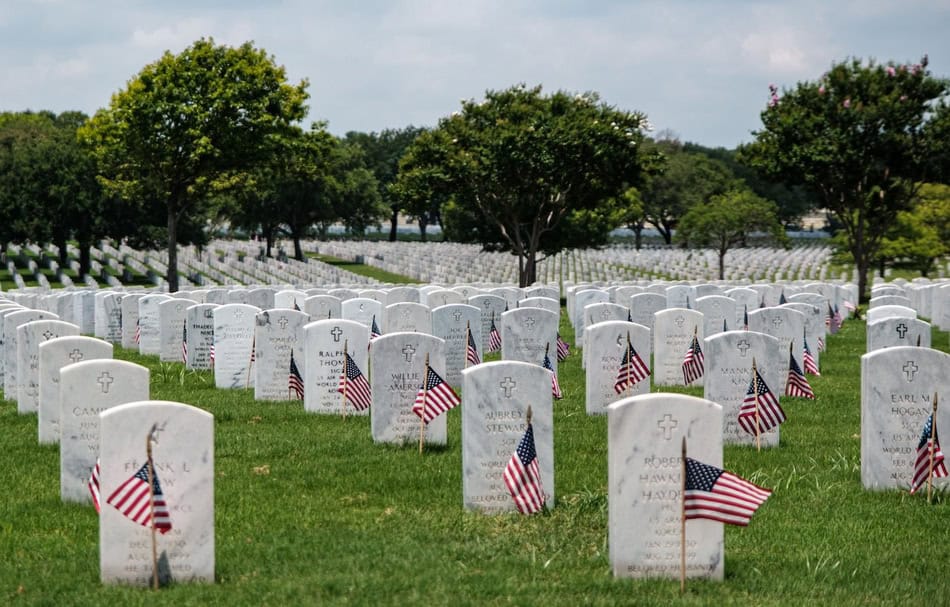
The October observance was unpopular from the beginning.
Veterans’ organizations opposed the move, and state governments resisted adopting the federal schedule. According to the U.S. House of Representatives’ historical account, 46 states refused to follow the change.
The result was a peculiar situation: A federal holiday meant to honor Americans who had served their country was being observed on different dates across that same country.
Some communities continued holding ceremonies on November 11, while federal offices observed the October holiday.
Rather than making the calendar simpler, the change had created confusion. More importantly, it had underestimated how strongly Americans felt about the original date.
Congress Reversed Course
By 1975, the effort to restore November 11 had gained substantial support in Congress.
Colorado Representative Patricia Schroeder was among the lawmakers working to reverse the change. During congressional debate, New Jersey Representative Dominick Daniels argued that Veterans Day should return to its original date because of its historical significance, arguing, “I believe there is still room for tradition in this society.”
The House voted 410 to 6 to restore Veterans Day to November 11.
On September 20, 1975, President Gerald Ford signed the legislation into law. The restoration took effect in 1978, ending the federal government’s seven-year experiment with an October Veterans Day.
Why Veterans Day Is Still November 11
Veterans Day has remained on November 11 ever since. When the date falls on a weekend, federal employees generally receive an alternative weekday off, but the holiday itself remains tied to the anniversary of the 1918 armistice.
For more about its origins and observances, see our guide to when Veterans Day is celebrated and why.
Congress had moved Veterans Day with the practical goal of giving Americans another long weekend. What lawmakers hadn’t anticipated was how many people would insist that November 11 was more important than the convenience of a Monday holiday.
The effort to restore the date became part of Veterans Day history itself, a reminder of how much the observance meant to the veterans and communities determined to preserve it.

- Maggie Konrad

- Maggie Konrad
- Maggie Konrad
- Maggie Konrad