
Can Your Compost Pile Keep Working Through Winter?

Cold weather doesn’t necessarily put an end to composting. A large, well-insulated pile can continue breaking down organic matter even when temperatures fall below freezing. Smaller piles may freeze solid, but you can still add kitchen scraps throughout the winter and let decomposition resume in spring.
The key is knowing what to do with your pile before winter sets in, and what to leave alone once it gets cold.
Quick Guide: Winter Composting
- Can you compost in winter? Yes. Decomposition slows in cold weather and pauses if the entire pile freezes, but you can continue adding suitable scraps.
- Before freezing weather: Build up the pile, harvest finished compost if necessary, and stockpile dry leaves.
- To retain heat: Insulate with leaves or straw bales and protect the pile from excessive rain and snow.
- When adding scraps: Chop large pieces, bury them near the center, and cover with dry leaves or shredded cardboard.
- During deep freezes: Avoid turning the pile, which releases stored heat.
- When spring arrives: Check moisture, add browns if needed, and turn the thawed pile to restore airflow.
Keep out: Meat, bones, dairy, fats, and greasy food scraps can attract pests, particularly when decomposition is slow.
What Happens to Compost in Freezing Weather?
Composting produces its own heat. As microorganisms break down leaves, vegetable scraps, and other organic materials, they release heat that can keep the center of a large pile warmer than the surrounding air.
A small backyard bin loses that heat more quickly. When the entire pile freezes, decomposition essentially stops until temperatures rise again.
According to the University of New Hampshire Cooperative Extension, you can continue composting through winter, although the process will be slower.
You don’t need to keep your pile warm all winter to have good compost in spring. A few changes to your routine will help.
5 Tips for Winter Composting
1. Save Your Fallen Leaves
Before you finish your fall cleanup, fill a few bags with dry leaves and store them somewhere sheltered.
You’ll need them throughout winter to cover fruit and vegetable scraps, coffee grounds, and other kitchen waste. These nitrogen-rich materials need to be balanced with carbon-rich materials such as leaves, straw, or shredded cardboard.
Without enough dry material, your pile may become wet and unpleasant when it thaws.
2. Insulate Your Compost Pile
A pile about three feet wide, three feet long, and three feet high has a better chance of retaining heat than a smaller heap.
Surround your compost bin with bags of leaves or straw bales to help insulate it. You can also add a thick covering of dry leaves or straw over an open pile.
If you’re using a tarp to keep out excessive rain and snow, allow some airflow rather than sealing the pile completely.
3. Chop and Bury Kitchen Scraps
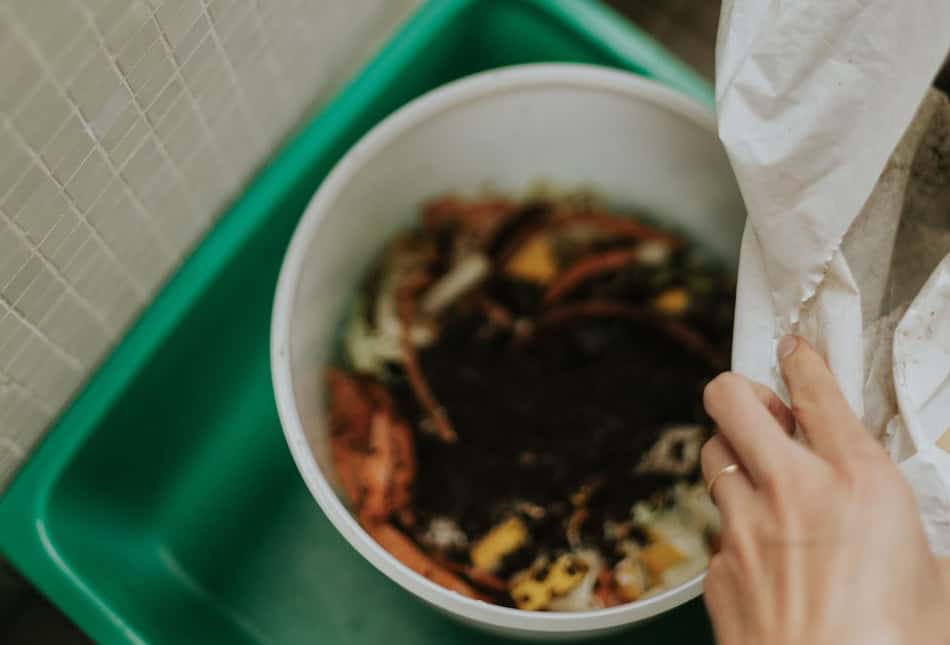
Cutting vegetable peels and other large scraps into smaller pieces gives microorganisms more surface area to work on.
When adding scraps, pull back the top layer, tuck them into the pile, and cover them with dry leaves or other brown material.
Keep meat, dairy products, bones, and greasy leftovers out of an ordinary backyard compost pile. These can attract unwanted animals, particularly when decomposition slows.
4. Don’t Turn the Pile During Deep Freezes
Turning compost helps introduce oxygen, but it also releases stored heat.
Duing sustained freezing weather, it’s generally better to leave the pile alone. Save the turning for warmer days when decomposition becomes more active.
5. Make Room for More Scraps
If your compost freezes solid, new scraps won’t break down as quickly, so the pile may fill up.
Keep a second bin or container available if necessary. Continue covering additions with dry leaves to help control odors and discourage pests.
What Should You Do When Spring Arrives?
Once the pile thaws, check its moisture. The material should feel roughly like a wrung-out sponge: damp, but not dripping wet.
If it’s soggy, mix in dry leaves or shredded cardboard. If it’s too dry, add some water. Turning the thawed pile will introduce fresh air and help decomposition get going again.
Don’t expect everything you added during winter to be ready for the garden immediately. Those scraps still need time to break down.
For more on building and maintaining a healthy pile, see the University of Maryland Extension’s home composting guide.

- Maggie Konrad

- Maggie Konrad
- Maggie Konrad
- Maggie Konrad