10 Signs From Nature of a Harsh and Cold Fall Ahead

For centuries, farmers, hunters, and gardeners looked to nature—not weather apps—for clues about the season ahead. While science doesn’t support many of these old sayings as reliable long-range forecasts, they remain fascinating pieces of American folklore and often reflect close observation of the natural world.
Here’s a look at 10 classic signs that folklore says point to a colder-than-normal fall and the possibility of an early, harsh winter.
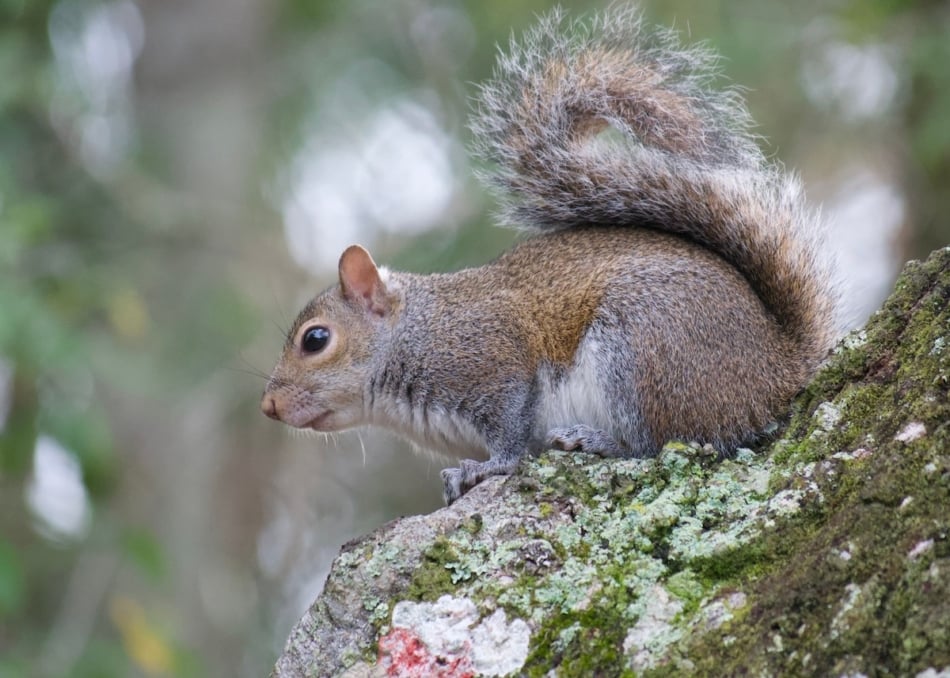
1. Squirrels Are Gathering Nuts Earlier Than Usual
One of the oldest bits of weather folklore says:
“Squirrels gathering nuts in a flurry will cause snow to gather in a hurry.”
If you notice squirrels collecting acorns weeks earlier than normal or frantically burying food, folklore suggests they’re preparing for a long, cold season.
Scientists note that squirrel activity is more closely tied to the availability of mast crops (acorns, walnuts, and hickory nuts) than future weather—but it’s still one of autumn’s most beloved signs.
2. A Heavy Acorn Crop
An unusually abundant acorn crop has long been viewed as nature’s way of feeding wildlife before a difficult season.
Oak trees actually produce “mast years” for biological reasons rather than in response to future weather, but generations of rural observers have associated bumper acorn crops with cold falls and snowy winters.
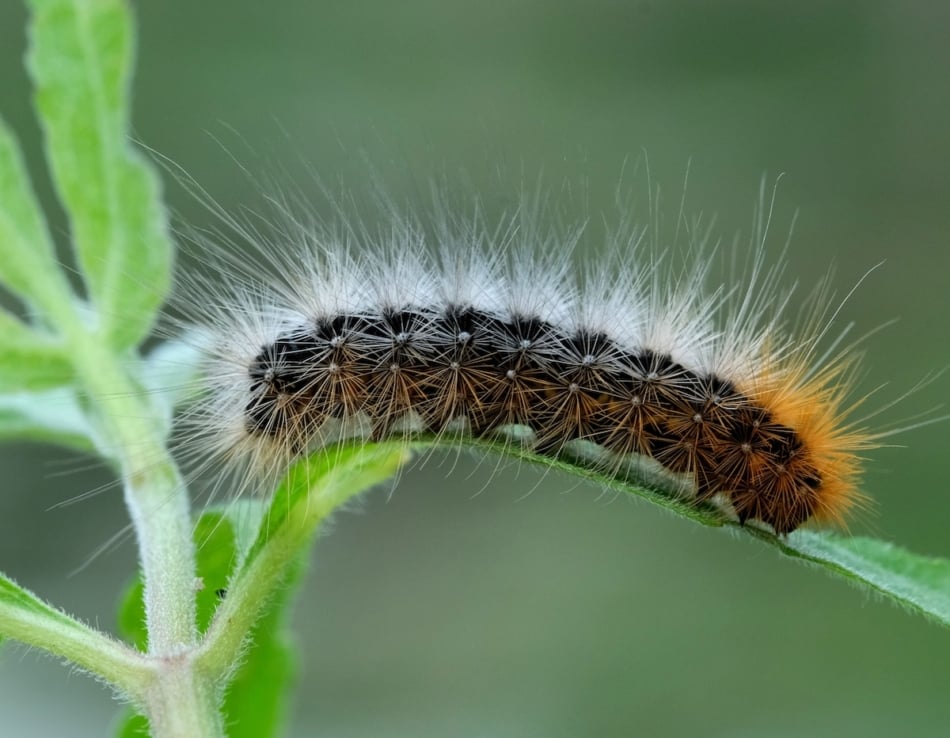
3. Woolly Bear Caterpillars Have More Black Than Brown
Perhaps no fall tradition is more famous than reading the woolly bear caterpillar.
According to folklore:
- More black = colder, longer winter
- Wide brown band = milder season
- Narrow orange band = heavier snowfall
Modern entomologists say the caterpillar’s coloring reflects its age and growing conditions—not the weather to come—but spotting one each autumn remains a favorite Farmers’ Almanac tradition.
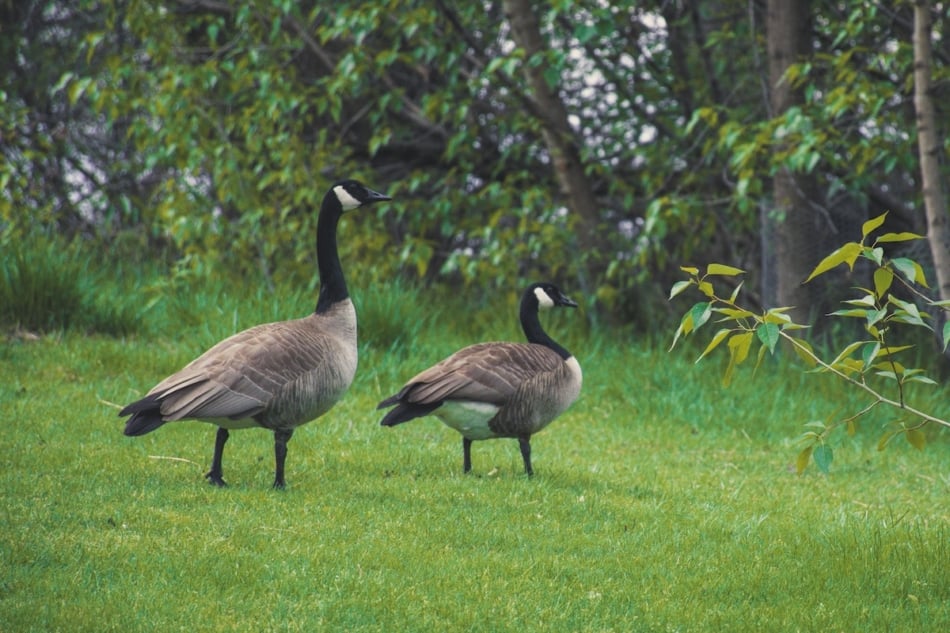
4. Geese Head South Early
Large flocks of Canada geese departing well ahead of their usual schedule have traditionally been taken as a sign that colder weather isn’t far behind.
Migration timing is actually driven by daylight length, weather patterns, and food availability, but an early migration can coincide with an earlier change in seasonal conditions.
5. Thick Fur on Wildlife
Old-timers often watch for:
- Bushier squirrel tails
- Thick raccoon fur
- Heavy coats on deer
- Dense hair along the necks of cattle
Animals naturally grow winter coats as daylight shortens, though folklore claims unusually thick fur hints at a colder-than-average season ahead.
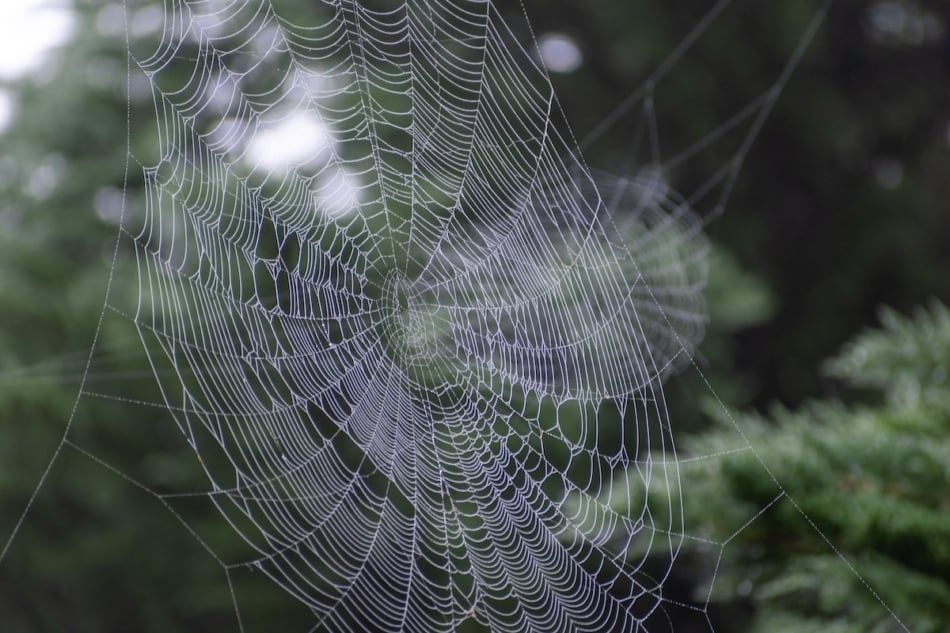
6. Spiders Build Bigger Webs
Another old saying claims that if spiders spin unusually large, sturdy webs in late summer and early fall, settled weather will continue briefly before a greater seasonal change arrives.
Large webs are more likely related to favorable hunting conditions, but country folklore has long linked them with the coming of colder weather.
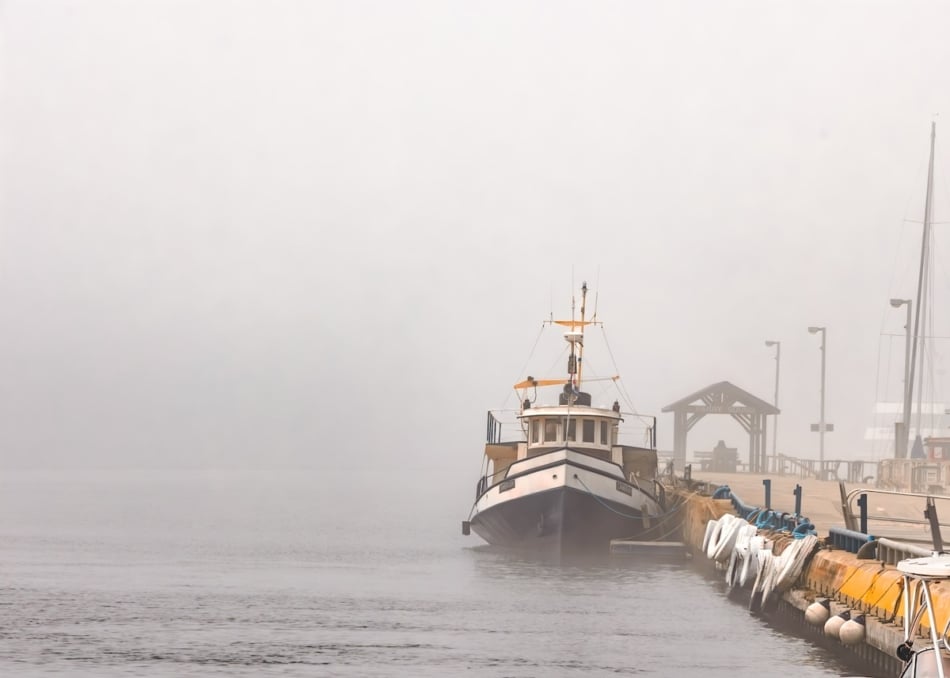
7. Heavy August Fogs
Appalachian folklore says:
For every fog in August, expect one snowfall during the coming winter.
While there’s no scientific evidence supporting the prediction, counting August fogs remains one of America’s oldest weather traditions.
8. Hornets Build Their Nests High
Another enduring saying goes:
“See how high the hornet’s nest, ’twill tell how high the snow will rest.”
The belief is that hornets instinctively build higher nests before winters with deep snow.
Hornets build where the site, the food and the shelter suit them, and the saying continues to be passed down across rural America.
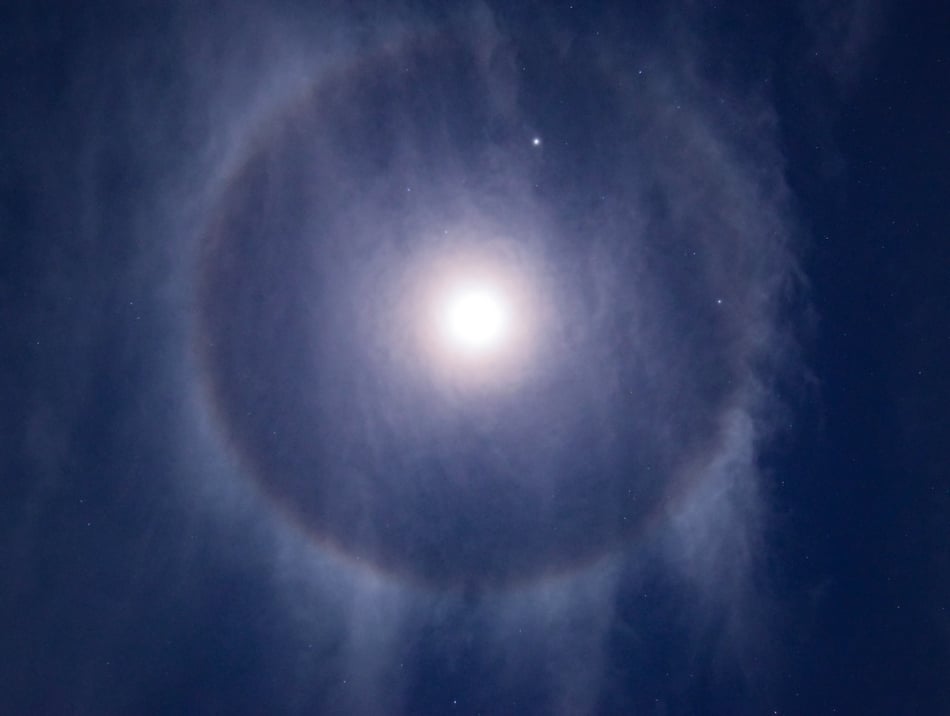
9. Halos Around the Moon Become More Common
Unlike many entries on this list, this one has some meteorological basis.
A bright ring around the Moon is caused by ice crystals in high cirrus clouds, which often precede approaching storm systems.
While it doesn’t predict an entire season, frequent halos during autumn can signal a more active pattern of storms.
10. Persimmon Seeds “Predict” the Season
In parts of the Midwest and Appalachia, people split open ripe persimmon seeds each fall.
According to folklore:
- Spoon shape = Lots of snow
- Fork shape = Mild winter
- Knife shape = Bitter cold that “cuts like a knife”
It’s a fun annual tradition, even though botanists agree the seed shape doesn’t forecast future weather.
Should You Trust Nature’s Signs?
Many of these observations have been passed down for hundreds of years because people depended on careful observation long before modern forecasting.
Today’s scientists generally agree that most animals respond to current environmental conditions—such as food supplies, daylight, and recent weather—rather than possessing the ability to predict months into the future. Still, these traditions offer a fascinating glimpse into how generations of Americans interpreted the natural world.
Whether you’re counting acorns, watching squirrels, or keeping an eye out for woolly bears, these seasonal signs remind us to slow down and pay attention to the rhythms of nature.
Related Reading
- Signs of a Bad Winter Coming: https://www.farmersalmanac.com/20-signs-of-a-hard-winter-ahead
- Woolly Bear Caterpillars and Winter Weather Folklore: https://www.farmersalmanac.com/caterpillars-and-a-rough-winter
- Snow Lore: 15 Folk Signs That Point to a Snowy Winter: https://www.farmersalmanac.com/snow-lore
- National Weather Service: Woolly Bear Caterpillar Folklore (referenced in the article above)

- Farmers' Almanac Staff

- Farmers' Almanac Staff
- Farmers' Almanac Staff
- Farmers' Almanac Staff