Can Spider Webs Predict the Weather? The Truth Behind This Old Weather Saying

Long before meteorologists, weather satellites, and smartphone apps, people turned to nature for clues about what the sky had in store. Farmers, shepherds, sailors, and gardeners carefully observed the behavior of animals, insects, clouds, and plants, passing their wisdom down through generations.
One of the most enduring pieces of weather folklore says:
“If spiders weave long webs in fair weather, expect a spell of settled skies.”
It’s a charming old saying—but is there any truth behind it?
As it turns out, there may be.
Why People Paid Attention to Spider Webs
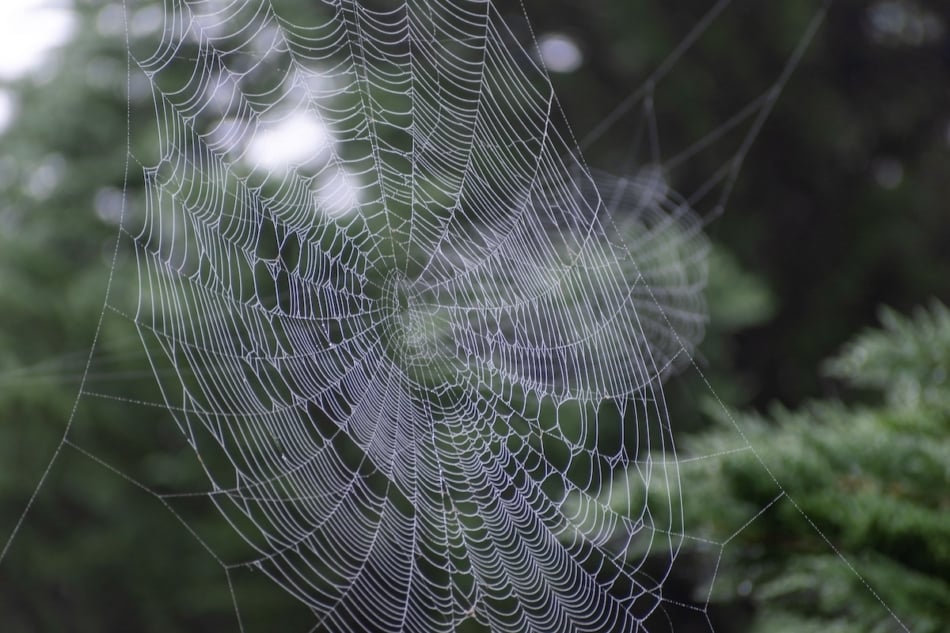
Orb-weaving spiders create some of the most intricate structures found in nature. Their delicate silk webs can be destroyed by heavy rain, strong winds, or persistent damp weather, making web-building a significant investment of time and energy.
For centuries, people noticed that spiders often spun fresh, expansive webs during calm, dry conditions. When those weather patterns persisted for several days, it reinforced the belief that spider activity could help predict fair weather.
While the spiders weren’t actually forecasting the future, they were responding to the same atmospheric conditions that often lead to pleasant weather.
Is There Scientific Evidence?
Modern science suggests there is.
Spiders are highly sensitive to environmental changes, including:
- Humidity
- Wind speed
- Air pressure
- Temperature
Periods of high atmospheric pressure generally bring light winds, lower humidity, and stable weather—all ideal conditions for building large webs.
According to the National Weather Service, high-pressure systems are associated with sinking air that suppresses cloud formation, often resulting in clear, calm conditions.
👉 Learn more about how high-pressure systems influence the weather:
https://www.weather.gov/jetstream/highpressure
When the weather is expected to remain dry, spiders have a better chance of catching insects without their webs being destroyed.
What Happens Before Rain?
Many observers have noticed that spiders become less active before storms.
As humidity rises and barometric pressure falls ahead of a weather system, some spiders will:
- Delay building a new web
- Reinforce an existing web
- Take shelter beneath leaves or bark
- Move to more protected locations
Scientists continue to study exactly how spiders detect atmospheric changes, but their remarkable sensitivity to their environment is well documented.
Learn more about spiders from Encyclopaedia Britannica:
https://www.britannica.com/animal/spider-arachnid
A Good Reminder That Nature Pays Attention
Like many old weather sayings, this isn’t a perfect forecasting tool.
A freshly spun spider web doesn’t guarantee sunshine any more than a red sunset guarantees tomorrow’s weather. However, many traditional weather observations were based on generations of careful watching, long before scientific instruments existed.
Nature often reacts to changing conditions before we notice them ourselves.
Other Signs People Once Used to Forecast the Weather
Spider webs were just one clue among many.
Farmers also watched for signs like:
- Swallows flying low before rain.
- Morning dew lingering on the grass.
- Ant hills growing unusually tall before winter.
- Halos around the Moon signaling approaching moisture.
- Cows gathering together ahead of storms.
Many of these old sayings have at least some scientific basis because animals often respond to changes in air pressure, humidity, or wind before humans do.
If you enjoy weather folklore, you might also like:
- Old Weather Saying: If Ant Hills Are High in July, the Coming Winter Will Be Hard
- Can Animals Really Predict the Weather?
- Why Swallows Fly Low Before Rain
- How Our Ancestors Forecast the Weather Without Technology
(Link these to related Farmers’ Almanac articles if available.)
Final Thoughts
The next time you notice a fresh spider web glistening in the morning sun, take a closer look.
Whether it’s quietly taking advantage of calm weather or simply following instinct, the spider is responding to the same natural forces that shape our daily forecasts.
Long before radar, satellites, and weather apps, people trusted careful observation—and sometimes, the smallest creatures offered the biggest clues.
Perhaps that’s why this old weather saying has survived for generations.
Frequently Asked Questions
Can spiders really predict the weather?
Not exactly. Spiders don’t predict future weather, but they do respond to changes in humidity, wind, and air pressure that often accompany stable or changing weather patterns.
Why do spiders build webs during fair weather?
Large webs are less likely to be damaged by rain or wind, making calm, dry conditions the ideal time for spiders to build and hunt.
Is the old weather saying scientifically accurate?
While it’s not a guaranteed forecast, scientists agree that spider behavior is influenced by environmental conditions that are often associated with fair weather.
Sources
- National Weather Service JetStream – High Pressure Systems
https://www.weather.gov/jetstream/highpressure - National Weather Service JetStream – Air Pressure
https://www.weather.gov/jetstream/pressure - Encyclopaedia Britannica – Spider
https://www.britannica.com/animal/spider-arachnid - Smithsonian Magazine – Nature and Animal Behavior
https://www.smithsonianmag.com/


- Farmers' Almanac Staff

- Farmers' Almanac Staff
- Farmers' Almanac Staff
- Farmers' Almanac Staff