How Do Moons Affect the Tide? Spring, Neap, and King Tides Explained
A fascinating look at the Moon's influence on Earth's ocean tides.
Quick Reference
- How the Moon affects the tide: the Moon’s gravity pulls Earth’s water into a bulge, and Earth’s rotation moves that bulge past every coast.
- High tides per day: usually two, about every 12 hours 25 minutes.
- Spring tides: highest highs and lowest lows. Happen at new Moon and full Moon, when Sun and Moon align.
- Neap tides: smallest range. Happen at first and last quarter Moons, when Sun and Moon pull at right angles.
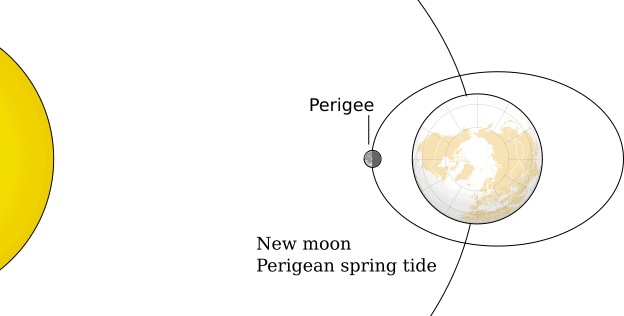
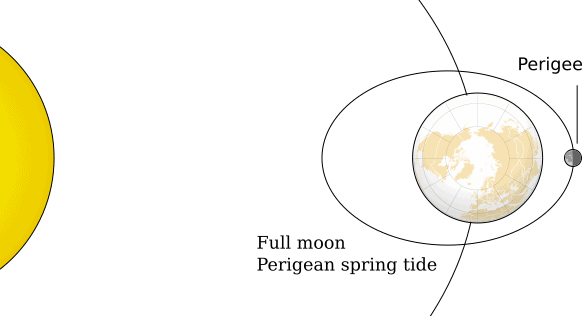
- King tides: spring tides that coincide with the Moon’s perigee (closest point to Earth). Most extreme tides of the year.
- First explained by: Sir Isaac Newton, Principia Mathematica, 1687.
- Sources: NOAA Tides and Currents, Farmers’ Almanac astronomy archive.
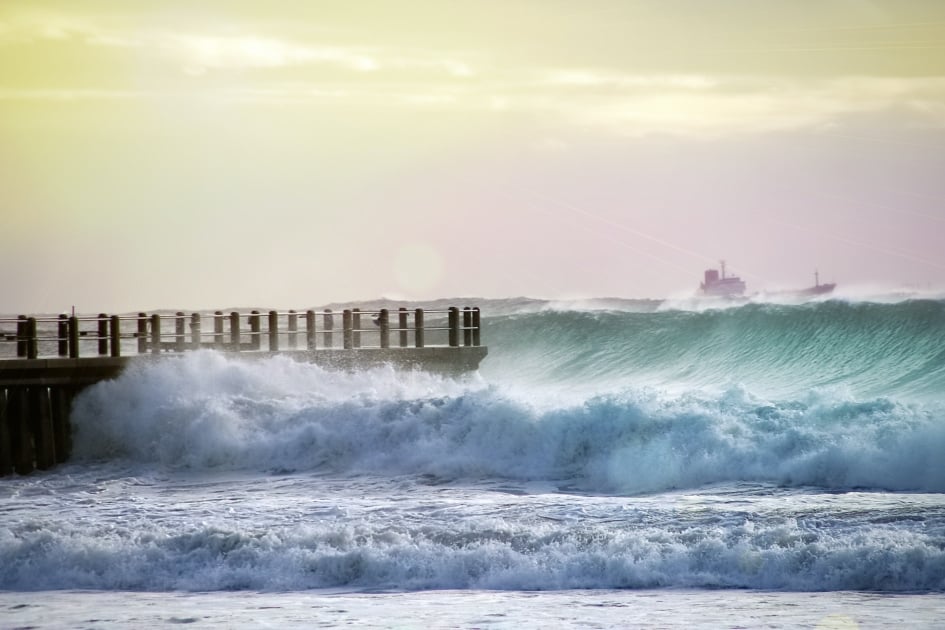
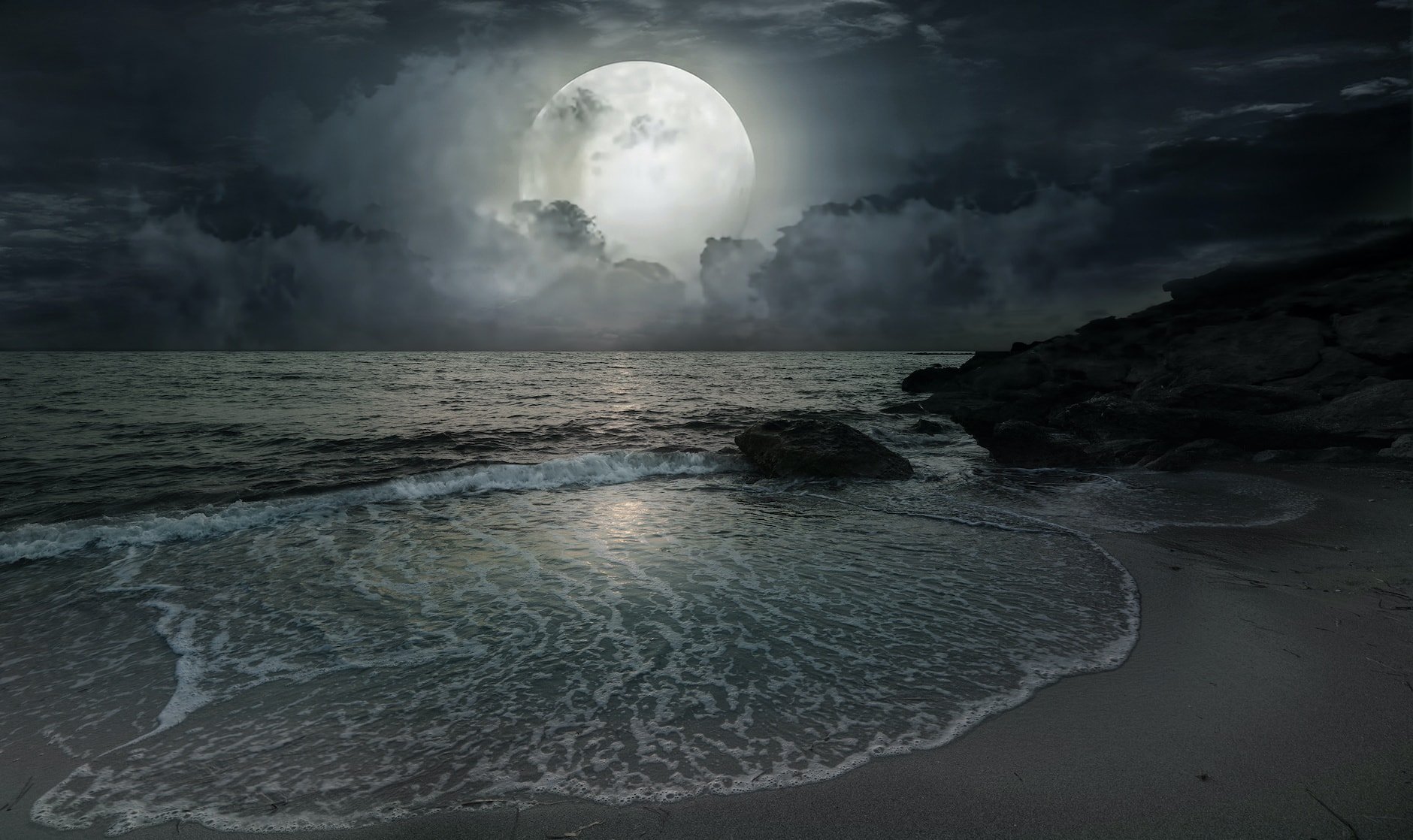
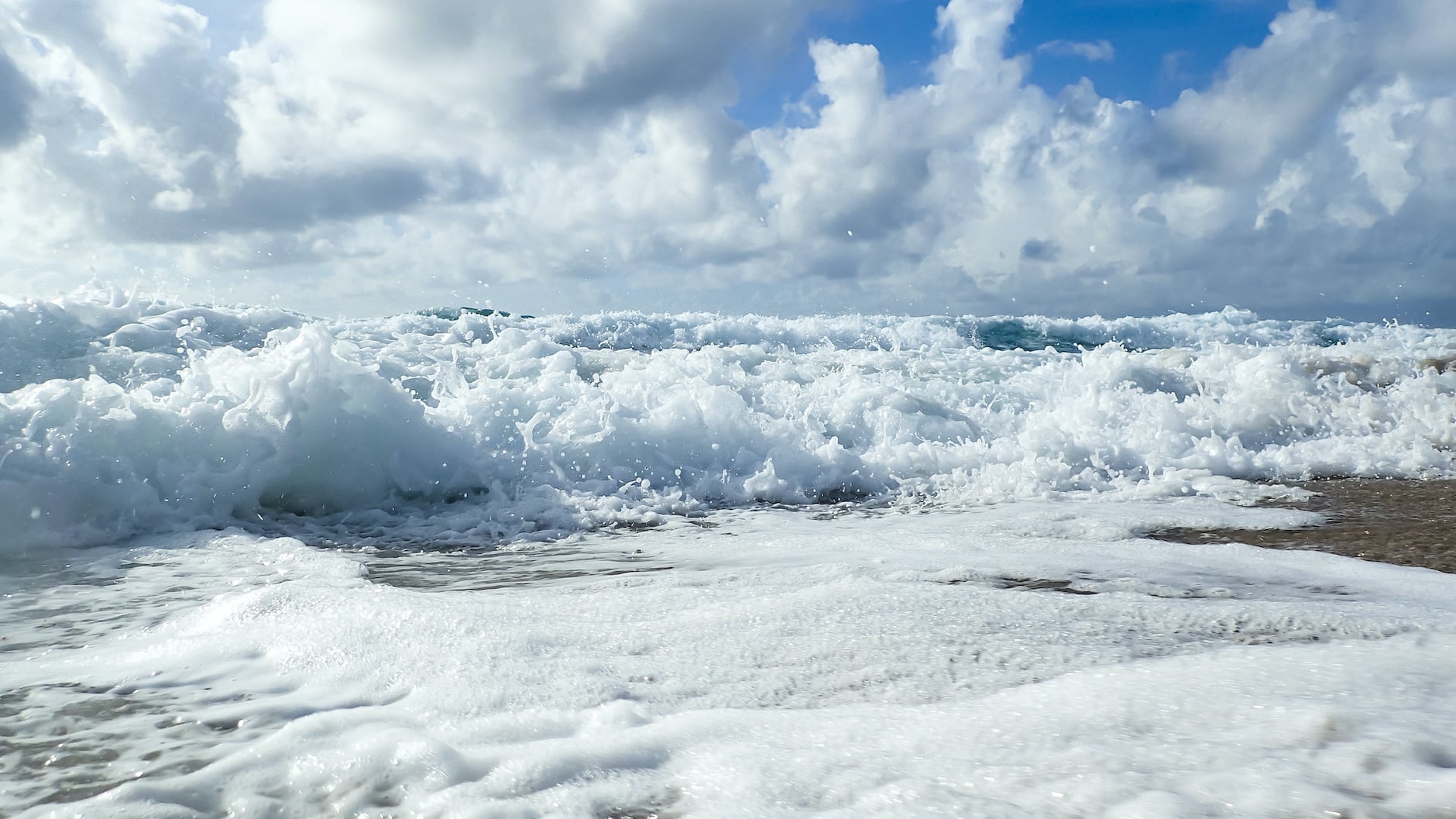
How does the Moon affect the tide? Tides are the natural rise and fall that occurs in major bodies of water, such as the ocean or large lakes. Tides are caused by the gravitational relationship between the Moon and the Earth. The Moon’s gravity pulls on the Earth, causing the water to swell in the direction of the Moon. Below: when the high tides arrive, why most coasts get two a day, what spring and neap tides are, and the king-tide quirks the long-time fishermen watch for.
When Do We Get High Tides?
The exact timing and number of high tides per day varies by location and is affected by such factors as geography, the shape of the coastline, the salinity of the water, the time of year, and the weather, among other things. On average, though, most coastal areas experience one high tide every 12 hours 25 minutes, or about twice per day.
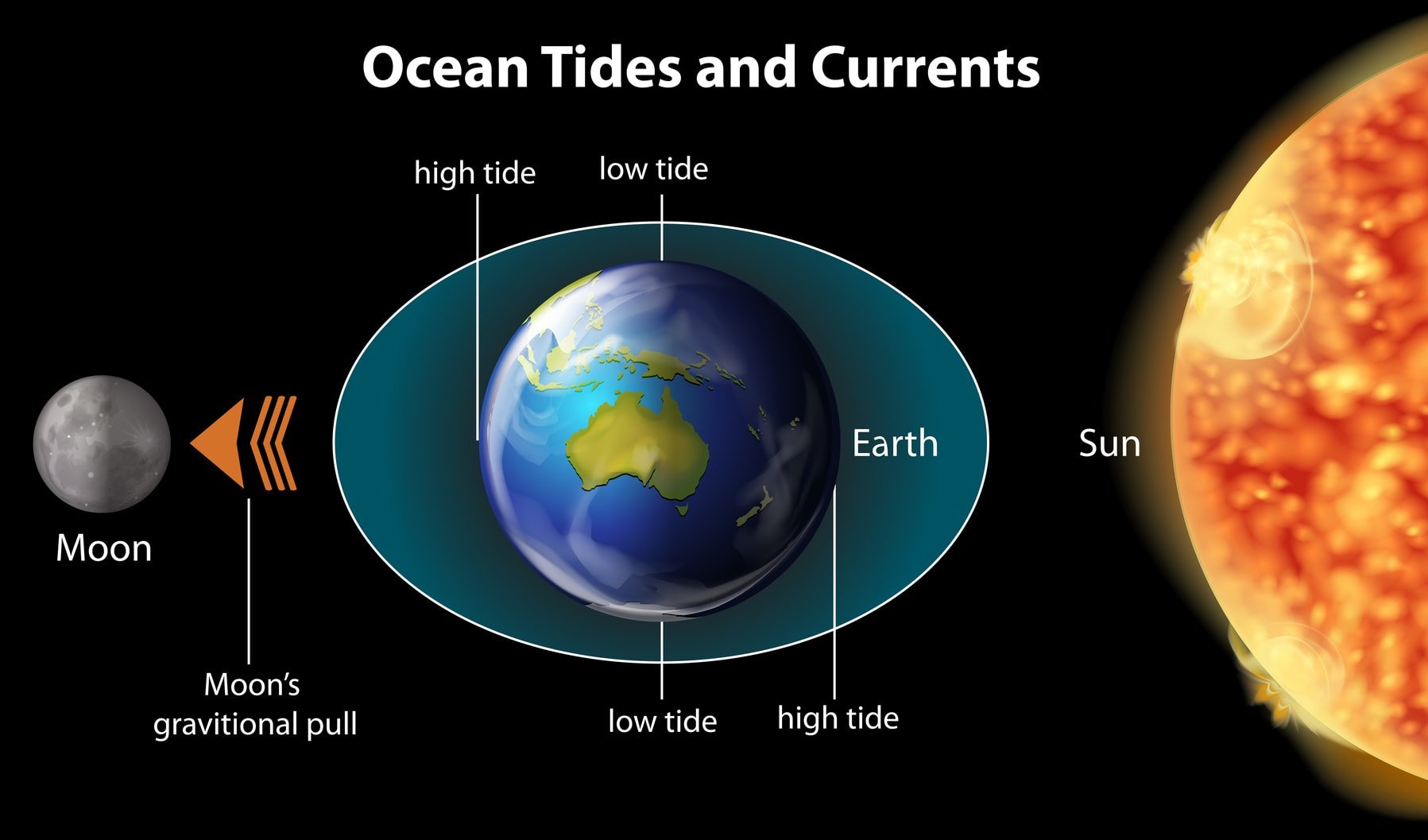
But if the Earth revolves on its axis once per day, why do most areas have two high tides per day? One high tide happens at a specific longitude when the Moon is aligned with that area. A second high tide occurs on the opposite side of the Earth. Because the Earth gets pulled, ever so slightly, toward the Moon, the water on the opposite side gets “left behind” and bulges out in the opposite direction. This secondary tide is not usually as high as the one caused directly by the Moon.
What Determines High Tide or Low Tide?
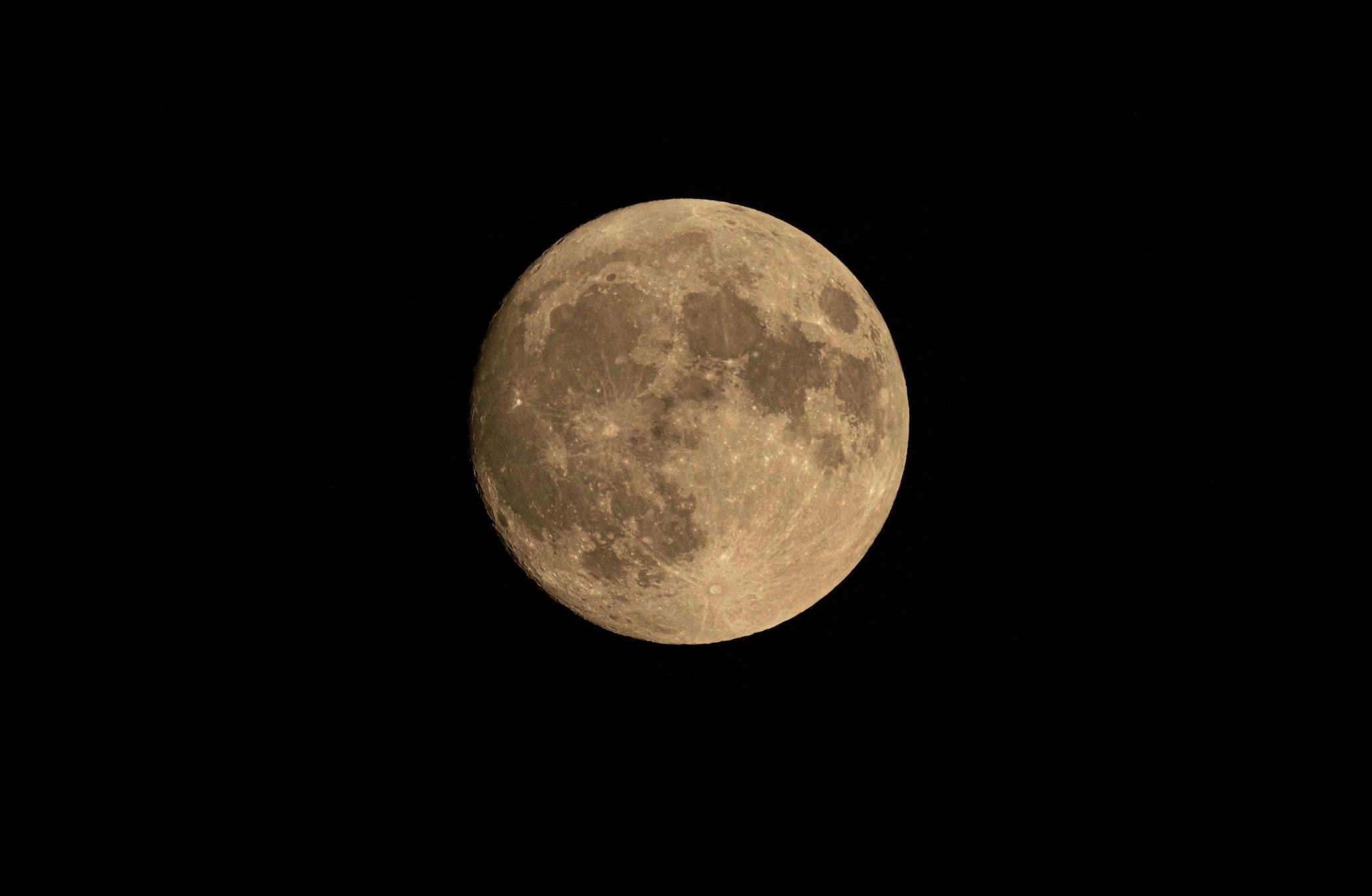
The height of the tides is also affected by the position of the Moon in its orbit around the Earth. The Moon travels around the Earth once every 29+ days. Depending on where it is on its journey, the difference between high and low tide may be more or less pronounced. The official tide-prediction tables come from NOAA Tides and Currents, which puts to-the-minute data online for every monitored station in the United States.
Spring Tides and Neap Tides
A more pronounced tide, when high tides are very high and low tides are very low, is called a “spring tide.” These periods occur during the new Moon phase, when the Sun and Moon are lined up on the same side of the Earth, and the full Moon phase, when the Moon and Sun are on opposite sides of the Earth.
Less pronounced tides, called “neap tides,” occur when the Sun and Moon are perpendicular, forming a right angle with the Earth at its apex. Neap tides occur because the pull of the Sun and Moon are pulling from different directions, creating a balancing effect. Neap tides happen around the first and last quarter Moons.
Tide Types at a Glance
| Tide type | When it happens | What it looks like |
|---|---|---|
| Diurnal | 1 high + 1 low per day | Gulf of Mexico stations |
| Semidiurnal | 2 highs + 2 lows of roughly equal height | most US Atlantic coast |
| Mixed semidiurnal | 2 highs + 2 lows of unequal height | US Pacific coast, Alaska |
| Spring tide | new Moon and full Moon | highest highs, lowest lows |
| Neap tide | first and third quarter Moons | smallest tide range |
| King tide (perigean spring) | spring tide + Moon at perigee | largest tides of the year |
Why the Atlantic and Pacific Look So Different
The Bay of Fundy on the Canada-Maine border sees the largest tidal range in the world, regularly over 40 feet between low and high. The Gulf of Mexico, by contrast, often shows less than 2 feet of swing in a day. The Bay of Fundy’s funnel shape concentrates the Atlantic’s two-a-day pulse into a resonant standing wave. The Gulf, nearly enclosed and shallow, gets a single weak tide a day. Geography, not the Moon, explains the gap. The Moon writes the rhythm; the coastline writes the chorus.
Thank Isaac Newton
Sir Isaac Newton was the first to theorize that the Moon is responsible for the tides. He published his explanation in the second volume of his Philosophiae Naturalis Principia Mathematica in 1687. The model Newton wrote down still drives modern tide prediction, with corrections for Earth’s elliptical orbit, the Moon’s elliptical orbit, the Sun’s gravity, basin shape, friction, and seasonal heating.

Frequently Asked Questions
How do moons affect the tide?
The Moon’s gravity pulls Earth’s water into a bulge facing the Moon, with a matching bulge on the opposite side. Earth’s rotation passes coastal points through both bulges, producing the cycle of high and low tides.
Why are there two high tides a day in most places?
The Moon raises one bulge directly under itself and another on the opposite side of Earth. Most coasts pass through both bulges as Earth rotates, getting two highs roughly 12 hours 25 minutes apart.
What is a spring tide?
A spring tide is the largest tidal range. It happens at new Moon and full Moon, when the Sun and Moon pull together along the same line. Nothing to do with the spring season.
What is a neap tide?
The smallest tidal range, when the Sun and Moon pull at right angles and partially cancel. Neap tides happen at first and third quarter Moons.
What is a king tide?
A spring tide that lines up with the Moon’s perigee (its closest point to Earth). King tides bring the highest tides of the year and the lowest exposed beaches. Many coastal cities use king-tide days to record flood risk.
Where can I find the tide times for my beach?
NOAA Tides and Currents publishes free, to-the-minute predictions for every US station online. Local marina pamphlets and weather apps repackage the same data.


Jaime McLeod
Jaime McLeod is a longtime journalist who has written for a wide variety of newspapers, magazines, and websites, including MTV.com. She enjoys the outdoors, growing and eating organic food, and is interested in all aspects of natural wellness.
- Jaime McLeod

- Jaime McLeod
- Jaime McLeod
- Jaime McLeod