

Vacation Garden Care 2026: Keep Your Garden Growing Strong While You Are Away
Taking a vacation this summer? Make sure your garden is taken care of while you're gone!
Quick Reference: Vacation Garden Care
- Away 1 to 3 days: Deep water, mulch 2 to 3 inches, move containers to dappled shade. Most beds will coast.
- Away 4 to 7 days: Soaker hose on a $15 hose timer, or set up milk-jug drip irrigation and a garden sitter check-in.
- Away 8 to 14 days: Book a paid garden sitter or run a drip system on a timer. Harvest ripe produce first.
- Best time to water: Early morning (5 to 9 a.m.). Evening watering leaves foliage damp overnight and invites fungal disease.
- Water saved by mulch: Roughly 25 percent less loss compared to bare soil, per University of Georgia Extension.
- Cheapest DIY option: Buried plastic milk jugs with pinholes, one per vegetable plant. Total cost: zero.
Summer 2026 is peak vacation season and peak growing season, which is exactly the problem. A single hot week away can turn prize petunias and tempting tomatoes into a pile of shriveled could-have-beens. The Farmers’ Almanac has watched gardeners lose whole beds to a five-day trip since 1818, so here is the plan we would give a neighbor: pick your vacation garden care strategy by how long you are gone, then set it up the day before you leave.
What follows is the field-tested playbook for keeping vegetables, flowers, and containers alive while you are on the road. Every method here is inexpensive, most of them are non-toxic, and none of them require an app. Pair the strategy that fits your trip length with a five-minute pre-departure checklist and your garden will still be growing strong when you pull back into the driveway.
Plan by Trip Length
Trip length is the single biggest variable. A weekend at the lake is not the same job as ten days in Yellowstone. Match the method to the days you will be gone and skip the guesswork.

1. Get a Sitter
The simplest solution for vacation garden care is another pair of hands. Ask a friend, neighbor, or family member to swing by every two or three days to weed and water. Pay them back in ripe tomatoes, a souvenir from the trip, or by covering their garden the next time they head out. Leave a one-page cheat sheet on the fridge with a hand-drawn map of the beds, watering targets by area, and your cell number.
No willing volunteer in the social circle? Hire it out. Local landscaping crews will usually add a garden-watering stop for a modest fee, especially if you already use them for lawn mowing. Bundle mowing with two or three garden visits per week and you land back home to a tidy yard and living plants. Ask for a written quote before you leave so nothing gets bill-shock ugly.
2. Irrigation Prevents Irritation
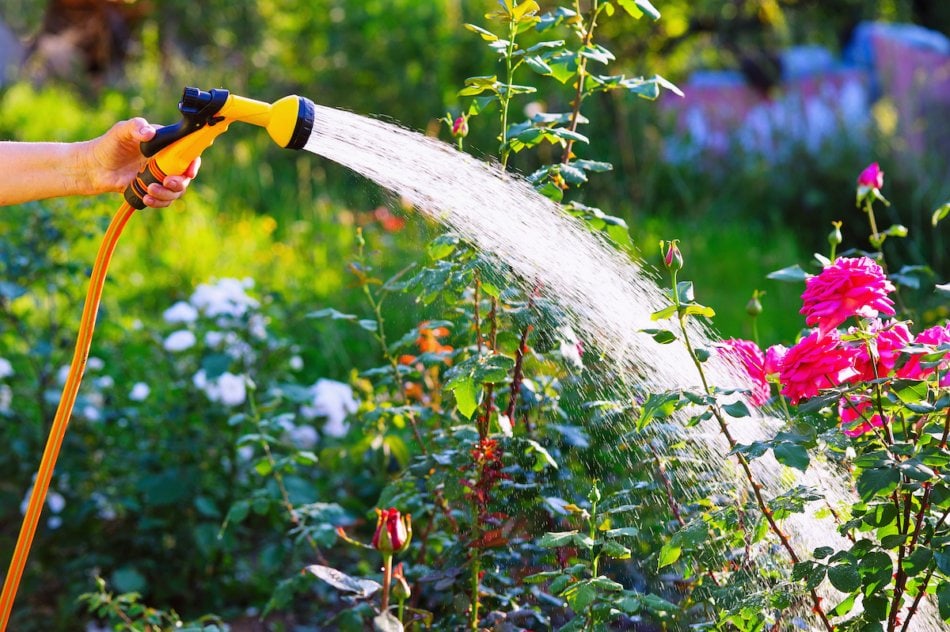
Do not want to involve anyone else? Plenty of ways to keep the garden watered without calling in reinforcements. The gold standard is a drip irrigation kit on a battery-powered hose timer. Set the timer to run early morning, when evaporation is lowest and foliage has all day to dry, and head off on vacation with a clear head. The University of Georgia Extension notes that watering between 5 and 9 a.m. cuts evaporative loss and reduces the fungal disease risk that comes with damp overnight leaves.
Plenty of lower-tech options too. If you keep a rain barrel on the property, attach a soaker hose to the tap and lay it through the beds. Water slowly seeps out of the walls of the hose and into the ground. Water the garden thoroughly the day you leave and make sure the hose reaches every bed. If the barrel is not quite full, top it off before you pull out of the driveway.
Even lower-tech: poke pinholes into the bottoms of several plastic milk jugs. Bury the bottom few inches of each jug in the soil next to a thirsty plant. Water the garden well, then fill the jugs. As the soil dries out, water inside the jug slowly drips into the root zone. A single gallon jug can carry one tomato plant through three or four hot days.
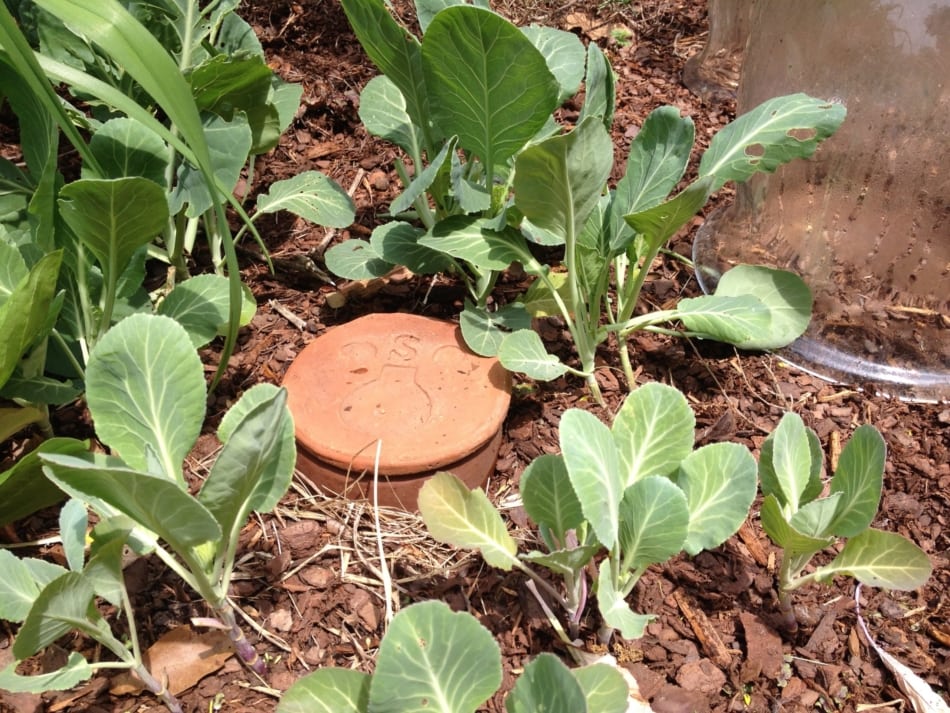
For long trips, check out the olla, an old-world irrigation trick that uses a buried clay pot to release water directly to plant roots. Read the how-to on ollas here.
3. Roll the Dice
Only gone for a week and your area is not prone to drought? You may decide to leave it up to Mother Nature. Many established plants are self-sustaining and stand up to benign neglect. Whether that is a smart bet depends on what you grow and how much you count on the harvest. Deep-rooted perennials shrug off a week without water. Shallow-rooted seedlings, containers, and fruiting vegetables do not.
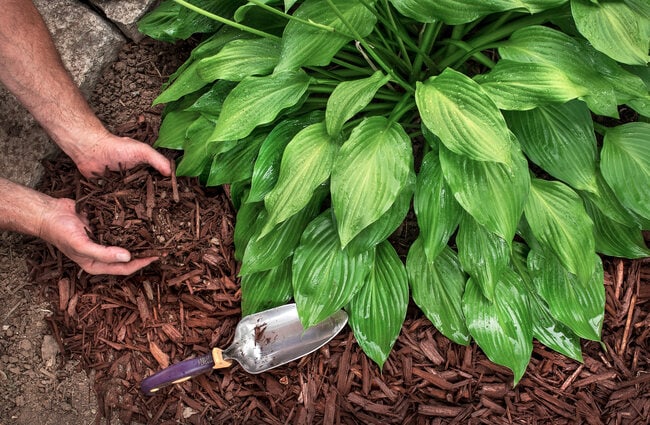
If you do leave the garden to fend for itself, water deeply the morning of your departure and mulch every bed. Plants covered with 2 to 3 inches of mulch lose roughly 25 percent less water than plants left bare. Give the garden a fighting chance and you will still recognize it when you get home.
US and Canada Regional Notes for Vacation Garden Care
Where you live changes the math. Heat and humidity determine how long a garden can coast between waterings and which method holds up. Use this as a rough guide for summer 2026 trips.
Pre-Departure Checklist: The Day Before You Leave
The last 24 hours before a trip carry more weight than anything you do after. Work through this list and the garden will land in the strongest possible position.
- Harvest what is ripe. Tomatoes, cucumbers, zucchini, beans, and berries all keep producing when picked. Leaving them on the vine stalls new fruit set.
- Deep water every bed. Soak beds until water pools briefly on the surface. Deep watering trains roots to grow down where soil stays cooler.
- Mulch to 2 to 3 inches. Straw, shredded leaves, grass clippings, or bark all work. Bare soil dries out roughly four times faster than mulched soil.
- Move containers. Group pots together in dappled shade. Grouped pots shade each other and cut evaporation. A shaded porch buys you two extra days.
- Pinch flowers on herbs. Basil, mint, and oregano bolt fast in hot weather. Pinching flowering tips keeps them productive when you return.
- Set the timer, then test it. Run the drip or sprinkler once while you are still home to confirm every zone gets water.
- Prop weak stems. Stake indeterminate tomatoes, tie up sunflowers, and cage peppers. Storms during your absence will not lay them flat.
- Message the sitter. Confirm the schedule, share the cheat sheet, leave the gate unlocked.
Containers Need a Different Plan
Pots dry out three to five times faster than beds because their soil volume is small and their sides heat up in full sun. A tomato in a 5-gallon container may need water twice a day in July. For any trip longer than two days, containers get a different plan than the beds.
- Group and shade. Move every pot to a spot with morning sun and afternoon shade. Group them close so leaves shade neighboring soil.
- Use a wick. Cut a strip of thick cotton fabric, drop one end into a jug of water, tuck the other end into the pot’s soil. Water wicks in as soil dries. One jug can feed two pots for four to five days.
- Self-watering saucers. A saucer filled with water under each pot buys 24 to 48 hours in most weather.
- Sink into the ground. For long trips, bury pots up to their rims in a shaded bed. The surrounding soil holds moisture around the container walls.
When You Get Back: The First 48 Hours
Coming home to a wilted garden feels like defeat, but most plants can be revived if you catch them in the first two days. Water deeply and slowly, twice a day, morning and evening, until the soil is fully rehydrated. Trim off any leaves that are crispy at the tips; they will not recover and they are stealing energy the plant needs to push new growth.
Skip the fertilizer for a week. Fertilizing a stressed plant burns the roots and sets recovery back further. Harvest everything ripe or near-ripe, even if it looks marginal, so the plant can shift energy toward new fruit and foliage. Give it seven to ten days and most gardens rebound.

Vacation Garden Care FAQ
How long can a garden go without water in summer?
Established beds with 2 to 3 inches of mulch can typically go 5 to 7 days between deep waterings in mild summer weather, less in heat waves above 90 F. Containers dry out in 1 to 2 days. Seedlings and freshly transplanted crops need water every day or two.
What is the cheapest way to keep a garden watered on vacation?
The cheapest vacation garden care method is the buried milk-jug drip. Poke pinholes in the bottom of a rinsed gallon jug, bury the bottom few inches next to a plant, and fill with water. Cost: zero. It carries a tomato or pepper plant through 3 or 4 hot days.
Should I ask a neighbor or hire a landscaper to water my garden?
A neighbor works well for trips of a week or less if they are reliable and know a hose from a leaf blower. For anything over 10 days, or if you grow vegetables that need daily attention, hire a landscaper. Ask for a written quote and leave written instructions with a hand-drawn map of the beds.
Is a soaker hose or a drip system better for vacation watering?
A soaker hose is simpler and cheaper, roughly 15 to 25 dollars for a 50-foot length. A drip system with individual emitters gives better plant-by-plant control and wastes less water. For vegetables and mixed beds, drip wins on efficiency. For long rows of one crop, soaker hose is easier.
When is the best time of day to water a garden while on vacation?
Early morning between 5 and 9 a.m. is best. Evaporation is lowest, foliage has all day to dry, and fungal disease risk stays low. Evening watering leaves leaves damp overnight, which invites powdery mildew and blight, especially on tomatoes and cucurbits.
Will mulch really keep my garden alive while I am away?
Mulch cannot replace watering, but it buys time. Beds mulched to 2 to 3 inches lose roughly 25 percent less water than bare beds, per University of Georgia Extension research. That difference alone can turn a losing 7-day trip into a survivable one.
What plants handle a vacation the worst?
Cucumbers, summer squash, lettuce, spinach, basil, and anything in a hanging basket bolt or wilt fastest. Peppers and tomatoes hold up if deeply watered and mulched. Perennial herbs like thyme, rosemary, oregano, and sage barely notice a week away.
How do I keep pests out while the garden is unattended?
Deer, rabbits, and groundhogs learn a garden is unattended within a day or two. Before you leave, refresh any repellents, close the gate, and check row-cover pinning. Ask your sitter to walk the perimeter each visit and note new tracks or nibbled leaves.
Vacation garden care comes down to a two-line rule: match the method to the days you are gone, then set it up the day before you leave. Plan your day, grow your life, and take the trip.


Jaime McLeod
Jaime McLeod is a longtime journalist who has written for a wide variety of newspapers, magazines, and websites, including MTV.com. She enjoys the outdoors, growing and eating organic food, and is interested in all aspects of natural wellness.
- Jaime McLeod

- Jaime McLeod
- Jaime McLeod
- Jaime McLeod




I soaked a bunch of newspaper (just the black and white) and laid wet newspaper down several bunches thick and then mulched with straw. Left had a good time and came back and it was just like someone had watered all the time I was gone. I think I was gone a week.