

Why Garden by the Moon? The Tradition, the Rules, and What Science Says
Gardening according to the phases of the Moon is a practice that has been around for as long as humans have been growing their own food. But what is it, exactly? Find out!
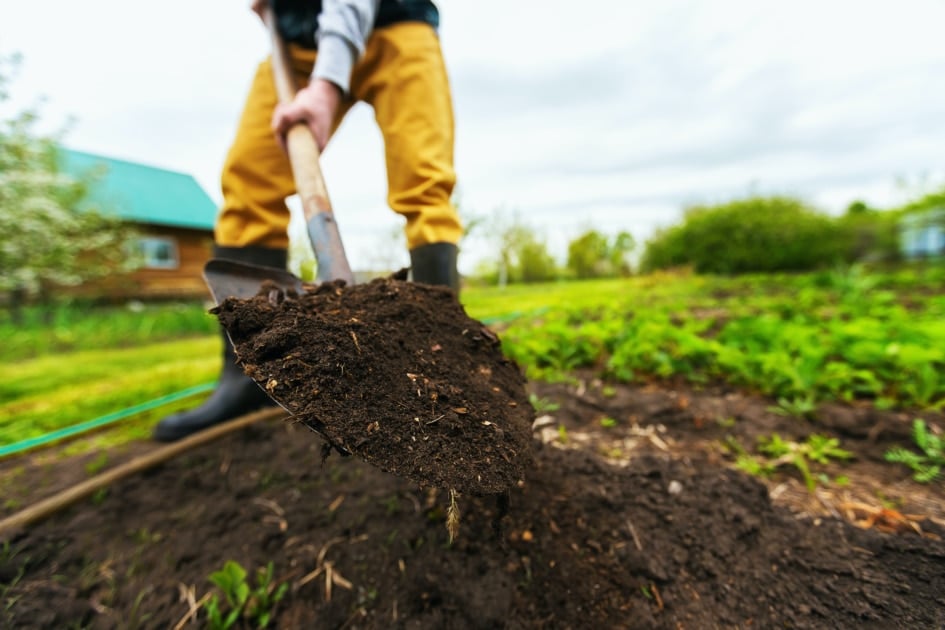
Quick Reference: Gardening by the Moon
- Rule 1: plant above-ground crops on the waxing moon (new moon to full moon).
- Rule 2: plant root crops on the waning moon (full moon to new moon).
- Rule 3: harvest above-ground crops on the waxing moon for fuller flavor.
- Rule 4: harvest root crops on the waning moon for longer storage.
- Best signs: fruitful signs (Cancer, Scorpio, Pisces) within each phase.
- Tool: the Almanac’s Best Days calendar calls each day.
Gardening by the moon is one of the oldest agricultural practices in continuous use. The 200-year-old Farmers’ Almanac has published a moon-phase planting calendar in every annual edition since 1818, and many growers swear by it. The rules are simple, the underlying observation about plant sap and moon cycles has held up well enough to remain in use across generations. Here is the tradition, the rules, and what modern science actually says.
The Four Rules
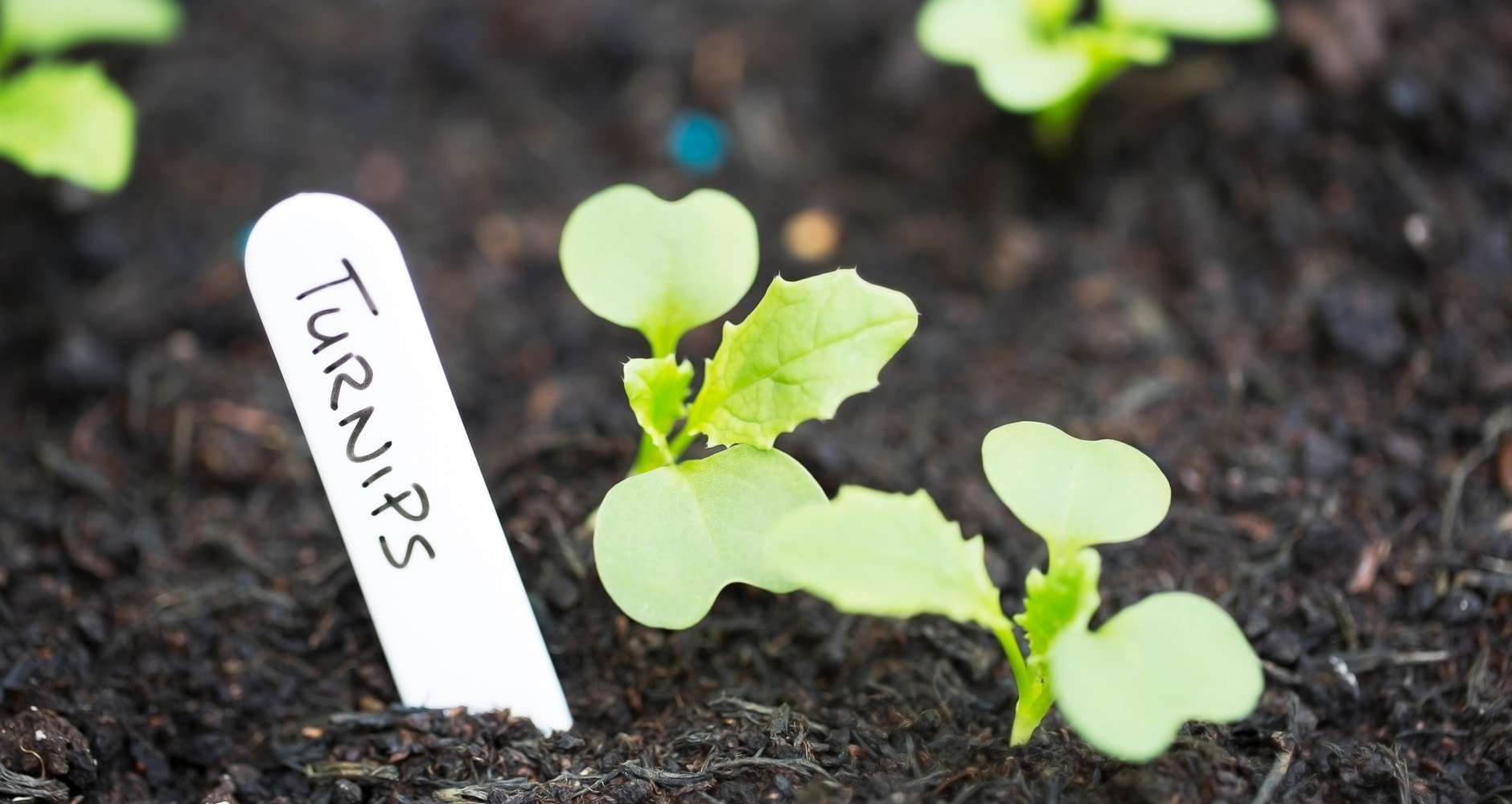
The tradition divides the lunar month into four quadrants, each with its own assigned tasks.
- New moon to first quarter (waxing crescent): plant above-ground crops with seeds inside the fruit (lettuce, spinach, cabbage, celery, broccoli).
- First quarter to full moon (waxing gibbous): plant above-ground crops with seeds outside the fruit (beans, peas, peppers, squash, melons, tomatoes).
- Full moon to last quarter (waning gibbous): plant root crops and bulbs (carrots, beets, onions, garlic, potatoes, parsnips, radishes).
- Last quarter to new moon (waning crescent): rest. Weed, prune, cultivate. Plant nothing.
What Science Says
Studies on moon-phase planting have been limited and the results mixed. The strongest scientific support is for moon-influenced water movement in plant tissue: studies have shown that root water uptake correlates weakly with lunar phase, especially around the full moon.
The tradition predates the science by centuries, but the underlying observation (that biological rhythms correlate with the moon cycle) is not dismissed by modern plant physiology. Whether the effect is large enough to be practically useful in the garden is debated.
How to Start
The simplest entry point is the Almanac’s Best Days calendar, which marks each day as best for specific activities. Pick one crop and try planting on the recommended day vs. a non-recommended day, and observe the difference over a season.
Many gardeners find the practice useful as a structure even if they’re skeptical of the science: the moon calendar gives a built-in rhythm for sequencing planting and other tasks that might otherwise blur together.

Frequently Asked Questions
Does gardening by the moon actually work?
Limited but not zero science supports it. The strongest evidence is for moon-influenced root water uptake. Whether the effect is large enough to be practically useful is debated. Many farmers who use the practice report better yields, though the data are anecdotal.
How do I know which crops to plant when?
The Almanac’s Best Days calendar marks each day. Above-ground crops on the waxing moon, root crops on the waning moon.
Does the zodiac sign of the moon matter too?
Yes, in the traditional system. ‘Fruitful signs’ (Cancer, Scorpio, Pisces) are best for planting. ‘Barren signs’ (Leo, Virgo, Sagittarius, Aquarius, Gemini) are best for weeding.
Where can I see this year’s moon-phase calendar?
The Almanac publishes the full calendar each year. The Best Days calendar is also available year-round on the Almanac website.



Jaime McLeod
Jaime McLeod is a longtime journalist who has written for a wide variety of newspapers, magazines, and websites, including MTV.com. She enjoys the outdoors, growing and eating organic food, and is interested in all aspects of natural wellness.
- Jaime McLeod

- Jaime McLeod
- Jaime McLeod
- Jaime McLeod


Does the day begin at sunrise and end at sunset, or can you plant before the sun rises or after it sets, on a good planting day?
Am trying to learn about this way of farming is there some information you you have even put pictures of the moon showing the stages ?
Just got back home from visiting Newark, Ohio. There is an area that is over four square miles devoted to ancient earthen mounds that line-up with the 18.6 year moon cycle to this day. They moved seven million sq. ft. of dirt, clay and gravel in baskets that held one sq. ft. per load. That sq. ft. would way 80 pounds if it was just dirt. If it had stones or pebbles it could weigh much more. Images of this site do not do it justice and it is to be turned into a park on 1/1/25. A golf course has leased the site since 1910 and kept the mounds in good shape it would seem.
Does the Lunar Major and/or Minor Standstill plus the various rising and setting of the moon have importance since it changes so often in the 9.3 year period? From a farming standpoint why would you spend so much time making gigantic earthworks devoted to Grandmother Moon alignments?
Question, I like to garden by the moon however sometimes I just have too much to do. The question I have is this, is it when the seed goes in the dirt regardless if it’s outside or inside or is it when the plant is transplanted? I like to start seeds in pots so I know what seeds germinate them plant them outside to grow. Let me know your thoughts.
My mom recently passed leaving me with no living relatives and no family and I’ve never been married no children etc she always consulted your almanac before working in the garden and this will be the first year that I will do so alone your advice has been invaluable I remember our gardens were treasures they are one of my best memories and I’m sure that this year will be no exception thank you again for many years of bountiful harvests. Hi
We are sorry for your loss, but grateful that the Farmers’ Almanac can play a role in keeping her spirit with you, and continuing to guide you. Best Wishes!
Hey there last year something destroyed my lawn grubs maybe but I want to work to rebuild my lawn but I’m not sure what category grass seeding falls under to follow??
Wouldn’t that fall into the category of leafy green plants? Just spit balling here….
Does gardening by the moon also apply to raised garden beds?
Yes, it would be the same. Good gardening to you!
Too bad the ‘best planting/transplanting’ days also seem most likely to be the best days for 3 days of steady rain…
How do time zones play into your gardening calendar. What time zone is your calendar based on?
Does the planting by the moon also influence flower bulbs in pots
Hi B. spitzfaden, yes! All living things are assumed to be influenced by the Moon’s gravitational pull.