

Growing Birdseed: How to Plant a Backyard Bird Buffet (2026 Guide)
Instead of spending money on birdseed, consider growing plants that feed the birds. We have the tips you need to keep your feathered friends happy!
Quick Reference: Growing Birdseed
- Cheapest starter: a 4 by 8 foot bed of sunflowers, cosmos, and zinnias yields more seed than a $25 bag of feed and self-sows year after year.
- Best sun: full or partial sun, 6+ hours daily; brighter light also draws birds in faster.
- Sow window: annual seed-bearing flowers go in after the last frost (April to May in USDA zones 5 to 7, May to early June in zones 3 to 4). Cool-season millets tolerate a mid-April start.
- Top-tier picks: sunflower, coneflower, black-eyed Susan, cosmos, zinnia (seed-bearing); serviceberry, elderberry, dogwood (fruit); millet and switchgrass (grain); bee balm and cardinal flower (nectar).
- Chemistry rule: zero pesticides. Cornell’s Project FeederWatch notes many songbird declines trace to neonicotinoid residues in seed.
- Winter carryover: leave stalks standing through February. Seed heads on dead sunflowers, coneflowers, and goldenrod feed finches and chickadees when snow buries the ground.
Feeding the birds can be rewarding, but it can also be expensive. Rather than spending money on birdseed, why not grow the plants that provide food for birds? Growing a bird buffet from your own soil costs less than a single 40-pound bag of black-oil sunflower seed and, according to the Cornell Lab of Ornithology’s Project FeederWatch data, native plantings pull in a wider range of species than any commercial mix. Below is the same Farmers’ Almanac framework readers have used for years, expanded with the Cornell and Audubon plant-selection science, a zone-by-zone sowing calendar, and a seven-question FAQ built from Almanac reader mail.
Why Grow Your Own Birdseed? The Numbers
The US Fish and Wildlife Service’s 2022 National Survey found 96 million Americans feed birds at home, up 22 percent from 2016, and total spending on feed and equipment tops 4 billion dollars a year. That is a lot of imported seed, and it is where growing your own pays off. A single mammoth sunflower head yields roughly 1,000 to 2,000 seeds. Ten plants across a 4 by 8 foot bed can produce more feed than the average backyard flock eats in a winter, for the cost of a seed packet.
The Cornell Lab of Ornithology’s Project FeederWatch and the National Audubon Society’s Native Plants Database also agree on a second point: native seed-bearing plants attract more species than commercial mixes. Cornell’s 20-year FeederWatch data shows yards with native coneflower, black-eyed Susan, and goldenrod pull in an average of 12 to 16 species per winter, compared to 6 to 8 for yards feeding from a mixed commercial hopper alone.
Zone-by-Zone Sowing Calendar for Birdseed Plants
Timing depends on the last spring frost and the length of the growing season. Use the Farmers’ Almanac average frost dates calendar for your ZIP code, then match to the table below.
- Zones 3 to 4 (upper Midwest, northern New England): start sunflowers, cosmos, and zinnias indoors mid-April; transplant after May 25. Direct-sow millets and grasses June 1.
- Zone 5 (Chicago, Boston, Denver): direct-sow warm-season annuals May 10 to 20. Cool-season grasses go in April 20.
- Zone 6 (Cincinnati, Nashville, Kansas City): direct-sow April 25 to May 10 after soil hits 55 degrees F.
- Zone 7 (Washington DC, mid-Atlantic, north Texas): direct-sow April 10 to 25. A second late-summer sowing of quick-cycle sunflowers in July feeds fall migrants.
- Zone 8 to 9 (Deep South, southern California): direct-sow March 15 onward. In zones 9 to 10, split the sunflower crop into spring and late-summer batches; brutal summer heat scorches midsummer plantings.
- Bird-friendly gardens that offer different types of food, including seeds, grain, fruits, and nectar, will attract a greater variety of species that may be shy and uncomfortable visiting a busy feeder.
- Birders who enjoy gardening can combine two passions at once. Growing a bountiful harvest tests gardening expertise and satisfies hungry bird appetites at the same time.
- Growing birdseed and bird food ensures safer seeds without unknown chemical enhancements or pesticide treatments. You are in control of every step of the growth and harvesting and can ensure the plants are safe for birds.
How to Grow a Birdseed Garden
Growing a garden that feeds birds is no more difficult than growing any flower, vegetable, or herb bed. It is important, though, to make the garden bird-friendly in more than just what it produces.
- Location: Bird food gardens are most productive in full or partial sun, which supports productive crops. Brighter light also catches birds’ attention more quickly, alerting them to the new food source with every flower that blooms.
- Size: A garden does not need to be large to feed birds, and even one container on your patio can support birdseed plants. Larger beds feed larger flocks and may yield enough surplus for winter feeding.
- Design: A bird food garden can be any shape, from a simple planter to fence edging or a separate bed. Planting in tiers exposes more plants for birds to feed easily, with taller plants at the center or back edges of the planting area.
- Diversity: A diverse garden attracts more birds that prefer different foods. Choose plants with different bloom and seeding times, including early and late varieties, to extend the season and feed birds as long as possible.
- Fertilizing: Opt for organic fertilizers such as compost or seasoned manure. A thick layer of mulch also protects birdseed plants.
- Watering: Adequate watering keeps plants healthy and secures a bumper crop of bird food. Choosing plants with similar watering needs helps conserve water and makes watering simpler.
- Pest Control: Instead of applying chemical pesticides, let hungry birds munch on insects for protein. Hand picking the more bothersome insects protects the garden without risking chemical contamination.
- Pruning: A birdseed garden does not need perfect pruning, and a messier garden looks more natural and appealing to birds. Do deadhead flowers as needed to encourage more blooms that make more seeds.
Which Flowers and Plants Should I Plant For Birds?
There are many delicious plants birds will enjoy in your garden. When choosing plants, consider the types of birds already visiting your feeders, and which birds you hope to attract. Pick plants that will be most attractive to those species, and that will thrive in your soil conditions and sunlight levels.
Seed-Bearing Flowers
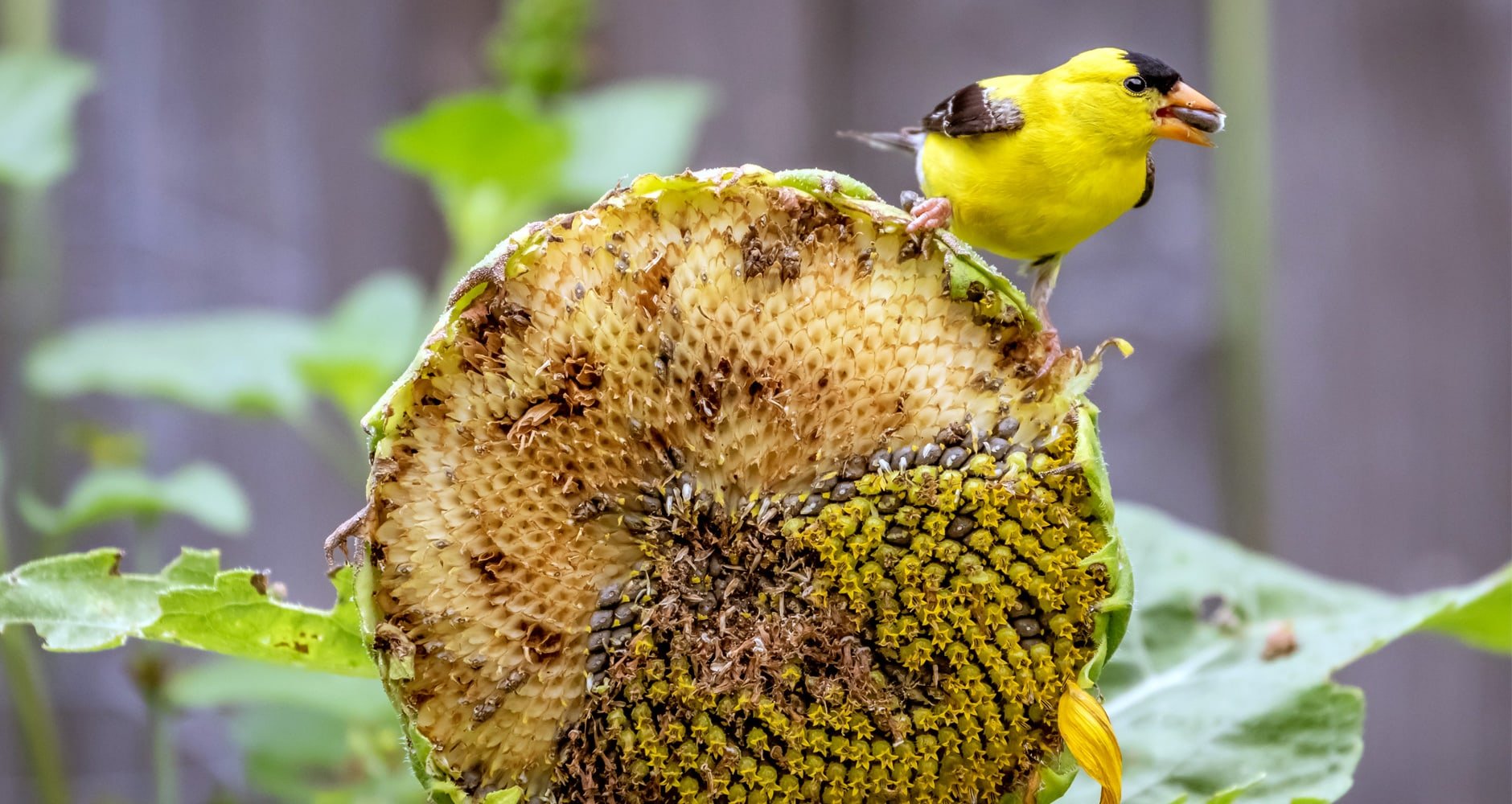
The most popular seed-bearing flowers that finches, buntings, sparrows, quail, and doves enjoy include:
- Aster
- Black-eyed Susan
- Blanket flower
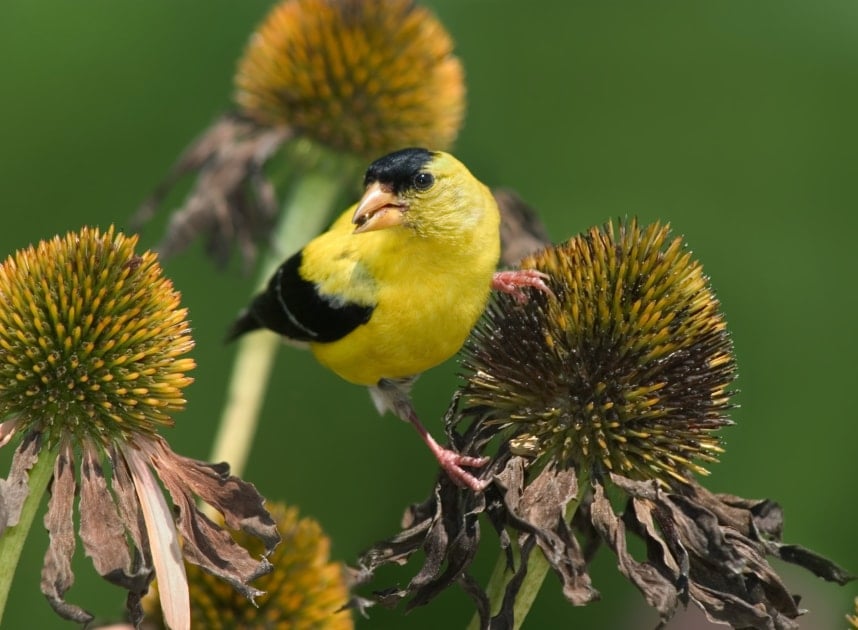
- Coneflower (pictured in main image)
- Coreopsis
- Cosmos
- Globe thistle
- Goldenrod
- Liatris
- Marigold
- Sunflower
- Zinnia
Fruits
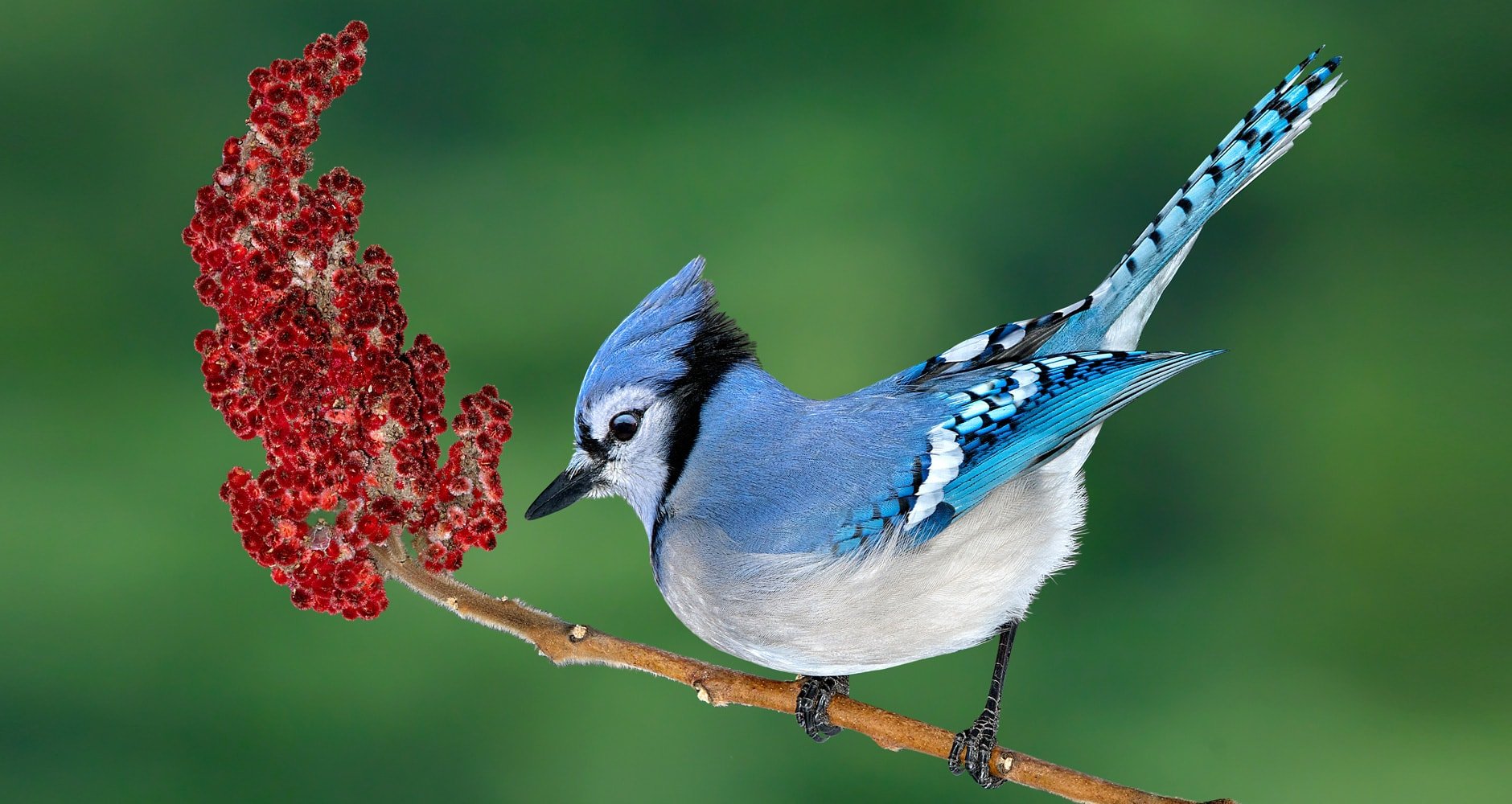
When planting for birds, it is important to look beyond seed-bearing blooms. Many birds enjoy fruit, including tree fruits and berries. Adding these plants to your birdseed garden will attract thrushes, waxwings, vireos, and other fruit-loving birds.
- Bayberry
- Beautyberry
- Dogwood
- Elderberry
- Holly
- Juniper
- Serviceberry
- Sumac
- Viburnum
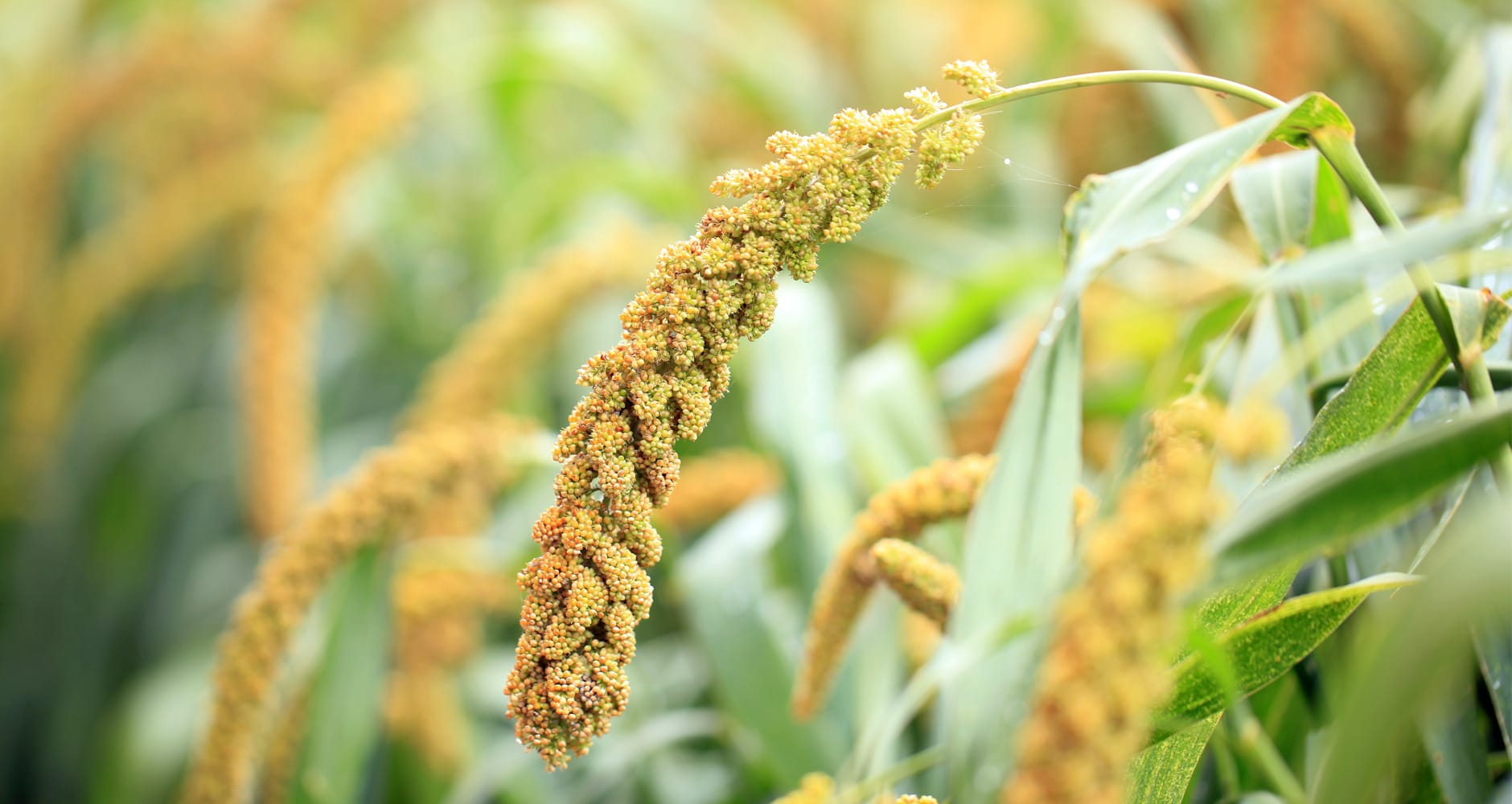
Grains & Grasses
Grains and grasses are other seed-bearing plants that add stunning accents to a birdseed garden, even without decorative blooms. Sparrows, quail, turkeys, towhees, and finches will all enjoy grasses and grains such as:
- Corn
- Feather reed grass
- Foxtail millet
- Pearl millet
- Sea oats
- Switchgrass
Nectar-Rich Flowers
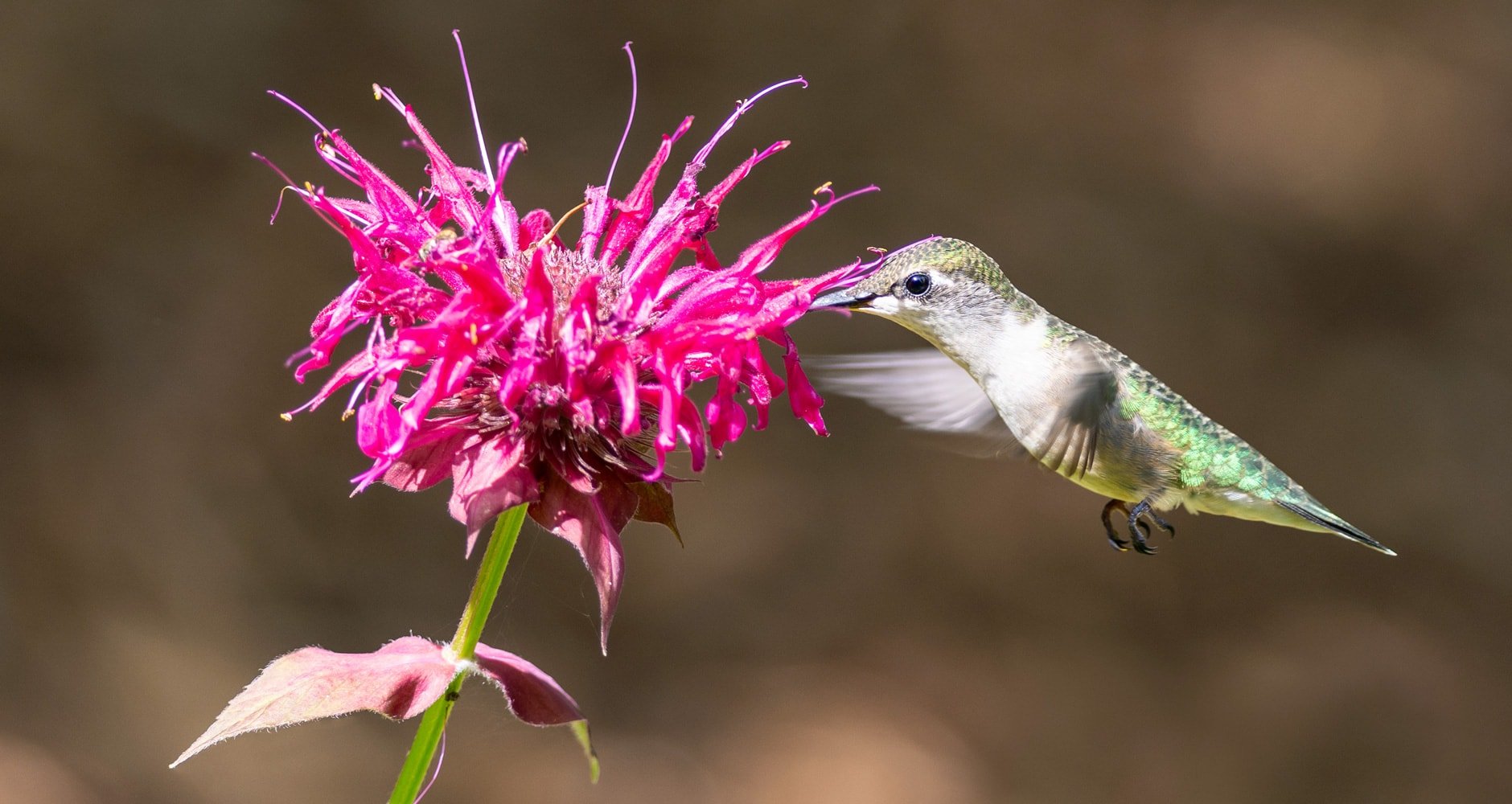
Nectar-loving hummingbirds are not interested in seeds, grain, or berries, but they will love tubular flowers filled with nectar. Adding a few nectar-rich flowers as bright accents to a birdseed garden makes the plot even prettier and attracts more birds besides. Top flowers for hummingbirds include:
- Bee balm
- Bottlebrush
- Cardinal flower
- Firebush
- Fuchsia
- Red-hot poker
Choose the flowers that work best in your landscape and attract the birds you most want to feed. By choosing plants that produce seeds, fruit, grain, and nectar, you will feed your feathered guests a delicious meal without refilling feeders or buying commercial birdseed. Watch your garden grow, and watch the hungry birds that enjoy the natural feast it provides.
Growing Birdseed FAQ
What plants produce the most birdseed?
Mammoth sunflowers top every list. A single head yields 1,000 to 2,000 seeds and the plant germinates easily from a $2 packet. Coneflower, black-eyed Susan, cosmos, zinnia, and goldenrod round out the top six seed producers per square foot, per the Cornell Lab of Ornithology’s plant-selection guidance.
When should I plant a birdseed garden?
After the last spring frost in your area. In USDA zones 5 to 7 that is mid-April to mid-May. In zones 3 to 4, wait until late May or early June. Use the Farmers’ Almanac frost date calendar to pinpoint your ZIP code.
Do I need to buy birdseed if I grow my own?
Most gardens produce more than enough for spring, summer, and fall. Add a small hopper of black-oil sunflower for hard winter cold snaps in zones 3 to 5, when snow buries standing stalks. In milder zones the standing dead heads of coneflower, sunflower, and goldenrod feed finches through February.
Which birds will my birdseed garden attract?
Finches, buntings, sparrows, quail, doves, thrushes, waxwings, vireos, chickadees, cardinals, towhees, and turkeys are all seed and fruit eaters. Nectar plants add ruby-throated hummingbirds, orioles, and, in the West, Anna’s and Rufous hummingbirds.
Are pesticides safe on a birdseed garden?
No. Neonicotinoid residues in commercial seed have been linked to songbird declines by American Bird Conservancy and the US Fish and Wildlife Service. Hand pick pests, encourage birds to eat insects, or use insecticidal soap only if absolutely necessary.
Can I grow birdseed in a container?
Yes. A 3-gallon pot supports one sunflower or two zinnia plants. A trough or window box can grow coreopsis, marigold, or dwarf millet. Container beds still attract goldfinches, sparrows, and hummingbirds when placed near a hedge or shrub for cover.
Should I cut the plants back in fall or leave them standing?
Leave them standing. Cornell FeederWatch data confirms that standing dead stems and seed heads feed finches, chickadees, and juncos through winter, when other food is buried. Cut back in early April before the new growth starts.


Melissa Mayntz
Melissa Mayntz is a writer who specializes in birds and birding, though her work spans a wide range—from folklore to healthy living. Her first book, Migration: Exploring the Remarkable Journeys of Birds was published in 2020. Mayntz also writes for National Wildlife Magazine and The Spruce. Find her at MelissaMayntz.com.
- Melissa Mayntz

- Melissa Mayntz
- Melissa Mayntz
- Melissa Mayntz

I have a cherry orchard in Washington. We have problems with bird damage in the orchard. I’m thinking about planting a bird food plot to maybe help. Robins and magpies are our main thieves. What can I plant that would give them a full belly in June?
Not a seed question but food question. What is attracted by meal worms? Put them out with seeds but are left on the feed tray.
Hi, there should be several birds that enjoy mealworms. According to our research, common birds include: Chickadees, titmice, nuthatches and more.
I would like to mention that i have several Sorbus Domestica trees in my yard and the birds such as robins, blue jays leaves these fruits on the trees until very late in the fall. They are also a very attractive trees. These trees are called “Cormier’s” in French. These trees provides beauty for your yard and great food for birds.
I love your worthwhile information and appreciate the fact that you are kind enough to share it with your reader.thank you so much.
Thank you! And thanks for reading our content and visiting our site!
Don’t forget crabapple trees!
Are you giving seeds away ?
Thank you so much for the list of plants that make seeds for birds. I wasn’t aware so many of the plants I have produce seeds. I grow lots of Black-eyed Susans, Coreopsis, Coneflower, Golden Rod “Fireworks,” and asters. I’m going to leave those plants standing for the winter so
birds can feed off them.
Beauty berries are pretty, but i haven’t seen any birds eat them. I don’t think it’s a top plant.
I’ve had a different experience. I bought a Beauty Berry full of berries from a Native Plant sale. ‘Sat it out in it’s container at dusk. By mid-morning half the berries were eaten. By afternoon, it was completely bare! The culprit? A shy Catbird! I have numerous feeders and water features for birds, and that’s the only time I’ve ever seen one. I’ve planted several more Beauty Berries, and can’t wait for them to fruit, so he’ll visit again.
I had Catbirds eating my berries. First time I had seen one. I live in Winter Park Fl.
What do they put on store bought bags of sunflower seeds,to keep them from getting buggy? Under my bird feeder I have a flower garden, that won’t even grow weed. The hauls build up over winter, even after removed nothing grows. Anybody know whats happening ?
Hi Shawnee, the sunflower seeds you are feeding your birds are not treated with weed killer. That would be poisonous to birds. In fact, it’s against the law to use pesticides on wild bird food. Scots Miracle Grow was fined $12.5 million in 2012 for violating this. Even if that wasn’t the case, weed killers don’t discriminate and would most likely kill your flower garden underneath the feeder as well. You must just be lucky that no weed seeds have taken root.
Sunflower seeds contain a natural toxin to inhibit growth of competing plants.
thesunflowers grew with the vegetables where the birds dropped them. no problems.