Could Daylight Saving Time Become Permanent? Here’s What the New Bill Means

For more than a century, Americans have adjusted their clocks twice each year—”springing forward” in March and “falling back” in November. But that familiar routine could eventually come to an end.
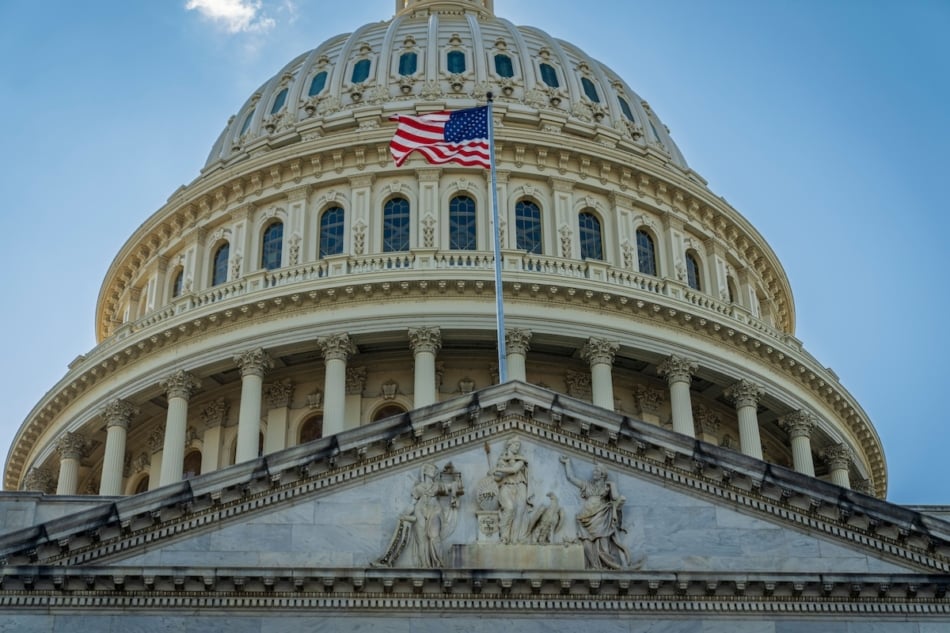
The U.S. House of Representatives has passed legislation that would make Daylight Saving Time (DST) permanent, eliminating the need to turn clocks back each autumn. The proposal now moves to the Senate, where it must also pass before it can be signed into law by the President.
For now, nothing has changed. Americans should still plan to change their clocks as scheduled unless new legislation is officially enacted.
What Would Permanent Daylight Saving Time Mean?
If the bill becomes law:
- Clocks would move forward one final time in the spring.
- There would be no more “fall back” in November.
- Most of the country would remain on Daylight Saving Time throughout the entire year.
That would mean more daylight during the evening hours but later sunrises during the winter months, especially across northern states.
Why Is This Being Considered?
Supporters of permanent Daylight Saving Time argue that it could:
- Give families more daylight after work and school.
- Encourage outdoor recreation and shopping.
- Reduce the frustration of changing clocks twice each year.
- Potentially reduce certain types of traffic accidents during evening commutes.
Others aren’t convinced.
Critics point out that darker winter mornings could make it more difficult for children traveling to school, morning commuters, and anyone who starts work before sunrise.
A Long Debate
The United States first adopted Daylight Saving Time during World War I as an energy-saving measure. It later returned during World War II before becoming standardized under the Uniform Time Act of 1966.
Congress has adjusted the schedule several times since then, most recently extending Daylight Saving Time in 2007.
This isn’t the first attempt to make DST permanent. Similar proposals have been introduced in recent years, reflecting ongoing public debate over whether Americans should stop changing their clocks twice each year.
What Happens Next?
Although the House has approved the bill, it is not yet law.
The legislation must still:
- Pass the U.S. Senate.
- Be signed by the President.
Until then, the current schedule remains in effect, meaning Americans should still expect to set their clocks back this fall.
Farmers’ Almanac Perspective
For more than 200 years, Farmers’ Almanac has helped readers keep track of the changing seasons. While modern clocks may shift by an hour, nature doesn’t follow political boundaries or legislation.
Sunrise, sunset, seasonal weather patterns, and the rhythms of agriculture continue to follow the Earth’s orbit around the Sun—not the hands of a clock.
Whether America eventually adopts permanent Daylight Saving Time or continues the twice-yearly clock changes, those natural cycles will remain unchanged.
What Do You Think?
Would you prefer to stay on Daylight Saving Time all year, return to Standard Time year-round, or keep changing the clocks twice each year?
Tell us your thoughts in the comments—we’d love to hear where you stand on one of America’s longest-running timekeeping debates.


This article was published by the Staff at FarmersAlmanac.com. Any questions? Contact us at [email protected].
- Farmers' Almanac Staff

- Farmers' Almanac Staff

- Farmers' Almanac Staff

- Farmers' Almanac Staff