Fighting Pests Without Losing the Bees: Pollinator Friendly Methods to Protect Your Garden
Keep your tomatoes safe and your pollinators happy with these time tested, chemical free tricks from the garden.

There was a time not so long back when nobody reached for a spray bottle full of chemicals the moment a bug showed up on the tomato leaves. Gardeners simply worked with what nature gave them: a few good bugs, a well-placed marigold, and a lot of patience. That old approach is making a welcome comeback, and for good reason. The same sprays that knock out aphids can just as easily knock out the bees and butterflies your garden depends on. If you are interested in keeping your vegetable beds thriving without harming the pollinators buzzing around them, here are five tried-and-true methods:
1. Plant in Good Company
A garden bed planted with only one crop is a gamble. Let one bug or fungus take hold, and you could lose the whole row.
Companion planting is the old-fashioned fix — tucking marigolds between rows of tomatoes and other vegetables. The bright blooms do more than dress up the bed; they act as a decoy, giving pests something to feed on before they ever reach the tomatoes.
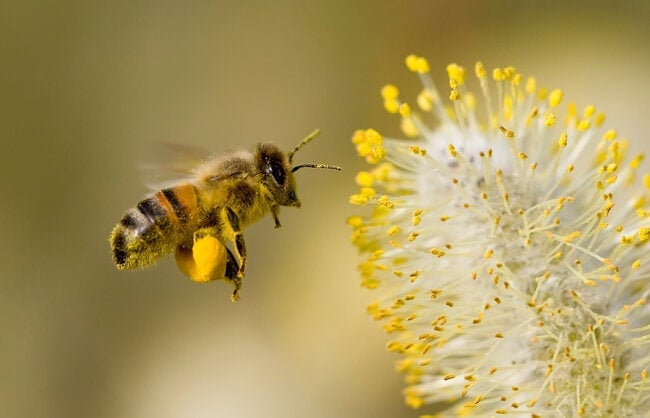
If marigolds aren’t your style, onions and garlic work as a fragrant line of defense, since their strong smell tends to send insects and rodents looking elsewhere. Flowering herbs like lavender, thyme, and basil round things out nicely too, offering scent for you and a landing pad for pollinators. A well-planned bed like this can draw in everything from bumblebees to hummingbirds and finches, each one arriving for something a little different.

2. Let the Good Bugs Do the Dirty Work
Not all insects are troublemakers. Some can be quite helpful if you know where to look.
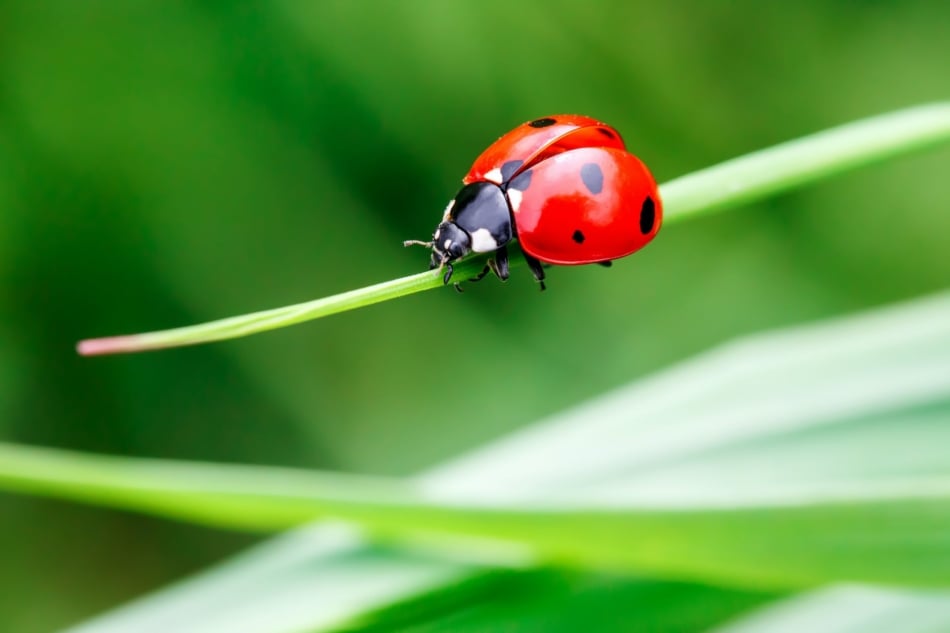
Many garden centers sell live ladybugs by the container, ready to be released straight into your garden beds each season. It sounds almost too simple, but it works. Ladybugs have a healthy appetite for aphids and whiteflies, and a good release can keep both pests in check for weeks.
Praying mantises are another option worth trying, since they’ll happily patrol your beds and snack on whatever pests wander through.
3. Set Out a Little Bug Bait
This one might raise an eyebrows but it’s an old trick with real staying power.
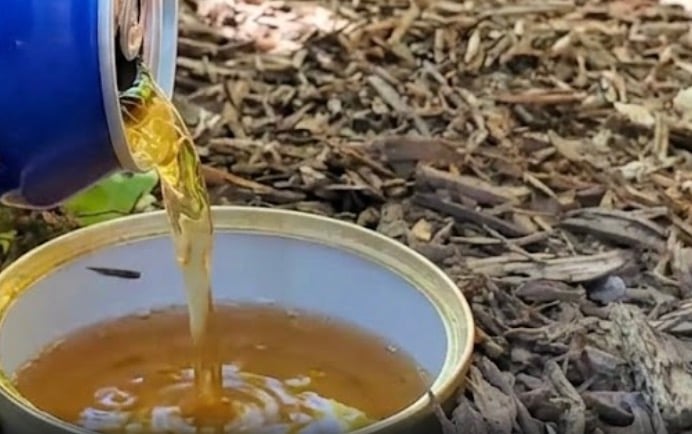
Certain garden pests can’t resist the smell of beer. Setting out small containers of it around the garden — just deep enough for bugs to climb in, but too slick-sided for them to climb back out — makes for an easy, low-effort trap. These little traps fill up faster than you’d expect, so plan to empty them regularly. And there’s no need to splurge on fancy micro-brews, the bugs aren’t picky.
4. Get Your Hands in the Dirt
Some of the best pest control still happens the old-fashioned way — with bare hands and a little patience.
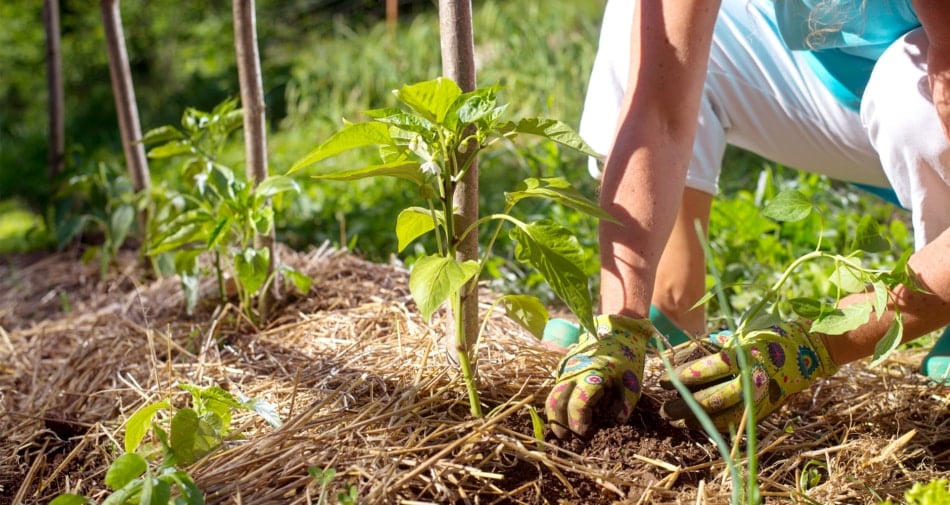
Skipping chemical weed killers in favor of pulling small weeds by hand for a few minutes each day is a habit that keeps things from getting out of control before they start. The same goes for mitigating tomato hornworms, pluck them off by hand and toss them in the grass where a passing bird can make quick work of them.
There’s a nice side benefit here, too. Time spent kneeling in the soil, hands busy, has long been linked to better mental and physical well-being — one more reason to get down and hand pick now and again.
5. Keep Things Simple and Natural
A few low-cost, low-fuss tricks can handle the pests that don’t respond to much else.
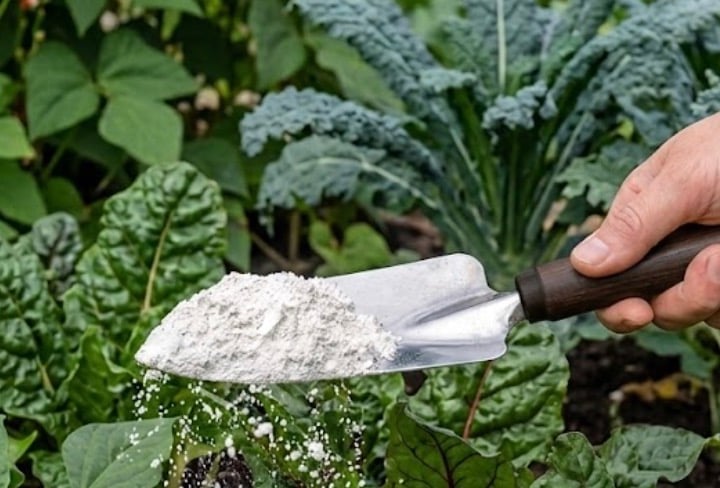
Pill bugs, sometimes called roly-polies, are notoriously stubborn, but they can’t stand rough textures. A light sprinkling of diatomaceous earth around the edges of the garden works as a natural deterrent whenever the pill bugs start marching in. The powder, made from the crushed shells of ancient sea creatures called diatoms, does double duty against slugs and snails as well.
For whiteflies, a light spray of dish soap mixed with water does the trick. A word of caution about soap method: too much soap can harm the plant itself, so start light and watch how your plants respond before adding more.
A Garden That Gives Back
None of these methods require anything fancy, and none of them ask you to choose between a healthy harvest and a healthy backyard ecosystem. Every ladybug released, every marigold planted, and every weed pulled by hand adds up to a garden that supports the pollinators working alongside you.
Take care of the bees, birds, and beneficial bugs in your own backyard, and they’ll return the favor. Here’s hoping your garden rewards you with a summer full of tasty vegetables.



- Farmers' Almanac Staff

- Farmers' Almanac Staff
- Farmers' Almanac Staff
- Farmers' Almanac Staff