Look Up: The Perseid Meteor Shower Is About to Light Up the August Sky
The Perseid meteor shower reaches its annual maximum this week, with the most activity expected around August 12–13.

Get ready stargazers, the night sky is about to deliver one of the best excuses of the year to due away with bedtimes and stay up late.
The Perseid meteor shower reaches its annual maximum this week, with the most activity expected to begin tomorrow August 12th and continue through the 13th. Under favorable weather conditions, the sky will come alive with dozens of meteors streaking overhead, ranging from quick flashes that disappear almost instantly to brilliant trails that linger for a moment longer.
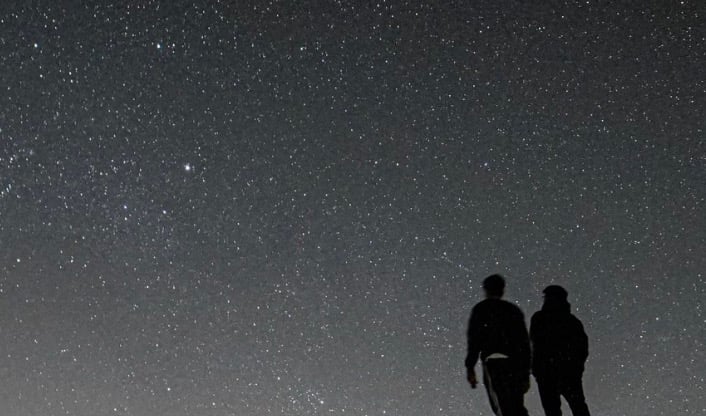
What makes this year’s display particularly choice is the timing of the Moon. The Perseids peaks around the new moon, leaving the nighttime sky much darker than it would be during a brighter lunar phase. That means more of the fainter meteors should be visible to the naked eye, especially for anyone willing to escape the ever present glow of cities and surrounding suburbs.
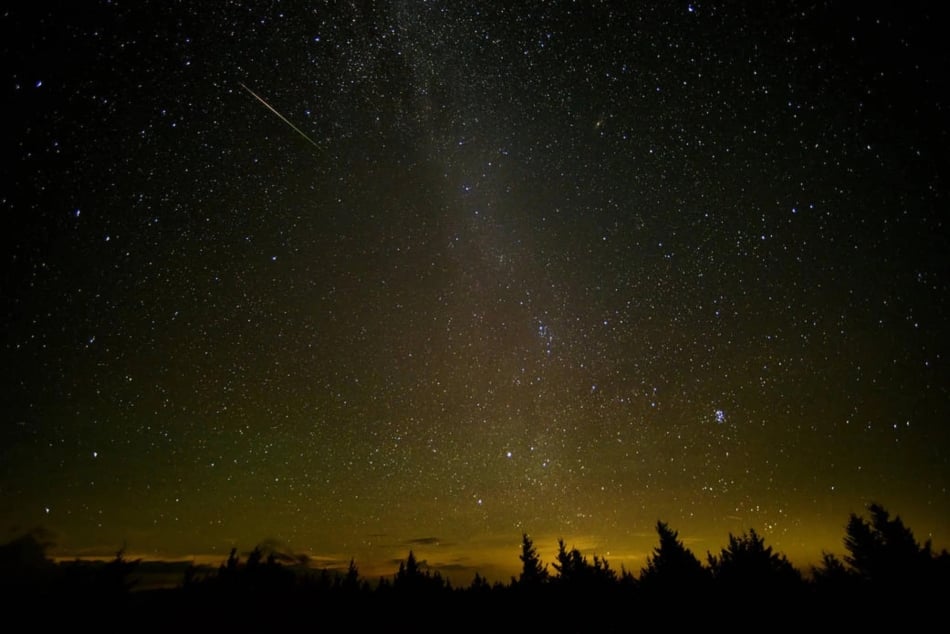
A Summer Meteor Shower Worth Staying Up For
The Perseids are created by debris from Comet 109P/Swift-Tuttle, which leaves a trail of dust and tiny particles along its orbit around the Sun. Each year, Earth passes through that debris stream.
When those particles collide with Earth’s atmosphere at extremely high speeds, they heat up and produce the flashes of light we know as meteors. Although the particles themselves are generally tiny (between the size of a grain of sand and a marble) their tremendous speed can create surprisingly bright streaks across the sky.
The meteors appear to originate from the direction of the constellation Perseus, a constellation in the northern sky that represents the legendary Greek hero who defeated Medusa, giving the shower its name. But you don’t have to know where Perseus is to enjoy the show. Meteors can travel across large portions of the sky, so a wide unobstructed view is much more important than pointing yourself toward one particular constellation.
The Best Time to Watch
The Perseids can be spotted during the evening, but the show generally improves as the night goes on.
For the best chance of seeing a high number of meteors, plan to watch during the early morning hours before sunrise. That’s when your location on Earth is facing more directly into the stream of comet debris.
Meteor showers are unpredictable so for the best chances of seeing a peak display give yourself at least an hour if possible.
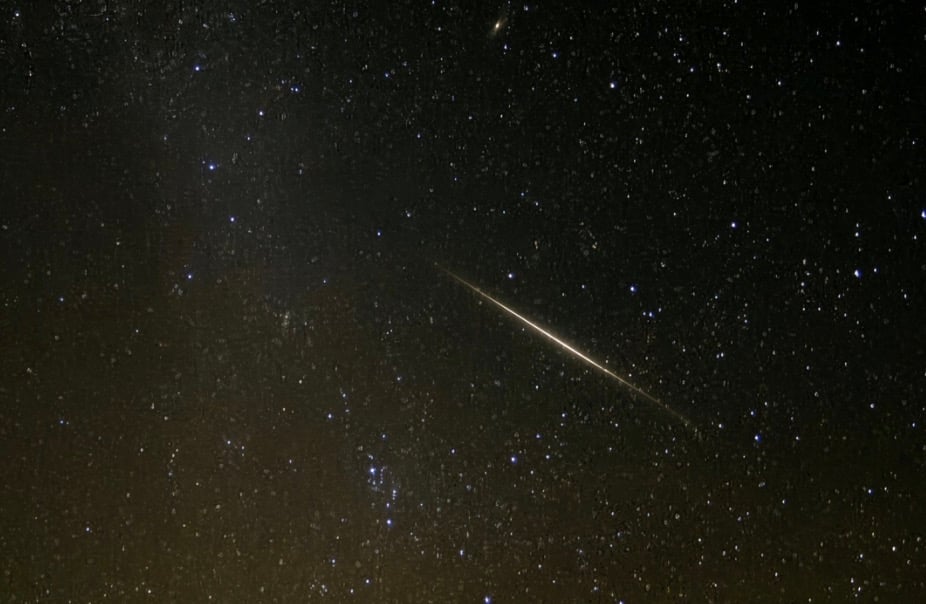
Get Away From the Lights
The best thing you can do to optimize your viewing experience is finding a dark location.
City lights can overwhelm faint meteors, dramatically reducing the number you’ll see. Head toward a rural area with open countryside or anywhere with a clear view and minimal artificial lighting.
Once you’re settled, give your eyes time to adjust to the darkness. Avoid repeatedly exposing your eyes to artificial light as it can make it harder for your eyes to adapt (that means leave your phone in your pocket).
Consider sitting in reclining chair or bringing a blanket to lay on the ground so you don’t have to strain your neck to get the right angle for viewing.
No need for a telescope. Meteor showers are best viewed with the naked eye. A telescope’s narrow field of view can actually make it harder to catch fast-moving meteors.
Make a Night of It
Viewing the Perseid meteor shower don’t require expensive equipment or special knowledge, simply find a dark place, get comfortable, turn your attention skyward and wait for the show.
This year’s favorable lunar conditions make the shower especially worth watching. If the weather cooperates, the combination of a dark sky, warm August temperatures, and a dependable annual meteor shower could make for an unforgettable night outdoors!


- Farmers' Almanac Staff

- Farmers' Almanac Staff
- Farmers' Almanac Staff
- Farmers' Almanac Staff