Why September Stars Suddenly Look Brighter—And Why You’re Not Imagining It
Does the night sky suddenly look brighter? September’s earlier darkness, changing weather, Moon phase, and improving atmospheric transparency can reveal stars that were hiding in plain sight all summer.
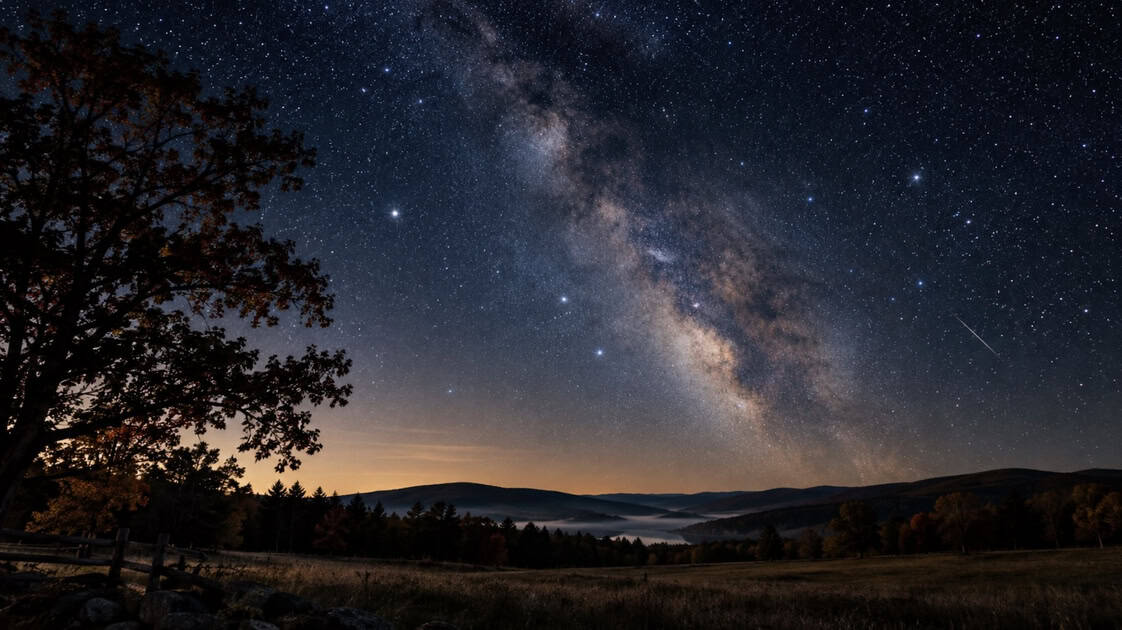
September nights can make the stars seem noticeably brighter and sharper than they did just a few weeks ago. The stars haven’t changed—but the sky around them has. Here’s why early fall can be one of the best times of the year to look up.
Have you stepped outside on a clear September night and thought, Were the stars always this bright?
You may notice it almost suddenly.
A handful of brilliant stars appear to jump out of the evening sky. Familiar constellations seem easier to trace. And if you get away from city lights, the entire sky can look deeper, darker, and packed with more stars than you remember seeing during the heart of summer.
There is a real explanation—but the stars themselves aren’t actually becoming brighter.
Instead, September can change the conditions between your eyes and the stars, creating darker skies and, on certain nights, clearer air through which to see them.
Why Do Stars Look Brighter in September?
Several things can come together as summer begins giving way to fall:
- Darkness arrives earlier.
- Nights become progressively longer.
- Cooler and sometimes drier air can reduce summertime haze.
- Better atmospheric transparency can increase contrast.
- Darker Moon phases can dramatically improve what you can see.
- Familiar autumn stars and constellations begin moving into prominent positions.
The result can be a night sky that seems to switch on.
And September 2026 offers an especially good opportunity to notice it.
1. September Is Rapidly Bringing Back the Darkness
Perhaps the biggest change is also the most obvious: the Sun is setting earlier.
September is one of the fastest-changing months of the year for daylight across much of North America.
During September 2026, for example, New York loses roughly 77 minutes of daylight, Chicago about 80 minutes, Minneapolis nearly 89 minutes, and Seattle approximately 98 minutes.
That means stargazers no longer have to wait until very late at night for genuinely dark skies.
Our [September daylight-loss map] shows just how quickly darkness is returning across the United States. See how much daylight your area loses in September
The change accelerates our perception of the season, too. Even when September afternoons remain warm, an 8 p.m. sky can already feel much more like fall.
Meteorologists consider September 1 the beginning of meteorological autumn, while astronomical fall arrives with the September equinox. Why meteorological fall begins September 1
2. Summer Haze Can Begin to Fade
This is where the difference can become dramatic.
Hot summer weather frequently comes with humidity, haze, smoke, dust, pollutants, and other tiny particles suspended in the atmosphere.
Those particles scatter light.
That scattering can make the background sky brighter while simultaneously making faint stars harder to distinguish.
Astronomers call the clarity of the atmosphere transparency.
According to Sky & Telescope, atmospheric transparency is reduced by moisture, smoke, pollution, and other airborne particles. When transparency improves, faint celestial objects become easier to see and the contrast between stars and the background sky increases. Learn more about atmospheric transparency from Sky & Telescope
That doesn’t mean every September night is clearer than every July night.
Far from it.
Humidity can remain high in September, wildfire smoke can severely reduce visibility, and weather varies tremendously across North America.
But when an early autumn cold front sweeps through and leaves behind cooler, cleaner, drier air, the improvement in the night sky can be striking.
It may feel as though someone turned up the brightness of the stars.
What actually happened is that someone turned down the brightness of everything around them.
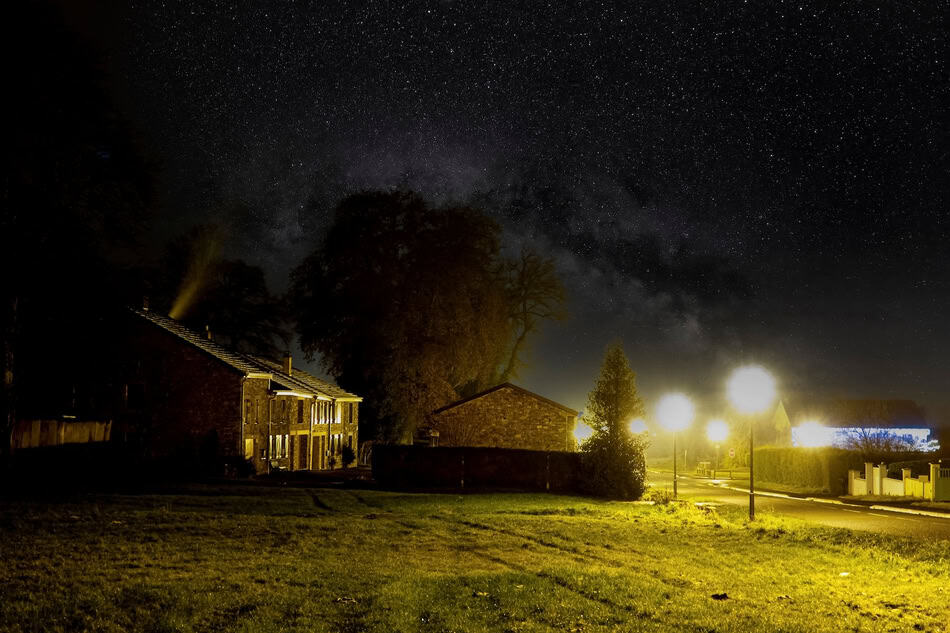
3. A Darker Background Makes Stars Look Brighter
Our eyes perceive brightness partly through contrast.
Imagine a porch light during the afternoon. You can see it, but it doesn’t appear especially impressive against the bright daytime sky.
Now look at that same light at midnight.
Suddenly it appears brilliant.
Stars work in much the same way.
When haze, humidity, moonlight, twilight, or artificial light brightens the background sky, faint stars disappear and brighter stars lose some of their visual punch.
Against a truly dark sky, however, stars appear sharper and more prominent.
This is why escaping city lights can transform the sky.
DarkSky International explains that artificial skyglow can obscure stars far beyond the immediate source of the lights. In heavily light-polluted locations, only the brightest stars may remain visible. Learn how light pollution changes the night sky.
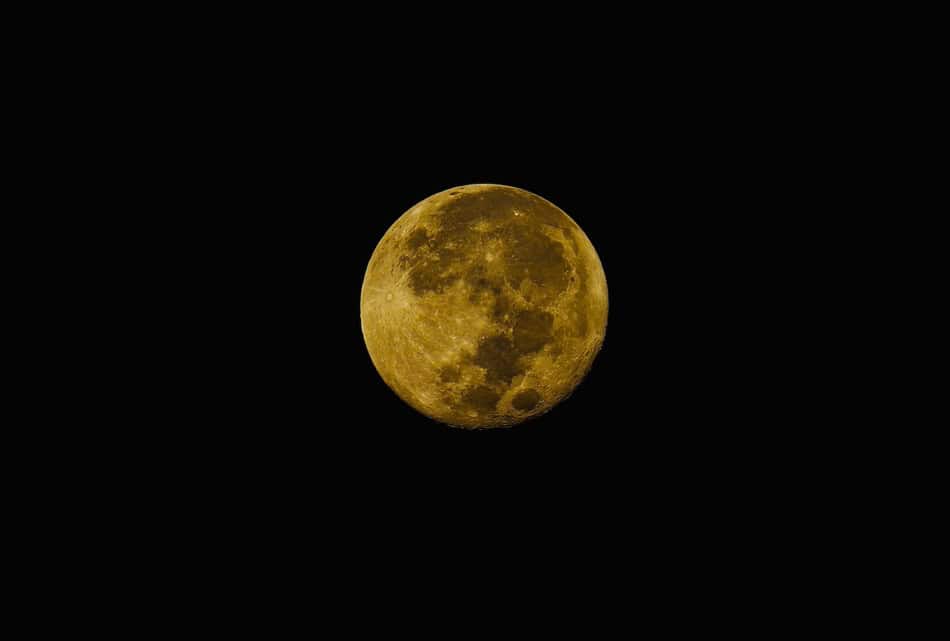
4. The Moon Can Make an Enormous Difference
There is another light source that matters enormously to stargazers: the Moon.
A bright full Moon can wash out hundreds or even thousands of faint stars.
A New Moon does the opposite.
September 2026 provides an especially nice example.
The Moon becomes New on September 10, 2026, creating exceptionally dark skies around that date. That also happens to coincide with the little-known September Epsilon Perseid meteor shower, which peaks around September 9.
That means the nights around September 7–10 offer particularly favorable conditions for spotting faint stars and the occasional shooting star, assuming your local skies are clear.
See our September Epsilon Perseid Meteor Shower viewing guide
For stargazing throughout the year, the nights surrounding a New Moon are generally among the best times to get away from city lights and simply look up.
Our [Night Sky Guide] tracks the best stars, planets, constellations, and viewing opportunities throughout the year. Explore the Farmers’ Almanac Night Sky Guide
5. September’s Sky Really Is Changing
There is also something genuinely seasonal happening overhead.
The stars aren’t physically getting brighter, but the portion of the universe visible during convenient evening hours is changing.
High overhead during September evenings, the three stars of the Summer Triangle—Vega, Deneb, and Altair—remain prominent.
But look toward the east as the night progresses and the autumn sky is beginning to take over.
Cassiopeia climbs higher.
The Great Square of Pegasus becomes increasingly noticeable.
The Andromeda Galaxy becomes better positioned for evening viewing.
Later in the month and later at night, familiar winter sights such as the Pleiades begin returning to the eastern sky.
There is a wonderful overlap in September: summer stars are still here while fall and winter stars are beginning to arrive.
That makes September one of the most interesting transitional months for anyone learning the night sky.
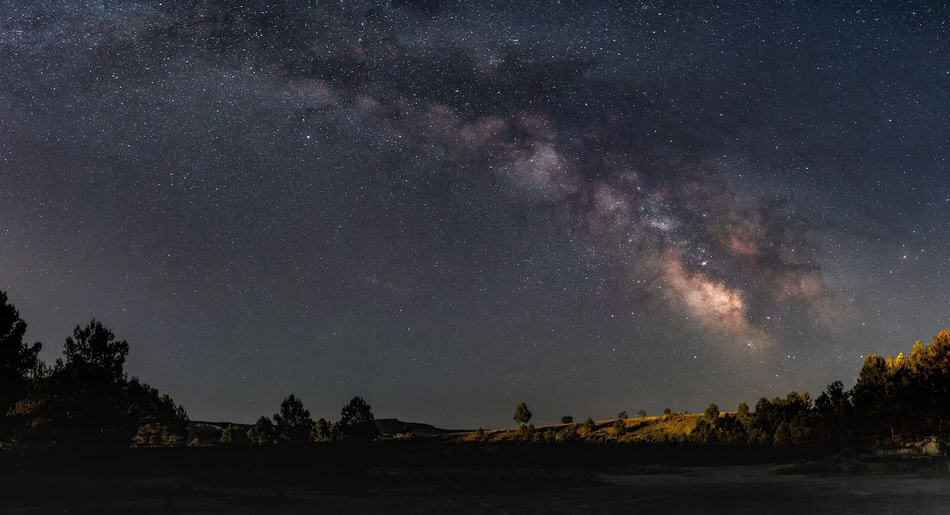
Can You Really See the Milky Way in September?
Yes—under the right conditions.
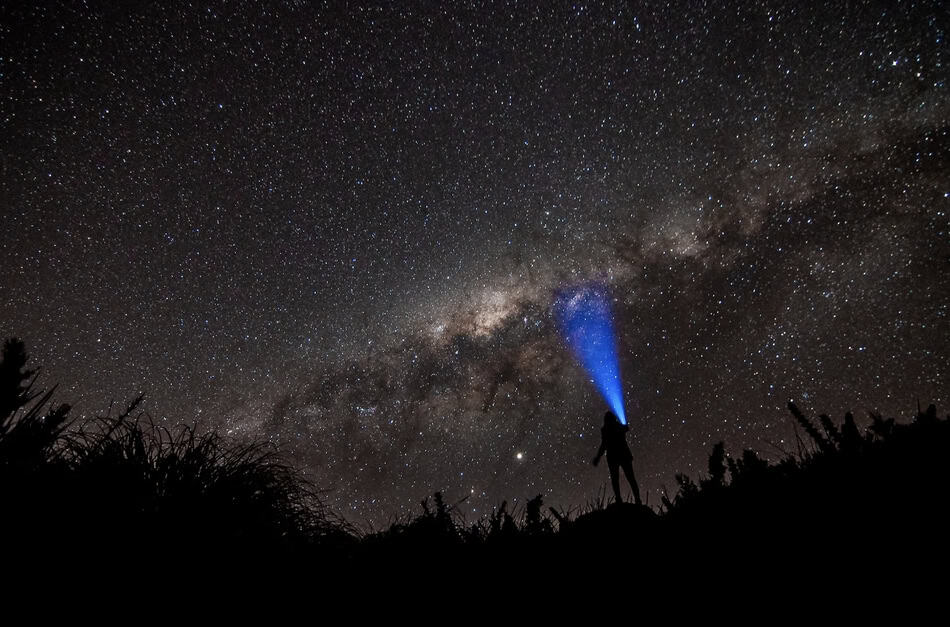
From a sufficiently dark location, the broad glow of the Milky Way can still stretch spectacularly across the September sky.
But four things matter tremendously:
Moonlight. Cloud cover. Atmospheric transparency. Light pollution.
DarkSky International notes that all of these factors need to line up for an especially impressive Milky Way view. DarkSky’s guide to finding a good Milky Way night
If you’ve never seen the Milky Way away from major artificial lighting, the difference can be startling.
What looks like an empty patch of sky from a city can contain countless stars from a truly dark location.
How to See More Stars Tonight
You don’t need a telescope.
In fact, one of the best ways to appreciate a beautiful September sky is with nothing more than your eyes.
Try this:
Wait until at least 60–90 minutes after sunset. The sky continues darkening well after the Sun disappears.
Move away from artificial lights. Even getting out of direct view of a porch light can help.
Put your phone away. Give your eyes roughly 20 minutes to adjust to darkness.
Look overhead rather than toward the horizon. Celestial objects near the horizon are viewed through much more atmosphere, which increases scattering and atmospheric extinction.
Choose a night near the New Moon. You’ll see substantially more faint stars.
Look after a cold front. A crisp, clear night with low humidity can provide outstanding atmospheric transparency.
And most importantly:
Give yourself time.
The longer you stand beneath a dark sky, the more stars seem to emerge.
The Best September Nights Often Follow a Weather Change
Here’s an old stargazer’s trick worth remembering.
If a cold front has just passed, skies clear, humidity falls, and the air suddenly feels unusually crisp, go outside after dark.
Those can be some of the clearest nights of the season.
The temperature itself isn’t what makes the stars brighter. Instead, the new air mass may contain less moisture, haze, and particulate matter to scatter light.
That is why a crystal-clear 55-degree September night can sometimes reveal far more of the universe than a humid 75-degree night in July.
September Is the Gateway to Stargazing Season
September sits at an unusual crossroads.
Meteorological fall has already begun.
The [autumnal equinox] is approaching. When is the Fall Equinox in 2026?
Nightfall comes earlier every evening.
Cooler air begins arriving in more parts of the country.
And the night sky itself is gradually turning from summer toward autumn.
So if the stars seem unusually bright on a clear September night, your eyes probably aren’t fooling you.
The stars haven’t changed.
The sky between you and them may have.
And sometimes all it takes is one crisp September evening to remind us just how many stars have been overhead all along.


- Farmers' Almanac Staff

- Farmers' Almanac Staff
- Farmers' Almanac Staff
- Farmers' Almanac Staff