Why Owls Became Creatures of Witches, Omens, and Wisdom

An owl can seem to appear from nowhere. One moment the branch is empty; the next, a pair of bright eyes is watching from the dark. Then comes a call from somewhere nearby, hard to place and easy to mistake for something otherworldly.
That mix of silence, darkness, and surprise has helped make owls powerful figures in stories. But their meaning has never been the same everywhere. In some traditions, the owl stands for wisdom or protection. In others, it brings a warning, watches over the dead, or takes on a frightening, supernatural form. Owl folklore says as much about the people telling the stories as it does about the bird itself.
Athena’s owl and the idea of wisdom
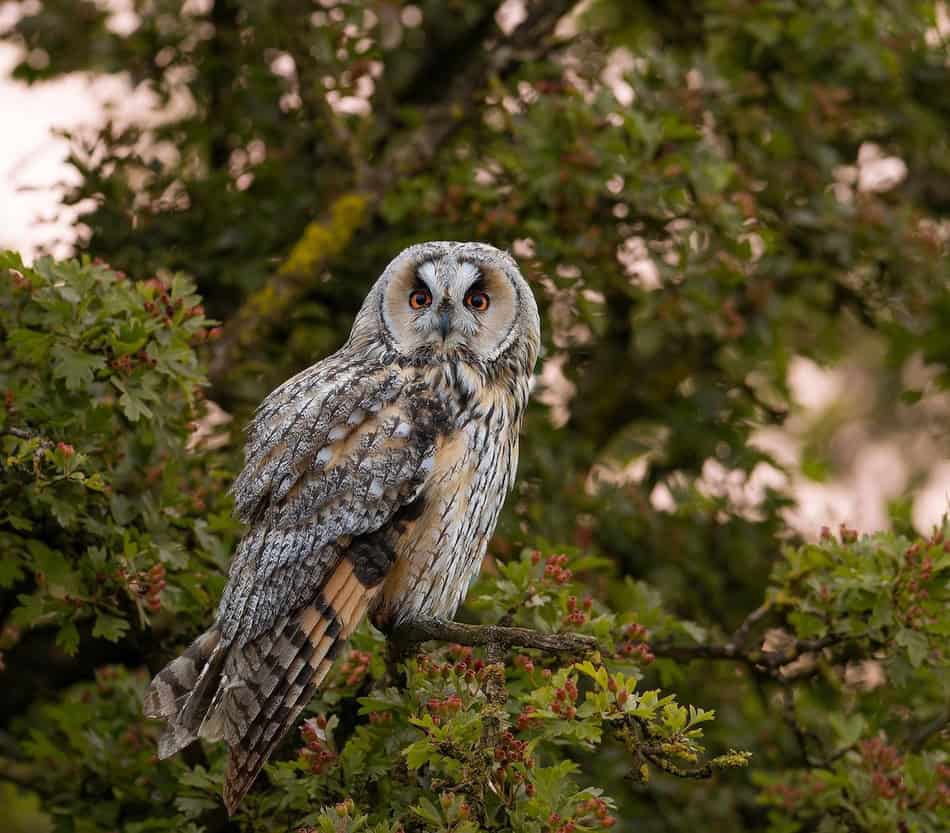
One of the best-known owl symbols comes from ancient Greece. The owl was sacred to Athena, goddess of wisdom and strategy, and became closely associated with Athens. The Acropolis Museum describes the owl as a symbol of wisdom and prudence, linking its reputation to the bird’s remarkable night vision. Athenians also put owls on their coins.
The association still feels natural. An owl’s large, forward-facing eyes and steady gaze can give it an air of alertness. Its ability to hunt in low light may also have encouraged the idea that it could see what others could not. Over time, that image of the watchful bird became an image of insight.
When the owl became a witch’s bird
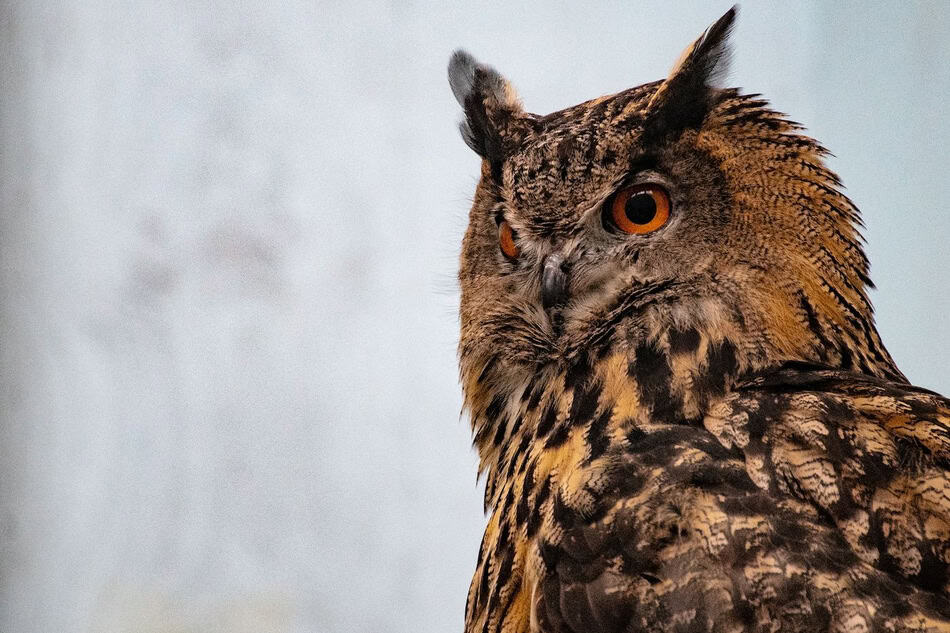
In Roman stories, the night-flying strix was a fearsome creature that could take an owl-like form. The figure appears in Roman folklore and later writing, connected with stories of witches and attacks on infants. The word also links the bird to a much darker tradition than Athena’s wise companion. In these tales, the owl was not simply a bad omen; it was part of a frightening story in which bird and witch blurred together.
The strix was not the same as a witch’s familiar, an animal believed to serve a witch. In English witch-trial records, familiars were more often described as cats, mice, toads, or weasels, as a study of animal familiars in English witch trials explains.
Different communities, different meanings
Indigenous owl traditions are distinct, and the stories don’t all give the owl the same role. In a Caddo oral tradition recorded by the Arkansas Archeological Survey, Medicine-Screech-Owl is both a monster slayer and a healer. A Seminole writer’s account for Audubon describes the Stikini, a frightening shapeshifter associated with the Great Horned Owl, and also notes owls’ protective role in Seminole tradition. In one story, the owl helps defeat monsters; in another, its shape belongs to a feared creature.
What owls are actually doing at night
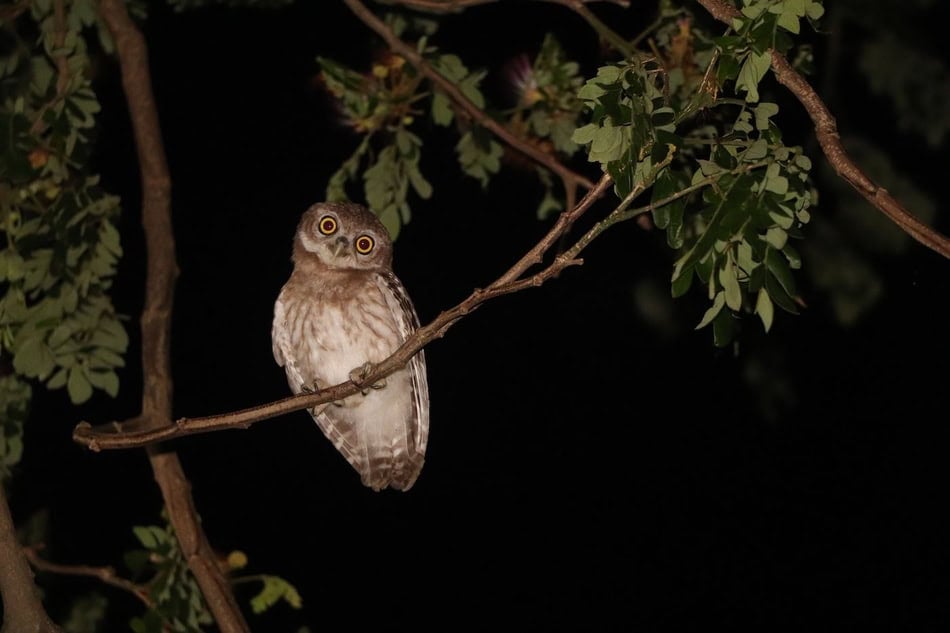
Owls’ real habits help explain why they inspired so many stories. Many hunt at night or during the dim hours around dawn and dusk, but owl activity varies by species. Great Horned Owls, for example, often hunt at dusk and dawn as well as at night. Their soft feathers help them fly very quietly, while large eyes and sensitive hearing help them find prey in low light.
Their calls can sound eerie to an unfamiliar listener, but they serve ordinary purposes. Owls use calls to communicate, including to defend territory and keep in touch with mates. The Cornell Lab of Ornithology’s owl guide notes that Great Horned Owl pairs call together, with the male’s deeper voice often distinguishable from the female’s.
And that sudden appearance? Camouflage does much of the work. An owl perched against a tree trunk or hidden in dense branches can be difficult to spot until it moves. When it does take flight, its quiet approach can make it seem to materialize out of the darkness.
The stories gave that unsettling moment meaning. They made a night sound into an omen, a hidden bird into a witch, or an alert gaze into a sign of wisdom. The owl remained the same wild animal; the story changed with the people who heard it. For another look at how birds gather meaning in folklore, see the Farmers’ Almanac guide to birth month birds.

- Maggie Konrad

- Maggie Konrad
- Maggie Konrad
- Maggie Konrad