
Why Are Deer Suddenly Everywhere? The Most Dangerous Weeks for Drivers Are Starting Now
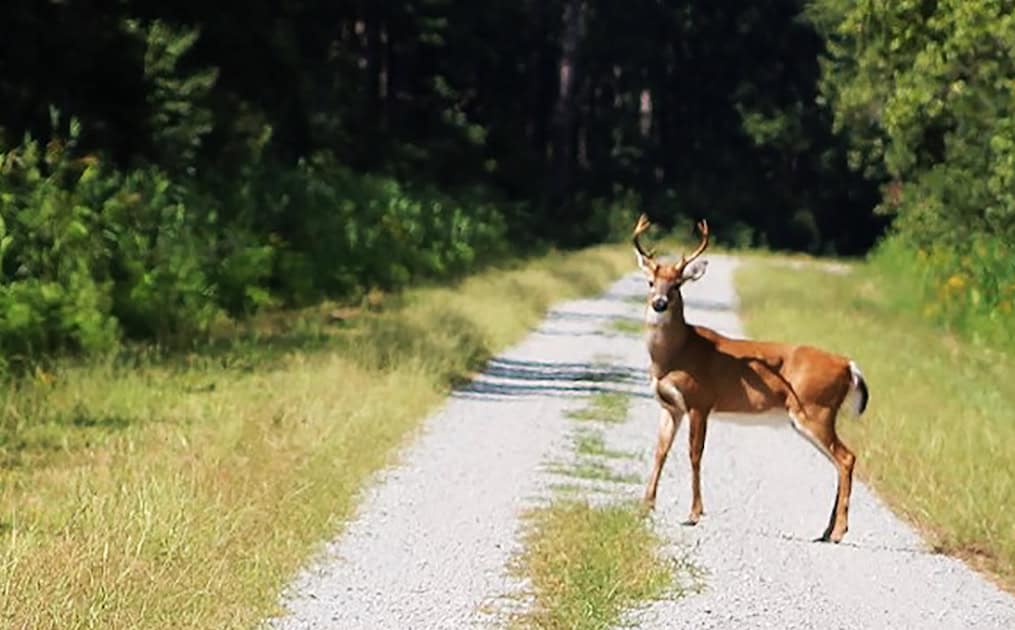
Have deer suddenly started showing up everywhere?
Maybe there’s a buck standing beside the road on your morning commute. A doe trots through the backyard before dinner. Or a deer appears in broad daylight somewhere you’re used to seeing them only around dusk.
You’re not imagining it.
Across much of the country, fall marks the beginning of a dramatic change in white-tailed deer behavior. Deer are entering their breeding season, known as the rut, and that means more movement, less predictable behavior, and a greater chance of encountering one on the road.
In fact, wildlife officials are already warning drivers to pay attention. On October 7, the Rhode Island Department of Environmental Management issued its annual reminder that deer are becoming more active as mating season begins. Rhode Island DEM’s deer-rut advisory
Why Are Deer Moving Around So Much?
For most of the year, white-tailed deer tend to be creatures of routine. They feed, rest, and travel within familiar areas, with much of their activity concentrated near dawn and dusk.
Fall changes the equation.
As breeding season approaches, bucks begin searching for does. They may cover more ground, cross open areas they normally avoid, wander into neighborhoods, and travel across roads without the caution drivers might expect.
During the pre-rut period, bucks also begin leaving signs of what’s coming. You may notice small trees with bark rubbed away where bucks have worked their antlers against trunks, or patches of scraped ground where they have left scent.
MassWildlife describes late September through October as the pre-rut, followed by the main rut in early to mid-November in Massachusetts. During the rut itself, deer movement increases considerably. MassWildlife’s explanation of deer breeding season
The exact calendar varies by location. In some southern areas, breeding can occur considerably earlier or later than it does in the Northeast. So there isn’t one nationwide date when someone flips the “rut” switch.
It’s Not Because the Weather Suddenly Turned Cold
A chilly October morning certainly makes fall feel official, but cold weather isn’t what starts the rut.
In northern white-tailed deer populations, shortening daylight is an important biological cue. As days grow shorter, hormonal changes help set the breeding cycle in motion.
That’s also why a warm spell doesn’t simply cancel the rut. It’s also why claims that a particular cold front or Moon phase will “turn on” the breeding season should be treated cautiously.
Weather can affect when and where you happen to see deer, but it doesn’t create the underlying reproductive cycle.
Why You May See Deer in the Middle of the Day
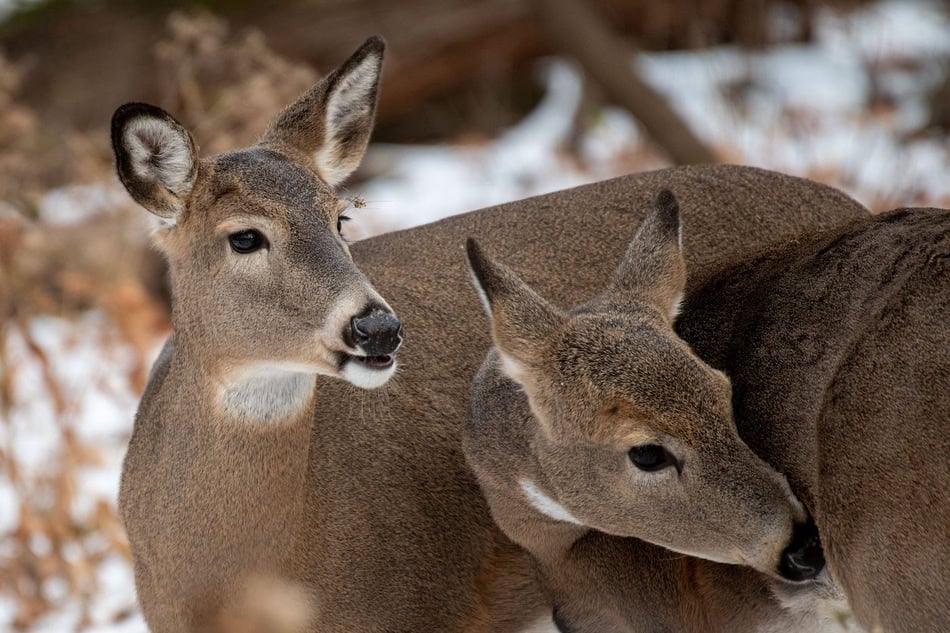
This is where fall gets especially noticeable.
White-tailed deer are normally most active around dawn and dusk. But when bucks are searching for receptive does, their usual schedule can loosen considerably.
MassWildlife notes that bucks become more active during the day during breeding season and may chase does across roads with little hesitation. MassWildlife guidance on living with deer
So a buck walking through a backyard at noon isn’t necessarily sick, lost, or confused. During the rut, it may simply be following a doe.
That doesn’t mean every daytime deer sighting is caused by breeding. Food, disturbance, habitat, hunting pressure, and other factors also affect movement. But a sudden increase in roaming bucks is one of autumn’s most recognizable wildlife changes.
This Is Also When Deer Collisions Rise
Unfortunately, all that extra movement brings deer into contact with roads.
Massachusetts transportation data show just how concentrated the risk can become: 48% of reported deer and moose collisions from 2018 through 2022 occurred between October and December, with 25% occurring in November alone. MassWildlife’s 2026 fall driving warning
Indiana’s Department of Natural Resources similarly identifies September through December as the period when deer-vehicle collisions are generally most likely, particularly during October and November mating activity. Indiana DNR deer-vehicle collision guidance
The biggest thing to remember may be the simplest:
If you see one deer, look for another.
Deer often travel with others, so the animal that clears your lane may not be the last one coming.
What To Do When a Deer Runs Into the Road
Wildlife agencies consistently recommend slowing down and staying especially alert around dawn and dusk, near wooded roads, field edges, and marked deer-crossing areas.
If a deer enters your path, brake firmly and stay in your lane if a collision cannot be avoided. Do not make a violent swerve into another lane or off the roadway. Rhode Island DEM and MassWildlife both advise drivers against swerving because doing so can create an even more serious crash.
Scan the shoulders ahead rather than watching only the pavement directly in front of you, and ease off the accelerator when visibility is poor.
For more seasonal road hazards, including wet leaves, fog, and shorter daylight, see our Farmers’ Almanac guide to fall driving and weather safety.
And if you do hit a deer, don’t approach an injured animal. Contact local law enforcement or your state wildlife agency and follow local reporting requirements.
The Busiest Part of Deer Season Is Still Ahead
In many northern states, early October is just the beginning.
Deer activity should become increasingly noticeable as October progresses toward the main breeding period. That means more bucks wandering beyond familiar territory, more daytime movement, and more unexpected roadside encounters.
So if it suddenly seems as though every deer in the neighborhood has decided to come out at once, there’s a good reason.
Autumn has put them on the move.

- Maggie Konrad

- Maggie Konrad
- Maggie Konrad
- Maggie Konrad