Dark Skies This Weekend: Could the Northern Lights Appear, Too?

The New Moon arrives Saturday, October 10, giving stargazers darker nights through the weekend. There’s also a chance of elevated aurora activity late Friday night, though NOAA’s forecast does not necessarily promise a display.
When to Look and What to Look For
| What | When | What to expect |
|---|---|---|
| Possible aurora activity | Late Friday night into early Saturday | NOAA’s forecast puts its highest overnight Kp period around 11 p.m. to 2 a.m. EDT. Aurora visibility will depend on how conditions develop and where you are. |
| Darker skies | Friday and Saturday evening | The New Moon arrives Saturday at 11:50 a.m. EDT, so moonlight won’t compete with fainter stars. |
| Saturn | After dark | Saturn remains easy to spot with the naked eye after reaching opposition on October 4. |
Could the Northern Lights Appear?
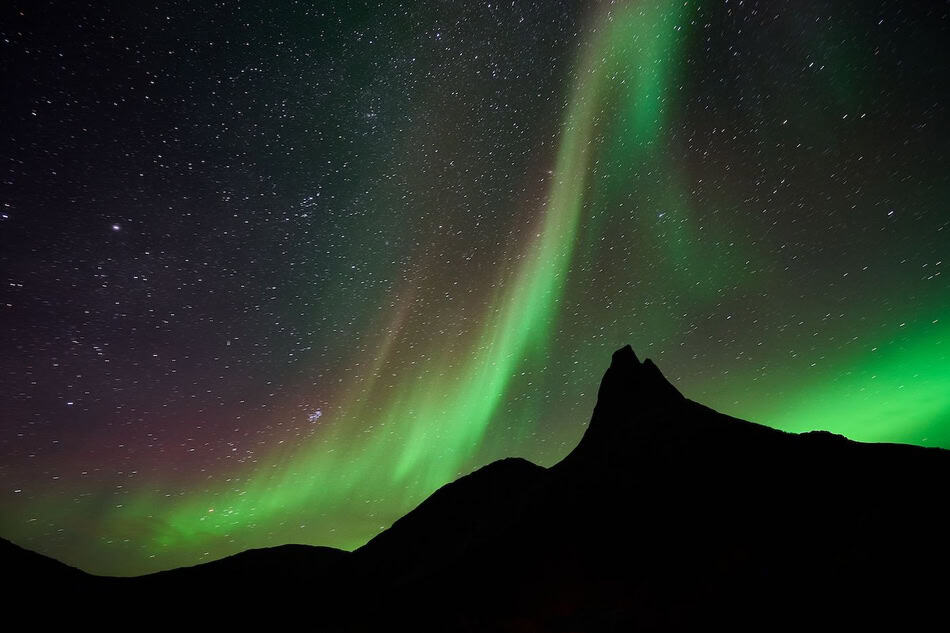
NOAA’s latest three-day forecast, issued Friday evening, shows a chance of geomagnetic storm activity. For the overnight period around 11 p.m. to 2 a.m. EDT, its Kp forecast reaches about 4.7. That makes the aurora a possibility, especially farther north, but it is not a guarantee of visible lights.
If you’re in a northern location, find a dark spot with a clear view north. Check NOAA’s 30-minute aurora forecast before heading out. The forecast can change, and clouds or nearby lights can spoil the view even if aurora activity increases.
What Else Can You See?
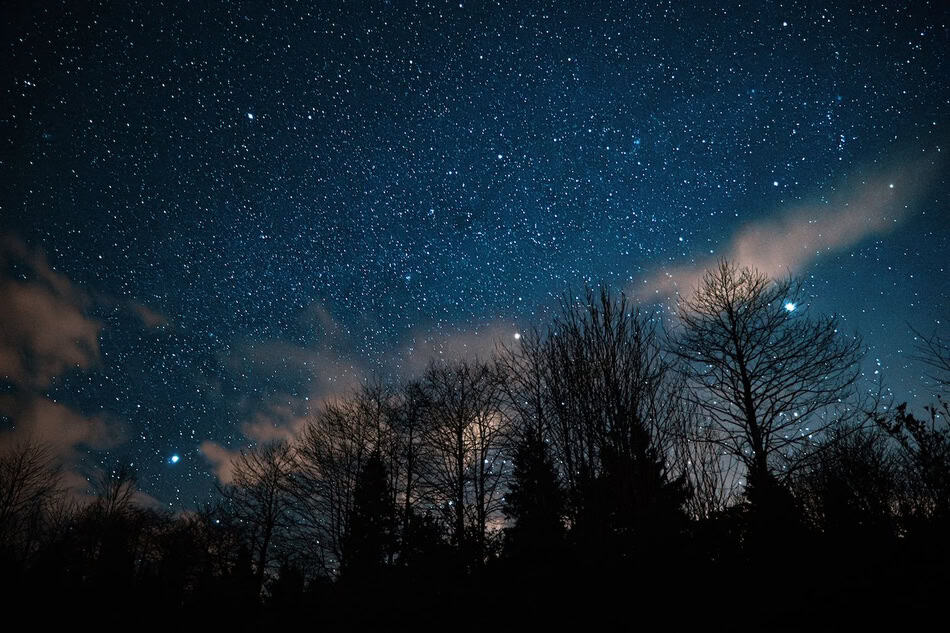
Saturn is the weekend’s easiest target. It looks like a steady, bright point of light and is visible without a telescope. NASA’s October sky guide notes that Saturn reached opposition on October 4, when Earth passed between Saturn and the Sun.
The moonless evenings also make it easier to pick out fainter stars from a dark location. A new Moon won’t create a sky show of its own; it simply leaves more of the sky visible. The Farmers’ Almanac night-sky guide has tips for finding familiar stars and constellations.
Give your eyes time to adjust, face away from streetlights, and check your local cloud forecast before you go out. If the aurora doesn’t appear, Saturn and the darker sky are still there to enjoy. Happy stargazing!

- Maggie Konrad

- Maggie Konrad
- Maggie Konrad
- Maggie Konrad