
Why Does Your Hair Get So Static in Winter? Here’s How to Stop It

You take off your winter hat, glance in the mirror, and find half your hair standing straight up. A few strands are stuck to your cheeks. The rest seem determined to float away from your head.
Welcome to static hair season.
The trouble usually starts when the weather turns cold and the heat comes on indoors. Add a wool hat, a scarf, or a few strokes with a hairbrush, and even normally cooperative hair can become a frizzy mess.
Fortunately, a few changes to your hair care routine and the air inside your home can make a noticeable difference.
Quick Reference: How to Stop Static Hair
|
Why Does Hair Get So Static in Winter?
Static electricity builds up when two materials rub together and electrons transfer from one surface to the other. Your hair can develop an electrical charge from contact with a hat, scarf, brush, or even other strands of hair.
When strands carry similar electrical charges, they repel one another. That’s why your hair lifts away from your head instead of lying flat.
Dry winter air makes the problem worse because electrical charges don’t dissipate as readily in low humidity.
Cold outdoor air generally contains less water vapor than warm air. When that air enters your house and is heated, its relative humidity drops unless moisture is added. Your hair and skin can become drier, too.
According to the Cleveland Clinic, dry air, winter hats, and changes in hair moisture all contribute to seasonal static.
It’s the same reason you may notice more little shocks when touching doorknobs or pulling blankets off the bed during winter. Our guide to humidity explains how moisture in the air affects everyday comfort.
How to Get Rid of Static Hair
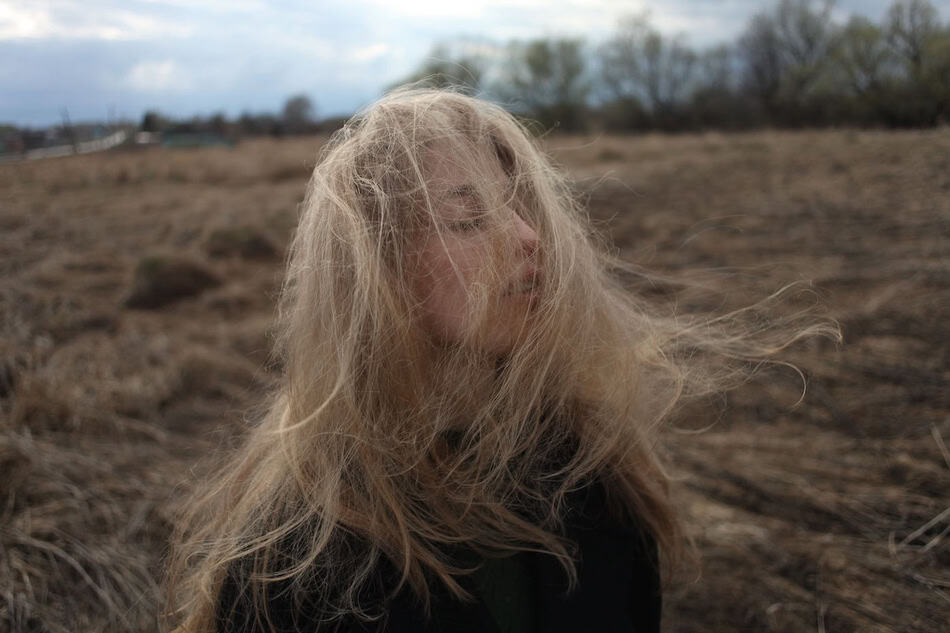
You don’t need to buy an expensive collection of hair products. Start by addressing the dryness and friction that allow static to build up.
1. Use Conditioner Every Time You Wash
Conditioner is one of the most reliable ways to reduce static.
It smooths the hair’s outer surface and helps reduce the electrical charge that makes strands repel each other.
The American Academy of Dermatology recommends using conditioner after shampooing. For fine or straight hair, concentrate on the ends. Dry or curly hair may benefit from conditioner applied along more of its length.
If your usual conditioner isn’t enough during winter, consider a formula designed for dry hair.
2. Try a Leave-In Conditioner for Flyaways
A small amount of leave-in conditioner can help when your hair gets staticky between washes.
Apply it according to the product directions, concentrating on the lengths and ends rather than piling it onto your roots.
If your hair is fine, start with a lightweight formula and a very small amount.
The American Academy of Dermatology specifically recommends leave-in conditioners for managing static and flyaway strands.
3. Add Moisture to Your Indoor Air
If you’re dealing with static hair, dry skin, and little shocks around the house, your indoor air may be too dry.
A humidifier can help reduce static electricity by adding moisture to the air.
The Environmental Protection Agency confirms that humidifiers can alleviate static problems associated with winter heating.
A small humidity meter, called a hygrometer, can help you keep track of conditions. The EPA recommends avoiding indoor relative humidity above 50 percent because excess moisture can encourage mold and dust mites.
Keep humidifiers clean and follow the manufacturer’s instructions. A dirty humidifier can introduce contaminants into the air, and too much humidity can create problems of its own.
4. Be Gentler When Drying Your Hair
Rubbing your hair vigorously with a bath towel creates friction and can contribute to frizz and damage.
After washing, gently squeeze out excess water and blot your hair with a towel or soft T-shirt.
If you use a blow dryer, choose a lower heat setting when possible. High heat can contribute to dryness, making winter hair harder to manage.
The American Academy of Dermatology recommends limiting excessive heat styling and handling wet hair gently to reduce damage.
5. Watch What Happens When You Brush
A few strokes with a brush can make dry winter hair noticeably more staticky.
Friction between the brush and hair can transfer electrical charge, particularly when the air is dry.
Try brushing only as much as needed to style or detangle, and avoid repeatedly running a brush through already-dry hair.
If you’re shopping for a replacement, some brushes and combs are designed to reduce static. Results depend on the materials and your hair type, so a new brush isn’t necessarily the first thing you need.
6. Pay Attention to Your Winter Hats
Sometimes your hat is the main culprit.
When you pull a hat over your head, the fabric rubs against your hair. Removing it can leave individual strands electrically charged.
Certain synthetic fabrics can make the effect more noticeable, although any material may contribute to static under dry conditions.
Try a hat with a smooth lining to reduce friction. Keeping your hair conditioned before wearing a hat can also help.
How to Fix Static Hair Quickly

Already out the door with flyaways sticking up everywhere?
Try these simple fixes:
- Smooth a small amount of leave-in conditioner over the affected strands.
- Lightly dampen your hands with water and smooth them over your hair for temporary relief.
- Avoid repeatedly brushing or running a dry comb through your hair.
- If you’re wearing a hat, remove it gently rather than dragging it roughly through your hair.
Water can settle flyaways temporarily, although the effect may disappear as your hair dries. A leave-in conditioner generally offers a more lasting approach.
Does a Dryer Sheet Get Rid of Static Hair?
You may have heard the old trick of rubbing a dryer sheet over your hair to stop flyaways.
Dryer sheets contain ingredients designed to reduce static cling in fabrics, which explains why the idea became popular.
But laundry products aren’t formulated or tested specifically for use on hair or skin. Fragrances and other ingredients may irritate sensitive skin, especially around the face.
A hair conditioner or anti-static product intended for hair is a better choice.
Does Static Hair Mean Your Hair Is Unhealthy?
Not necessarily.
Even healthy hair can develop static when humidity is low and friction is high. Static alone doesn’t mean your hair is damaged.
Persistent dryness, excessive breakage, or a flaky, irritated scalp are different concerns. If those problems continue despite changes to your hair care routine, a dermatologist can help identify the cause.
For ordinary winter flyaways, start with the simplest fixes: condition your hair, reduce unnecessary friction, and check how dry the air is inside your home.
You may not be able to eliminate every stray strand, especially after pulling off a wool hat on a bitterly cold day. But you should be able to get your hair back under control without fighting it all winter.

- Maggie Konrad

- Maggie Konrad
- Maggie Konrad
- Maggie Konrad