Halloween Candy Prices Have Soared. Here’s Why—and How to Save

Filling the Halloween candy bowl is getting expensive. A 100-piece bag of assorted candy now costs an average of $16.96, compared with $9.91 just five years ago. That’s a 71% increase, according to a 2026 Halloween candy price study.
Chocolate lovers are feeling the pinch, too. Even though wholesale cocoa prices have dropped sharply from their recent highs, the price of chocolate hasn’t followed.
So what’s keeping Halloween candy so expensive? And with October 31 just days away, how can you stock up without spending a small fortune?
Why Is Halloween Candy So Expensive This Year?
Much of the story begins in West Africa, where Côte d’Ivoire and Ghana produce a large share of the world’s cocoa.
In recent years, poor growing conditions and crop diseases have hurt harvests, driving cocoa prices to extraordinary highs in 2024 and 2025.
Chocolate manufacturers faced much higher ingredient costs, and those increases eventually reached shoppers.
According to the U.S. Bureau of Labor Statistics, prices for candy and chewing gum rose 7.7% in the 12 months ending September 2026. Overall consumer prices rose 3.7% during the same period.
Chocolate isn’t the only candy affected. Sugar, packaging, transportation, labor, and other manufacturing expenses all contribute to the price of a bag of Halloween treats.
Cocoa Prices Have Dropped. Why Hasn’t Chocolate Gotten Cheaper?
Here’s the surprising part: Wholesale cocoa prices have fallen substantially from their peaks, but that doesn’t mean the chocolate on store shelves immediately becomes cheaper.
Large manufacturers often purchase cocoa through contracts negotiated months in advance. Some Halloween chocolate was made using ingredients bought when cocoa prices were considerably higher.
Manufacturers also have other expenses to cover, and changes in wholesale ingredient prices don’t always translate quickly into lower retail prices.
So although cocoa has become cheaper than it was at its peak, many shoppers are still paying more for chocolate.
5 Ways to Save Money on Halloween
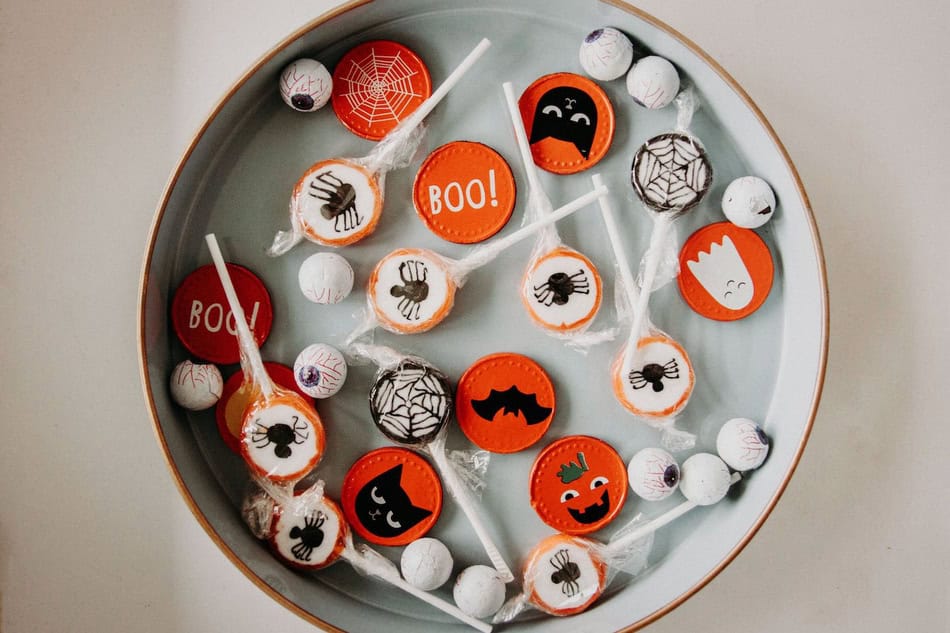
There’s still time to stretch your Halloween budget without giving up everyone’s favorite treats.
1. Compare the Price Per Piece, Not Just the Bag Price
That enormous variety bag may look like a bargain, but don’t assume it’s the best deal.
Divide the price by the number of pieces to see what you’re actually paying for each treat.
For example, a $15 bag containing 100 pieces costs 15 cents per piece. A $12 bag with only 60 pieces costs 20 cents each.
Also check the size of the individual candies. A bag of tiny pieces isn’t necessarily a better value than one containing fewer, larger treats.
2. Mix Chocolate With Other Candy Favorites
Miniature chocolate bars can be expensive, so consider mixing them with individually wrapped lollipops, fruit chews, hard candies, or other treats.
You can still include chocolate without making it the entire bowl.
Compare prices before buying, though. Non-chocolate candy isn’t automatically cheaper, particularly when it comes in small seasonal packages.
3. Check Store Apps and Loyalty Discounts
Before heading to the checkout, take a minute to check your grocery store’s app or weekly circular.
Supermarkets, pharmacies, and discount stores may offer digital coupons, loyalty-card prices, or promotions on larger bags.
Pay attention to the conditions. Some discounts require buying multiple bags, and a sale isn’t much of a bargain if it leaves you with twice as much candy as you need.
4. Buy for the Trick-or-Treaters You Actually Expect
Think back to previous Halloweens. Did you have 30 visitors or 150?
Use that number to estimate how much candy you’ll need.
If you expect 50 trick-or-treaters and plan to give each child two pieces, start with 100 pieces. Add a little extra if turnout varies in your neighborhood.
Keep a reserve inside the house and refill your bowl as needed. It’s an easy way to avoid handing out enormous handfuls early in the evening and running short later.
5. Consider Small Nonfood Treats
Stickers, temporary tattoos, and other inexpensive party favors can be alternatives to candy, especially when purchased in multipacks.
They’re also a thoughtful option for children with food allergies. If you’ve noticed teal pumpkins on neighborhood porches, they’re part of an effort to make trick-or-treating more inclusive. The Teal Pumpkin Project, organized by Food Allergy Research & Education, encourages households to offer nonfood treats alongside candy. Our guide, See a Teal Pumpkin on a Porch This Halloween? Here’s What It Means, explains the meaning and offers inexpensive nonfood treat ideas.
Just check that any small toys are age-appropriate and don’t present a choking hazard.
Should You Wait Until Halloween to Buy Candy?
Maybe, but don’t count on finding a better deal.
Some stores may discount seasonal candy as October 31 approaches, but popular varieties and larger assortment bags can also sell out.
If you find a good price per piece now, buying what you need may be smarter than gambling on a last-minute sale.
And while the biggest clearance discounts often arrive after Halloween, those won’t help when trick-or-treaters are at your door.
Halloween candy may cost a lot more than it did a few years ago, but a little planning can still make a difference. Compare prices, offer a mix of treats, and buy an amount that makes sense for your neighborhood.
The kids will remember the costumes, decorations, and fun of trick-or-treating long after they’ve forgotten how many chocolate bars were in the bowl.

- Maggie Konrad

- Maggie Konrad

- Maggie Konrad
- Maggie Konrad